
Planning a dream trip to Kilimanjaro or Everest Base Camp requires forensic research on gear and training. Women face additional considerations on remote expeditions that demand careful planning. These top 5 trekking tips for women address female-specific challenges encountered on high-altitude treks. Pat Falvey Irish & Worldwide Adventures has guided 2,000+ trekkers to summits across 30 years of mountain leadership. As a seasoned adventure traveller and climber who has visited remote places worldwide, I have learnt that small amounts of planning deliver huge dividends for comfort and health on the mountain. These top 5 trekking tips for women allow you to feel confident and enjoy your trek without unnecessary worry.
1. Gear Selection for Female Trekkers
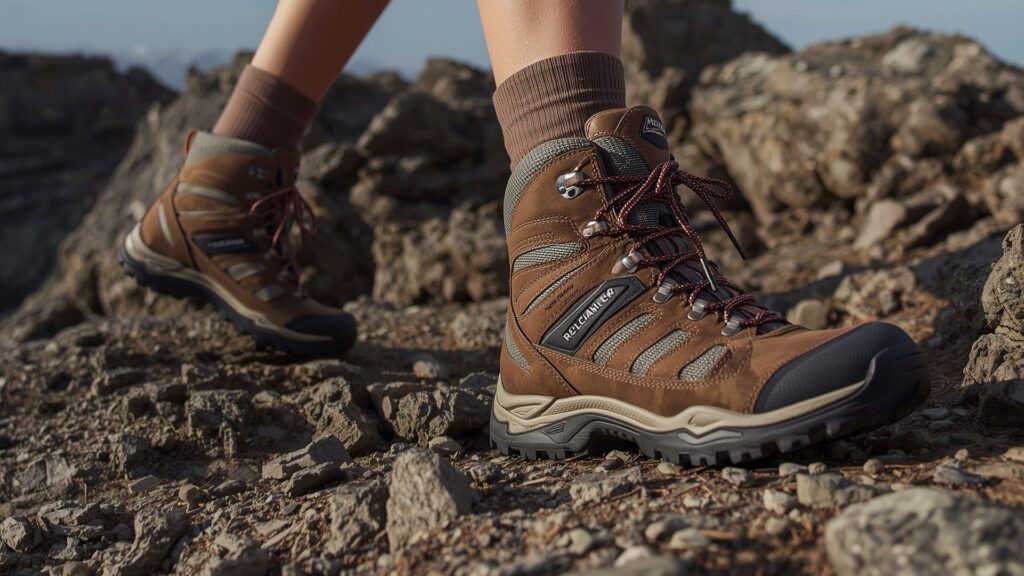
Female-specific outdoor gear exists for genuine performance reasons beyond marketing. These top 5 trekking tips for women start with equipment because proper gear prevents discomfort and injury during multi-day expeditions.
Women’s hiking boots use different lasts than men’s boots, providing better anatomical fit for female foot shapes. This design difference delivers extra comfort during days of consecutive trekking. Poor boot fit causes blisters, hot spots, and potential injury on descents.
Female trekkers typically experience colder temperatures than male counterparts at altitude. Extra insulation layers prove crucial for maintaining core body temperature. Merino wool base layers wick perspiration away from skin while regulating body temperature across varying activity levels. Merino wool performs better than synthetic fabrics for multi-day wear without washing facilities.
Warm gloves qualify as essential equipment rather than optional accessories. Temperatures near summit elevation drop considerably below sea level conditions. Carrauntoohil temperatures can drop below freezing near the summit even during summer months. Kilimanjaro summit temperatures regularly reach minus 20 degrees Celsius. Keep hands and feet adequately protected with insulated gloves rated for extreme cold.
Layering systems work better than single thick jackets for temperature regulation during trekking. Start with merino wool base layers, add insulating mid-layers like fleece or down, and finish with waterproof outer shells. This system allows adjustment throughout the day as exertion levels change.
A buff multitasks as headband, hair tie, and hat, keeping hair off faces during windy conditions. This simple piece of equipment prevents tangled hair after walking in nature’s wind tunnel for hours. Pack waterproof stuff sacks to organise gear and keep clothing dry inside backpacks.
2. Managing Menstrual Cycles on Expeditions
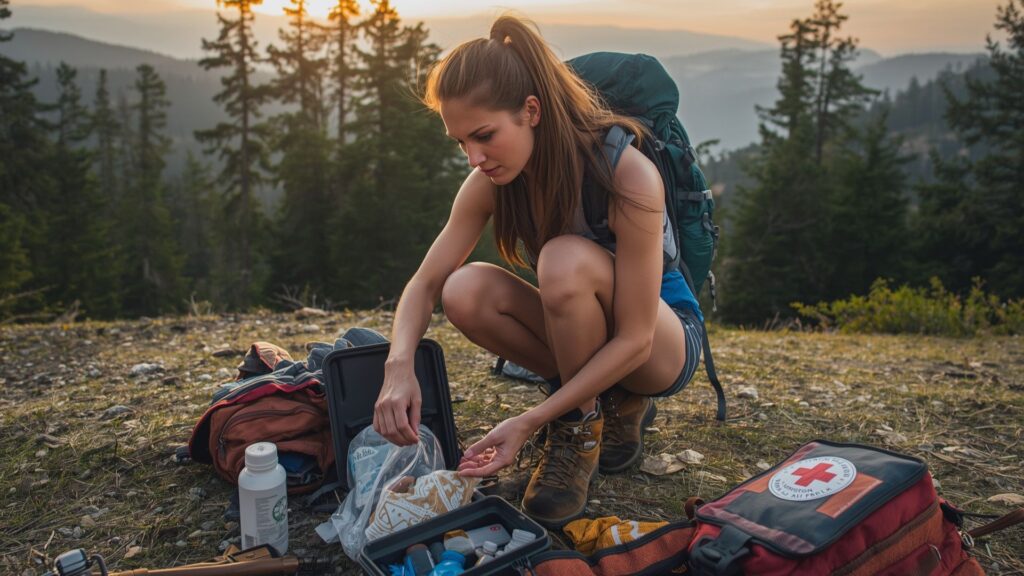
Travel, altitude, and dietary changes disrupt menstrual cycles in unpredictable ways. These top 5 trekking tips for women include period management because expedition conditions affect hormonal patterns. Expect cycles to arrive late or appear without warning during high-altitude treks.
Remote trekking areas rarely stock sanitary towels or tampons. Bring sufficient supplies for the entire expedition duration plus emergency extras. Calculate requirements based on typical cycle length and pack 50% additional supplies.
Periods during expeditions create serious inconvenience alongside cramping, fatigue, and discomfort at altitude. Women taking contraceptive pills should consult doctors about running two packets together to skip periods during treks. This medical approach works safely for most women on short-term expeditions.
Never change contraceptive pills or start taking them for the first time immediately before departure. New medications require several months for side effect assessment before expeditions. Surprise reactions to medication on mountains create dangerous situations far from medical facilities.
Thrush attacks happen at inconvenient times during expeditions due to heat, environmental changes, and travel stress. Pack over-the-counter thrush cream in medicine kits as precautionary treatment. Early intervention prevents minor irritations from developing into serious discomfort.
Altitude affects menstrual flow patterns for many women. Some experience heavier bleeding while others notice lighter periods at elevation. Track these changes in expedition journals to prepare for future treks. Pat Falvey’s Kilimanjaro expeditions provide comprehensive pre-departure briefings covering health management at altitude.
3. Toilet Facilities and Hygiene Management
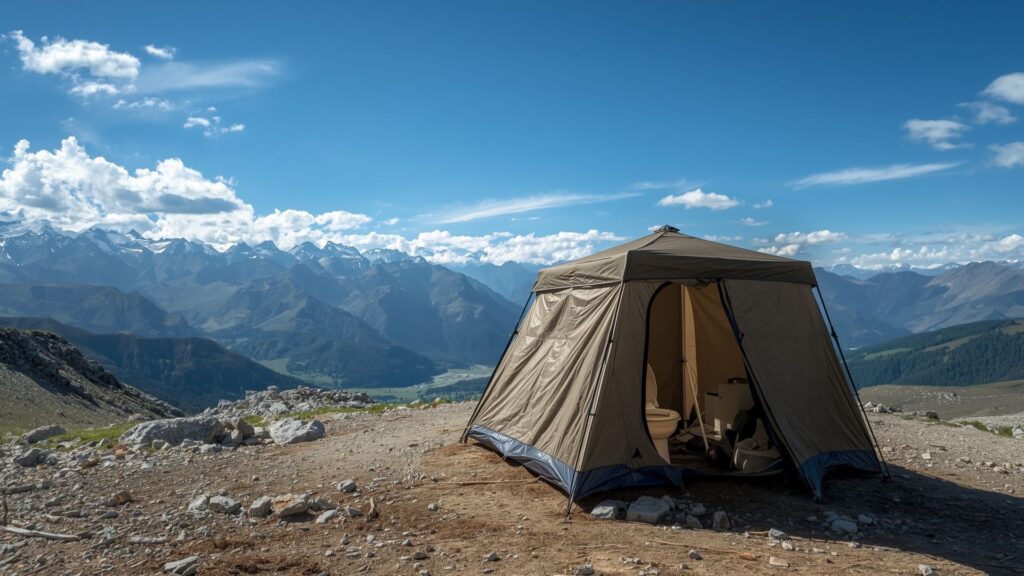
Bodily functions require leaving dignity at departure gates during trekking holidays. These top 5 trekking tips for women address toilet realities because basic facilities characterise remote mountain environments. Toilet facilities prove basic or non-existent and typically share space with fellow trekkers.
Finding discrete spots becomes standard procedure on mountain trails. The Shewee device allows standing urination without sitting on unsanitary toilet seats or hovering positions. This tool eliminates the necessity of fully undressing in crowded mountain trail conditions. Order the Shewee at shewee.com before departure.
Bring toilet paper in waterproof bags plus hand sanitiser for every toilet break. Pack out all used toilet paper in sealed bags to maintain environmental standards on popular trekking routes. Leave no trace principles apply to all waste management in mountain environments.
Cystitis affects female trekkers frequently due to increased physical strain on bodies. Urinary tract infections develop quickly and become serious in remote areas away from medical treatment. Bring Cystopurin sachets to address issues before problems escalate. Drink 3 to 4 litres of water daily to maintain urinary tract health at altitude.
Dehydration contributes to cystitis development at altitude. Many women reduce fluid intake to avoid frequent toilet stops, creating health risks. Maintain hydration despite inconvenient facilities. Cranberry supplements offer preventative support for urinary tract health during expeditions.
4. Showering and Sanitation Standards
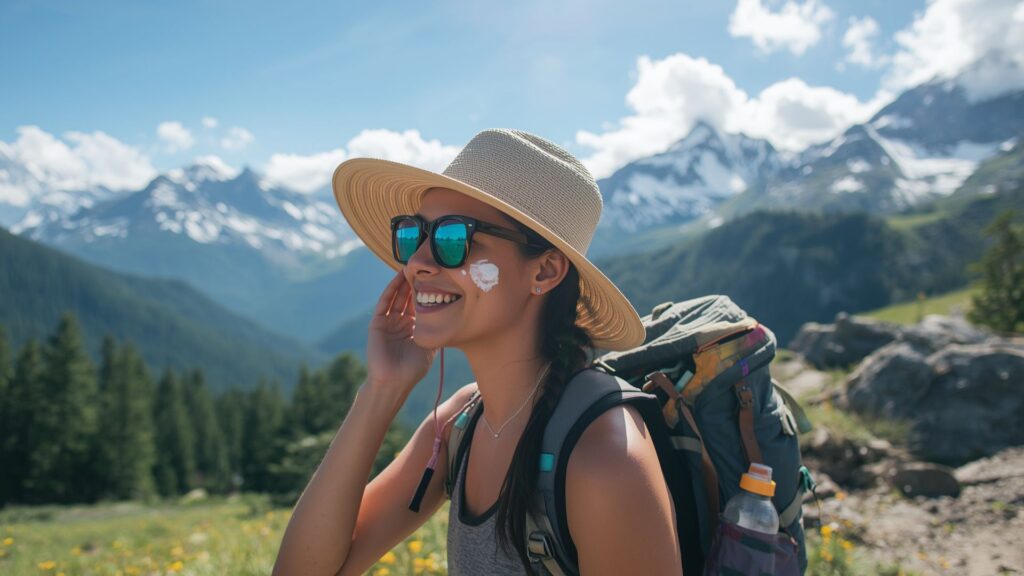
Showering and sanitation facilities range from basic to non-existent on mountain expeditions. Wet wipes become essential equipment for female trekkers. These top 5 trekking tips for women include hygiene practices because maintaining cleanliness prevents infections and improves comfort.
Wet wipes provide all-over body cleansing when showers remain unavailable for multiple days. Wipes remove daily grime and perspiration from faces, reducing skin problems from accumulated dirt and sun exposure. Biodegradable wipes prove environmentally responsible for mountain environments. Standard wet wipes contain plastics that persist in alpine ecosystems for decades.
Sun protection requires serious attention because sun intensity increases at altitude. Mountains reflect sunlight off snow while lacking tree cover for shade. Apply high SPF sunscreen every two hours during daylight trekking. Look for moisturising aftersun products to apply during evenings, replenishing skin after intense sun exposure.
Lips burn easily at altitude due to thin air and intense UV radiation. Bring SPF 30+ lip balm and reapply every hour during summit day. Cracked lips cause serious discomfort and slow healing at elevation.
Foot health remains vital for all climbers. Trim toenails short at all times before and during expeditions. Long toenails contact boot fronts during descents, causing black toenails, lost toenails, and ending sandal-wearing careers. Pack travel nail clippers in backpacks and maintain trimmed nails throughout treks.
Change socks daily even when showering proves impossible. Bring sufficient sock supplies for daily changes plus extras. Wet or damp socks cause blisters and fungal infections. Wash socks in mountain streams when possible and dry them attached to backpacks during trekking.
5. Safety Considerations for Female Trekkers
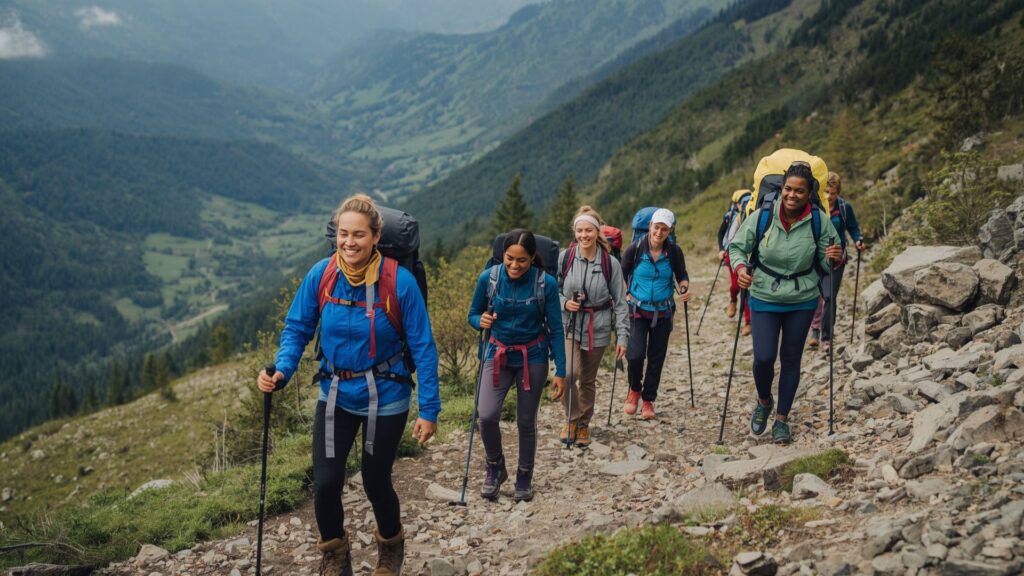
Female trekkers attract attention depending on trekking locations. Remote and sometimes hostile environments require awareness of personal safety considerations. These top 5 trekking tips for women conclude with safety guidance because security enables focus on trekking challenges.
Trek with reputable trekking companies to avoid dangers of solo trekking. Professional guiding companies provide security while handling logistics, leaving trekkers free to focus on expedition challenges. Pat Falvey Irish & Worldwide Adventures plans every aspect of trekker safety across all expeditions.
Group trekking offers safety advantages beyond guide expertise. Fellow trekkers provide support, companionship, and emergency assistance when needed. Solo female trekking in remote areas carries elevated risks that group expeditions eliminate.
Research local customs and dress codes before international expeditions. Some cultures expect conservative clothing for women. Respect local norms while maintaining comfort for trekking activities. Long trousers and modest tops satisfy cultural requirements in many trekking regions while providing sun protection and insect defence.
Carry emergency contact information including embassy details for international treks. Store emergency numbers in mobile phones and on paper backup. Mobile coverage remains unreliable in mountains, but satellite communication devices provide emergency contact options. Our expedition leaders carry satellite phones on all remote treks.
Travel insurance covering high-altitude trekking and helicopter evacuation proves essential. Standard travel insurance excludes altitude-related emergencies and mountain rescue costs. Verify policy coverage reaches elevation limits of planned treks. Everest Base Camp expeditions require coverage to 5,600 metres minimum.
Preparing Your Body for High-Altitude Trekking
Physical preparation determines expedition success as much as gear selection. These top 5 trekking tips for women emphasise preparation because female physiology responds differently to altitude stress than male physiology.
Start training programmes 12 to 16 weeks before expeditions. Build cardiovascular fitness through hiking with weighted backpacks, stair climbing, and running. Progress gradually from flat terrain to hill walking, increasing both distance and elevation gain weekly.
Strength training supports trekking endurance and injury prevention. Focus on leg strength through squats, lunges, and step-ups. Core stability exercises improve balance on uneven terrain. Upper body strength helps with backpack carrying over multiple days.
Altitude acclimatisation requires patience and adherence to ascent schedules. Women experience altitude symptoms at similar rates to men, but hormonal factors may influence symptom severity. Follow climb high, sleep low principles during acclimatisation. Drink 3 to 4 litres of water daily to support altitude adaptation.
Iron levels affect altitude performance because haemoglobin carries oxygen to muscles and organs. Many women have lower iron stores due to menstruation. Request blood tests checking ferritin levels before expeditions. Supplement iron if levels fall below optimal ranges, but allow several months for improvement.
Nutrition Strategies for Female Trekkers
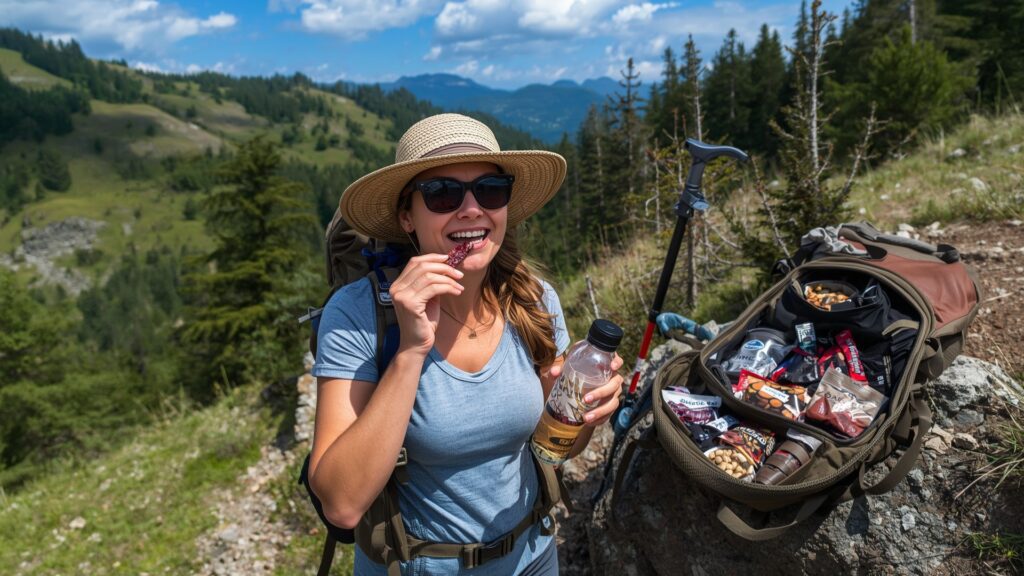
Energy requirements increase dramatically during multi-day expeditions. Women typically underestimate caloric needs at altitude, leading to excessive weight loss and reduced performance.
Consume 3,000 to 4,000 calories daily during active trekking days. Pack high-energy snacks like nuts, dried fruit, energy bars, and chocolate. Eat small amounts frequently rather than large meals that feel uncomfortable at altitude.
Protein intake supports muscle recovery during consecutive trekking days. Bring protein powder for mixing with porridge or tea when fresh protein sources remain unavailable. Aim for 1.2 to 1.6 grammes of protein per kilogramme of body weight daily.
Electrolyte balance affects altitude performance and headache prevention. Hydration tablets or powder supplements replace minerals lost through perspiration and increased respiration at elevation. Add electrolytes to water bottles throughout trekking days.
Most Importantly: Enjoy Your Adventure
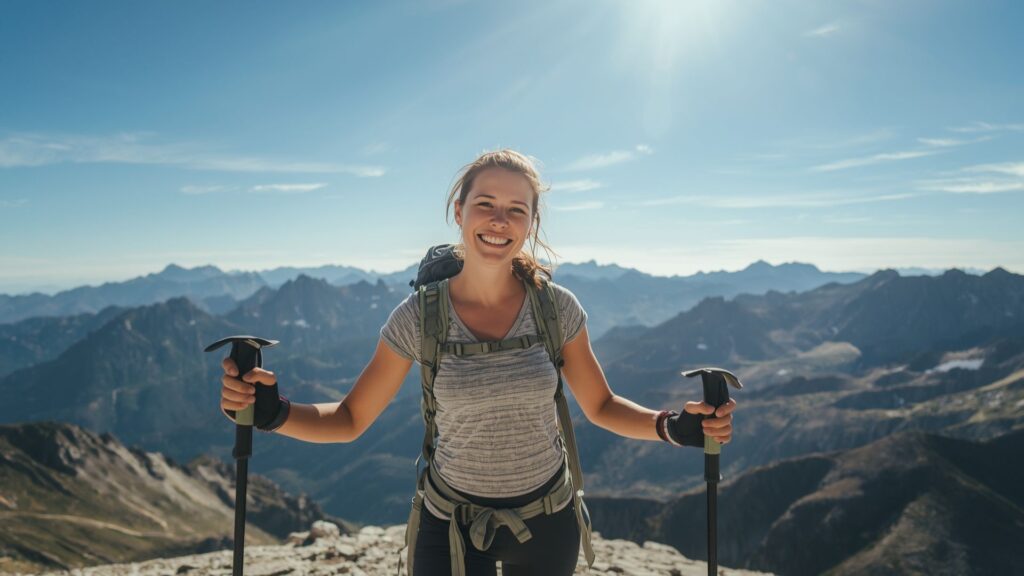
Climbing Kilimanjaro or trekking to Everest Base Camp represents once-in-a-lifetime adventures. These top 5 trekking tips for women provide practical preparation guidance, but expedition success ultimately depends on mental attitude and enjoyment. Focus on experiencing incredible mountain environments rather than worrying about discomforts.
Mountains offer transformative experiences that challenge physical and mental limits. Female trekkers often underestimate their capabilities before expeditions. Trust training preparation and guide expertise throughout the journey.
Contact Pat Falvey Irish & Worldwide Adventures with questions about training or altitude preparation. Our expedition teams help trekkers maximise adventure experiences through comprehensive pre-departure briefings and on-mountain support. Call +353 64 6644 181 or email info@patfalvey.com for personalised expedition planning.
Visit The Mountain Lodge in Beaufort, County Kerry, for training weekends and preparation hikes before international expeditions. Our Kerry-based facility provides accommodation and guided training sessions with experienced mountain leaders. Consider gift vouchers for female friends and family members seeking adventure experiences.