
Walking to burn calories offers the most accessible route to improved fitness and health for people at any level. Pat Falvey Irish & Worldwide Adventures guides over 2,000 walkers annually through Kerry’s mountains and beyond, building confidence through progressive outdoor experiences. This guide provides practical techniques to maximise calorie burn, increase fitness, and prepare for more challenging adventures like guided Carrauntoohil hikes.
Walking to burn calories starts with building confidence in your abilities. Not everyone feels ready to trek up a hill or mountain immediately. Some people struggle with negative thoughts about weight, capability, or physical readiness. Pat Falvey Irish & Worldwide Adventures specialises in helping walkers progress from local paths to mountain summits through structured training approaches. These tips provide a foundation for anyone wanting to get outside more, improve fitness, and discover what their body can achieve.
Why Walking Burns Calories Effectively
Walking to burn calories works because it engages multiple muscle groups whilst remaining low-impact and sustainable. A 70-kilogram person burns approximately 240-300 calories during a moderate 60-minute walk, increasing to 350-400 calories when incorporating hills and speed variations. The body continues burning calories after walking through elevated metabolism, particularly following interval-based sessions.
The cardiovascular benefits develop quickly. Research from University College Dublin shows that regular walkers reduce heart disease risk by 31% compared to sedentary individuals. Walking strengthens leg muscles, improves bone density, and enhances mental wellbeing through endorphin release. These benefits accumulate whether you walk Kerry’s beaches or train for Kilimanjaro expeditions.
Four Proven Techniques for Walking to Burn Calories
These methods transform ordinary walks into effective calorie-burning sessions. Pat Falvey developed these techniques over 30 years guiding clients from complete beginners to Seven Summits climbers.
1. Vary Your Speed for Maximum Calorie Burn
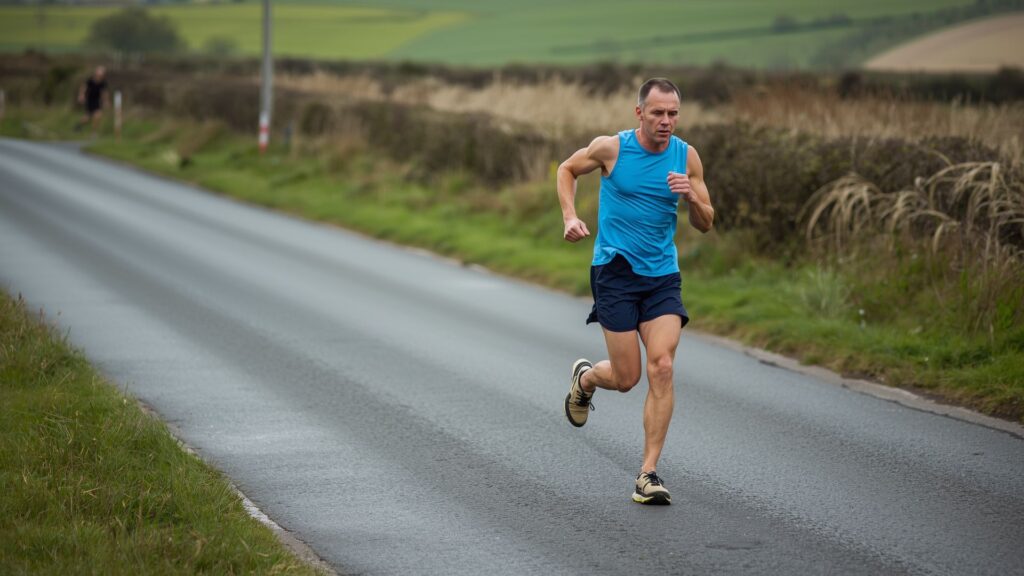
Start at a slower pace to warm muscles and joints properly. After 5-10 minutes, increase to a moderate effort where conversation remains possible but requires some breath control. Walking to burn calories becomes more effective when you add short intervals of fast walking throughout your session.
Pick a point ahead on the road or a lamp post as your target. Walk quickly towards it for 30-60 seconds, pushing your pace until breathing becomes noticeably harder. Return to moderate effort walking until you spot your next target, then accelerate again. This interval approach burns 20-30% more calories than steady-pace walking whilst building cardiovascular capacity for longer adventures.
Begin with 4-6 fast intervals during a 30-minute walk. Progress to 8-10 intervals as fitness improves. The speed variation trains your body to handle the pace changes encountered on mountain terrain, where steep sections alternate with gentler gradients.
2. Carry Weights to Increase Intensity
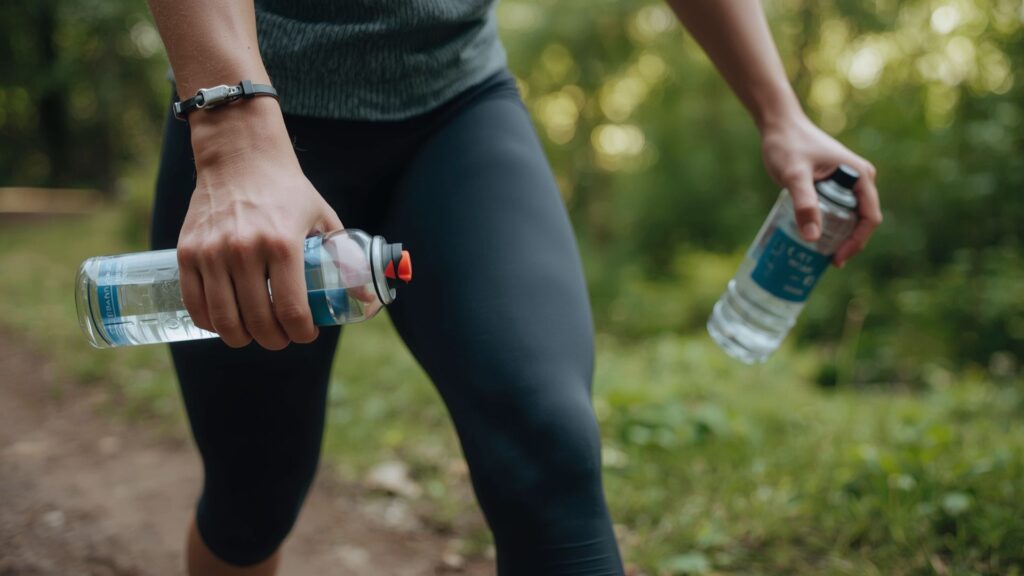
Carrying 1-3 pound hand weights increases heart rate by 5-10 beats per minute whilst boosting oxygen consumption. Two bottles of water work perfectly, providing hydration and weight training simultaneously. Walking to burn calories accelerates when you engage upper body muscles through weighted arm movements.
Swing your arms naturally in opposition to your legs, bringing the weights from hip height to chest level with each stride. This pumping motion elevates heart rate, improves cardiovascular fitness, and burns additional calories through increased muscle engagement. The arm movement mimics the trekking pole technique used on guided Carrauntoohil hikes, preparing you for mountain walking.
Start carrying weights for 10-15 minutes during longer walks, gradually extending duration as shoulder and arm strength develops. Avoid gripping weights too tightly as this causes forearm fatigue. A relaxed grip allows sustained effort over longer distances.
3. Head for the Hills to Multiply Calorie Burn
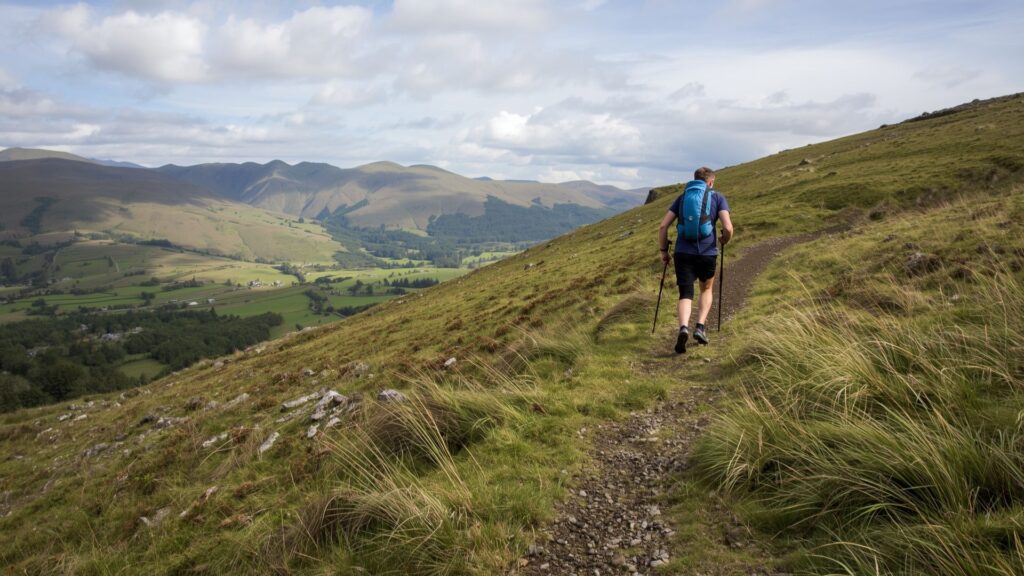
Walking to burn calories reaches peak efficiency on inclines. Walking uphill demands more energy than flat terrain, resulting in higher calorie burn and increased heart rate. You do not need Everest-level challenges to gain benefits. Local hills provide excellent training grounds for building strength and endurance.
Identify 2-3 hills on your regular walking routes. Walk these hills at a steady, sustainable pace, leaning slightly forward from the ankles whilst maintaining an upright torso. Once these hills feel manageable, add more inclines to your route or repeat the same hills multiple times. Urban walkers can use stairs in buildings, parks, or underpasses to create similar training effects.
Hill walking burns 50-70% more calories than flat walking at the same speed. A 30-minute hill walk can burn 200-280 calories compared to 120-160 calories on flat terrain. This efficiency makes hills essential for walkers preparing for adventures like Everest Base Camp treks, where sustained uphill walking forms the primary challenge.
Descending hills also burns calories whilst strengthening different muscle groups. Control your descent speed to protect knees and build eccentric muscle strength in quadriceps and calves.
4. Use Your Arms to Engage Your Whole Body
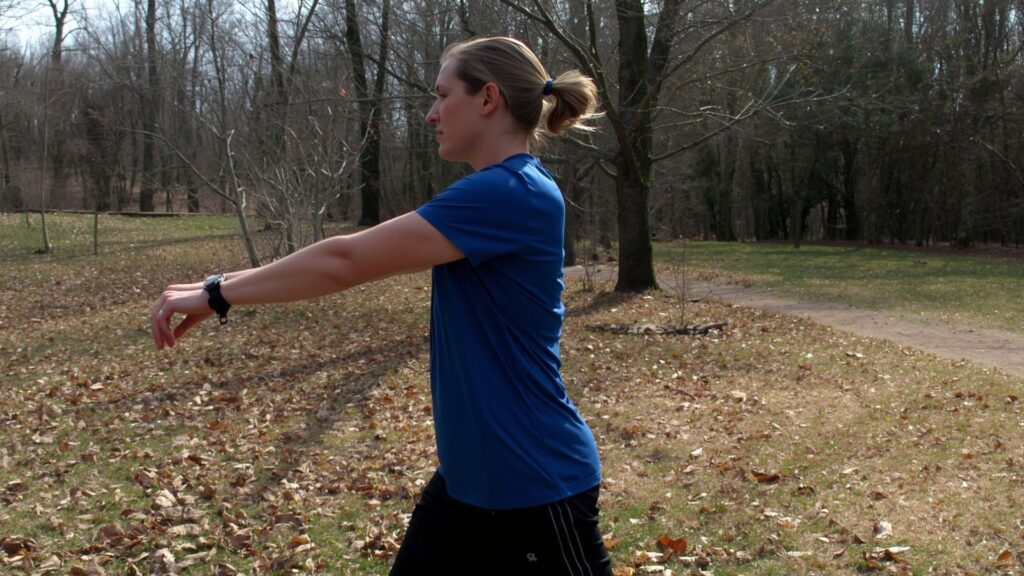
Walking to burn calories becomes a full-body workout when you engage your arms properly. Many walkers neglect arm movement, missing opportunities to increase calorie burn and improve cardiovascular response.
Pump your arms vigorously in time with your stride. Bend elbows at 90 degrees and swing from the shoulders, driving hands from waist height to chest level. This motion fires up your upper body muscles, accelerates calorie burning, and gets your heart pumping harder. The technique also improves balance and rhythm, particularly valuable when transitioning to uneven mountain terrain.
Proper arm movement adds 5-10% to total calorie expenditure during walking sessions. Combined with the other techniques, active arm use transforms a simple walk into comprehensive cardiovascular training.
Creating Your Walking to Burn Calories Programme
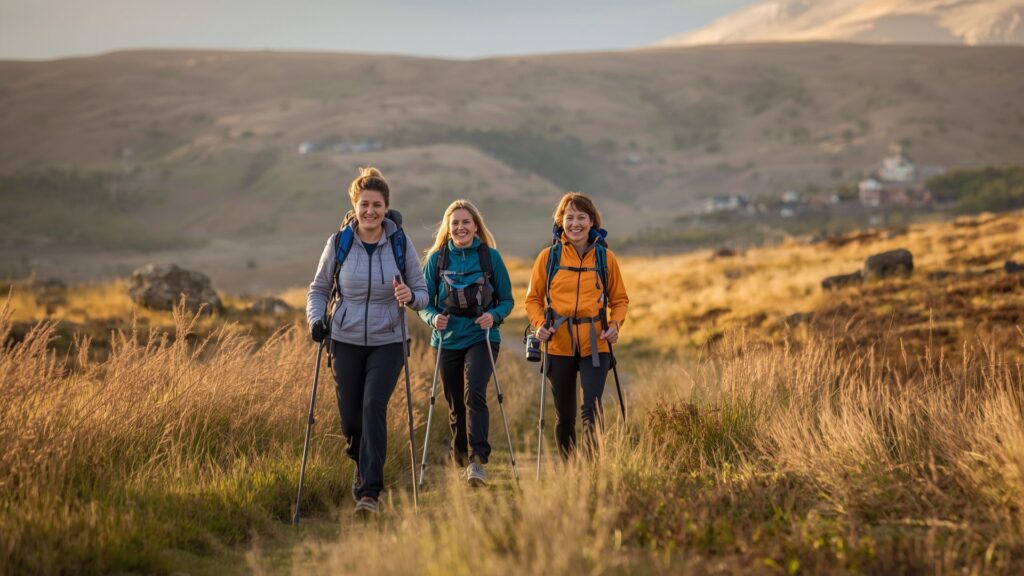
Structure your weekly walking schedule to balance intensity with recovery. Pat Falvey recommends this progressive approach for building fitness safely whilst maximising calorie burn.
Schedule 4-5 walking sessions weekly. Designate 2-3 days for technique-focused walks incorporating speed intervals, hills, or weighted carries. Use remaining days for steady-pace recovery walks that maintain activity without excessive intensity. This variation prevents overtraining whilst keeping calorie expenditure high throughout the week.
A typical week might include: Monday – 40-minute interval walk (flat terrain), Wednesday – 45-minute hill walk, Friday – 30-minute weighted walk, Saturday – 60-minute steady recovery walk, Sunday – optional 30-minute nature walk. This schedule burns an additional 400-800 calories weekly compared to steady-pace walking alone.
Track your progress through simple metrics. Note walk duration, route difficulty, and perceived effort on a 1-10 scale. Progression occurs when the same route feels easier, allowing you to increase distance, add techniques, or tackle more challenging terrain. These fitness gains transfer directly to mountain walking and adventure activities offered through guided expeditions.
The Health Benefits Beyond Calorie Burning
Regular cardiovascular exercise, including 30-minute walks, reduces risk of heart disease, high blood pressure, and type 2 diabetes whilst improving bone health and overall body function. Walking to burn calories also enhances mental health through stress reduction, improved sleep quality, and increased self-confidence.
Walking strengthens bones through weight-bearing impact, particularly important for preventing osteoporosis. The rhythmic nature of walking promotes meditative mental states, reducing anxiety and improving mood regulation. Many walkers report clearer thinking and enhanced creativity following outdoor walking sessions.
Physical benefits accumulate over time. Consistent walkers experience improved joint mobility, better posture, enhanced lung capacity, and stronger immune function. These adaptations prepare your body for more ambitious goals, whether that means completing the Camino de Santiago or attempting Kilimanjaro.
Preparing for Mountain Adventures Through Walking
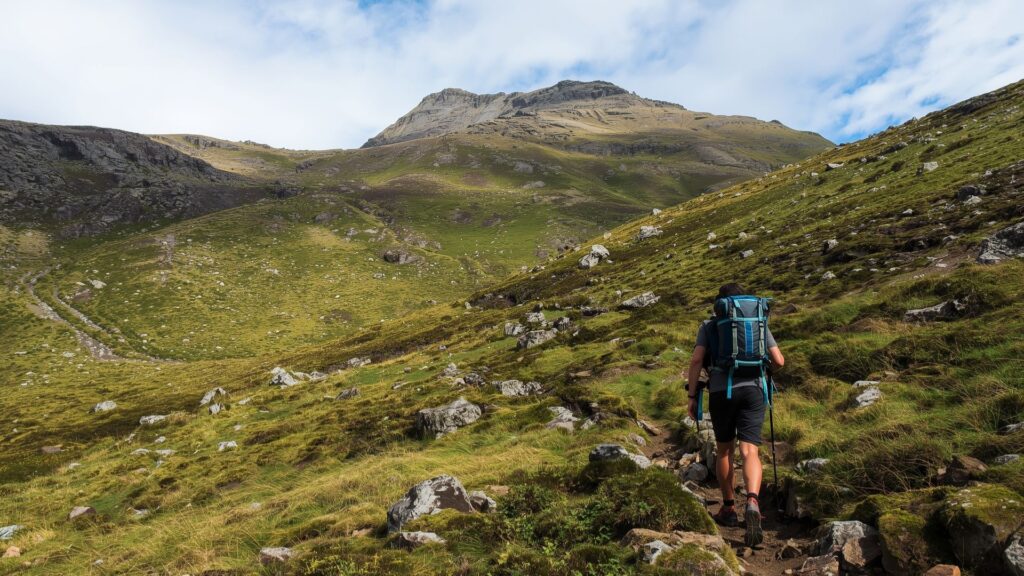
Walking to burn calories forms the foundation for mountain trekking preparation. The techniques described here translate directly to mountain environments where sustained effort, pace variation, and hill climbing determine success.
Pat Falvey Irish & Worldwide Adventures uses progressive walking programmes to prepare clients for expeditions. Participants begin with local hills in Kerry, advance to full-day Carrauntoohil ascents, then progress to international peaks like Mount Toubkal or Kilimanjaro. Each level builds on fundamental walking skills whilst increasing duration and altitude exposure.
Training for mountain adventures requires 12-16 weeks of structured walking. Start with 30-minute sessions 3-4 times weekly, gradually increasing to 60-90 minute walks that incorporate all four calorie-burning techniques. Add a longer walk (2-4 hours) on weekends to build endurance. This progression prepares both cardiovascular system and leg muscles for sustained mountain efforts.
The psychological confidence gained through improved walking fitness proves equally valuable. Walkers who master local hills approach mountain challenges with realistic self-belief rather than doubt or fear. This mental preparation separates successful expeditions from abandoned attempts.
Equipment and Nutrition for Effective Walking
Walking to burn calories requires minimal equipment, making it accessible and affordable. Invest in properly fitted walking shoes with adequate cushioning and ankle support. Replace shoes every 500-800 kilometres as worn footwear increases injury risk.
Dress in moisture-wicking layers rather than cotton, which retains sweat and causes chafing. Carry water for walks exceeding 30 minutes, consuming 200-250 millilitres every 20 minutes during exercise. Longer walks require simple nutrition like bananas, energy bars, or dried fruit to maintain energy levels.
Consider walking poles for hill sessions, particularly when carrying weights. Poles distribute effort across arms and shoulders whilst reducing knee impact on descents. Pat Falvey’s guided walks provide pole instruction for clients preparing for international treks.
Common Mistakes to Avoid When Walking to Burn Calories
Overstriding reduces efficiency and increases injury risk. Take shorter, quicker steps rather than lengthening your stride artificially. Natural stride length optimises energy expenditure whilst protecting joints.
Avoid looking down constantly. Gaze forward 3-5 metres ahead to maintain posture and prevent neck strain. This habit also proves essential on mountain terrain where route-finding requires forward vision.
Never skip warm-up and cool-down periods. Begin walks at gentle pace for 5-10 minutes, allowing muscles to warm gradually. Finish with 5 minutes of slower walking and basic stretching to prevent stiffness and promote recovery.
Resist the temptation to increase intensity too quickly. Progress gradually by adding one new technique weekly rather than implementing all four simultaneously. Sustainable improvement prevents burnout and injury.