
Setting goals provides direction and purpose in life, transforming vague aspirations into achievable outcomes. Pat Falvey, who has summited the world’s highest peaks and guided over 2,000 people on expeditions, applies goal-setting principles honed through decades of extreme adventure. This guide covers how to make decisions, identify objectives, create actionable plans, and maintain focus on what matters most.
Why Setting Goals Matters for Success
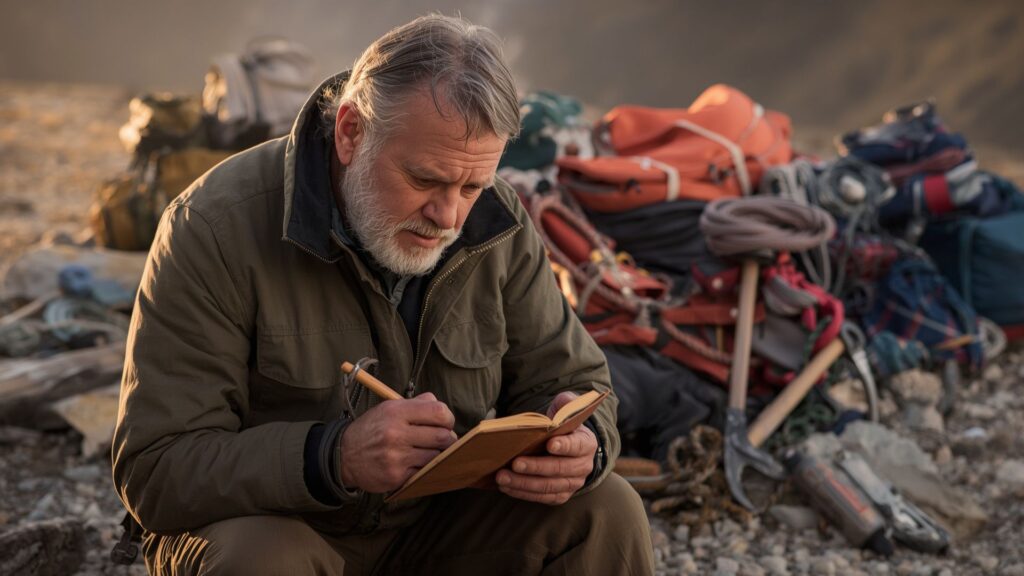
Setting goals creates a framework for achievement that separates those who dream from those who accomplish. Theodore Roosevelt understood this principle when he stated: “In any moment of decision the best thing you can do is the right thing, the next best thing is the wrong thing, and the worst thing you can do is nothing.” The act of setting goals forces clarity, demands commitment, and provides the roadmap needed to navigate life’s challenges.
Pat Falvey discovered this truth through personal crisis. At 29, his business collapsed, leaving him shocked and broke. Without clear direction, he made the worst possible choice by doing nothing. He ran from responsibility, buried his head in the sand, and refused to confront reality. This inaction nearly cost him everything, culminating in a suicide attempt that became his turning point.
Following this crisis, Falvey realised that setting goals and taking action provided the only path forward. He approached his bank, negotiated a plan, and rebuilt his business because he finally decided to act. This experience taught him that without focus, people feel powerless to influence their future. Setting goals changes this dynamic completely, providing both direction and agency.
Make Decisions and Take Action
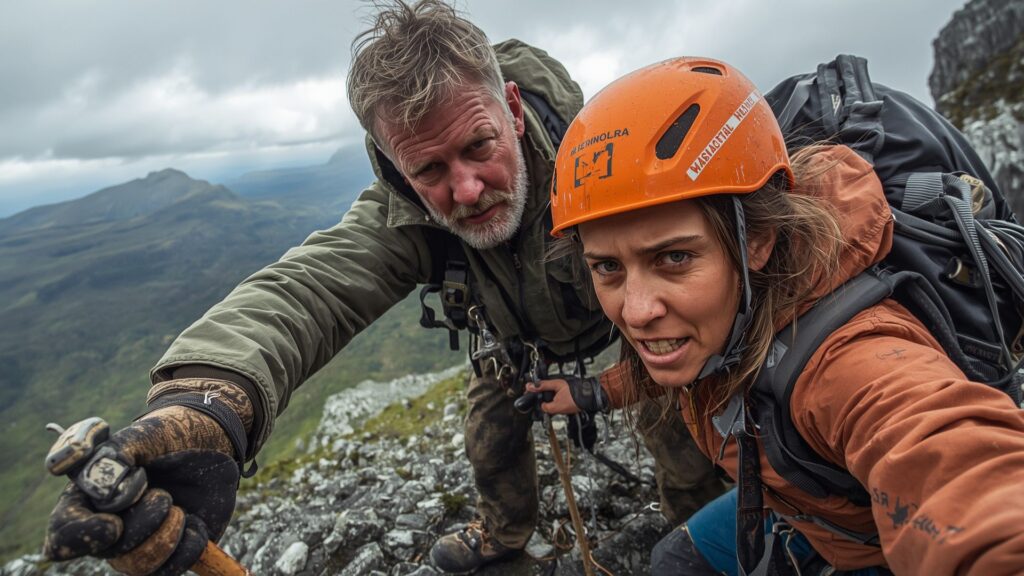
The first step in setting goals involves making decisions and acting on them. Inactivity breeds helplessness, whilst action creates momentum. When Falvey faced bankruptcy, his initial paralysis worsened his situation daily. Only when he chose to act did possibilities emerge.
A huge goal feels overwhelming when viewed as a single massive task. Breaking it into smaller actions makes progress achievable. By making a statement of intent to ourselves and others, we commit publicly to change. Each step forward, no matter how small, brings us closer to our destination. The key lies in deciding to take that initial step rather than waiting for perfect conditions.
The mountain environment provides stark lessons about decisiveness. During a Kilimanjaro expedition, hesitation can mean the difference between summit success and turning back. Falvey teaches clients to make decisions based on available information, act on those decisions, and adjust course as conditions change.
Identify Your Goals With Precision
Setting goals begins with identification. Benjamin Mays captured this truth perfectly: “It must be borne in mind that the tragedy of life doesn’t lie in not reaching your goal. The tragedy lies in having no goals to reach.” Without destination, any direction becomes acceptable, and progress becomes impossible to measure.
Falvey maintains a rigorous system for goal identification. Whenever he sets a goal, he writes it down, committing it to paper and himself to action. This simple act transforms vague wishes into concrete objectives. Written goals carry weight that mental notes never achieve.
The process of setting goals and identifying them clearly raises achievement levels dramatically. Falvey encourages people to imagine reaching their goals in vivid detail. What will success feel like? How will you react? What emotions will you experience at your destination? These visualisations make goals tangible and motivation sustainable.
At The Mountain Lodge in Kerry, Falvey works with groups on goal-setting workshops. Participants often arrive with fuzzy objectives like “get fitter” or “be happier.” Through guided exercises, they transform these into specific, measurable goals: “complete a 10-kilometre hike in under three hours” or “practise meditation for 20 minutes daily for three months.”
Create a Detailed Plan
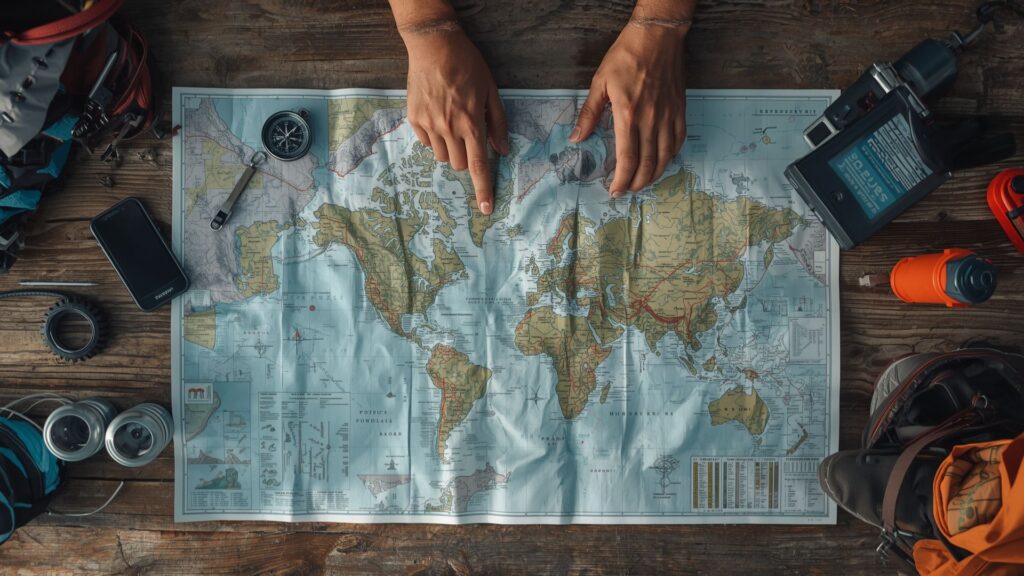
Pablo Picasso understood that dreams require structure: “Our goals can only be reached through a vehicle of a plan, in which we must fervently believe, and upon which we must vigorously act. There is no other route to success.” Setting goals without planning guarantees failure. Planning provides the bridge between aspiration and achievement.
Proper planning maintains focus throughout the journey. The act of creating a plan engages the mind, anchors commitment, and demands engagement with the process. Falvey approaches expedition planning with meticulous attention to detail. Before leading groups to Everest Base Camp, he creates comprehensive plans covering acclimatisation schedules, equipment lists, emergency protocols, and contingency options for every foreseeable scenario.
The same thoroughness applies to personal goal achievement. When setting out on a significant adventure, we ensure proper preparation. We study maps, pack appropriate clothing, budget for expenses, and minimise dangers whilst maximising enjoyment. Setting goals for life’s adventures demands identical preparation.
Falvey learned this during polar expeditions where survival depended on efficiency. Wasted time equalled wasted energy, which could spell expedition failure or death. The harsh environment tolerated no improvisation. Every action followed the plan, and the plan accounted for every foreseeable challenge.
Examine Your Options Carefully
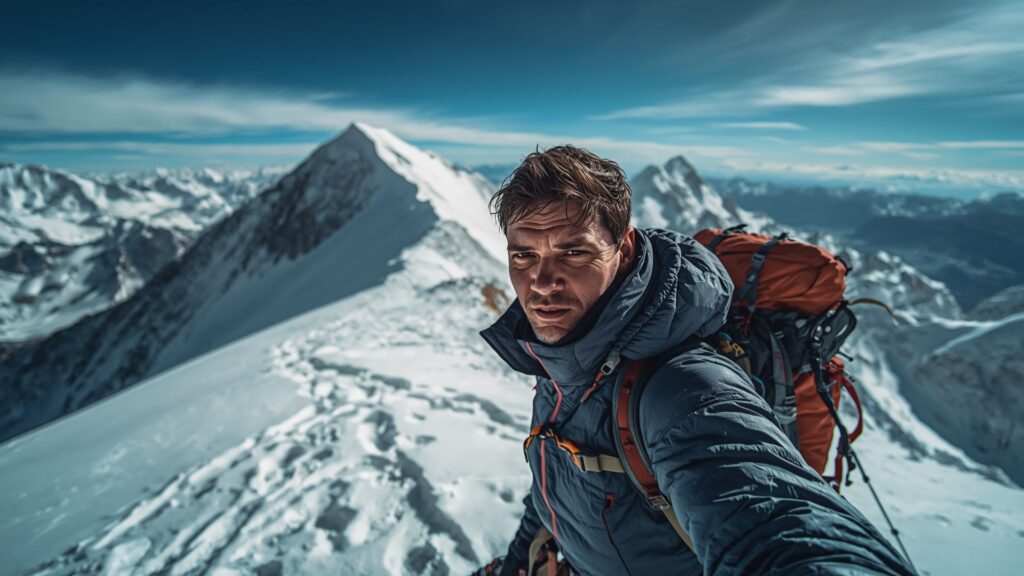
Choices exist in every situation, though recognising them requires conscious effort. During difficult times, people often feel trapped with no alternatives. Looking back, they discover options existed but remained hidden by stress, fear, or overwhelming circumstances. Setting goals includes examining all available options honestly.
Falvey faced this reality brutally in 2003, one hour from Everest’s summit. Utterly exhausted, operating in an altered state of consciousness, his oxygen supply had jammed without his knowledge. He developed pulmonary and cerebral oedema, losing peripheral vision and capacity for clear thought. Sitting like a drunk on Everest’s south side, he felt content not to move whilst watching his team reach the summit.
The choice appeared simple in retrospect: sit and die, or descend and possibly survive. At that moment, however, making this obvious choice required every ounce of willpower he possessed. This experience taught him that choices always exist, though sometimes we must do things we desperately want to avoid.
Pat Falvey’s motivational speaking often addresses this moment. Audiences hear how recognising options, even limited ones, provides agency. When setting goals, people must identify not just the preferred path but alternative routes should circumstances change.
Find Opportunity Everywhere
Opportunity surrounds us constantly, yet most people miss it entirely. How often do we hear about brilliant ideas and think “Why didn’t I think of that?” The answer lies not in the idea’s complexity but in our failure to look for opportunities actively. Setting goals includes developing awareness of possibilities around us.
Consider a treasure hunt where treasure sits somewhere nearby. We receive clues, open our eyes, and search deliberately for what we know exists. Opportunity works identically. Possibilities exist in our immediate environment, but finding them requires active searching.
Falvey identifies opportunities constantly throughout his expeditions. A weather window opens for summit attempts. A client demonstrates leadership potential. A new route reveals itself as safer than the original plan. This opportunistic mindset developed through decades of expedition experience now informs his approach to business and personal development.
Setting goals establishes direction, but recognising opportunities provides the means. The person focused solely on one specific outcome often misses better alternatives. The person setting goals with flexibility and awareness spots opportunities others overlook. This skill applies equally to climbing Carrauntoohil and building a career.
Manage Your Time Wisely
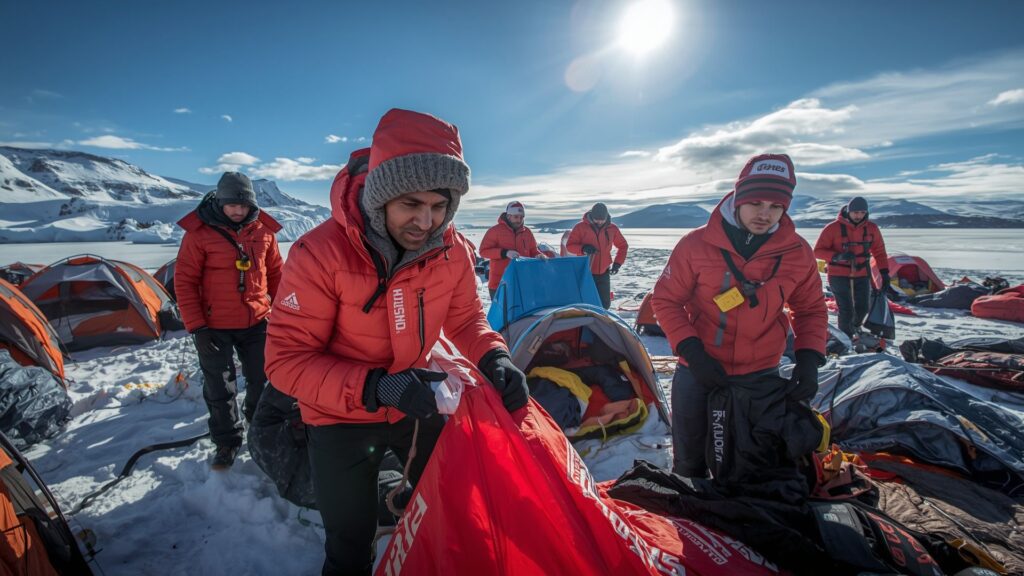
Time remains our most finite resource. Modern life expectancy averages 80 years in developed countries, which seems substantial until compared to Earth’s 4.5 billion year history. Our individual time counts for almost nothing in cosmic terms, making wise time management essential for living our best life.
Falvey suggests a practical exercise: track your weekly schedule meticulously. List all activities including emails, online browsing, work tasks, and breaks. Measure time spent on each activity. When you analyse this time diary, patterns emerge. Are you satisfied with how your 24 daily hours disappear? Can you achieve better efficiency and improved work-leisure balance?
Polar expeditions taught Falvey clear lessons about time efficiency. Wasted time equalled wasted energy, which threatened both success and survival in harsh environments. Every action served a purpose. Every minute counted. This discipline transferred to his business and personal life after returning from expeditions.
Setting goals includes realistic time allocation for achieving them. Many goals fail not from lack of desire but from unrealistic timeframes. A person who wants to climb Mount Toubkal but allocates no time for fitness training sets themselves up for disappointment.
Maintain Flexibility Whilst Pursuing Goals
Rigid adherence to original plans often leads to failure when circumstances change. Setting goals requires commitment to outcomes but flexibility in methods. Falvey learned this lesson repeatedly during expeditions where conditions dictated constant adaptation.
Weather changes force route modifications. Illness requires schedule adjustments. Equipment failures demand creative solutions. The mountaineer who cannot adapt to changing conditions fails or dies. The same principle applies to personal and professional goal achievement.
During Annapurna Base Camp treks, Falvey regularly modifies itineraries based on client fitness, weather patterns, and trail conditions. The destination remains constant, but the path to reaching it adapts to reality. This flexibility doesn’t represent failure but intelligent responsiveness to changing conditions.
Track Progress and Celebrate Milestones
Setting goals requires measurement systems for tracking progress. Without measuring advancement, motivation fades and course corrections become impossible. Falvey tracks multiple metrics during expeditions: distance covered, elevation gained, acclimatisation status, weather forecasts, and team morale.
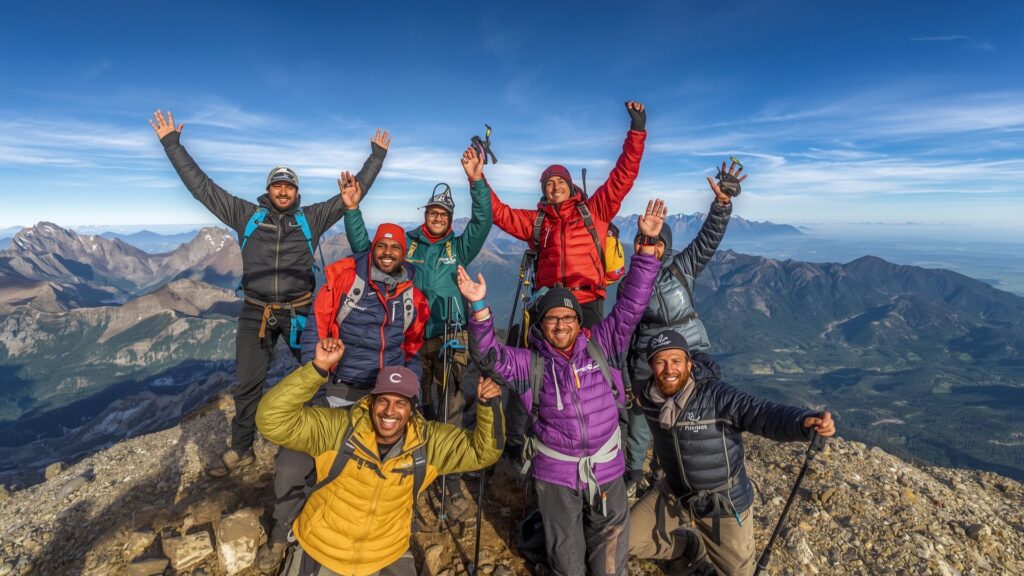
Celebrating milestones along the journey towards major goals maintains enthusiasm and acknowledges progress. Falvey marks significant achievements during long expeditions: reaching base camp, successful acclimatisation rotations, and summit days. Each milestone receives acknowledgement and brief celebration before the team refocuses on remaining objectives.
People setting goals for personal development should build similar milestone celebrations into their plans. Reached the halfway point in training for a marathon? Celebrate it. Saved half the money needed for a major purchase? Mark the achievement. Gift vouchers for adventure experiences make excellent milestone rewards.
Take the Next Step in Your Goal Achievement Journey
Setting goals provides the foundation for achievement, but taking action brings goals to life. Pat Falvey transformed from a bankrupt, suicidal man into one of the world’s most experienced mountaineers by applying these principles consistently over decades.
Whether you want to trek to Everest Base Camp, walk the Camino de Santiago, or achieve personal transformation, the process remains identical. Decide to act rather than remaining passive. Identify specific goals and write them down. Create detailed plans with realistic timelines. Examine options carefully and remain flexible as circumstances change.
Falvey offers goal-setting workshops and personal development programmes at The Mountain Lodge in Kerry throughout the year. Visit the Pat Falvey news and blog for additional articles on goal achievement. Contact info@patfalvey.com or call +353 64 6644 181 to discuss how adventure experiences can support your goal achievement journey.