
Planning transforms dreams into achievements. Pat Falvey has reached many of life’s most challenging summits by setting clear goals and plans meticulously to reduce the risk of failure. This planning approach has guided over 2,000 climbers to successful summits on mountains including Kilimanjaro and Everest Base Camp.
Wherever you are going, you will get there quicker with plans. If you don’t know what your goals are, you won’t achieve them. Plans without clear objectives creates motion without progress.
Once you have clarified your goal, you need planning to achieve it. The key is to break it down into smaller, achievable tasks and introduce a realistic timeframe for getting each job done. Identify the key barriers, accept setbacks, learn from mistakes, measure progress and don’t give up.
Goals provide a roadmap for life and business. Without them, we can drift without purpose or meaning. Effective plans bridges the gap between current reality and desired outcomes. Your plans should grow with you as you journey towards your final destination, remaining flexible whilst following the framework you’ve created.
Work hard, be resilient, be flexible and never stop dreaming. Remember that success lies in following the dream. Achieving your goal is a bonus.
Why Planning Matters for Goal Achievement

Plans creates the bridge between aspiration and accomplishment. Pat Falvey’s expedition career demonstrates that proper planning reduces risk and increases success rates across challenging objectives. Every successful guided Carrauntoohil hike and Kilimanjaro expedition begins with detailed plan months before departure.
Research shows that people who create specific, written plans are 42% more likely to achieve their goals compared to those who merely think about their objectives. Planning forces clarity. Writing down your goals and the steps required to reach them transforms vague wishes into concrete action items.
The planning process also reveals potential obstacles before they become problems. Mountaineering expeditions require extensive planning because the margin for error shrinks at altitude. This same principle applies to business ventures, career transitions, and personal development goals.
The Five Essential Elements of Effective Planning

Plans succeeds when it incorporates five critical components that transform goals from abstract concepts into achievable milestones.
Clarity of Vision
Effective planning starts with crystal-clear objectives. Vague goals like “get fitter” or “be more successful” lack the specificity required for actionable plans. Instead, define precise outcomes: “complete a Carrauntoohil climb by June” or “increase business revenue by 25% within 12 months.”
Pat Falvey’s expeditions demonstrate this clarity principle. Every Everest Base Camp trek includes specific waypoints, acclimatisation schedules, and daily objectives. This level of detail ensures every team member understands the plan and their role within it.
Realistic Timeframes
Planning fails when timelines ignore reality. Rushing creates unnecessary pressure and increases failure risk. Allowing excessive time breeds procrastination. Effective plans balances ambition with practicality.
Breaking large goals into monthly, weekly, and daily tasks makes planning manageable. A twelve-month business objective divides into quarterly milestones, which subdivide into monthly targets, then weekly action items. This hierarchical planning structure creates momentum whilst preventing overwhelm.
Resource Identification
Planning must account for required resources including time, money, skills, equipment, and support. Mountaineering planning includes gear lists, fitness requirements, financial costs, and guide expertise. Similarly, business plans identifies capital needs, staff requirements, technology investments, and partnership opportunities.
The Mountain Lodge provides a base for expedition planning, offering facilities where teams prepare physically and mentally for upcoming challenges. This demonstrates how plans includes not just what you’ll do, but where and with whom you’ll do it.
Flexibility and Adaptation
The best planning anticipates change. Weather shifts, markets fluctuate, circumstances evolve. Plans creates structure whilst acknowledging that adaptation becomes necessary.
Pat Falvey’s dual Seven Summits achievement required constant planning adjustments based on weather windows, team fitness levels, and permit availability. The underlying goal remained constant, but the tactical plans adapted continuously to emerging conditions.
Progress Measurement
Plans without measurement produces guesswork. Establish clear metrics that indicate whether you’re on track, ahead, or behind schedule. These measurements inform planning adjustments and maintain motivation through visible progress.
Expedition plans includes daily altitude gains, rest days, and acclimatisation markers. Business planning tracks revenue, customer acquisition, and market penetration. Personal development plans monitor skill acquisition, habit formation, and milestone achievement.
Common Planning Mistakes and How to Avoid Them
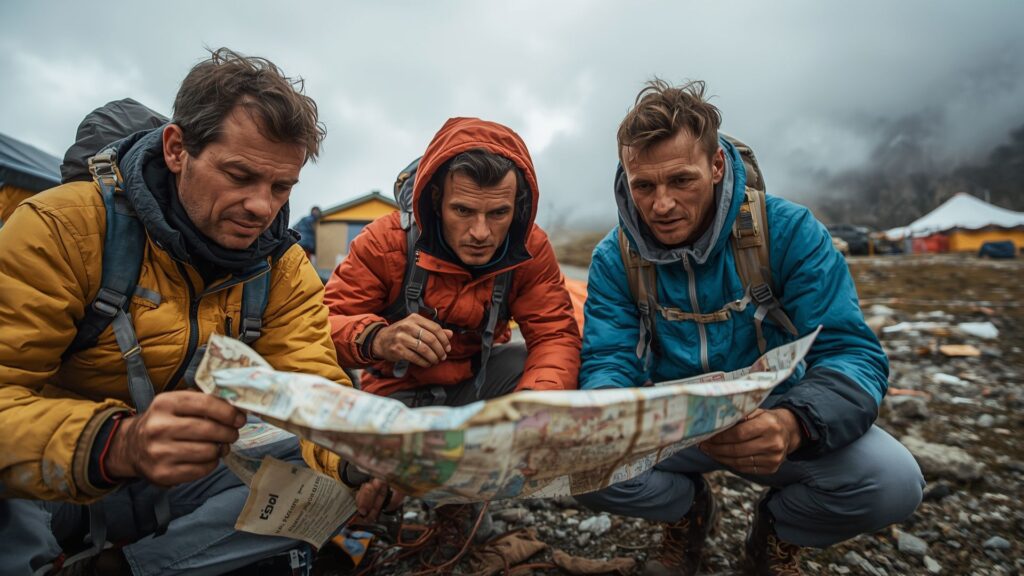
Planning pitfalls derail even well-intentioned efforts. Understanding these common mistakes helps create more robust planning frameworks.
Over-Planning Without Action
Analysis paralysis strikes when planning becomes a substitute for action. Some people spend months perfecting their plan whilst never taking the first step. Set a planning deadline. Once you’ve developed a solid framework with clear next steps, begin execution. You can refine your plans as you progress, learning from real-world feedback rather than theoretical scenarios.
Under-Estimating Time Requirements
Most people dramatically underestimate how long tasks take. This optimism bias creates unrealistic plans that guarantees failure. Add buffer time to your plans. Pat Falvey’s Island Peak and Everest Base Camp expeditions include contingency days for weather delays or health issues. Apply the same principle by adding 20-30% buffer time to major milestones.
Ignoring Dependencies
Tasks often depend on completing previous steps first. Plans that ignores these dependencies creates impossible timelines. Map out which tasks must happen sequentially versus which can run parallel. Expedition planning sequences tasks logically: fitness training before departure, gear acquisition before packing, acclimatisation before summit attempts.
Planning Alone
Solo plans misses valuable perspectives. Discussing your plans with experienced people reveals blind spots and generates ideas you wouldn’t have considered independently. Pat Falvey’s safari and Zanzibar adventures combine expertise from local guides, logistics coordinators, and safety specialists. This collaborative planning approach reduces risk and improves outcomes.
Turning Your Plan Into Reality
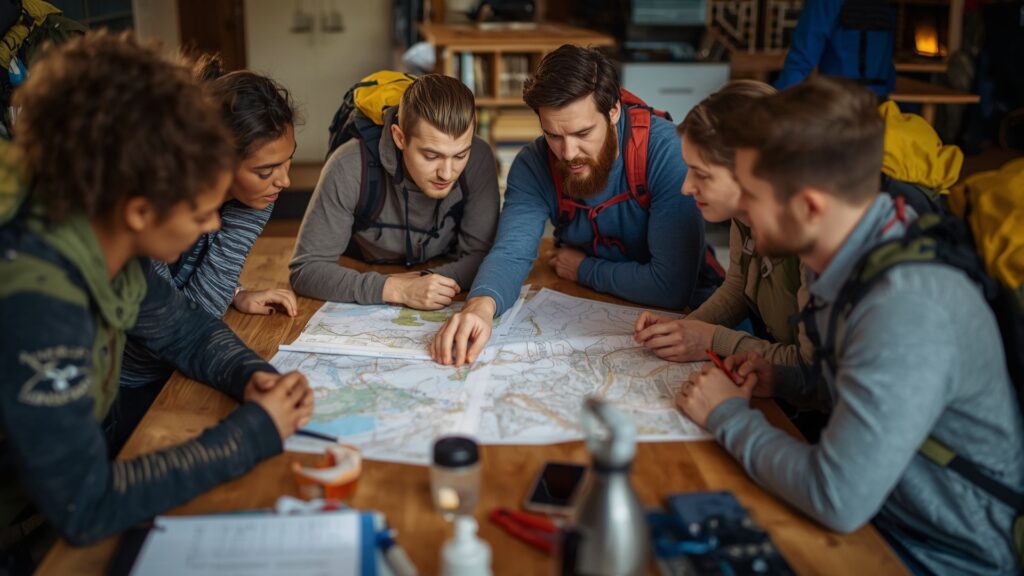
Planning creates the roadmap, but execution delivers results. The transition to action requires specific strategies that maintain momentum and overcome obstacles.
Start your execution with a quick win. Completing an easy task builds confidence and creates momentum. Schedule weekly reviews to assess progress, celebrate wins, identify obstacles, and adjust tactics. These reviews transform planning from a static document into a dynamic tool that evolves with your journey.
Share your plans with someone who will hold you accountable. Regular check-ins create external motivation that complements internal drive. Planning should include celebration points at key milestones. This positive reinforcement maintains motivation during long-term execution.
Consider treating yourself to a gift voucher for an adventure experience when you hit major milestones. This creates tangible rewards that make the journey enjoyable.
FAQs
Planning detail should match goal complexity. Simple objectives need basic planning with a few key steps. Complex goals require comprehensive planning with multiple milestones and contingencies.
Review and adjust your planning based on real feedback. Analyse what’s failing, then modify your approach rather than abandoning your goal entirely.
Review planning weekly for short-term goals and monthly for long-term objectives. Annual reviews evaluate overall direction and set new objectives.
Effective planning creates freedom rather than restricting it. When you’ve planned essential tasks, you know exactly when you have free time for spontaneity.
Goal-setting defines your destination. Planning maps the route to get there. A goal might be climbing Mount Toubkal, whilst planning includes training schedules, gear acquisition, and travel arrangements.