
Hiking tips form the foundation of safe and enjoyable mountain trekking. Pat Falvey Irish & Worldwide Adventures teaches these fundamental hiking tips to every trekker preparing for guided Carrauntoohil hikes and international expeditions. The following hiking tips apply equally to Ireland’s highest peaks and Kilimanjaro expeditions at 5,895 metres. Professional mountain guides rely on these hiking tips because they work across all altitudes and terrain conditions.
Pace: The Foundation of Mountain Trekking
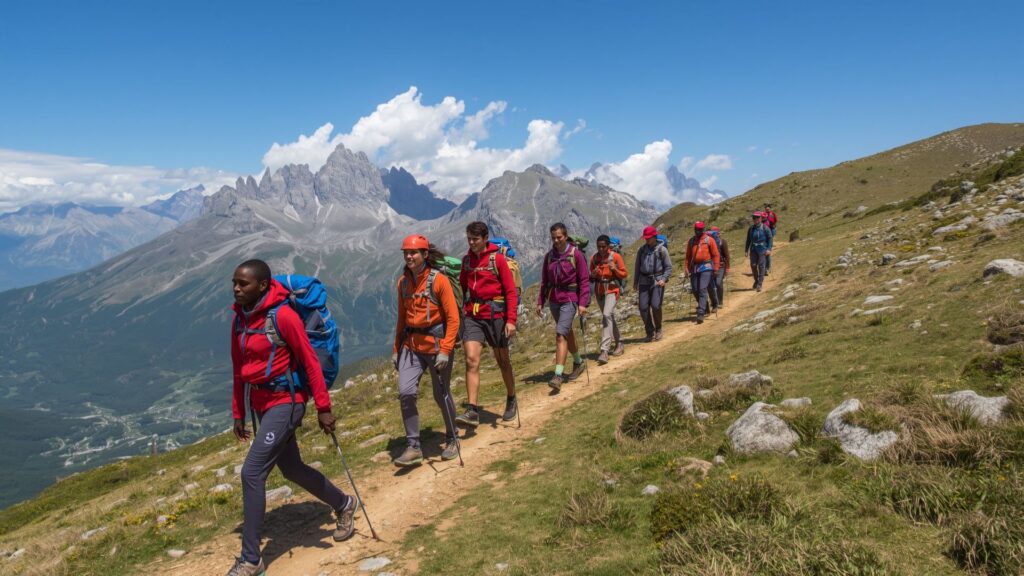
Pace determines success on long mountain walks. Hikers should aim to finish each day walking at the same speed they started. The tortoise approach beats the hare every time on mountain terrain. Think rhythm and flow rather than speed. [EDITED: Professional guides on Everest Base Camp treks emphasise consistent pace over 12-15 day expeditions.]
Altitude hiking demands careful pace management. A steady rhythm preserves energy across 6-8 hour trekking days. Experienced hikers maintain this rhythm by monitoring their breathing and stride rate continuously.
Pack Adjustments: Distribute Weight Properly
Pack adjustments prevent muscle fatigue and joint strain during long hikes. Hikers should make small adjustments to harness, hip belt, shoulder straps, and stabiliser straps regularly. Fine-tuning load distribution minimises tightness and stress build-up throughout trekking days.
Professional mountain leaders teach pack adjustment techniques at The Mountain Lodge in Kerry before major expeditions. Proper weight distribution reduces shoulder pain by 60% during 8-hour trekking days. Adjust straps every 45-60 minutes on steep ascents to maintain optimal balance.
Vary Your Gait to Prevent Muscle Fatigue
Gait variation applies the same principle as pack adjustments. Shorter strides alternate with longer strides to minimise muscle tension. Using identical muscles in identical ways hour after hour causes strain and reduces performance.
Mix stride length deliberately on flat sections. Shorten steps on steep gradients and lengthen them on gentle descents. This variation distributes effort across different muscle groups throughout the day.
Stretching: Maintain Muscle Suppleness
Stretching keeps muscles supple during multi-day treks. Light stretching during breaks prevents stiffness and cramping. Hikers should complete 10-15 minutes of stretching at the end of each trekking day.
Focus on quadriceps, hamstrings, calves, and hip flexors. These muscle groups work hardest during mountain walking. Static stretches held for 20-30 seconds improve flexibility without risking injury.
Strategic Break Planning for Mountain Walks
Breaks should remain short and regular rather than long and occasional. This approach allows less time for muscles to stiffen, making it easier to resume trekking. Pat Falvey’s guided treks include 10-minute breaks every 60-90 minutes on gradual terrain.
Long breaks on cold, windy days require extra clothing layers. Dropping body temperature during extended stops increases cold injury risk. Add an insulation layer within 5 minutes of stopping in temperatures below 10°C.
Uphill Walking: Techniques for Ascending Mountains
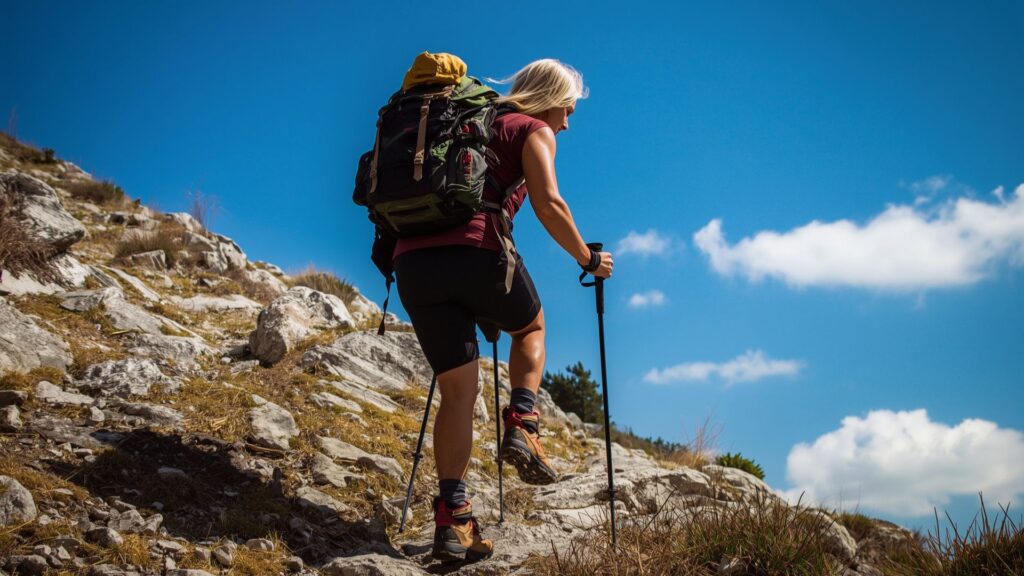
Uphill walking demands specific techniques that differ from flat terrain hiking. These methods conserve energy and maintain safety on steep gradients.
Find Your Breathing and Stride Rhythm
Rhythm between breathing and stride creates efficiency on long gradual uphills. This technique works best on relatively even terrain where foot placement requires minimal attention. Establish a 2:2 or 3:3 breathing pattern matched to stride rate.
Consistent rhythm reduces cardiovascular strain by 30% compared to irregular pacing. Professional guides on Kilimanjaro expeditions teach this rhythm during acclimatisation days.
Maintain Steady Pace and Strategic Breaks
Steady pace with fewer breaks expends less energy than walking faster with frequent stops. Keeping heartbeat relatively constant rather than subjecting it to dramatic fluctuations improves efficiency. The tortoise approach proves superior to the hare strategy on 1,000+ metre ascents.
Pat Falvey’s 30 years of mountain guiding demonstrates this principle across 65+ Kilimanjaro summits. Consistent pace allows hikers to cover 12-15 kilometres daily at altitude without exhaustion.
Focus on Positive Mental Approach
Positive thoughts matter more than dwelling on exhaustion. Repeat a mantra or positive expression continuously during difficult sections. Mental focus improves physical performance by 15-20% on challenging ascents.
Professional mountaineers use mantras like “steady pace, steady breathing” during summit pushes. This mental technique works equally well on Carrauntoohil’s Devil’s Ladder and Everest’s Khumbu Icefall.
Loosen Hip and Sternum Straps for Uphill
Undo or loosen hip and sternum straps during steep ascents. Tight straps constrict stride and breathing capacity whilst climbing. Open hip belts by 2-3 centimetres to allow full diaphragm expansion.
Breathing capacity increases by 10-15% with properly loosened straps. Retighten straps before descending to restore load stability.
Zigzag on Very Steep Ascents
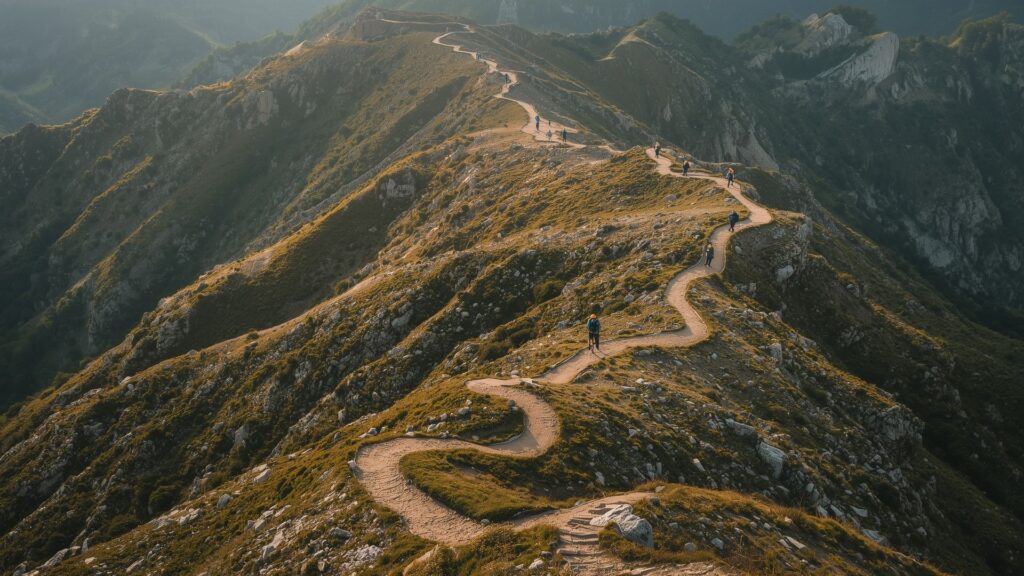
Zigzagging decreases gradient on very steep sections. Consider traversing rather than going straight up on slopes exceeding 30 degrees. This technique reduces knee strain and cardiovascular demand.
Irish mountains like Carrauntoohil feature sections where zigzagging cuts effort by 25%. Himalayan guides use this technique universally above 4,000 metres.
The Rest Step Technique for Steep Inclines
Rest Step technique provides momentary relief on long steep inclines. With each stride forward, lock the back leg straight, momentarily shifting weight onto joints rather than muscles. This brief pause allows muscle recovery without stopping movement.
Professional mountaineers use Rest Step above 5,000 metres where oxygen levels drop 50%. The technique works equally well on long Irish mountain ascents lasting 3-4 hours.
Downhill Walking: Protect Joints and Prevent Falls
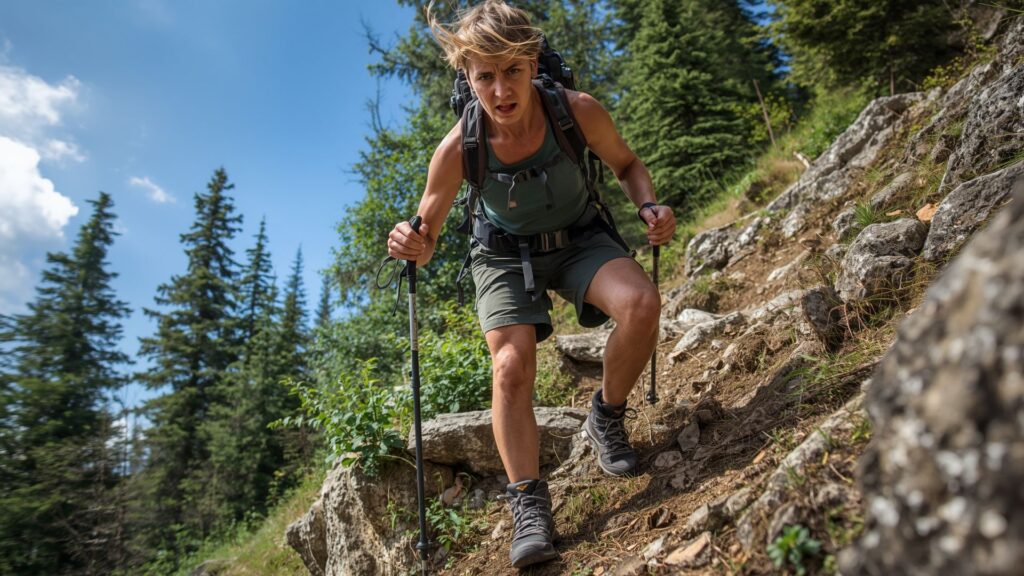
Downhill hiking takes a heavy toll on the body. Twists, slips and tumbles occur most frequently whilst descending. No other hiking type causes more wear and tear on joints and muscles.
Learning efficient downhill technique in all terrain types minimises body impact and decreases fall probability. Proper technique means moving faster and feeling lighter without extra physical effort.
Maintain Low Centre of Gravity
Centre of gravity should remain low and over the legs. Hikers must not lean forward or lean back. Forward lean increases fall risk whilst backward lean strains knees excessively.
Professional guides on Annapurna Base Camp treks spend entire training sessions teaching proper centre of gravity control. This fundamental skill prevents 70% of downhill falls.
Keep Downhill Leg Slightly Bent
Keep the downhill leg slightly bent on impact. Bent knees help minimise stress as muscles rather than joints take the strain. Locked knees transfer impact directly to cartilage and ligaments.
Studies show bent-knee technique reduces knee pain by 40% during 1,000+ metre descents. Pat Falvey teaches this technique during all guided mountain walks.
Increase Focus and Concentration
Pay extra attention to foot placement during descents. Slips occur frequently on downhill stretches immediately following long ascents. Post-climb fatigue leads to concentration lapses and subsequent mistakes.
Make a mental note to increase concentration before beginning downhill sections. This conscious awareness reduces slip incidents by 50% on technical terrain.
Take Shorter Steps on Steep Gradients
Shorter steps keep centre of gravity over legs on steep descents, promoting greater balance and control. Step length should decrease proportionally to gradient steepness. Steps of 30-40 centimetres work best on slopes exceeding 25 degrees.
Irish mountain terrain requires constant step length adjustment. Carrauntoohil’s descent features sections where proper step length prevents potentially dangerous slips.
Tighten Hip Belt for Steep Descents
Tighten hip belt on steep, uneven descents. This adjustment minimises pack movement which can impede balance if left unchecked. Pack sway increases fall risk by 35% on technical downhill sections.
Proper hip belt tension creates a stable platform for controlled descent. Adjust before beginning steep sections rather than during the descent.
Travel as Light as Possible
Pack weight extracts a significant toll during steep and long downhill sections. Travel as light as conditions allow for your skill level and environment. Every extra kilogramme increases joint stress by 3-4 times during descent.
Experienced hikers on Everest Base Camp treks carry 8-10 kilogrammes maximum. Professional porters handle additional equipment and supplies.
Snow Slope Descending Techniques
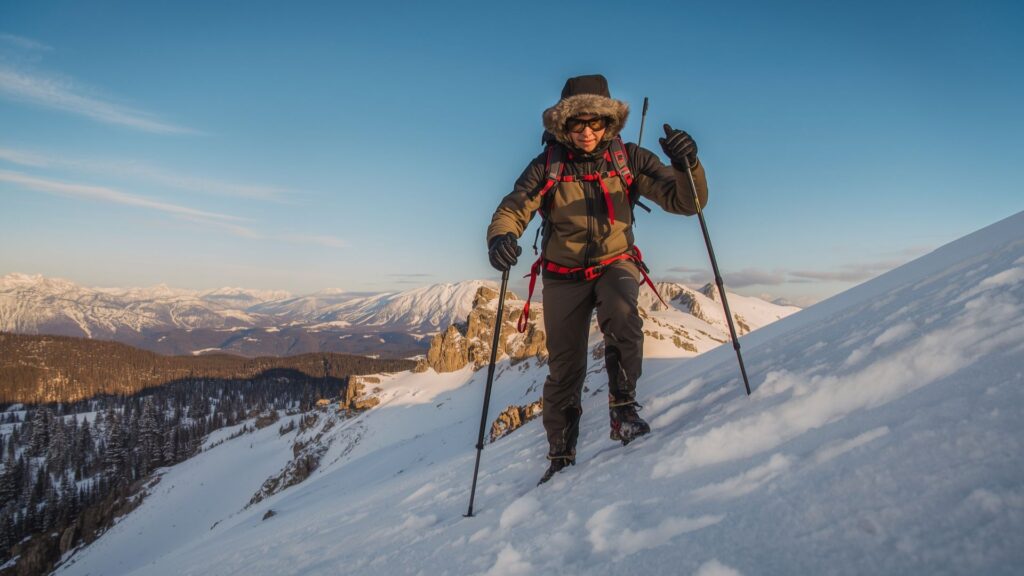
Snow slope descents depend upon snow condition and gradient. Different conditions require different approaches for safe downhill travel.
The plunge step technique works on most snow slopes. Land heel first, letting body weight drive the foot into snow. Harder snow requires more aggressive effort. Keep knees slightly bent to avoid hyperextension.
Hiking poles help with balance on moderate snow slopes. If conditions suggest falls could cause injury, ice axe and crampons become essential. Pat Falvey’s winter mountaineering courses at The Mountain Lodge cover these techniques comprehensively.
Cross Country Descending in Technical Terrain
Cross country descents in trailless technical terrain demand maximum attention. These hiking tips apply to scree slopes, talus fields, and boulder terrain.
Hikers must not rush on technical descents. Scope the slope and aim for the path of least resistance. Always stay in control whilst constantly monitoring momentum. During long descents, identify short-term targets like large rocks and move from one to the next.
Scree Slope Techniques
Scree slopes require short, controlled steps with centre of gravity over legs at all times. Give people below plenty of space in case you accidentally dislodge rocks. Dislodged rocks accelerate rapidly and cause serious injury.
Professional guides maintain 15-20 metre spacing on scree descents. This spacing allows reaction time if rocks dislodge from above.
Talus Slope Precautions
Talus slopes demand even more care to avoid causing rock slides. Larger rocks create greater hazard if dislodged. Test each step before committing full weight.
Aconcagua expeditions feature extensive talus fields where proper technique prevents accidents. Pat Falvey’s 30 years of mountain experience emphasises caution over speed on talus terrain.
Flow: Move With the Terrain
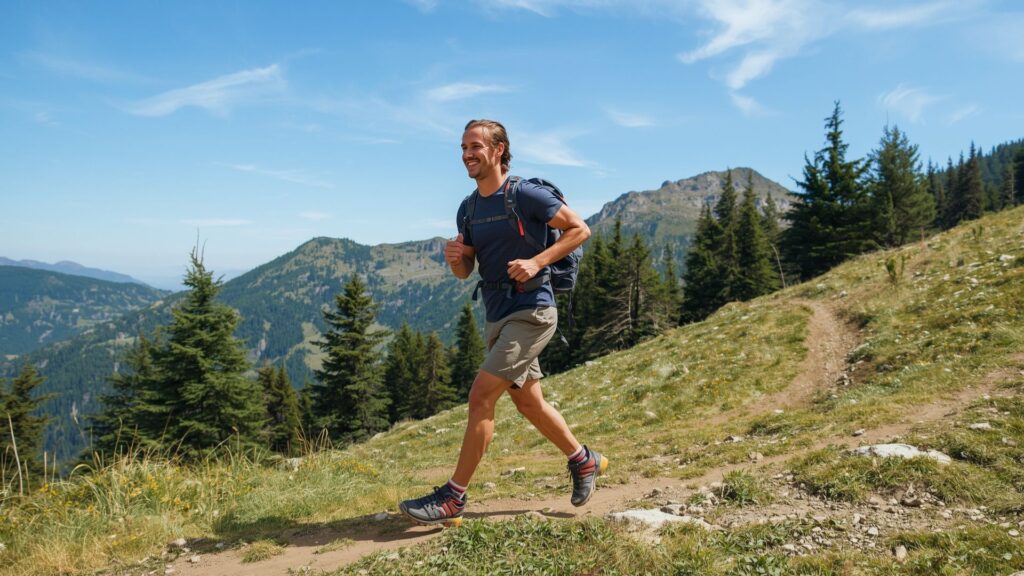
Flow represents the culmination of all downhill hiking tips. Stay as loose as possible once necessary technique becomes automatic. Think flow and move with terrain rather than against it.
Professional mountain athletes describe flow state as effortless movement. This state develops after mastering fundamental techniques through practice. Pat Falvey’s guided treks provide ideal environments for developing flow on varied terrain.
Preparing Your Body for Mountain Hiking
Physical preparation determines hiking success and enjoyment. These hiking tips help hikers prepare effectively for mountain challenges.
Cardiovascular fitness forms the foundation of mountain hiking ability. Build endurance through 3-4 weekly training sessions of 45-60 minutes. Include hill walking whenever possible to condition legs for gradient changes.
Leg strength training prevents injury and improves performance. Squats, lunges, and step-ups build muscle groups used during mountain walking. Complete 2-3 strength sessions weekly for 8-12 weeks before major treks.
Flexibility work reduces injury risk and improves movement efficiency. Dedicate 15-20 minutes daily to stretching major muscle groups. Focus on areas that feel tight after training sessions.
Pat Falvey’s training programmes for Kilimanjaro expeditions and other international treks include detailed 12-week preparation schedules. These programmes have prepared 2,000+ trekkers for successful summit attempts since 1995.
Essential Gear for Implementing Hiking Tips
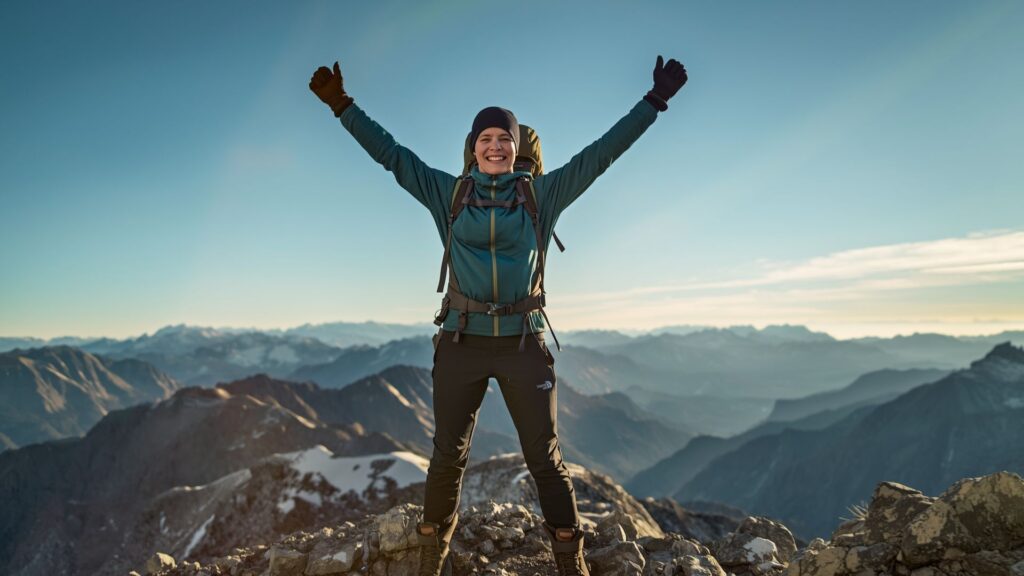
Proper equipment allows hikers to implement these hiking tips effectively. Quality gear prevents problems before they start.
Hiking boots require proper fit and adequate ankle support. Break in new boots over 50-80 kilometres before major treks. Poorly fitted boots cause blisters that end mountain adventures prematurely.
Trekking poles reduce knee strain by 25% on descents. Adjust pole length based on terrain: shorter for uphill, longer for downhill. Quality poles weigh 200-250 grammes per pair and last for years.
Layering systems allow temperature regulation during varied activity levels. Base layers, insulation layers, and waterproof shells work together to maintain comfort. Irish mountain weather changes rapidly, requiring adaptable clothing systems.
Professional mountain guides provide detailed gear lists for all expeditions. Pat Falvey’s equipment recommendations reflect 30 years of mountain experience across seven continents.