
Walking for 30 minutes three times per week improves cognitive function and reduces the risk of memory decline in older adults. Research from Duke University shows that regular walking increases brain blood flow and volume, protecting executive functions like attention and memory. This guide explains how walking benefits your brain and how to start a walking routine that protects cognitive health.
How Walking Benefits Brain Health
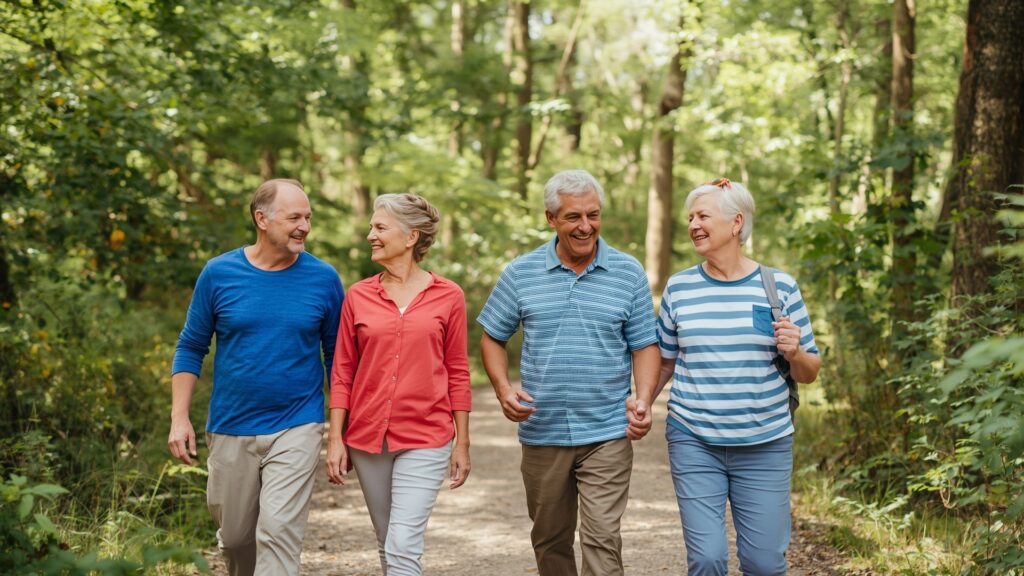
A brisk walk delivers more than cardiovascular benefits—it protects and improves brain function. Research demonstrates that walking increases blood flow to the brain, which reduces the risk of cognitive decline. Duke University researchers followed 160 older adults who showed evidence of cognitive impairment and found that walking for 30 minutes three times per week improved their cognitive abilities across multiple measures.
James A. Blumenthal, PhD, professor of psychiatry at Duke University, explains that exercise increases brain volume and blood flow. These physiological changes directly impact executive functions of the brain, including attention span, focus, and memory. The brain requires approximately 20% of the body’s oxygen supply, and walking delivers this oxygen more efficiently through improved circulation.
Walking creates a cascade of neurological benefits. The increased blood flow delivers oxygen and nutrients to brain cells while removing metabolic waste products. This process supports the growth of new blood vessels in the brain and may stimulate the production of brain-derived neurotrophic factor (BDNF), a protein that promotes the survival of existing neurons and encourages the growth of new ones.
The Research Behind Walking and Cognitive Function
Multiple studies confirm walking’s protective effects on brain structure and function. A decade-long study found that walking five miles per week had a measurable protective effect on brain structure. Older adults with mild cognitive impairment and Alzheimer’s disease who walked regularly experienced a slower decline in memory loss over five years compared to those who walked less.
The protective mechanism works through several pathways. Walking reduces inflammation throughout the body, including in the brain. Chronic inflammation contributes to cognitive decline and neurodegenerative diseases. Regular walking also improves insulin sensitivity and glucose metabolism, both of which affect brain health. The brain consumes approximately 25% of the body’s glucose, and walking helps regulate this fuel supply.
Walking also stimulates the hippocampus, the brain region responsible for memory formation and spatial navigation. Studies using MRI scans show that regular walkers maintain larger hippocampal volumes compared to sedentary individuals. This difference becomes particularly significant after age 60, when the hippocampus typically begins to shrink by approximately 1-2% annually.
Starting Your Walking Routine for Brain Health
Blumenthal emphasises that it’s never too late to start walking to ward off cognitive decline. “Walking is a simple, cost-effective way to reduce long-term health risks,” he states. [NEW] The key lies in consistency rather than intensity. Three 30-minute walks per week provide measurable benefits, though daily walking offers even greater protection.
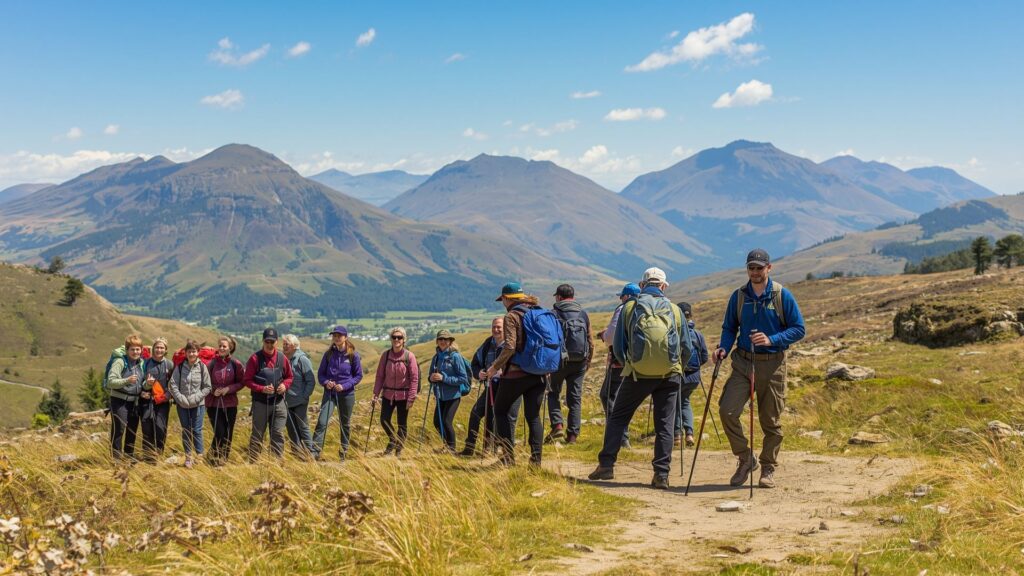
[NEW] Begin with achievable goals if you’re starting from a sedentary baseline. Walk for 10 minutes three times per week during the first week, then increase by 5 minutes weekly until you reach 30 minutes per session. Choose routes that interest you—coastal paths, forest trails, or urban parks. Pat Falvey Irish & Worldwide Adventures offers guided Carrauntoohil hikes and walking programmes throughout Kerry’s diverse landscapes, providing structured walking experiences that combine physical activity with natural beauty.
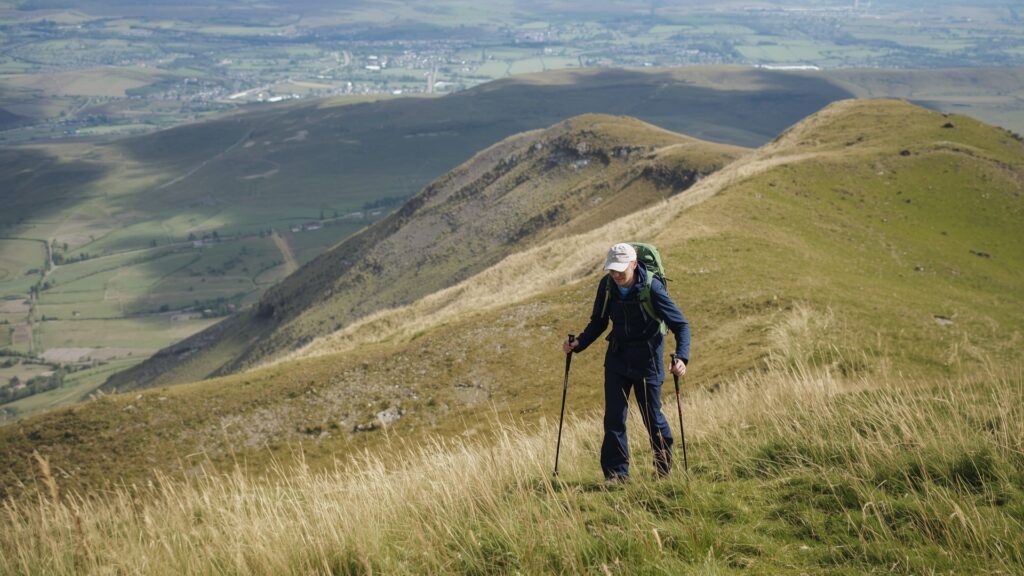
Walking outdoors provides additional cognitive benefits compared to indoor treadmill walking. Natural environments reduce mental fatigue and improve attention restoration. The varied terrain of outdoor walking also engages proprioception and balance systems, which strengthen neural pathways. Kerry’s MacGillycuddy’s Reeks and surrounding areas offer terrain that ranges from gentle lakeside paths to challenging mountain approaches, allowing walkers to progress at their own pace.
Combining Walking with Adventure for Maximum Benefit

[NEW] Walking as part of adventure experiences amplifies the cognitive benefits. Multi-day treks like the Camino de Santiago combine sustained aerobic activity with novel experiences, social interaction, and purposeful goals—all factors that stimulate brain health. The mental challenge of navigation, the social engagement of group travel, and the psychological reward of completing objectives create a comprehensive brain-training environment.
[NEW] Pat Falvey Irish & Worldwide Adventures designs walking expeditions that progress participants’ abilities while maintaining appropriate challenge levels. These range from day hikes in Kerry to multi-week treks in the Himalayas. Annapurna Base Camp treks and Everest Base Camp expeditions provide extended walking experiences at altitude, where the combination of physical exertion and thin air requires increased mental focus and adaptation.
[NEW] The cognitive demands of mountain walking exceed those of flat terrain walking. Route-finding, assessing weather conditions, managing pace, and making safety decisions all engage executive function. These challenges maintain brain plasticity—the brain’s ability to form new neural connections throughout life. Pat Falvey’s guided expeditions teach these skills systematically, building both physical capacity and decision-making abilities.
Walking Programmes at The Mountain Lodge
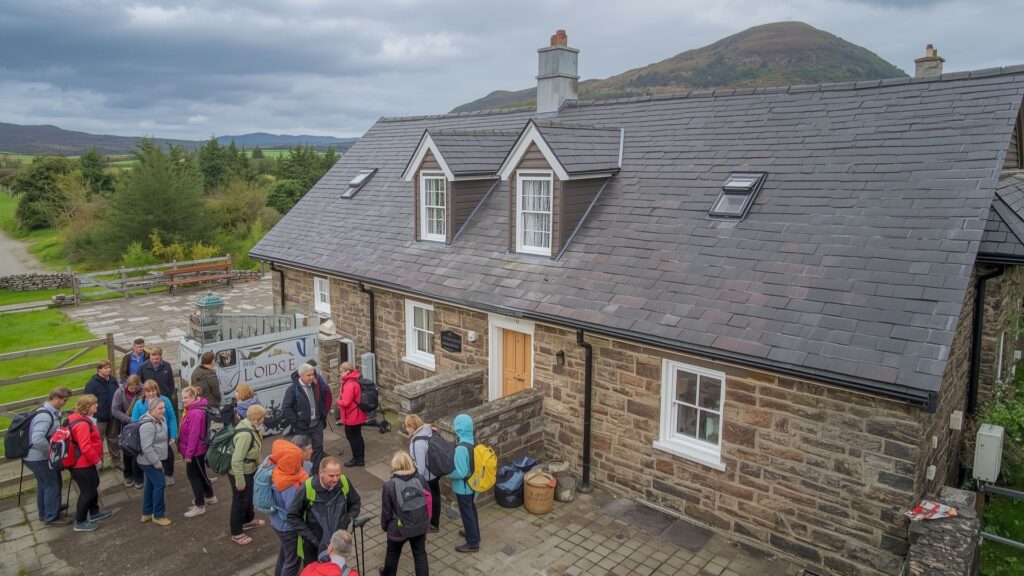
[NEW] The Mountain Lodge in Beaufort, County Kerry, serves as a base for structured walking programmes that support brain health alongside physical fitness. The location provides immediate access to walking routes that range from 30-minute riverside paths to full-day mountain circuits. Weekly walking programmes combine guided sessions with nutritional support and recovery practices that optimise the neurological benefits of exercise.
[NEW] The Forever Young Club, based at The Mountain Lodge, offers walking-focused retreats specifically designed for adults over 50 who want to maintain cognitive function and physical capability. These programmes combine daily walking with educational sessions on brain health, nutrition for cognitive function, and techniques for maintaining an active lifestyle. Participants typically complete 10-15 kilometres of walking daily across varied terrain, with routes adapted to individual fitness levels.
The Social Element of Walking
[NEW] Group walking provides cognitive benefits beyond the physical activity itself. Social interaction during walks stimulates different brain regions than solitary exercise. Conversation while walking requires multitasking—maintaining pace and navigation while processing language and social cues. This cognitive load strengthens neural networks and may provide additional protection against dementia.
[NEW] Pat Falvey has guided over 2,000 people on expeditions worldwide, creating walking communities that maintain connections long after expeditions end. These social networks encourage sustained walking habits. Research shows that people who walk in groups maintain their exercise routines more consistently than solo walkers, and consistency determines the magnitude of cognitive benefits.
Practical Tips for Brain-Healthy Walking
Maximise the cognitive benefits of your walks by incorporating these evidence-based practices:
Vary your routes regularly. Novel environments stimulate different neural pathways compared to repetitive routes. The brain engages more actively when processing new visual information and navigating unfamiliar terrain. Explore different trails around Kerry or join expeditions to locations like Mount Toubkal in Morocco.
Walk mindfully. Pay attention to your surroundings, breathing, and body sensations rather than walking on autopilot. Mindful walking activates the prefrontal cortex, the brain region responsible for executive function and emotional regulation.
Include hills and elevation changes. Varied terrain requires greater coordination and balance, which engage the cerebellum and motor cortex. Carrauntoohil’s graded routes provide options from moderate slopes to technical scrambles.
Set progressive goals. Working toward objectives like completing a specific distance or reaching a summit activates the brain’s reward systems. This motivation strengthens habit formation and encourages continued participation. Consider a gift voucher for a guided walking experience as a meaningful present that supports long-term health.
Walk early in the day. Morning walks optimise circadian rhythms, which affect cognitive performance. Early exercise also improves sleep quality, and sleep consolidates memory and clears metabolic waste from the brain.
Long-Term Walking for Lasting Cognitive Protection

The protective effects of walking accumulate over years and decades. Adults who maintain regular walking habits throughout middle age show significantly better cognitive performance in their 70s and 80s compared to sedentary peers. The five-mile weekly threshold identified in research represents a minimum effective dose—more walking provides greater protection up to approximately 15 miles per week, beyond which additional benefits plateau.
Walking also reduces risk factors for cognitive decline beyond its direct brain effects. Regular walkers maintain healthier blood pressure, cholesterol levels, and body weight—all factors that influence brain health. Walking reduces the risk of stroke, which causes approximately 20% of dementia cases. The cardiovascular system and nervous system age in parallel, and walking protects both simultaneously.
Pat Falvey’s expeditions to Kilimanjaro and other challenging objectives demonstrate that walking capacity can be maintained and improved regardless of starting age. Falvey has guided climbers in their 60s, 70s, and beyond to summits worldwide, proving that appropriate training and progression allow sustained participation in demanding walking activities throughout life.