
Travel insurance provides essential financial protection for adventure activities with Pat Falvey Irish and Worldwide Adventures. Specialist policies cover rescue, repatriation, and emergency medical expenses for mountain expeditions and international treks. This guide explains the coverage requirements, recommended providers, and what to look for in an adventure travel insurance policy.
To be adequately protected by travel insurance, you will need a specialist policy that caters for the activities you will undertake on your trip with Pat Falvey Irish and Worldwide Adventures. Specialist travel insurance policies differ significantly from standard holiday insurance because they cover high-altitude trekking, mountaineering, and rescue operations in remote locations.
It is a requirement of Pat Falvey’s booking conditions that you have such a policy and that you provide a copy to the company before you travel. The policy must include suitable cover for rescue and repatriation and emergency medical expenses. Pat Falvey Irish and Worldwide Adventures operates expeditions to destinations including Kilimanjaro, Everest Base Camp, and Carrauntoohil, where comprehensive insurance coverage protects clients in case of altitude sickness, injury, or medical emergencies.
Why Specialist Travel Insurance Is Essential for Adventure Travel
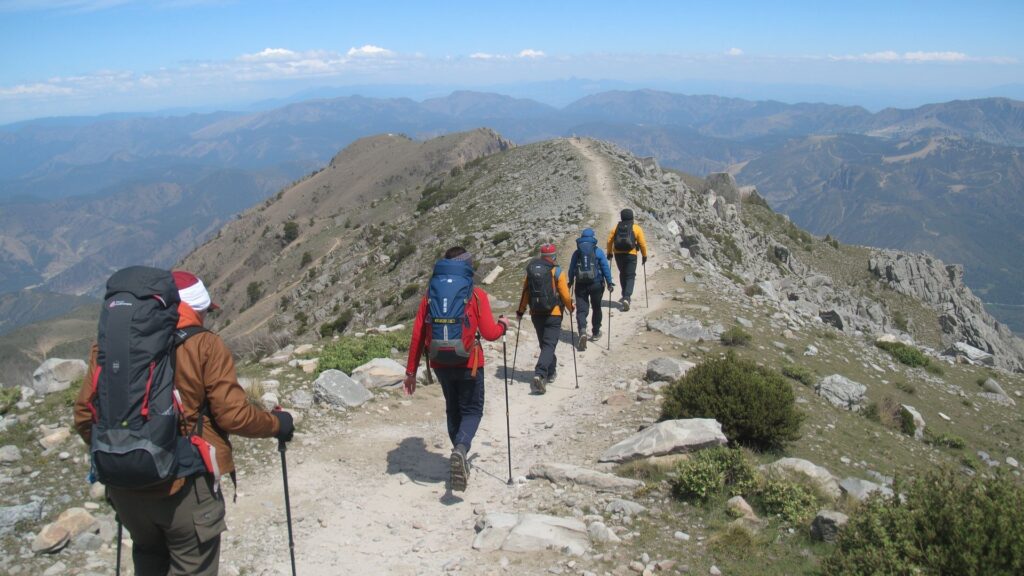
Adventure travel insurance differs from standard policies in several critical ways. Standard holiday insurance typically excludes activities above 3,000 metres altitude, mountaineering, trekking with technical equipment, and helicopter rescue operations. Pat Falvey’s expeditions operate in environments where these exclusions would leave clients completely unprotected.
Specialist adventure travel insurance policies include coverage for altitudes up to 6,000 metres or higher, trekking and mountaineering activities, helicopter evacuation from remote locations, search and rescue operations, and medical treatment in countries with high healthcare costs. These policies recognise that mountain rescue in Nepal can cost £15,000-£25,000, while helicopter evacuation from Kilimanjaro ranges from £8,000-£12,000.
Pat Falvey Irish and Worldwide Adventures has guided over 2,000 clients to mountain summits across 30 years of operation. The company requires specialist travel insurance because the remote nature of these expeditions means standard emergency services are unavailable.
Emergency Contact Requirements in Your Travel Insurance Policy
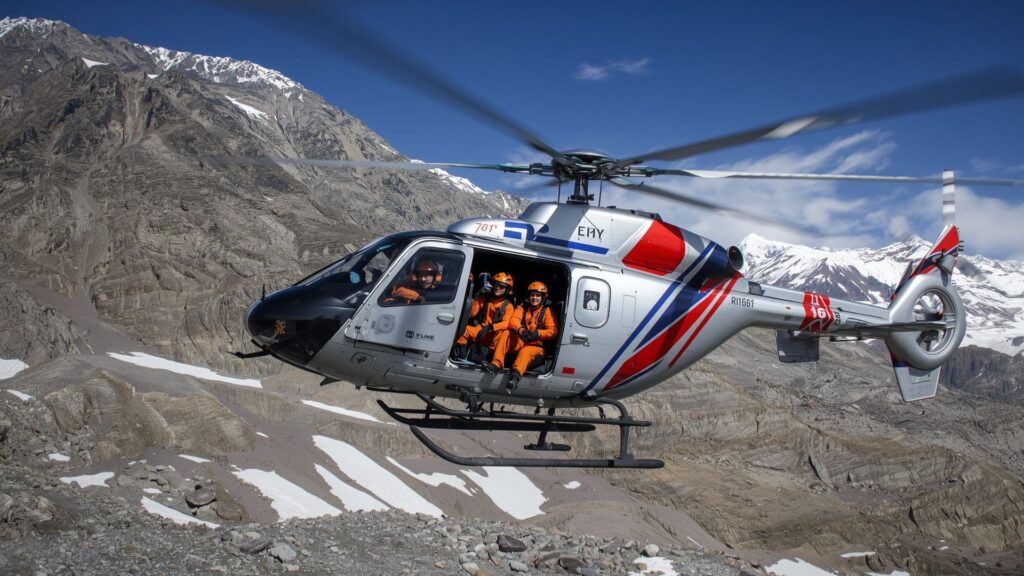
In case of emergency, most insurance companies demand that you get their permission before medical assistance or helicopter evacuation is called for, or they will not cover the cost. This requirement creates significant challenges in remote mountain environments where mobile phone coverage is absent and satellite communication is limited.
Obviously, even with modern communications, given the remote parts of the world Pat Falvey Irish and Worldwide Adventures travels to, this might not be possible. Mountain expeditions to locations such as Island Peak and Aconcagua operate beyond reliable communication infrastructure. Emergency situations in these environments require immediate action rather than delayed authorisation.
Please make sure that your insurer agrees to pay for any search, rescue or medical treatment even if it has not been possible to contact them beforehand. This clause should be explicitly stated in your travel insurance policy documents. Without this provision, you may face refused claims for emergency medical treatment or rescue operations that saved your life.
Pat Falvey’s expedition leaders carry satellite phones for emergency communications, but weather conditions, terrain, and technical failures can prevent contact with insurance providers. Your travel insurance policy must include a waiver that permits emergency medical treatment and rescue operations without prior authorisation in life-threatening situations.
What Your Travel Insurance Policy Must Cover
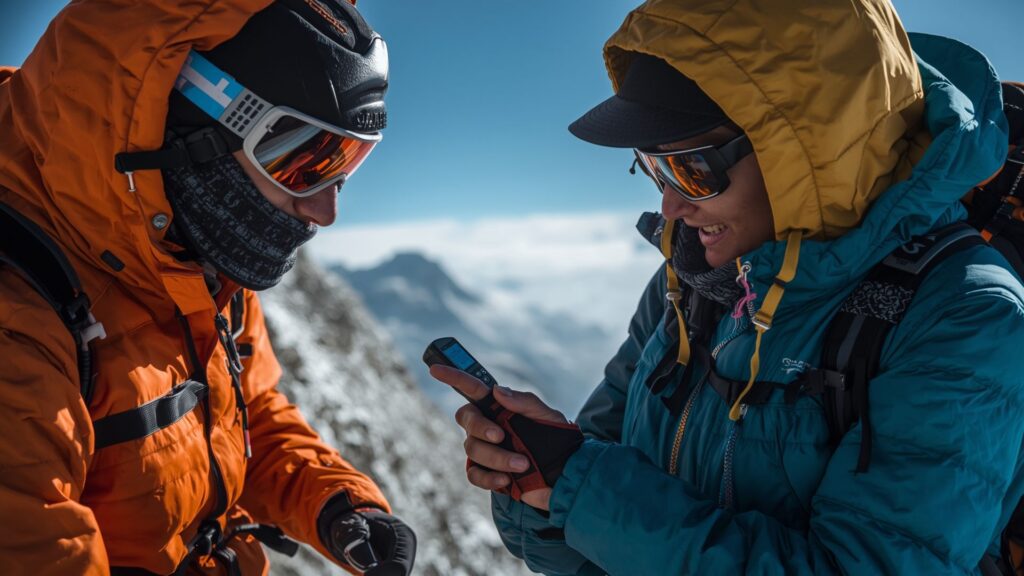
Comprehensive travel insurance for mountain expeditions requires several mandatory coverage elements. Medical expenses coverage should extend to at least £5 million for destinations outside Europe, as treatment costs in private hospitals in Nepal, Tanzania, and South America can be substantial. Emergency repatriation coverage must include air ambulance services and medical escorts for return to Ireland.
Search and rescue operations coverage is essential for mountain environments. This element covers the cost of helicopter evacuation, ground rescue teams, and search operations if clients become separated from their group. Coverage limits for rescue operations should exceed £50,000, as complex mountain rescues involving multiple helicopters and rescue personnel generate significant costs.
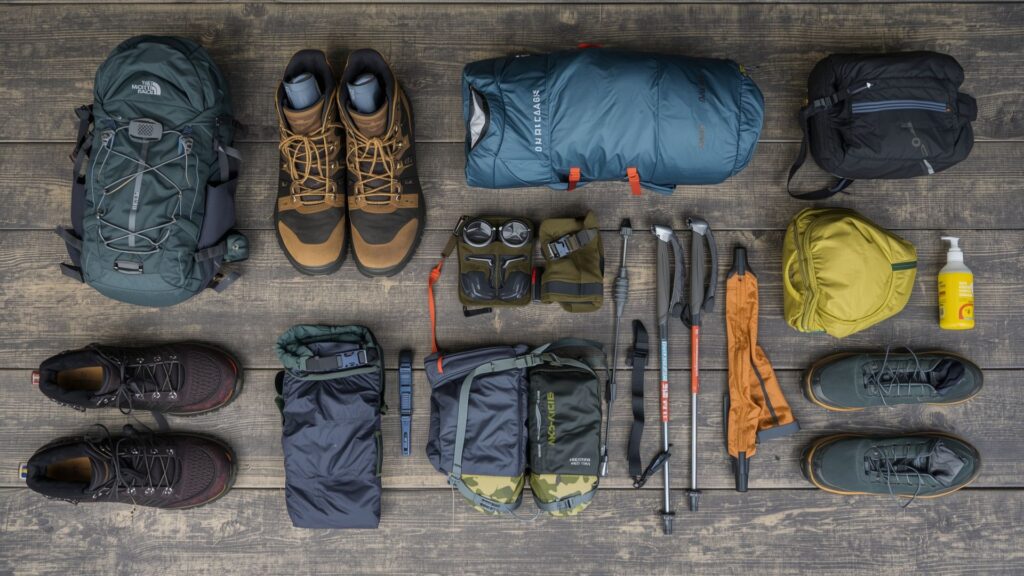
Personal accident coverage provides compensation for permanent injury or death during the expedition. Trip cancellation and curtailment coverage protects your financial investment if illness or injury forces you to cancel before departure or return home early. Equipment coverage protects specialised trekking and mountaineering gear, which can represent investments of several thousand pounds.
Recommended Travel Insurance Providers for Adventure Activities
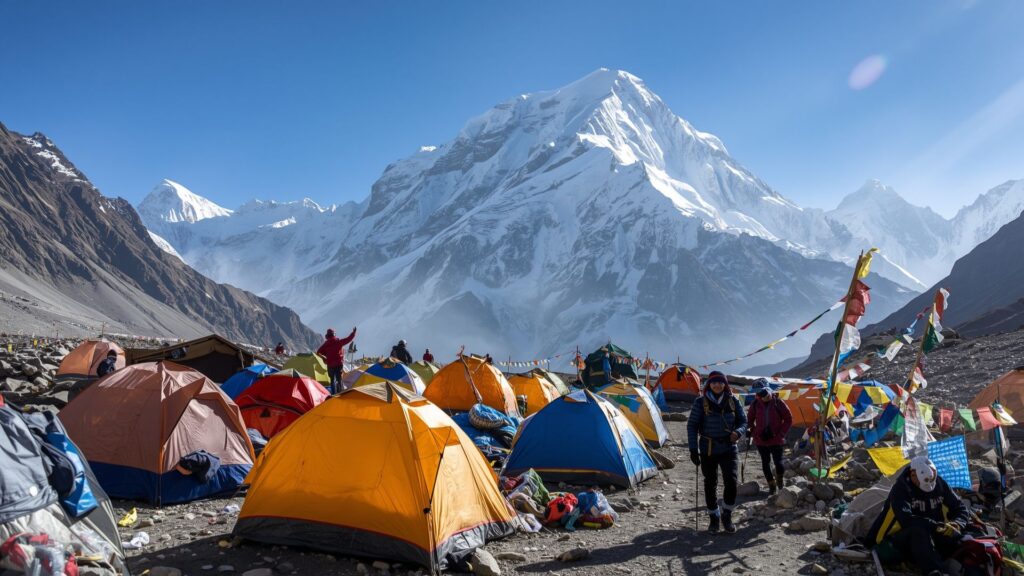
You may already have an Annual Policy that covers you for your trip, or you could contact one of the following insurers who specialise in adventure travel insurance:
The BMC (British Mountaineering Council)
The BMC provides travel insurance specifically designed for mountaineering and trekking activities. BMC policies cover altitudes up to 7,000 metres, including technical climbing and mountaineering with ropes and ice axes. The BMC insures UK and Irish residents for expeditions worldwide, with no upper age limit for standard trekking activities. BMC travel insurance includes unlimited medical expenses, repatriation coverage, and comprehensive rescue and evacuation cover.
Blue Insurance
Blue Insurance offers specialist policies for adventure sports and activities, including mountaineering, trekking, and high-altitude expeditions. Their policies cover activities up to 6,000 metres altitude and include options for extending coverage to higher peaks. Blue Insurance provides tailored policies for Irish residents travelling to destinations across Africa, Asia, and South America. Clients trekking to Mount Toubkal or African expeditions will find Blue Insurance policies provide appropriate coverage.
VHI
VHI Travel Insurance provides comprehensive policies for Irish residents undertaking adventure activities abroad. VHI policies include options for trekking and mountaineering coverage, with add-ons available for activities above 4,000 metres altitude. VHI offers both single-trip and annual multi-trip travel insurance policies. Annual policies provide cost-effective coverage for clients planning multiple expeditions throughout the year.
Other Insurance Providers
Other insurance providers are also available that specialise in adventure travel insurance. World Nomads, True Traveller, and Dogtag offer policies designed for trekking and mountaineering activities. When selecting travel insurance from any provider, verify that the policy explicitly covers your specific activities and destinations.
Understanding Policy Exclusions and Limitations
Travel insurance policies contain exclusions that can invalidate claims if overlooked. Pre-existing medical conditions represent the most common exclusion in adventure travel insurance. Clients with conditions such as asthma, diabetes, heart conditions, or previous altitude sickness must declare these to their insurer. Failure to disclose pre-existing conditions will result in refused claims for any related medical treatment.
Most policies exclude claims arising from alcohol or drug consumption. Activities outside the policy’s covered list will not be covered. If your Pat Falvey expedition includes optional activities such as Safari experiences, verify these are covered by your travel insurance policy.
Age limits apply to many travel insurance policies. Clients over 65 or 70 may face higher premiums or require specialist policies. Contact insurers directly to discuss age-related restrictions before booking your expedition.
What to Check Before Purchasing Travel Insurance
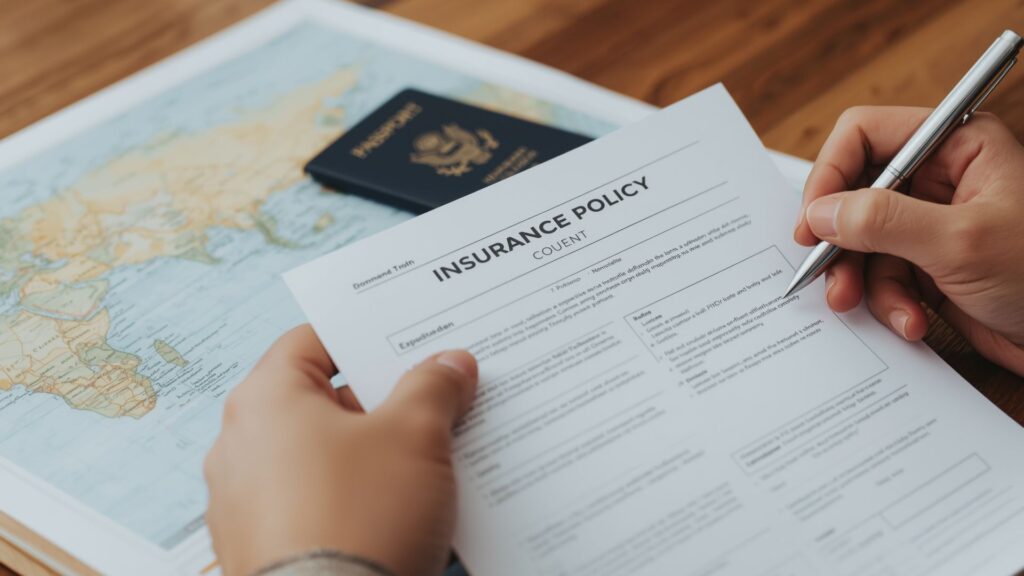
Before purchasing travel insurance, verify the policy covers your specific activities and destinations. Read the policy wording document, not just the marketing summary, as exclusions and limitations appear in the detailed terms and conditions. Check that mountaineering, trekking, and high-altitude activities are explicitly included, with altitude limits clearly stated.
Confirm the policy’s geographical coverage includes all countries on your itinerary. Expeditions to Nepal often include transit through Dubai or Doha, while African expeditions may involve stops in Amsterdam or Addis Ababa. Your travel insurance must cover medical emergencies in transit countries as well as your primary destination.
Review the excess amounts payable on claims. Standard excess amounts range from £75 to £150 per claim. Verify the policy includes baggage cover adequate for your trekking equipment. Check cancellation coverage includes all deposits and payments made to Pat Falvey Irish and Worldwide Adventures.
FAQs
Standard travel insurance policies do not cover mountain trekking above 3,000 metres or mountaineering activities. Pat Falvey expeditions require specialist adventure travel insurance that explicitly includes these activities.
Travel insurance for Kilimanjaro typically costs £80-£150 for a single 14-day trip. Annual multi-trip policies cost £180-£280 for most clients under 65 years old.
Your travel insurance provider’s 24-hour emergency assistance service coordinates helicopter rescue operations. Pat Falvey expedition leaders carry satellite phones to contact emergency assistance services when needed.
Travel insurance can be purchased any time before departure. Pat Falvey Irish and Worldwide Adventures recommends arranging travel insurance immediately after confirming your expedition booking for broader cancellation coverage.
Specialist adventure travel insurance policies cover medical treatment for altitude sickness, including emergency descent and evacuation. Pre-existing conditions affecting your susceptibility to altitude sickness must be declared.