
Achieving your goals starts with a simple truth that Pat Falvey’s grandmother shared with him as a child: if you think you can, you will, and if you think you can’t, you won’t. This saying demonstrates that with self-belief, a person achieves anything through positive thinking and determined action. Looking into a mirror and seeing what reflects back can be intensely difficult, especially if feelings of losing control overwhelm you. No matter what paths a person chooses throughout their life, change happens when wanted badly enough.
Life delivers success, failure, fear, frustration, pain, love, selfishness, passion, victory, death, and reflection. These experiences take any form in a person’s life, becoming good and bad influences. Pat Falvey has experienced many ups and downs throughout his life and continues to face them, but from as far back as he remembers, he has considered every day as a new adventure and looked forward to what it might bring despite all the challenges.
The journey from becoming a millionaire at 23 from working in construction to losing it all several years later through obnoxious behaviour and over-trading demonstrates the volatile nature of success. At 29 years old, Pat Falvey had come full circle from the boy of 15 who had left school without formal education, reaching a point where he attempted suicide. Taking a chance and deciding to go for a walk with a friend who was trying to help him changed his life, leading him to become an extreme adventurer, author, and motivational speaker. This transformation proves that achieving your goals becomes possible at any stage of life when commitment meets action.
The Foundation of Achieving Your Goals Through Self-Belief

Self-belief is key and we all have the power to change and succeed in life no matter what form it takes. Life can be all about firsts for a person in many varying ways which matter to them. When entering the world of extreme adventure, Pat Falvey achieved a number of firsts that demonstrate what becomes possible when achieving your goals drives every decision.
Pat Falvey became the first person in the world to complete the Seven Summits twice by climbing Everest from both its north and south sides. He became the first Irish person to summit an 8,000-metre mountain without oxygen, the first person to lead an Irish team across Greenland, the first person to lead an Irish team to the South Pole, and the first person from the Republic of Ireland to stand on the summit of Mount Everest.
These achievements may sound like boasting but they’re not. Anyone achieves a first or firsts but only the person themselves makes it happen. From his youth in Cork city’s north side to the joy at standing on the summit of Mount Everest, Pat Falvey had the self-belief that change happens. A person must want to explore their negative mindset in an effort to realise they can become who they really want to be. Exploring and managing mindset so that it becomes your friend and ally enables you to live your best life.
How Mindset Determines Success in Achieving Your Goals

The way to succeed is to have goals that you love. Being positive and surrounding yourself with positive people ignites change and creates momentum towards achieving your goals. For more than 30 years, Pat Falvey has been an adventurer who luckily got another chance at life and seized it with every bit of his being. Life is for living and he’s still learning, but anyone makes change happen for the good.
Pat Falvey paid the price and reaped the rewards for refusing to accept the restrictions he felt society placed on him throughout the decades of his life. Becoming the hero of your own life matters most. This principle applies whether you’re climbing Carrauntoohil, planning a Kilimanjaro expedition, or pursuing goals in business, health, or personal development.
Understanding how your mind works provides the foundation for success. Negative thoughts create negative results, whilst positive thoughts generate positive outcomes. This isn’t wishful thinking but rather a practical approach to achieving your goals through conscious mental management. The brain responds to what you feed it, so feeding it positive, achievable objectives creates a pathway to success.
Creating a Clear Plan for Achieving Your Goals
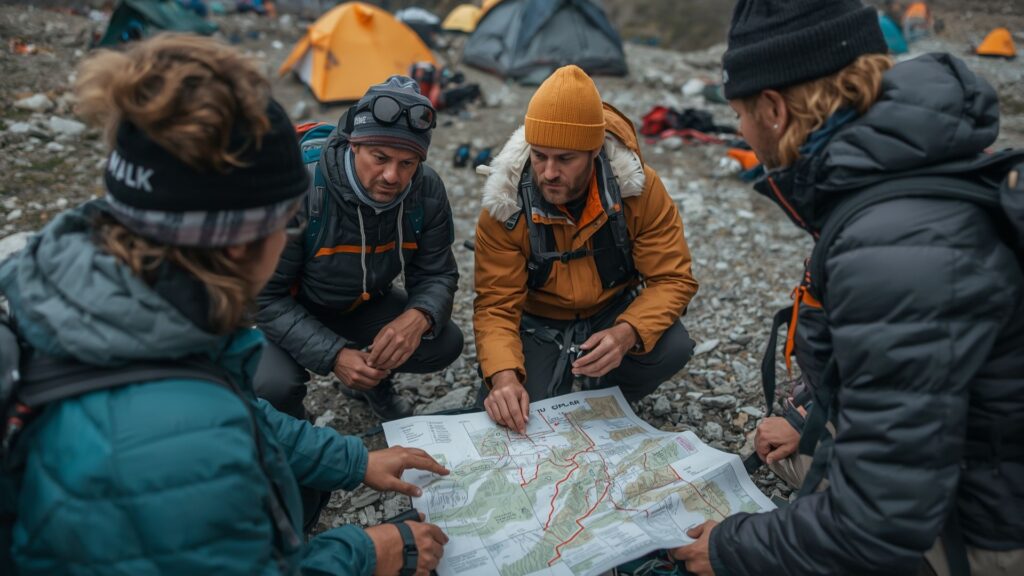
Achieving your goals requires more than just desire. It demands a structured approach that breaks down large ambitions into manageable steps. Pat Falvey’s approach to expedition planning demonstrates this principle in action. Before attempting any summit, he creates detailed plans that account for training, equipment, timing, team selection, and contingencies.
The same methodology applies to any goal. Start by defining exactly what you want to achieve. Vague ambitions like “be successful” or “get fit” lack the specificity needed for action. Pat Falvey didn’t aim to “climb some mountains”, he set specific targets: the Seven Summits, Everest from both sides, leading Irish teams to remote locations.
Break your main goal into smaller milestones. Each milestone becomes a stepping stone that builds confidence and momentum. When Pat Falvey guides people on Kilimanjaro treks, he breaks the climb into daily stages, each with specific objectives. This approach prevents overwhelm and creates a clear path forward. Apply this same principle to your goals by identifying the individual steps required to reach your ultimate destination.
Building the Habits That Support Achieving Your Goals

Achieving your goals depends on daily habits more than occasional bursts of motivation. Pat Falvey maintains his physical and mental fitness through consistent training routines developed over 30 years of expeditions. He trains regularly at The Mountain Lodge in Beaufort, County Kerry, where he prepares both himself and others for demanding adventures.
Success comes from what you do every day, not what you do once. Establish habits that align with your goals and maintain them regardless of how you feel on any given day. This discipline separates those who achieve their goals from those who merely talk about them. Pat Falvey has led 2,000+ people to various summits because he maintains the standards and routines that guarantee success.
Create an environment that supports your goals. Surround yourself with people who encourage your ambitions rather than doubt them. Pat Falvey surrounds himself with positive people who share his passion for adventure and personal growth. This support network provides accountability, encouragement, and practical help when challenges arise.
Overcoming Obstacles When Achieving Your Goals

Every person pursuing ambitious goals encounters obstacles. Pat Falvey faced bankruptcy, personal crisis, and the attempted suicide that nearly ended his life at 29. These obstacles could have permanently derailed his dreams, but instead they became turning points that strengthened his resolve.
When facing obstacles, assess them objectively rather than emotionally. Determine what aspects you can control and focus your energy there. On mountain expeditions, Pat Falvey cannot control the weather, but he can control preparation, timing, and response to conditions. This same principle applies to any goal-related challenge.
Develop resilience through exposure to difficulty. Pat Falvey’s guided hikes on Carrauntoohil teach people that discomfort during the climb doesn’t mean failure, it means growth. When you push through challenging moments, you build the mental strength needed for bigger challenges ahead. Each obstacle overcome makes you stronger and better equipped for achieving your goals.
Taking Action: The Critical Step in Achieving Your Goals
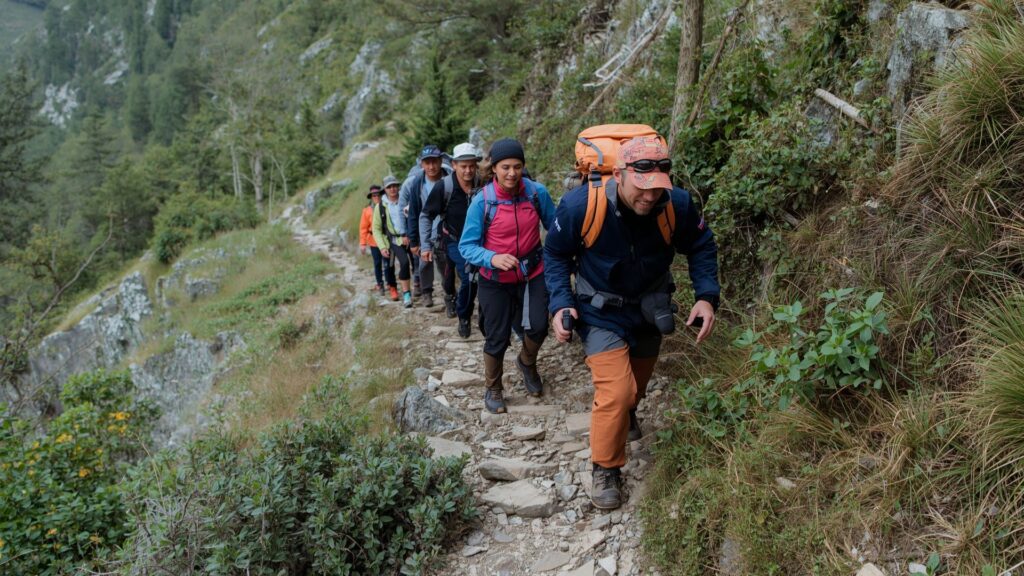
Knowledge without action produces nothing. Pat Falvey transformed his life not through understanding alone but through decisive action. After that crucial walk with a friend, he committed to change and followed through with consistent effort. This combination of decision and action creates the foundation for achieving your goals.
Start immediately with whatever resources you have available. Pat Falvey didn’t wait for perfect conditions or complete knowledge before beginning his mountaineering career. He started with local peaks, built skills progressively, and gradually tackled more ambitious objectives like Everest Base Camp and Mount Toubkal. Perfectionism delays progress; imperfect action beats perfect planning every time.
Commit fully to your chosen path. Half-hearted efforts produce half-hearted results. Pat Falvey’s success in leading expeditions to challenging destinations stems from complete commitment to safety, preparation, and client success. When achieving your goals, this level of commitment proves necessary for overcoming the inevitable challenges that arise.
FAQs
Achieving your goals takes 1-5 years for significant objectives, depending on complexity and commitment. Pat Falvey transformed from bankruptcy to successful adventurer over several years through consistent daily effort.
Self-belief determines whether you take action and persist through difficulties. Pat Falvey’s grandmother taught him that thinking you can makes success possible, whilst thinking you can’t guarantees failure.
Break large goals into smaller milestones that provide regular wins. Surround yourself with positive people, celebrate small victories, and remember why you started. Motivation fluctuates but commitment remains constant.
Pat Falvey left school at 15 without formal education and attempted suicide at 29, yet became the first person to complete the Seven Summits twice. Your starting point matters less than your willingness to persist.
Set ambitious goals that stretch your capabilities whilst breaking them into realistic milestones. Pat Falvey’s expeditions challenge participants significantly but progress through manageable daily stages that build confidence and competence.