
Safety on the hills represents the fundamental principle that mountain walkers must be independent and capable of self-care in challenging environments. The mountain environment operates under its own rules, where conditions change rapidly and without warning. One moment requires suntan lotion, the next brings howling gales and reduced visibility. Safety on the hills demands respect for these conditions and thorough preparation for any scenario.
Pat Falvey Irish & Worldwide Adventures has led mountain expeditions across Ireland for 30 years, guiding thousands of walkers safely through Kerry’s peaks and beyond. Knowledge provides power in the mountains, but true safety on the hills comes from understanding the environment and preparing for everything it can deliver. Every mountain walk requires careful consideration of weather, route, equipment, and personal capability.
The Irish mountains present unique challenges despite their moderate altitude. Weather systems move quickly across the Atlantic, bringing sudden changes that catch unprepared walkers. Safety on the hills in Ireland means planning for rain, wind, low visibility, and temperature drops even during summer months. Mountain rescue teams respond to incidents regularly, most of which result from inadequate preparation rather than technical difficulty.
Be Prepared for Changing Mountain Conditions
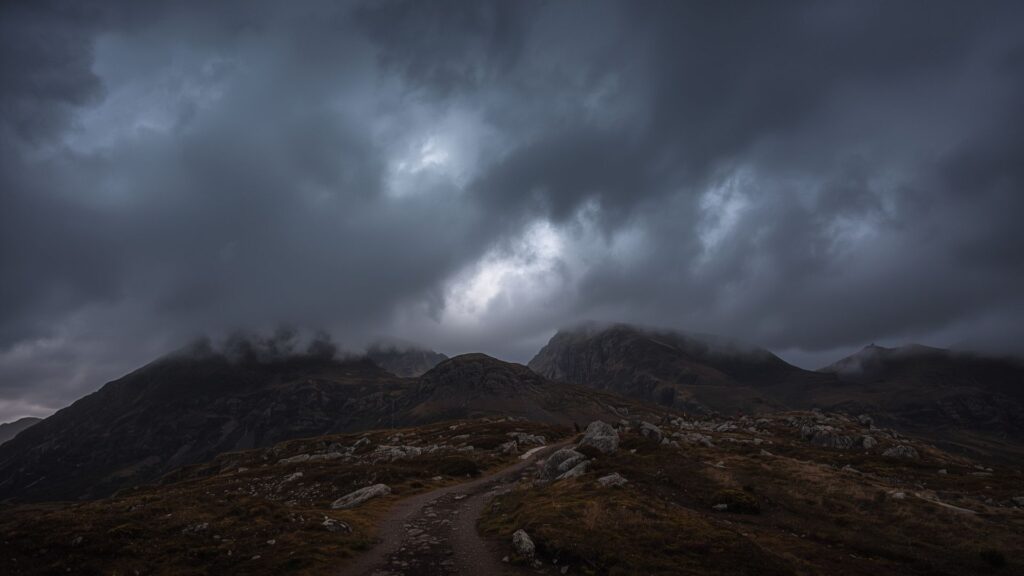
Preparation forms the cornerstone of safety on the hills. The more time spent in mountain environments, the clearer it becomes that conditions follow no predictable pattern. Experience teaches mountain walkers to expect the unexpected and pack accordingly. Weather forecasts provide guidance but cannot account for localised conditions that develop quickly on exposed ridges and summits.
The Irish mountains experience four seasons in a single day. Carrauntoohil, Ireland’s highest peak at 1,038 metres, demonstrates this volatility clearly. Summit conditions differ dramatically from valley conditions, with temperature drops of 10-15 degrees common. Wind speeds increase significantly with altitude, turning light breezes at the base into challenging gusts at the top.
Pat Falvey’s guided Carrauntoohil hikes include comprehensive safety briefings that address changing conditions. Professional mountain leaders monitor weather patterns, assess group capabilities, and make route decisions based on current conditions. This expertise ensures safety on the hills whilst allowing participants to enjoy Ireland’s spectacular mountain scenery.
Let Friends Know Your Destination and Route
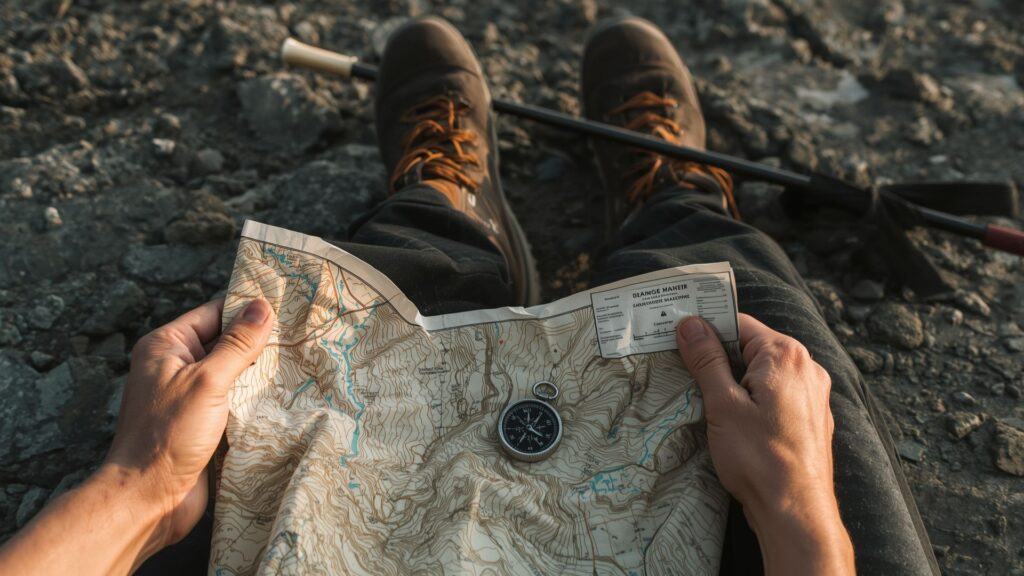
Communication enhances safety on the hills by ensuring others know your plans. Mountain rescue teams operate more effectively when they receive detailed information about intended routes and expected return times. A simple message to friends or family containing route details, group size, and estimated finish time provides crucial information if problems arise.
Creating Effective Route Cards
Route cards serve two purposes for safety on the hills. They force detailed examination of intended routes during planning and provide clear information for rescue teams if needed. A route card includes start location, key waypoints, grid references, estimated times for each section, total distance, and expected return time.
Leave route cards with responsible individuals who understand their importance. Mark routes clearly on maps, highlighting critical decision points, escape routes, and potential hazards. Include mobile phone numbers and emergency contact details. Most importantly, inform contacts when you return safely, preventing unnecessary rescue activations.
Plans change during mountain walks based on conditions, group fitness, or unexpected obstacles. Flexibility remains important for safety on the hills, but major route changes require updating those holding your route information. Modern communication allows quick updates via text message when mobile signal permits.
Carry the Correct Equipment for Safety on the Hills
Appropriate equipment protects mountain walkers from environmental hazards and provides resources for emergencies. The saying holds true: no bad weather exists, only inappropriate clothing and equipment. However, equipment alone cannot replace competence or experience. The latest gear will not transform beginners into competent mountaineers overnight or prevent accidents caused by poor decisions.
Equipment selection for safety on the hills represents a balance. Carrying everything for all scenarios creates excessive weight that slows progress and increases fatigue. Experience teaches which items prove essential and which can be left behind based on specific conditions. Beginners should err on the side of caution, carrying more rather than less until they develop judgement through experience.
Essential Rucksack Items for Irish Mountains
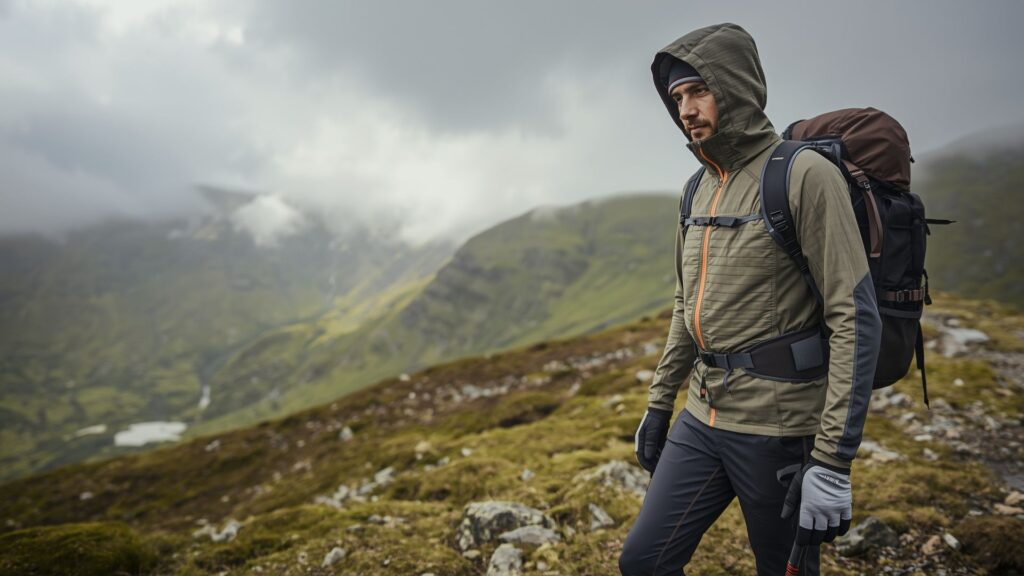
Every mountain walk in Ireland requires specific items that ensure safety on the hills regardless of conditions. These essentials provide navigation capability, protection from elements, sustenance, and emergency resources. Pat Falvey’s guided expeditions include equipment checks before departure, ensuring all participants carry necessary items.
Navigation and Planning
- Map in waterproof case (1:50,000 or 1:25,000 scale)
- Compass (baseplate type for accurate bearings)
- GPS receiver (optional but valuable for position confirmation)
Protection and Clothing
- Waterproof jacket (fully waterproof with sealed seams)
- Waterproof trousers (essential for Irish weather)
- Extra insulation layer (fleece or insulated jacket)
- Warm hat and gloves (even in summer)
Sustenance and Hydration
- Extra food (energy bars, trail mix, chocolate)
- Water bottles (minimum 1.5 litres per person)
- Emergency rations (high-calorie food)
Emergency and Safety Equipment
- First aid kit (plasters, bandages, pain relief, blister treatment)
- Head torch with spare batteries (essential even for day walks)
- Whistle (six blasts indicates distress signal)
- Emergency survival bag (lightweight bivvy bag)
- Multi-tool or knife (for equipment repairs)
- Mobile phone (fully charged, stored in waterproof bag)
Sun Protection
- Sunglasses (crucial for snow conditions and bright days)
- Sunscreen (SPF 30+ for exposed skin)
Plan Your Route Thoroughly
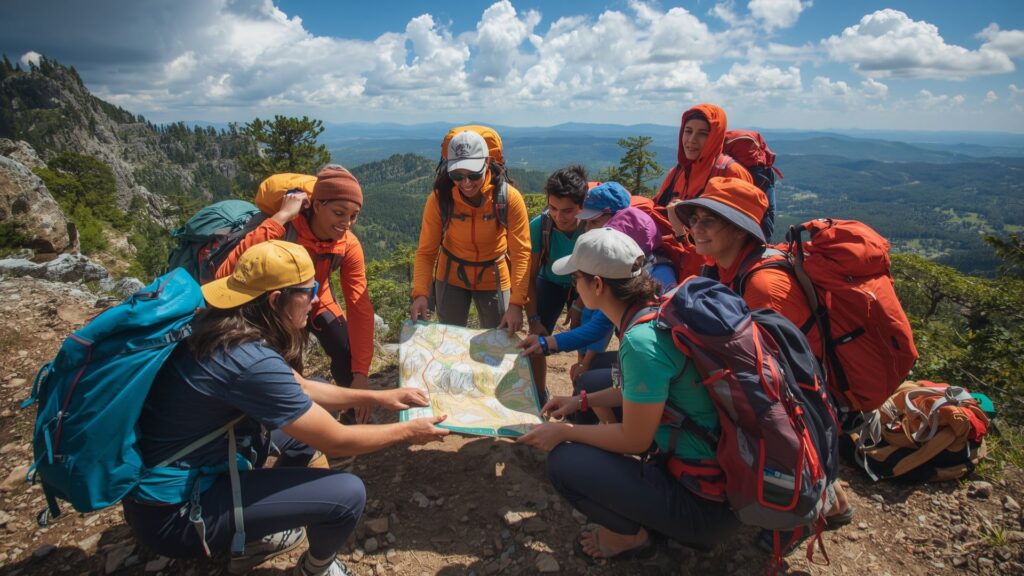
Route planning represents one of the most important elements of safety on the hills. Examining maps, asking questions, and marking routes before departure saves time during walks and prevents navigation errors. Poor weather and complicated paths require detailed plans with bearings and distances for critical stages. Pre-planning allows focus on enjoying the mountain environment rather than constant map checking.
Key Route Planning Questions
Effective route planning for safety on the hills answers specific questions about the intended walk. These questions address personal preparation, environmental conditions, route characteristics, and potential hazards. Pat Falvey’s mountain guides assess these factors for every expedition, adjusting plans based on current conditions and group capabilities.
Personal and Equipment Readiness
- Have you packed all necessary rucksack items?
- Does everyone in the group carry essential equipment?
- Has equipment been tested recently?
Weather and Environmental Conditions
- What weather forecast applies to mountain altitudes?
- How will poor visibility affect navigation and timing?
- What temperature range can be expected at summit altitude?
- When does darkness fall?
Route Characteristics and Navigation
- Which route provides the safest approach?
- How steep is the terrain?
- What surface types exist (boulders, scree, boggy ground)?
- Can difficult terrain be avoided?
- Which streams cross the route?
Distance and Timing Calculations
- What total distance must be covered?
- How long will the walk take (using Naismith’s Rule)?
- Have you added time for breaks and summit enjoyment?
- Does the slowest group member determine pace?
Hazards and Safety Considerations
- Where do steep slopes or hidden cliffs present dangers?
- Which escape routes allow early descent?
- What prominent features aid navigation?
- Are you circling hills or crossing summits?
- Which direction provides the general bearing?
Breaking Routes into Manageable Sections
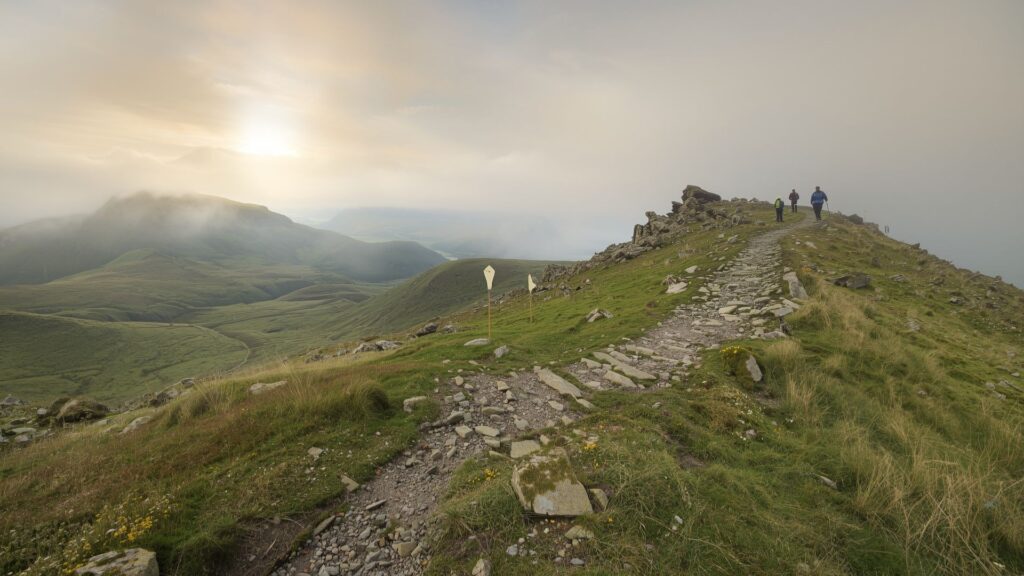
Safety on the hills improves when routes are divided into smaller legs with clear waypoints. Each section between prominent features becomes a mini-objective with its own distance, bearing, and time estimate. This approach prevents overwhelming navigation in poor visibility and allows regular confirmation of position.
Create mental pictures of each leg before setting off. Visualising the route helps recognise features during the walk and identifies discrepancies if navigation goes wrong. Understanding whether routes go around hills or over them, the general direction of travel, and the nature of terrain between waypoints builds confidence and reduces errors.
For challenging routes like Kilimanjaro expeditions or Everest Base Camp treks, Pat Falvey’s team provides comprehensive route briefings. Participants learn each day’s objectives, critical decision points, and contingency plans. This detailed planning ensures safety on the hills even in remote mountain environments.
Build Fitness and Mountain Skills
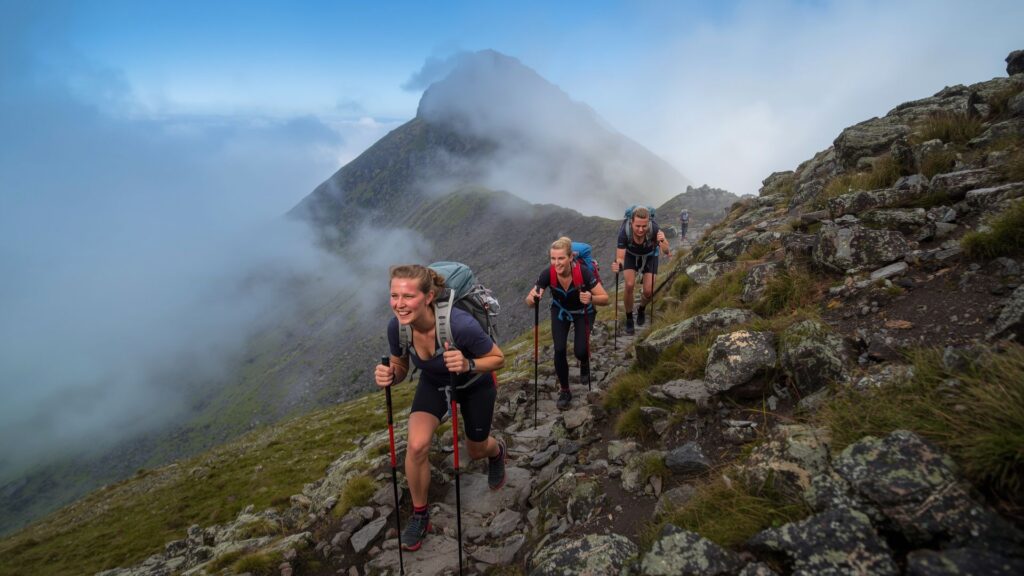
Physical fitness and technical skills work together to ensure safety on the hills. Strong cardiovascular fitness allows maintenance of steady pace over long distances, whilst leg strength handles steep ascents and descents safely. Navigation skills, including map reading and compass work, become crucial when visibility drops or paths disappear.
Start mountain walking on easier peaks, gradually building experience and fitness before attempting challenging summits. Carrauntoohil’s Devil’s Ladder route provides excellent training for higher mountains, teaching steep terrain navigation and altitude effects. Regular hill walking develops mountain-specific fitness that differs significantly from lowland exercise.
Navigation courses teach essential skills for safety on the hills. Learning to use map and compass in good conditions provides foundation knowledge that becomes invaluable when weather deteriorates. Practice navigation in familiar terrain before attempting complex routes in challenging conditions. Pat Falvey offers skills courses at The Mountain Lodge in Beaufort, Kerry, covering navigation, mountain safety, and expedition planning.
Stay Together and Communicate
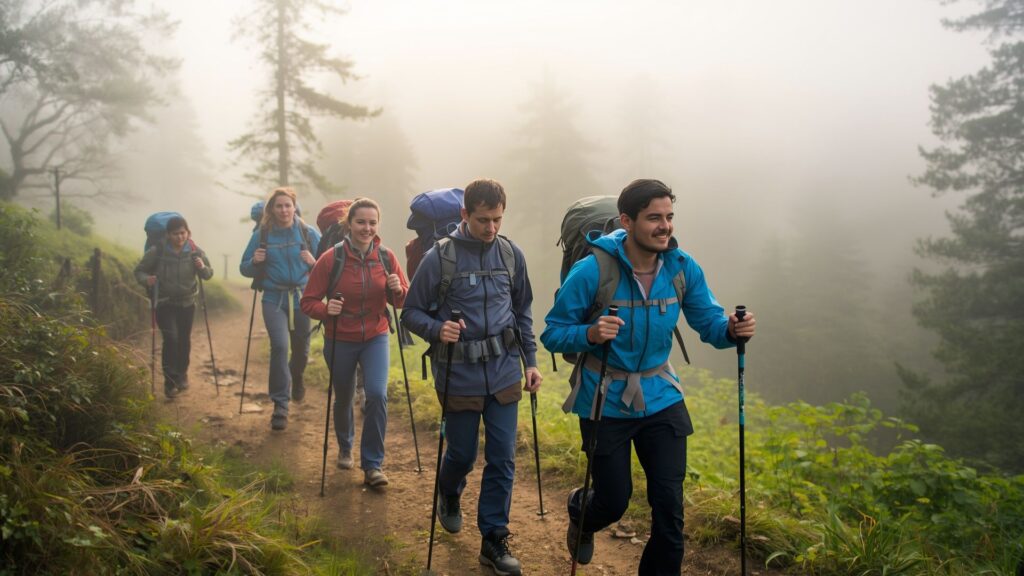
Group dynamics significantly affect safety on the hills. Walking groups should maintain visual contact, particularly in poor visibility or challenging terrain. The strongest walkers should not disappear ahead, leaving slower members struggling alone. Regular regrouping at waypoints ensures everyone remains together and allows assessment of group condition.
Communication within groups prevents problems before they become serious. Members should feel comfortable voicing concerns about pace, route, or weather conditions. Early recognition of fatigue, cold, or navigation doubts allows groups to adjust plans appropriately. Ignoring warning signs leads to accidents and emergencies.
Pat Falvey’s guided mountain walks demonstrate proper group management. Professional mountain leaders maintain appropriate pace, regularly check participants, and make decisions based on the slowest member’s capability. This approach ensures safety on the hills for all participants whilst delivering enjoyable mountain experiences.
Understand Irish Mountain Weather Patterns
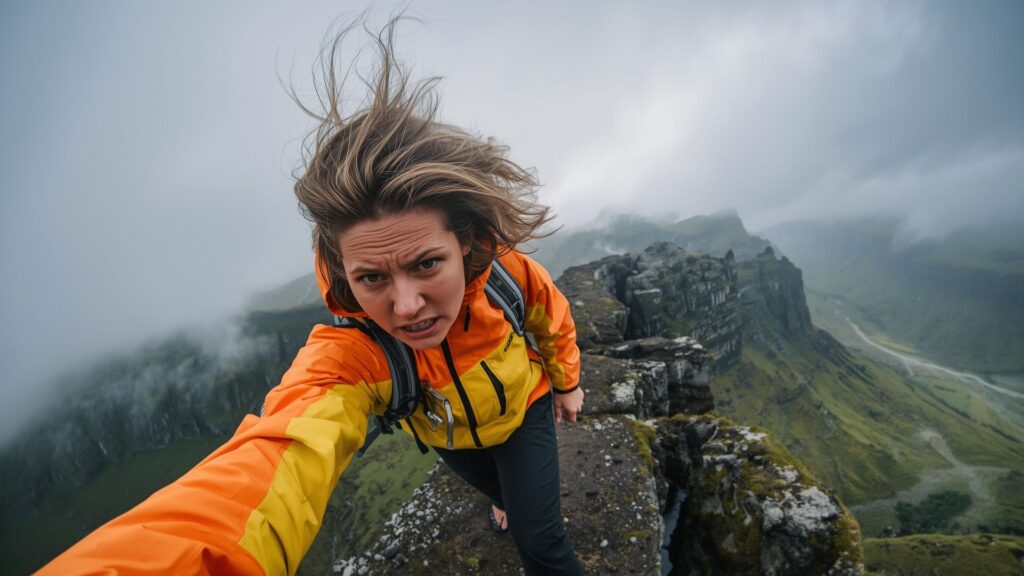
Ireland’s maritime climate creates unique conditions for safety on the hills. Atlantic weather systems move rapidly across the country, bringing sudden changes that catch unprepared walkers. Cloud bases drop quickly, transforming clear summits into zero-visibility environments within minutes. Wind speeds increase significantly with altitude, turning manageable breezes into dangerous gusts.
Temperature drops approximately 2 degrees Celsius per 300 metres of altitude gain. Carrauntoohil’s summit experiences conditions 6-7 degrees colder than valley floors. Wind chill increases this effect dramatically, with 50 kilometre per hour winds creating temperatures 10 degrees lower than actual readings. Wet clothing accelerates heat loss, making waterproof protection essential.
Rain in Irish mountains arrives frequently and often without warning. Even summer days bring showers that soak unprepared walkers. Winter conditions require additional considerations including shorter daylight hours, ice on paths, and potential snow coverage obscuring routes. Safety on the hills demands appropriate preparation for the season and current forecast.
Know Emergency Procedures and When to Turn Back
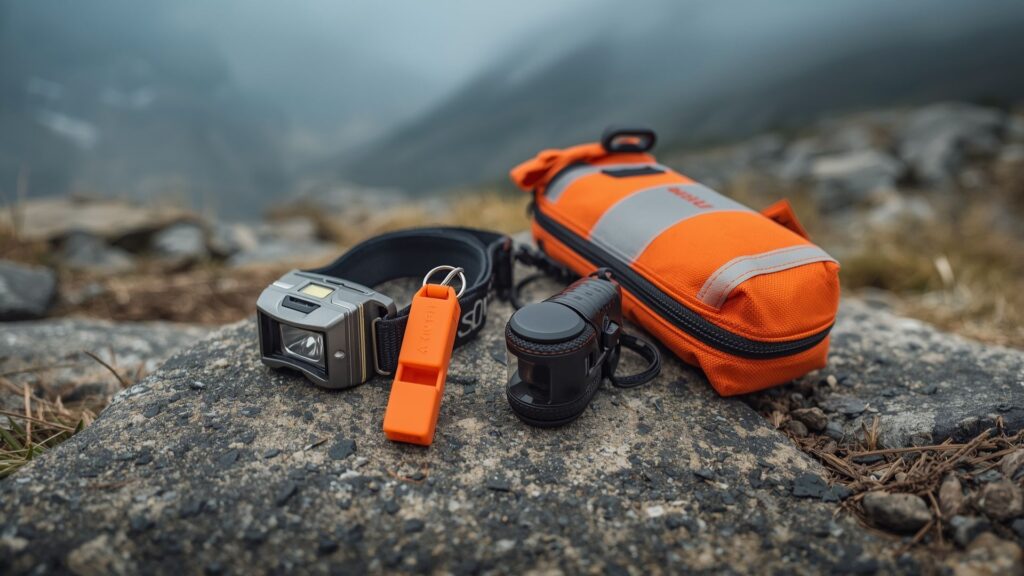
Emergency situations on mountains require calm assessment and appropriate action. The international distress signal consists of six whistle blasts, torch flashes, or arm waves repeated after one-minute intervals. Response comes as three signals repeated. Mobile phones work in many mountain areas, allowing direct contact with emergency services through 999 or 112.
Knowing when to turn back demonstrates maturity and ensures safety on the hills. Summits will always be there for future attempts, but poor decisions in deteriorating conditions lead to accidents. If weather worsens significantly, visibility drops dangerously, or group members struggle excessively, descend immediately using the safest available route.
Mountain rescue teams throughout Ireland provide professional emergency response. Contact Kerry Mountain Rescue Team on +353 64 6644181 for incidents in the MacGillycuddy’s Reeks area. Provide clear location information, number of casualties, nature of injuries, and current weather conditions. Stay with injured persons and use emergency survival bags to maintain body temperature whilst awaiting rescue.