
Effective teams form the backbone of successful organisations across every industry. Pat Falvey Irish & Worldwide Adventures has guided thousands of people through challenging expeditions, demonstrating that effective teams share common characteristics regardless of whether they’re climbing Carrauntoohil or tackling corporate objectives. This guide examines the essential building blocks that transform groups into high-performing effective teams capable of achieving extraordinary results.
Understanding What Makes Effective Teams Succeed

Effective teams don’t emerge by accident. Sports teams pursuing championship trophies study countless images of previous winners celebrating their victories, creating a mental picture of success that drives their efforts forward. This visualisation extends beyond professional athletics into every field where effective teams operate. When team members can imagine their collective success, they create a powerful psychological foundation for achievement.
The question becomes more than just identifying a goal. Effective teams must collectively answer deeper questions about their journey. How will the team feel when reaching its objective? What expressions will team members wear during the celebration? How will the group share its success with stakeholders and supporters? These questions transform abstract objectives into tangible, emotionally resonant targets that unite team members at a fundamental level.
Research consistently demonstrates that shared goals create bonds between team members, but this connection alone proves insufficient for building truly effective teams. Pat Falvey’s expeditions to peaks including Kilimanjaro and Everest Base Camp reveal that the strongest bonds form through simple activities conducted outside formal work environments. Sharing meals and break times represents one of the simplest yet most powerful bonding methods available to any team.
The Critical Role of Shared Experiences in Building Effective Teams

Polar explorer Ernest Shackleton understood that effective teams require opportunities for informal connection. He made shared mealtimes a non-negotiable priority during his expeditions to Antarctica. These gatherings provided team members with space to share stories, exchange ideas, voice concerns, and engage in humour—a remarkably effective stress-reduction mechanism that strengthens team cohesion.
Modern workplaces often reduce break times to brief, isolated moments where genuine connection becomes difficult. Yet these periods represent the only regular opportunity many people have for face-to-face conversation with colleagues. Effective teams recognise this reality and actively protect time for informal interaction.
Today’s online communication tools, whilst convenient, cannot replicate the bonding that occurs during direct human interaction. When team members engage face-to-face, they connect in ways that digital platforms cannot facilitate. The simple act of making eye contact without screens creates vulnerability and trust. Multiple studies confirm that tea and coffee breaks serve dual purposes: they provide mental breaks from work demands whilst creating spaces for interpersonal exchanges that measurably improve productivity.
Pat Falvey Irish & Worldwide Adventures incorporates this principle into expedition planning by scheduling regular breaks during guided hikes, allowing participants to bond naturally whilst pursuing challenging goals. This approach proves equally valuable whether climbing Ireland’s highest peak or navigating complex business challenges.
Preparation and Training: The Foundation of Effective Teams
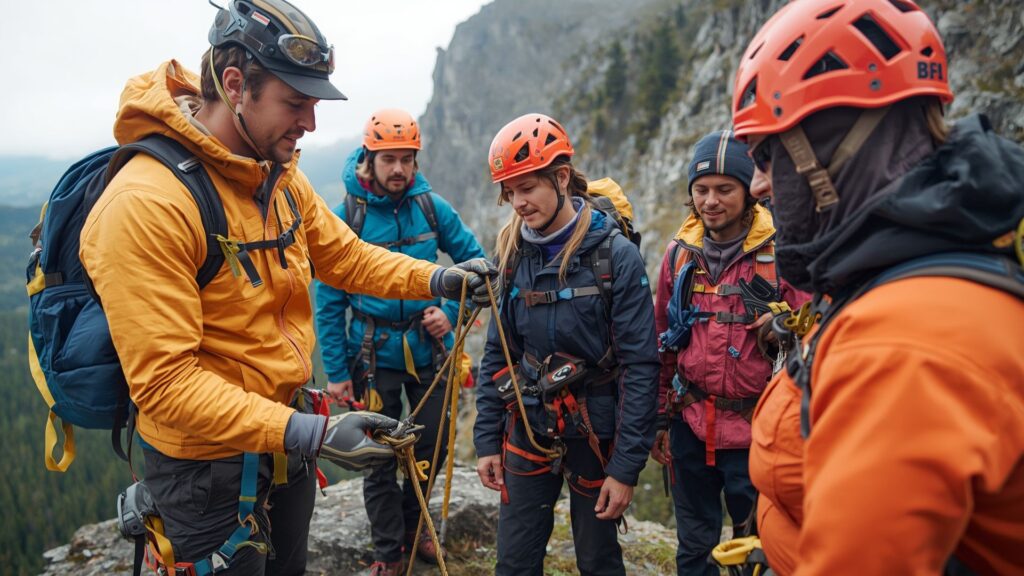
Proper preparation separates effective teams from groups that merely aspire to success. Training together serves multiple essential functions for team development. When teams train collectively, they gain opportunities to assess both group strengths and individual capabilities. This shared learning environment allows honest evaluation of where the team excels and where improvement is needed.
Individual team members benefit equally from collective training. Through shared preparation, each person identifies personal strengths to contribute and weaknesses to address. Effective teams recognise that every member bears responsibility—both individually and collectively—for acquiring necessary skills. This commitment protects team members from unnecessary risk and prevents skill gaps from undermining goal achievement.
Pat Falvey’s 30 years of mountaineering experience demonstrates this principle repeatedly. Before leading expeditions to challenging peaks, participants undergo thorough preparation covering technical skills, fitness requirements, and mental resilience. This investment in training proves vital when teams face difficult conditions where preparation determines success or failure.
The same principle applies in corporate environments. Effective teams invest in skills development, cross-training, and scenario planning. When challenges arise—and they always do—prepared teams respond with confidence rather than panic because they’ve already practiced managing difficulties during training.
Balancing Unity with Individuality in Effective Teams

Whilst effective teams require unity of purpose and vision, they must simultaneously allow space for difference and individuality. Each team accommodates a diverse range of people who express passion in different ways. Strong teams create environments where personalities shine through and interpersonal relationships develop naturally.
A common mistake undermines many potentially effective teams: assuming that quiet or shy individuals lack the same passion as their more extroverted colleagues. This assumption loses valuable team members who possess necessary skills and dedication but don’t conform to stereotypical ideas about team players. Effective teams recognise that passion manifests differently across personality types and that diverse communication styles strengthen rather than weaken group dynamics.
Pat Falvey’s expeditions attract participants with varying backgrounds, fitness levels, and personalities. Some climbers express enthusiasm vocally whilst others demonstrate commitment through quiet determination. Effective teams accommodate this diversity, recognising that both the energetic encourager and the steady, silent climber contribute essential elements to group success.
Corporate environments benefit from similar diversity. Effective teams include analytical thinkers, creative problem-solvers, detail-oriented planners, and big-picture visionaries. The strongest groups leverage these differences rather than trying to force conformity to a single working style.
Communication Patterns That Define Effective Teams
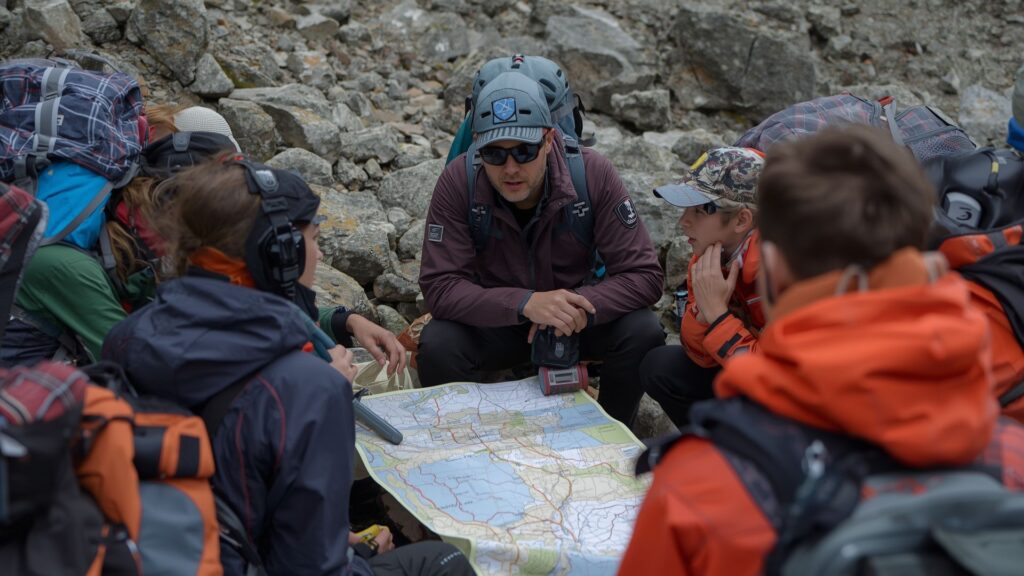
Clear communication forms another cornerstone of effective teams. Without transparent information flow, even the most talented groups struggle to coordinate efforts and maintain alignment. Effective teams establish communication protocols that ensure everyone receives necessary information whilst avoiding overwhelming team members with unnecessary details.
The challenge lies in finding balance. Too little communication leaves team members uncertain about their roles, progress towards goals, and how their work connects to broader objectives. Too much communication creates noise that obscures important messages and wastes valuable time. Effective teams develop systems that deliver the right information to the right people at the right time.
During expeditions to remote locations, Pat Falvey’s guides maintain constant communication about weather conditions, route changes, and team member wellbeing. This information flow proves essential for safety and success. Similarly, effective teams in business environments require systems that keep everyone informed about project status, changing priorities, and emerging challenges.
Modern communication technology offers both opportunities and pitfalls. Effective teams use digital tools strategically whilst preserving space for face-to-face dialogue. Email works well for sharing factual updates, but complex discussions and relationship building require richer communication channels. The most effective teams understand which medium suits each type of message.
How Effective Teams Celebrate Success and Navigate Transitions
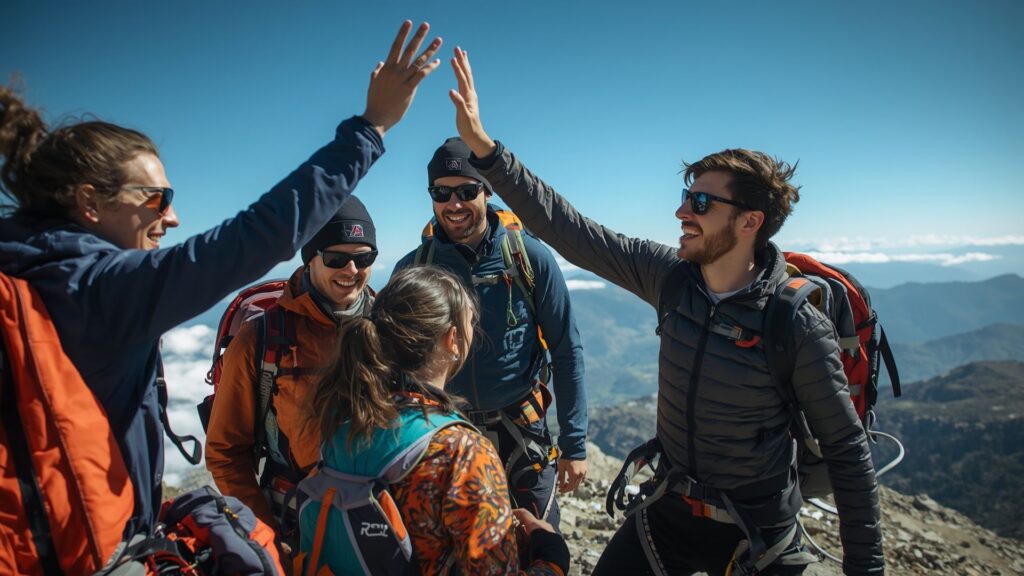
When effective teams reach their objectives, high emotion inevitably follows. These moments of achievement require celebration that honours both collective success and individual contributions. Teams that fail to mark accomplishments properly miss opportunities to reinforce positive behaviours and strengthen bonds formed during the journey.
Pat Falvey’s guided expeditions always include summit celebrations where each team member’s contribution receives recognition. This practice acknowledges that reaching challenging peaks requires every participant to perform their role effectively. Similar celebrations prove equally important in business environments where teams complete major projects or achieve significant milestones.
However, effective teams also recognise a less discussed reality: the sense of anticlimax or even sadness that often follows major celebrations. After working intensely towards a shared goal, team dissolution creates a natural sense of loss. Effective teams acknowledge this emotional reality rather than ignoring it. Providing space for these feelings allows team members to process their experience fully and carry positive lessons into future endeavours.
This transition phase presents an opportunity for reflection. What worked well? What could improve next time? Which practices should continue? Effective teams conduct honest debriefs that capture lessons whilst celebrating achievements. Pat Falvey Irish & Worldwide Adventures incorporates this principle by gathering expedition feedback that informs future trek planning and guide training.
Practical Steps for Building More Effective Teams

Building effective teams requires intentional action across multiple dimensions. Leaders cannot simply declare that a group will function as a team and expect effective collaboration to emerge spontaneously. Instead, effective teams develop through consistent application of proven principles combined with adaptation to specific circumstances.
Start by establishing a truly shared goal that resonates with every team member. This goal must be clear, measurable, and meaningful to everyone involved. Spend time ensuring that all team members understand not just what the goal is but why it matters. Effective teams revisit this shared purpose regularly, especially when facing challenges that test commitment.
Create regular opportunities for informal connection. Schedule team meals, coffee breaks, or social activities that allow relationships to develop naturally. These moments shouldn’t feel forced or overly structured. Effective teams need spaces where members can simply be human together without constant focus on work objectives.
Invest in comprehensive training that addresses both technical skills and team dynamics. Effective teams benefit from learning together, which builds shared language and mutual understanding. Include scenario planning and practice sessions that allow teams to develop responses to potential challenges before they occur.
Establish clear communication protocols that specify how information flows within the team. Decide which communication channels serve which purposes. Create feedback mechanisms that allow team members to raise concerns or suggest improvements. Effective teams treat communication as a skill that requires ongoing attention and refinement.
Recognise and leverage individual differences within the team. Identify each member’s unique strengths and create opportunities for these talents to shine. Effective teams don’t waste time trying to make everyone identical but instead orchestrate diverse capabilities into harmonious collaboration.