
Clare O’Leary from Bandon, County Cork, made history on Tuesday 18th May 2004 when she became the first Irish woman to stand on Mount Everest’s 8,849-metre summit. The 33-year-old doctor reached the top at 6.45am local time alongside expedition leader Pat Falvey, who became the first Irish person to summit Everest from both the Nepal and Tibetan approaches. Clare O’Leary’s achievement marked a pivotal moment for Irish mountaineering and demonstrated the capabilities of Irish climbers on the world’s highest peak.
The Summit Push from High Camp
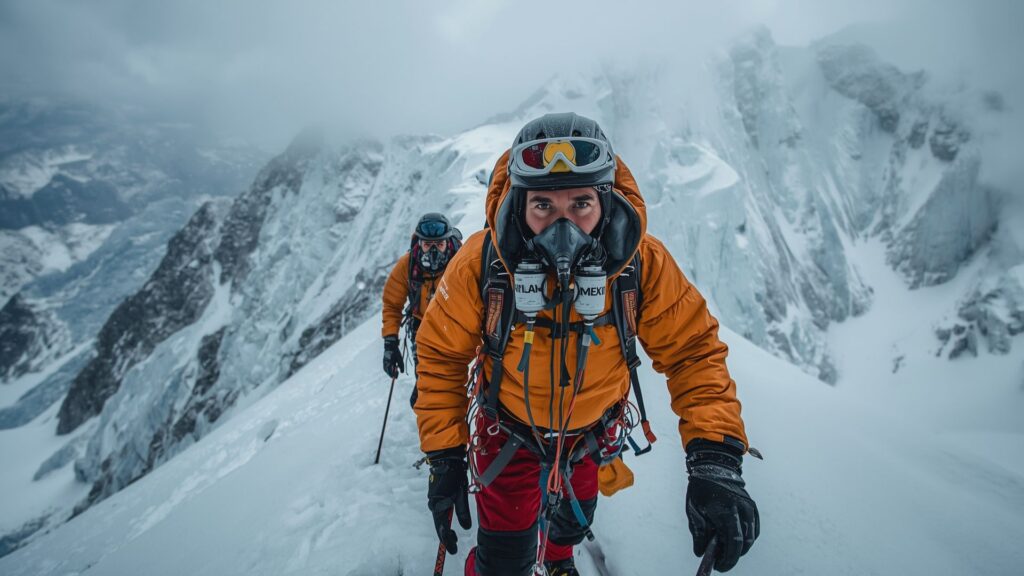
The final climb to Everest’s summit began from the team’s high camp at 7,925 metres. Clare O’Leary and the expedition team completed the nine-hour push through the Death Zone, where oxygen levels drop to just 30% of sea-level concentrations. The climbers used supplementary bottled oxygen above 7,925 metres to maintain alertness and physical capacity. Weather conditions remained excellent throughout the ascent, providing clear visibility and manageable temperatures for the summit attempt.
Pat Falvey led the team through the technical sections above 8,000 metres, including the Hillary Step and the final ridge to the summit. Clare O’Leary maintained strong performance throughout the climb despite the extreme altitude and physical demands. The team reached the summit with enough daylight remaining to safely begin their descent, which proved crucial for their successful return to high camp.
The Wyeth Irish Everest Expedition 2004
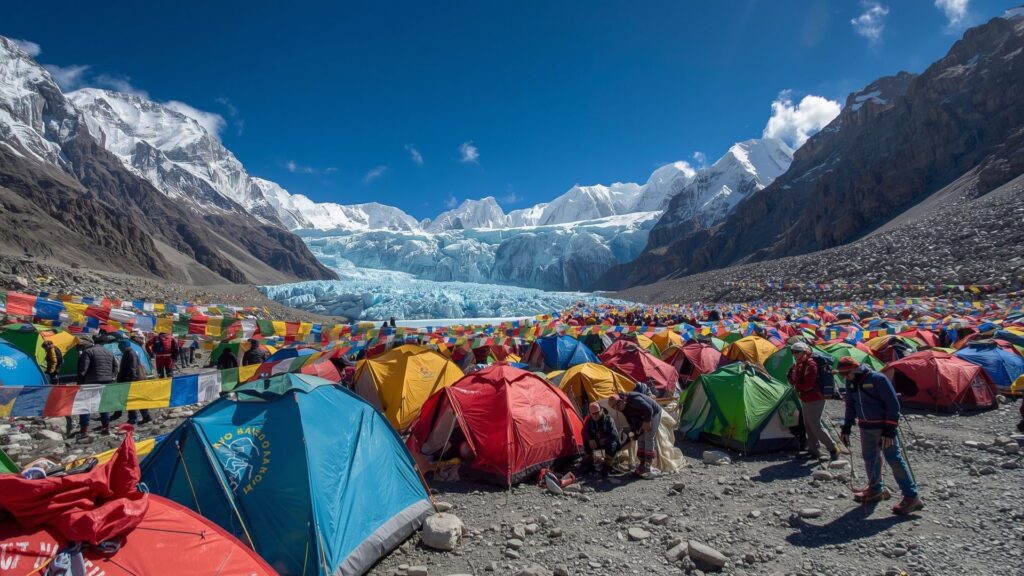
The Wyeth Irish Everest Expedition 2004 brought together Irish and Nepali climbers under Pat Falvey’s leadership. The team spent two months on Mount Everest, establishing camps and completing acclimatisation climbs before their summit attempt. Clare O’Leary’s participation in the expedition represented her second attempt to reach Everest’s summit after a previous expedition in 2003 forced her to turn back due to illness.
The expedition departed Ireland on St Patrick’s Day and travelled to Nepal to begin preparations. Team members completed multiple rotations between Base Camp and higher camps, gradually adapting to the extreme altitude. This acclimatisation process proved essential for Clare O’Leary’s successful summit, as her body adapted to function with reduced oxygen levels. The team stored supplies and established camps at strategic points along the route, creating the infrastructure needed for their final summit push.
The expedition included professional Sherpa climbers who provided essential support throughout the ascent. John Joyce from Tuam, County Galway, joined the expedition but faced challenges with exhaustion and altitude sickness four weeks before the summit attempt. Clare O’Leary’s ability to maintain her health and strength throughout the expedition proved critical to her success.
Speaking from the Summit
Pat Falvey contacted support staff via satellite phone from Everest’s summit immediately after Clare O’Leary’s historic achievement. He reported that the climb proceeded according to plan and praised the excellent weather conditions. “The weather was superb and we held up to savour the immense thrill and history of our achievement where for a few minutes, Clare stood on the summit of the highest peak on Earth, making the first Irish female ascent of Everest. We have done what we set out to achieve and I’m just so excited,” Falvey stated.
Clare O’Leary spoke with her parents Kevin and Alice, along with her sister Carol, by telephone from the summit. Her brother Kevin waited in Nepal to greet the team upon their return to Base Camp. Despite exhaustion from the nine-hour climb, Clare O’Leary expressed profound satisfaction with her achievement: “I set out on St Patrick’s Day with one goal in mind and that was to reach the top and I’ve done it. I’m really proud to have this honour. We had a strong team under Pat’s leadership and I am grateful to him and my Nepali team-mates. The experience from our previous attempt has paid off this year and I can hardly express my happiness.”
The Death Zone Challenge
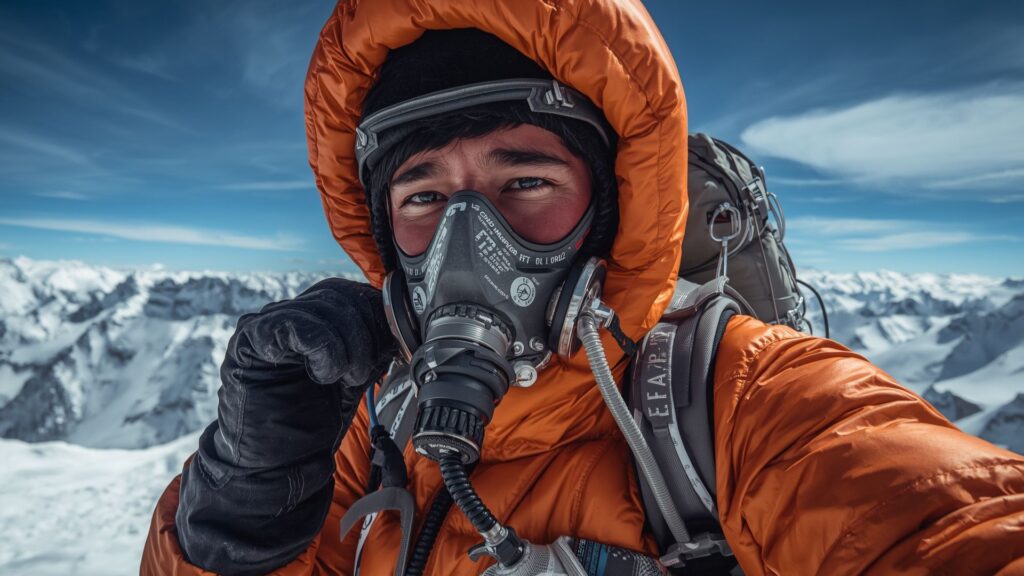
Mount Everest’s Death Zone begins above 8,000 metres, where the human body cannot acclimatise and begins deteriorating rapidly. Clare O’Leary climbed through this zone during the final nine hours of her ascent, facing extreme cold, hurricane-force winds, and oxygen deprivation. Climbers in the Death Zone must balance their desire to reach the summit with the need to maintain mental alertness and physical capability for the descent.
The final sections above 8,000 metres present multiple objective dangers including unstable snow conditions, exposed ridges with severe drop-offs, and technical rock sections requiring precise movement. Summit fever, the overwhelming desire to reach the top regardless of conditions, claims lives in the Death Zone when climbers push beyond safe limits. Pat Falvey’s leadership ensured the team maintained appropriate judgment throughout their climb.
Previous Attempt and Lessons Learned
Clare O’Leary attempted to summit Everest in 2003 as part of an earlier expedition led by Pat Falvey. A stomach illness forced her to abandon that climb before reaching the summit. Pat Falvey himself turned back just 60 metres from the summit during the 2003 expedition after experiencing hypoxia, a dangerous condition caused by insufficient oxygen reaching the brain. Ger McDonnell, who successfully summited in 2003, assisted Falvey to safety during that expedition.
The 2003 expedition provided Clare O’Leary with essential experience on Everest’s terrain and conditions. She learned the mountain’s rhythms, understood the physical demands of high-altitude climbing, and identified areas requiring additional preparation. Clare O’Leary’s perseverance in returning to Everest after her 2003 setback demonstrated the determination required to achieve major mountaineering objectives.
Congratulations and Recognition
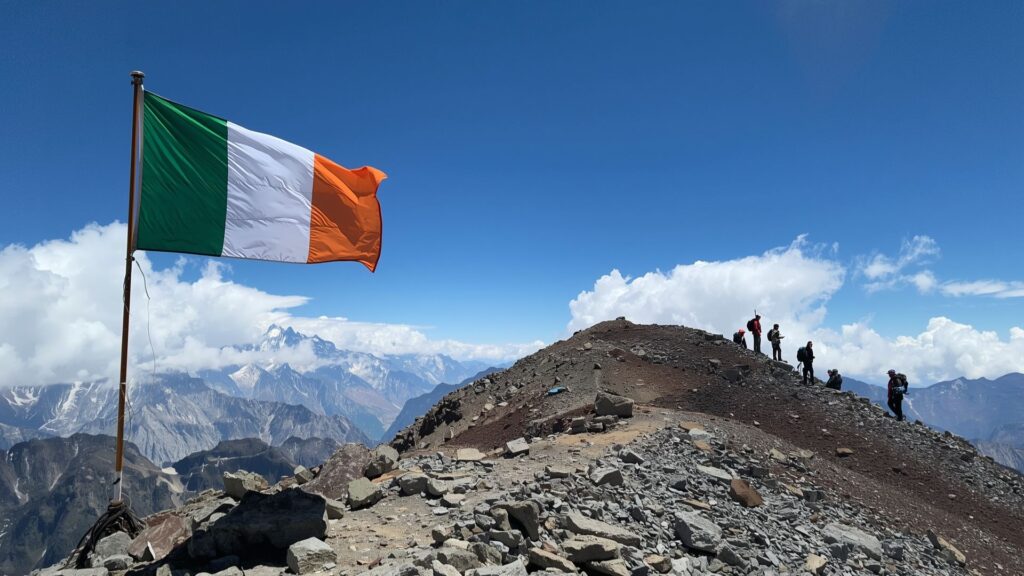
Ger McDonnell, who summited Everest in 2003 with Mick Murphy, sent congratulations from Alaska after learning of Clare O’Leary’s success. “My heartiest congratulations to the team, to Pat, the Sherpas, John Joyce and most of all to the first Irish woman to stand on any summit over 8,000 metres, let alone the tallest of them all.Hats off to you Clare O’Leary! I only wish I could have been there to see it,” McDonnell stated.
President Mary McAleese conveyed congratulations to Clare O’Leary on behalf of Ireland. The President commended the achievement as “a testament to the determination and talent of both you and your support team.” President McAleese added: “The people of Ireland are proud of your success and join with you in your celebrations.”
Wyeth, the expedition’s sponsor and Ireland’s leading pharmaceutical employer, expressed satisfaction with the team’s safe summit success. Country Manager Emmet Browne stated: “As Ireland’s leading pharmaceutical employer, we are delighted to be associated with this historic event. It was a tremendous effort by everyone involved and we wish Pat Falvey, Clare O’Leary, and the Sherpas a safe return to Base Camp.”
The Descent: Mountain’s Greatest Danger
Pat Falvey identified the descent from Everest’s summit as the expedition’s most dangerous phase. “The expedition now down the mountain is a dangerous one. I am praying everyone makes it down safely so we can celebrate with our team in Nepal before returning home,” he stated from the summit. Most Everest deaths occur during descent when climbers face exhaustion, depleted oxygen supplies, and deteriorating weather after summiting.
Clare O’Leary faced physical exhaustion from the nine-hour ascent, which reduced her strength and coordination. Mental fatigue from operating in the Death Zone affected judgment and reaction times. The team needed to reverse their route through technical sections whilst managing these compounding factors. Clare O’Leary’s successful return to Base Camp completed her historic achievement and allowed her to share her experience with aspiring mountaineers.
Ireland’s Complete Everest Summit Record
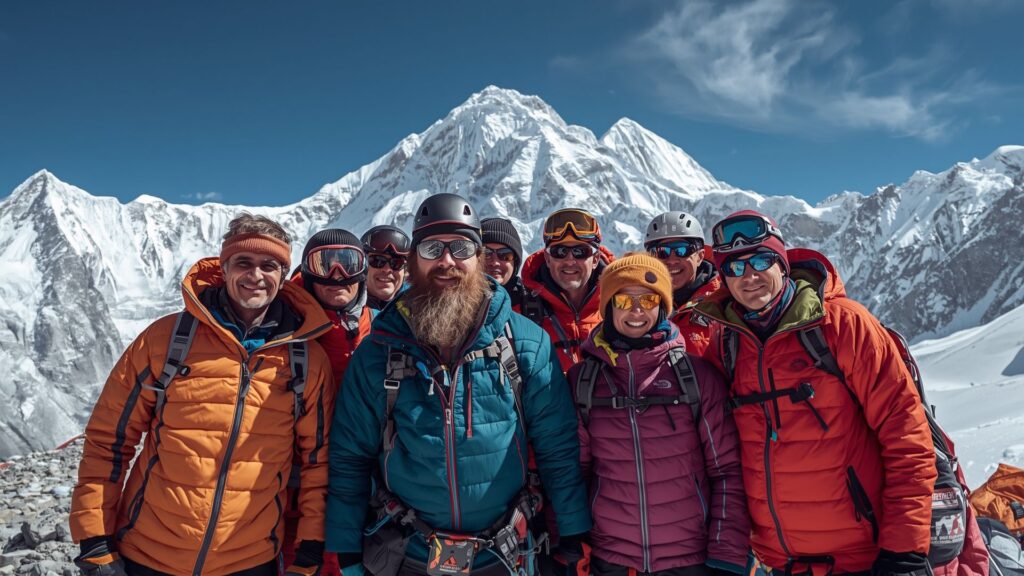
Clare O’Leary joined an elite group of Irish climbers who have reached Mount Everest’s summit. Dawson Stelfox became the first Irish person to summit Everest in 1993, establishing Ireland’s presence on the world’s highest peak. Pat Falvey reached the summit in 1995 from the Tibetan side, then again in 2004 from the Nepali side alongside Clare O’Leary, becoming the first Irish climber to summit via both routes.
Mick Murphy and Ger McDonnell both reached Everest’s summit in 2003 on Pat Falvey’s expedition. Terrence ‘Banjo’ Bannon also summited in 2003. Clare O’Leary’s 2004 ascent established her as the sixth Irish person and first Irish woman to achieve this milestone. Her accomplishment opened new possibilities for Irish women in high-altitude mountaineering and proved that gender presents no barrier to Everest success with proper preparation.
Pat Falvey continues to lead expeditions to the Himalayas through Pat Falvey’s Everest Base Camp treks, sharing his expertise with aspiring mountaineers. His dual summit experience provides unique insights into both the Nepali and Tibetan approaches to Everest. Falvey has guided over 2,000 people on Kilimanjaro expeditions and offers mountaineering training at The Mountain Lodge in Beaufort, County Kerry.
Legacy and Inspiration
Clare O’Leary’s 2004 Everest summit inspired Irish women to pursue ambitious mountaineering objectives. Her achievement demonstrated that Irish climbers can compete successfully at the highest levels of international mountaineering. Young Irish women now had a role model showing that Everest summits were not exclusively male achievements. Clare O’Leary’s medical career alongside her mountaineering accomplishments showed that extreme climbing pursuits could coexist with professional responsibilities.
The 2004 expedition’s success validated Pat Falvey’s approach to expedition leadership and preparation. His methods continue to guide Irish climbers attempting major peaks through Pat Falvey’s international expeditions. Thorough preparation, experienced leadership, and risk management create the foundation for safe mountaineering at extreme altitude. Aspiring climbers can develop skills progressively, starting with guided Carrauntoohil hikes in Kerry before advancing to higher peaks.