
When considering dreams, goals and aspirations, people often procrastinate. Courage becomes essential because fear of critics, failure, ridicule, or success itself prevents forward movement. The commitment that following dreams or fulfilling goals demands creates a psychological barrier stronger than any physical obstacle. Pat Falvey’s expeditions to Everest, Kilimanjaro, and Antarctica required courage not just on summit day, but in the decision to begin training months earlier.
Most people fear change, even when dissatisfaction with their current situation reaches uncomfortable levels. The comfort zone exerts a powerful gravitational pull that keeps individuals repeating familiar patterns. There exists no satisfaction in remaining unchanged, living the same life without progression. Neither excitement nor fulfilment emerges from stagnation. Finding the courage to step out of habitual patterns and into adventures that allow reaching full potential requires systematic development rather than sudden transformation.
Understanding the Nature of Courage
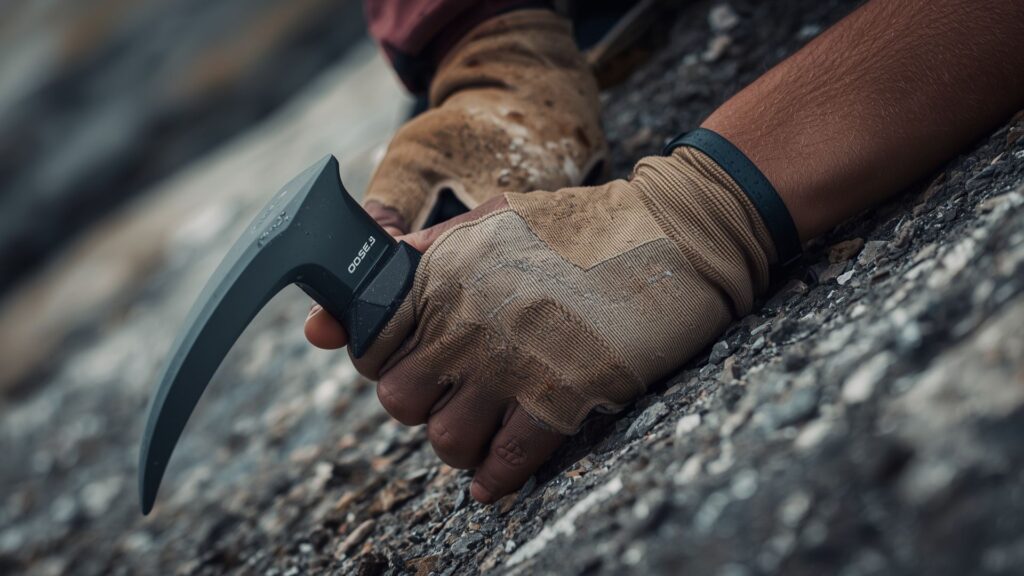
Courage operates as a skill rather than an innate personality trait. This distinction matters because skills develop through practice and deliberate exposure to challenging situations. Pat Falvey encountered severe frostbite on early expeditions before learning proper cold management techniques. Each subsequent climb built his capacity to operate effectively in extreme conditions.
The relationship between courage and risk deserves careful examination. Risk represents the gap between current capability and desired outcome. Mountaineers assess weather patterns, avalanche risk, and physical conditioning before attempting summits. This systematic approach to risk management demonstrates that courage involves calculation rather than recklessness. Accepting that engagement with risk forms an integral part of change, adventure, and achievement creates the foundation for courageous action.
The Role of Fear in Personal Development
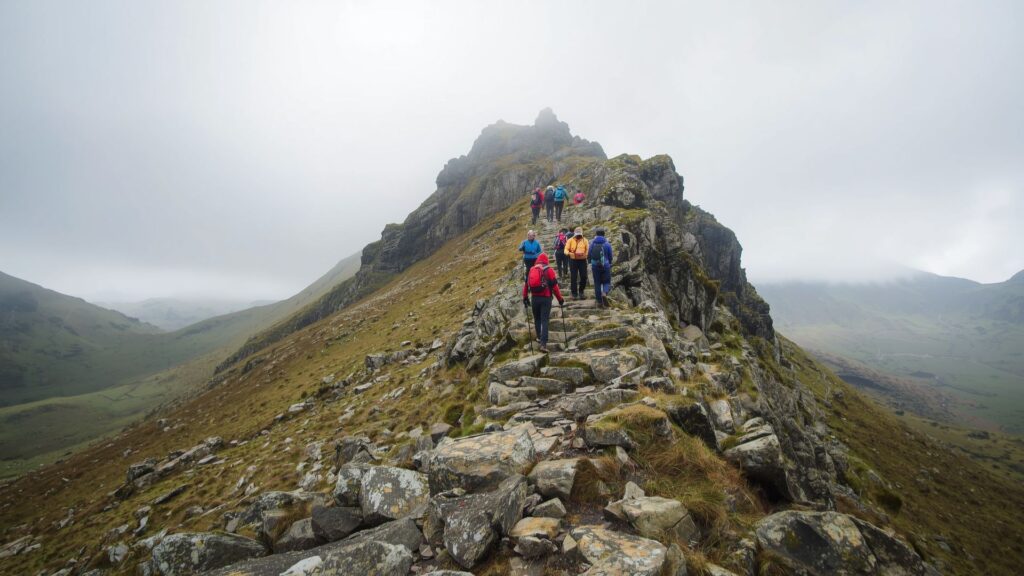
Fear serves as a signal rather than a stop sign. The body produces fear responses to protect against genuine threats, but the nervous system cannot distinguish between life-threatening danger and social discomfort. Public speaking triggers the same physiological responses as encountering a predator, despite vastly different actual risk levels.
Pat Falvey’s Carrauntoohil guided hikes introduce participants to controlled risk environments where fear arises naturally but consequences remain manageable. Standing at the base of Devil’s Ladder generates anxiety, yet thousands complete the climb safely each year. This exposure builds confidence through successful navigation of uncomfortable situations.
Failure forms an essential component of any meaningful journey. The first attempt at a challenging route rarely succeeds perfectly. Mountaineers retreat from summits when conditions deteriorate, returning better prepared for subsequent attempts. This acceptance of temporary setbacks whilst maintaining long-term commitment characterises the difference between those who achieve ambitious goals and those who abandon them after initial difficulties.
Building Courage Through Progressive Challenges
Courage develops through graduated exposure to increasingly difficult situations. Athletic training follows this principle, progressively overloading muscles to build strength. Mental and emotional courage responds to similar progressive development. Starting with small challenges that generate mild discomfort builds capacity for larger undertakings.
The process begins with identifying a specific goal that currently feels uncomfortable but achievable. Public speaking fears respond well to joining local Toastmasters groups where supportive environments encourage gradual skill development. Physical challenges like Everest Base Camp treks require foundational fitness established through local hiking before attempting high-altitude expeditions.
Documenting progress provides tangible evidence of growing capability. Pat Falvey maintained detailed journals throughout his climbing career, noting physical responses at different altitudes, successful navigation of difficult terrain, and psychological states during challenging conditions. Reviewing these records before major expeditions reinforced confidence built through accumulated experience.
Risk Assessment and Commitment to Change
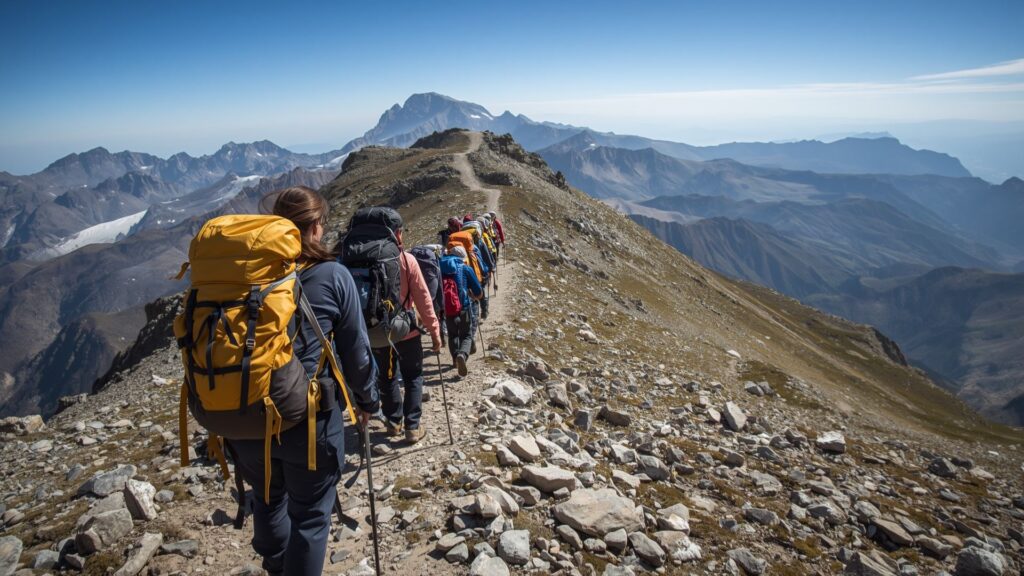
Effective risk management begins with identifying specific fears rather than experiencing generalised anxiety. Breaking down “fear of starting a business” into components reveals distinct concerns: financial security, market competition, operational complexity, and personal capability. Each element requires separate analysis and mitigation strategies.
Pat Falvey’s Kilimanjaro expeditions demonstrate systematic risk reduction through preparation. Participants train for six months before departure, building cardiovascular fitness and mental resilience. Acclimatisation schedules reduce altitude sickness risk. Experienced guides monitor weather patterns and adjust routes accordingly. This multi-layered approach transforms an intimidating challenge into a series of manageable steps.
Change demands sustained effort over extended periods. Pat Falvey spent seven years attempting to complete the Seven Summits, returning to mountains multiple times after weather forced retreats. This persistence through setbacks characterises those who achieve ambitious objectives versus those who attempt them casually. Training for Kilimanjaro requires consistent cardio exercise, strength training, and altitude simulation over months. Missing training sessions accumulates into decreased summit success probability.
Taking Action Despite Fear
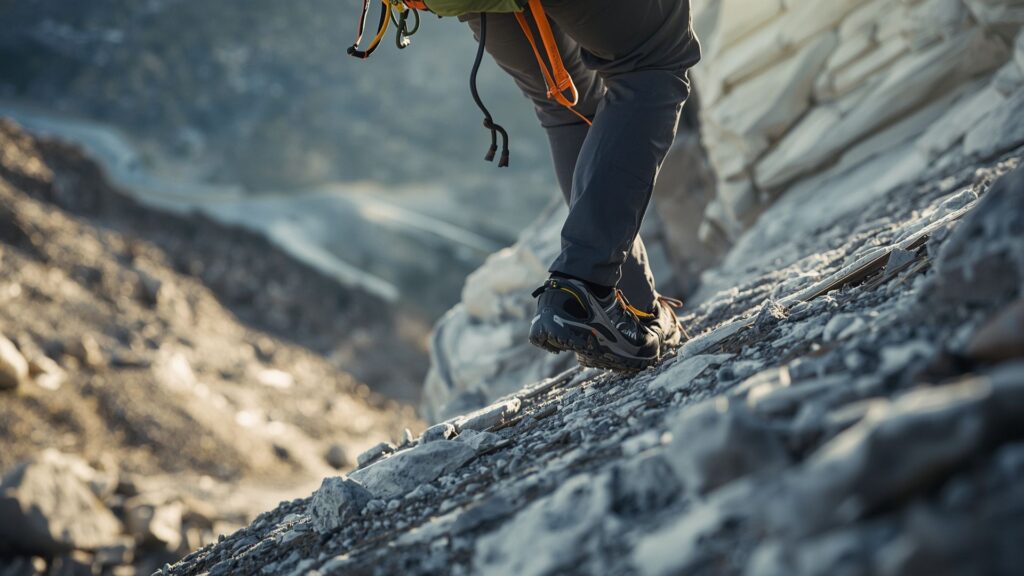
Action represents the bridge between intention and outcome. Pat Falvey’s decision to attempt Everest required action despite substantial fear. Booking flights, purchasing equipment, and informing others created commitment mechanisms that made retreat psychologically costly.
Small actions generate momentum that facilitates larger actions. Starting training creates physical and psychological patterns that support continued effort. Registering for a guided Carrauntoohil hike transforms a vague intention into a scheduled commitment. This specificity increases follow-through rates significantly.
Imperfect action surpasses perfect planning. Waiting for ideal conditions or complete preparation often masks fear-driven avoidance. Mountaineers cannot control weather perfectly. Entrepreneurs cannot eliminate market risk entirely. Parents cannot ensure children face no difficulties. Acting with available information whilst maintaining flexibility generates better outcomes than indefinite preparation.
The Support Systems That Enable Courage
Courage rarely develops in isolation. Pat Falvey’s expeditions succeed through team efforts where members support each other through difficult sections. The Mountain Lodge provides a base where adventurers gather, share experiences, and build confidence through community.
Mentors who have navigated similar challenges provide invaluable perspective. Their experience distinguishes between genuine risks requiring caution and imagined obstacles magnified by inexperience. Pat Falvey’s role as a guide helps participants recognise their capacity for challenges that initially seemed impossible.
Accountability partners increase follow-through on commitments. Public declarations of goals create social pressure to maintain effort. Training partners for physical challenges reduce the likelihood of missed sessions. Professional coaches provide structure and external perspective during difficult phases.
Learning From Setbacks and Applying Courage Daily
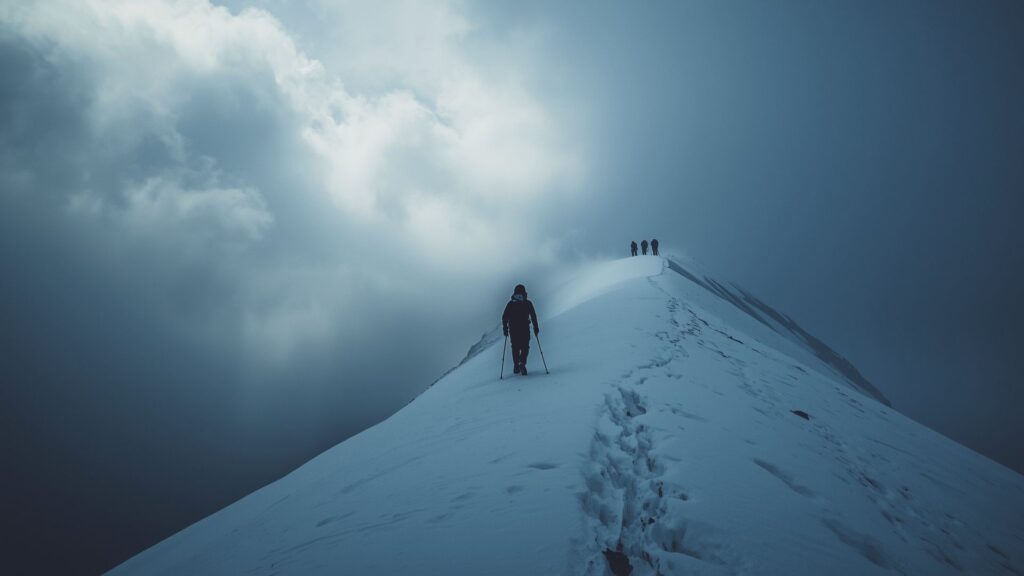
Failure provides information rather than judgement. Pat Falvey’s unsuccessful summit attempts taught lessons about weather pattern recognition, physical limitations under extreme conditions, and team dynamics under pressure. These insights proved essential for subsequent successes.
Post-mortem analysis of failures identifies specific factors contributing to outcomes. Weather conditions? Inadequate preparation? Poor timing? Equipment failure? Each factor suggests concrete improvements for future attempts. This systematic approach transforms failure from demoralising experience into valuable feedback.
Maintaining courage requires ongoing practice rather than one-time achievement. Athletes maintain fitness through regular training. Mental and emotional courage demands similar consistent engagement with challenge. Morning routines that include one uncomfortable action set patterns for the day. Cold showers provide physical discomfort practice. Difficult conversations scheduled early prevent avoidance.
Evening reflection on daily courage moments reinforces the pattern. Documenting challenges faced and actions taken despite fear builds awareness of growing capacity. This practice also identifies avoidance patterns that require attention.
Adventure and Life Applications
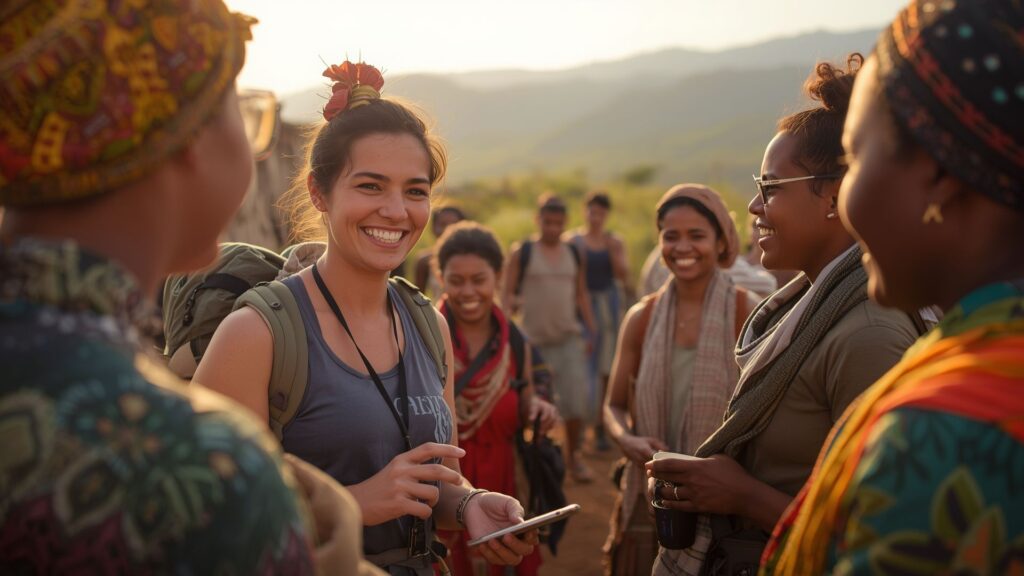
Adventure requires stepping into uncertainty with curiosity rather than dread. Pat Falvey’s expeditions to remote locations involved extensive unknowns: unfamiliar terrain, different cultures, unpredictable weather, and untested personal capabilities. This embrace of uncertainty characterises adventurous mindsets.
Safari and Zanzibar adventures combine physical challenge with cultural immersion, demonstrating that courage applies beyond purely physical domains. Engaging with unfamiliar customs, foods, and languages requires social courage distinct from but related to physical bravery.
Career courage manifests in pursuing roles that stretch current capabilities, negotiating compensation assertively, and leaving situations that prevent growth. Relationship courage involves vulnerability, direct communication about needs and boundaries, and ending unhealthy dynamics. Creative courage supports artistic expression despite criticism risk. Pat Falvey’s speaking engagements require different courage than summit attempts, but both involve performance under scrutiny.