
Confidence determines how far you push beyond your comfort zone. Pat Falvey Irish & Worldwide Adventures has guided over 2,000 people to mountain summits across 30 years, teaching that confidence grows through action, not waiting for perfect conditions. This guide shows you how to build unshakeable confidence through practical steps, goal-setting techniques, and lessons from mountaineering that apply to every area of life.
You must believe in yourself. Confidence starts with nurturing a positive mindset and trusting your potential to achieve what you set out to accomplish. Start exploring the extent of your capabilities in the knowledge that you are far more capable than you ever before thought possible. Set goals and congratulate yourself when you achieve them. Reset the bar each time and move further out of your comfort zone with each achievement. Building confidence might mean changing a job, passing an exam, owning your own business, building a dream house, facing illness with courage, breaking a bad habit, creating a good habit, or working to become better parents, grandparents, daughters, sons, siblings or friends.
Why Confidence Matters More Than Talent
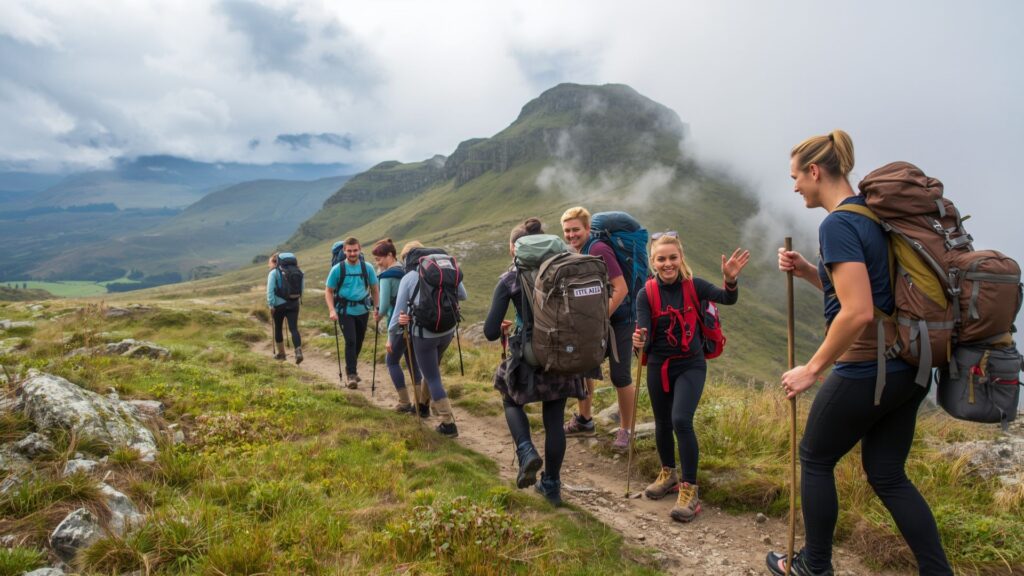
Confidence separates those who attempt challenges from those who succeed at them. Research from sports psychology shows that athletes with moderate talent but high confidence outperform talented athletes with self-doubt. The same principle applies to business, relationships, education, and adventure.
Mountains teach honest lessons about confidence. You cannot fake your way up Carrauntoohil or Kilimanjaro. Your body either responds to training or it doesn’t. Your mind either pushes through discomfort or it quits. This direct feedback builds genuine confidence because you earn it through preparation and execution.
Confidence compounds over time. Each small achievement builds the foundation for larger ones. Completing a 5-kilometre walk leads to a 10-kilometre hike. That leads to climbing Ireland’s highest peak. Then perhaps trekking to Everest Base Camp. Each success proves to yourself that you can do hard things, which makes the next hard thing feel achievable rather than impossible.
Learning and Growth Start at Birth
From the time we are born, we are learning and challenging ourselves to step into the unknown. When we turn away from a challenge, we turn away from discovering the true extent of our capabilities. We provide children with the support they need as they venture into the unknown. We must trust ourselves as we continue – just like a child – to learn, grow, and develop throughout our lives.
Children attempt to walk dozens of times before succeeding. They fall, get up, and try again without questioning their worth or ability. Adults lose this natural confidence as they accumulate fears about failure, judgment, and looking foolish. Rebuilding confidence means recovering that childlike willingness to try, fail, learn, and try again until you succeed.
Every person exists at some starting point in their development. Age 25 or 65 makes no difference to your capacity to learn new skills. Pat Falvey guides clients from their twenties to their seventies on guided Carrauntoohil hikes, proving that physical capability depends more on training than birthdate. If we stop learning, we stop growing. Stagnation kills confidence because it reinforces the belief that you cannot change or improve.
How Fear of Failure Destroys Confidence
Fear of failure holds more people back than actual lack of ability. You imagine worst-case scenarios, catastrophise outcomes, and convince yourself that trying and failing would be worse than never trying at all.
Fear of failure can hold us back, and yet you learn life’s greatest lessons through initial shortcomings. Learning to walk involves many bumps, which are merely stages on the journey to standing upright. You never truly fail when you are still trying. By consciously engaging with the challenge of discovering what we are capable of doing, our lives become journeys of self-discovery, learning, and achieving.
[NEW] Mountains provide clear examples of productive failure. Climbers who attempt Kilimanjaro expeditions sometimes turn back before the summit due to altitude sickness or weather conditions. These “failures” teach valuable lessons about acclimatisation and preparation. Many return the following year and succeed because they learned from the first attempt.
Practical Steps to Build Lasting Confidence
Confidence develops through specific actions, not positive thinking alone. These steps create measurable progress that builds genuine self-belief.
Set Specific Goals With Clear Metrics
Vague goals like “get fitter” provide no way to measure progress. Specific goals like “complete a 10-kilometre hike without stopping” give you clear targets and obvious success markers. Pat Falvey’s training programmes set weekly distance targets, elevation gains, and pack weights that increase gradually. This specificity allows clients to track progress and build confidence through measurable improvement.
Reset the Bar After Each Achievement
[NEW] Achieving a goal proves you can do hard things. Celebrating that achievement reinforces the behaviour that led to success. Then resetting the bar slightly higher challenges you to grow beyond your current capability. Climbers who summit Carrauntoohil often progress to multi-day treks like the Camino de Santiago, whilst others target international peaks like Mount Toubkal in Morocco.
Move Out of Your Comfort Zone Gradually
Dramatic leaps beyond your comfort zone often lead to failure and damaged confidence. Small steps beyond your current ability allow you to succeed whilst still challenging yourself. A person who struggles to walk 5 kilometres shouldn’t attempt a marathon next week. They should target 7 kilometres, then 10 kilometres, then a half marathon. Each distance proves they can do more than before.
View Life as a Journey of Self-Discovery
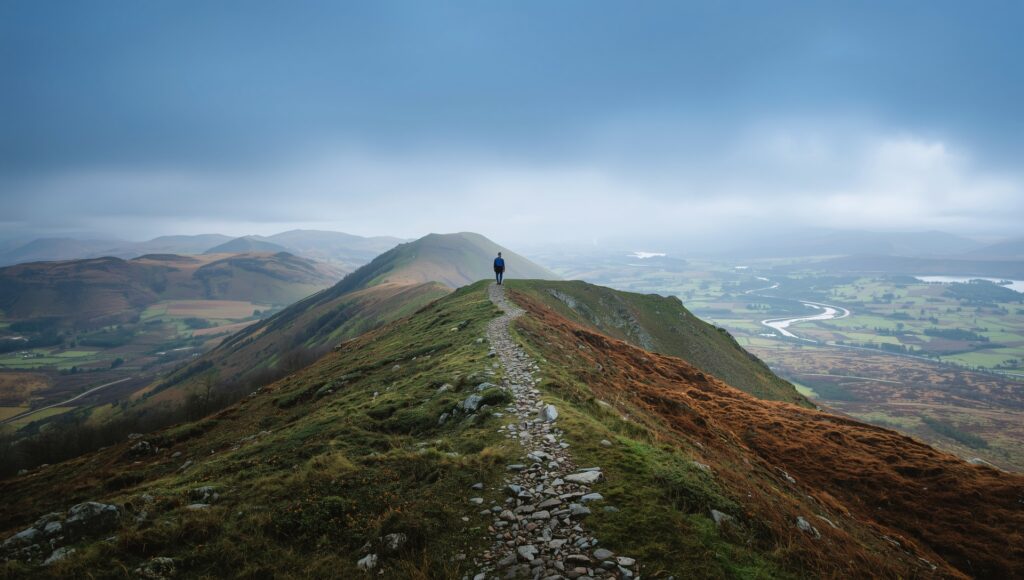
No matter what age you are, what skills you have, what educational qualifications you possess, what job you work in, or what emotional baggage you carry, you still have the opportunity to dream and achieve. Be open to possibility and opportunity. Look at the bigger picture and view your life as a journey of adventure and self-discovery.
Pat Falvey completed his first Seven Summits challenge at 42 years old, then completed them again at 51 to become the first person to do so twice. His journey started with local Irish peaks before progressing to international expeditions. This progression demonstrates that confidence builds through consistent action regardless of your starting point.
Self-discovery requires trying activities that reveal hidden capabilities. You might discover you excel at public speaking after forcing yourself to present at work. You might find you love hiking after joining friends on a guided Carrauntoohil hike. None of these discoveries happen whilst sitting in your comfort zone hoping for confidence to appear magically.
Learn From Mountaineering’s Confidence Lessons
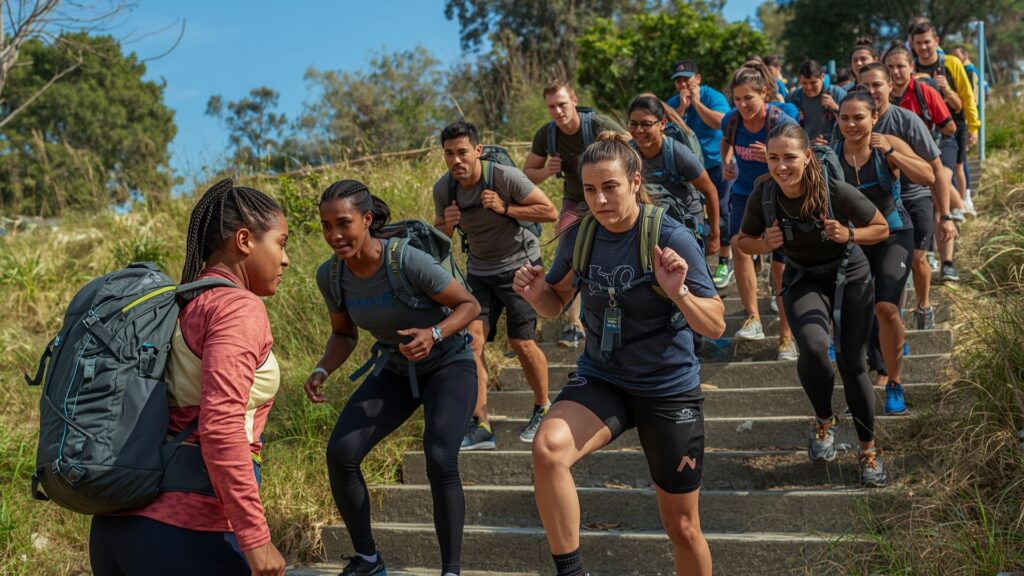
Mountains teach fundamental lessons about confidence that apply to every challenge in life.
Preparation Builds Confidence Before the Challenge
Climbers who train properly arrive at the mountain confident in their physical capability. They’ve walked the distances, carried the weight, and built the fitness required for success. This preparation creates calm confidence rather than nervous hope. Pat Falvey’s training programmes for Kilimanjaro span 12-16 weeks and build gradually from easy walks to challenging hikes.
Discomfort Builds Strength and Confidence
Every mountain climb involves discomfort. Your legs ache, your lungs burn, and your mind begs you to stop. Pushing through this discomfort builds confidence because you prove you can handle suffering and keep moving forward. Avoiding discomfort keeps you weak and uncertain. Building confidence requires deliberately choosing uncomfortable situations that challenge your current capacity.
Small Steps Lead to Big Summits
No one teleports to the summit. Every peak requires thousands of steps, each one moving you slightly higher. This patience and persistence builds confidence through consistent progress. Focus on the next 100 metres rather than the remaining 1,000 metres. This present-moment focus prevents overwhelm and maintains confidence through manageable chunks.
Training Programmes That Build Physical and Mental Confidence
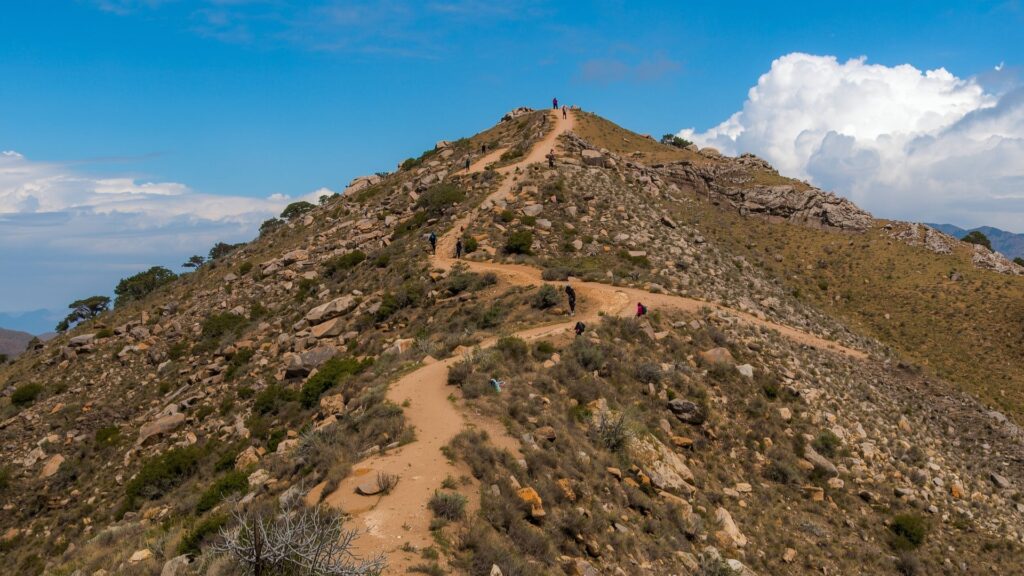
Pat Falvey Irish & Worldwide Adventures offers training programmes designed to build both physical fitness and mental confidence. Training for mountain expeditions builds confidence through progressive difficulty. Week one might involve 5-kilometre walks on flat terrain. Week twelve adds weighted packs and technical terrain. This progression proves to participants that they’re becoming more capable each week.
Group training creates accountability and community support that accelerates confidence building. Training alongside others pursuing similar goals provides motivation during difficult sessions. The social aspect of training at The Mountain Lodge in Kerry adds enjoyment to the preparation process whilst building connections with like-minded adventurers.
Mental training complements physical preparation. Visualisation exercises help climbers imagine successful summits. Breathing techniques manage anxiety during challenging sections. Goal-setting workshops break large objectives into manageable steps. These mental skills build confidence by giving participants tools to manage their thoughts and emotions under pressure.