
Self-confidence affects every aspect of life, from personal relationships to professional success. Whilst fears and insecurities touch everyone, lacking confidence creates barriers that prevent growth and happiness. The ability to boost your confidence comes from consistent habits rather than quick fixes. This guide presents eight practical methods that help build genuine self-assurance through daily actions and mindset shifts.
Know and Believe That You Are a Valuable Human Being

Building confidence starts with self-acceptance. Without this foundation, external techniques produce only temporary results.
The ability to boost your confidence begins with accepting your inherent worth. This truth forms the foundation for all other confidence-building methods. Without self-acceptance, you remain timid and fearful regardless of techniques you try. Conversely, recognising your value makes developing confidence easier and more natural.
Believing in your worth differs from conceit. Confidence stems from recognising yourself as a unique individual with distinct contributions to offer society. This belief system provides the mental foundation that supports all other confidence-building habits. Self-worth creates the secure base from which genuine confidence grows.
Research shows that self-acceptance correlates strongly with overall life satisfaction and mental wellbeing. People who accept themselves demonstrate greater resilience when facing setbacks and criticism.
Leave Home Well Dressed and Groomed

Physical presentation creates immediate psychological effects. How you prepare yourself before leaving home influences your mindset throughout the day.
A celebrity once noted she never leaves home without looking her best because she never knows whom she might encounter. This principle applies to building confidence through appearance. Ensuring you leave home well dressed and properly groomed serves as a key method to boost your confidence daily.
The impact seems obvious, yet many people underestimate how dressing well or maintaining good grooming affects self-perception. A fresh shave, clean clothes, and attention to appearance create noticeable differences in how you feel and think about yourself. This external care translates into internal confidence that carries through your interactions.
Studies demonstrate that clothing choices affect cognitive performance and self-perception. Researchers call this phenomenon “enclothed cognition”, which describes how garments influence psychological states. Dressing professionally or smartly activates mental associations with competence and capability.
Check Your Posture

Body positioning affects mood and self-perception more than most people realise. Correcting posture provides an immediate confidence boost.
Posture affects confidence levels massively when sitting down, standing up, or walking. Slouching or slumping negatively impacts both physical health and mental state. According to multiple studies, poor posture contributes to feelings of sadness and fear. These negative emotions feed insecurity, which depletes confidence reserves.
Making proper posture a daily habit requires conscious effort initially. Correct posture means keeping your chin up, chest out, and shoulders and back straight. This physical positioning sends signals to your brain that boost your confidence naturally. The mind-body connection works both ways: confident feelings improve posture, and improved posture builds confidence.
Research from health psychology demonstrates that upright posture increases positive mood and reduces fatigue compared to slumped positions. Participants maintaining good posture during stress tests showed higher self-esteem and lower fear responses.
Increase Your Competence
Genuine confidence grows from real ability. Developing skills provides the foundation for legitimate self-assurance.
Becoming more competent personally and professionally offers an excellent way to boost your confidence. This happens through finding opportunities to learn, grow, and improve. Real competence creates authentic confidence rather than false bravado.
For instance, aspiring to become a competent photographer means studying and practising unfamiliar techniques. The key involves progressing one step at a time rather than attempting advanced techniques immediately. Learning multiple new skills simultaneously may overwhelm you and damage confidence instead of building it.
The competence-confidence connection operates through what psychologists call “self-efficacy” – belief in your ability to succeed at specific tasks. As you develop genuine skills, evidence of your growing competence accumulates. This evidence base supports realistic confidence in your abilities.
Professional development programmes recognise this principle by structuring learning in progressive stages. Each mastered level provides proof of competence that supports attempting the next challenge. This systematic approach to boost your confidence through skill-building creates sustainable results.
Constantly Shoot for Achievable Goals

Goal-setting strategies directly impact confidence levels. Choosing appropriate targets determines whether efforts build or damage self-assurance.
This principle relates closely to building competence. Too often, people attempt to shoot for the moon, becoming discouraged when they fail. A better approach involves aiming for goals that stretch abilities without overwhelming them. The strategy to boost your confidence involves taking progress a few steps at a time.
The size of individual learnings matters less than consistent progression. Regular small wins compound into significant improvements whilst maintaining motivation. Eventually, this approach builds greater confidence and capacity for tackling larger challenges.
Goal-setting research distinguishes between outcome goals and process goals. Outcome goals focus on end results (“lose 10 kilograms”), whilst process goals emphasise actions (“exercise four times weekly”). Process goals prove more effective for building confidence because they remain within your control and provide frequent achievement opportunities.
The SMART framework (Specific, Measurable, Achievable, Relevant, Time-bound) helps structure goals appropriately. Achievable goals challenge current abilities whilst remaining realistic given available resources and constraints.
Volunteer

Social confidence develops through practice in supportive environments. Volunteering provides ideal conditions for building interpersonal skills.
Putting yourself on the frontline through volunteering offers an excellent way to boost your confidence. Volunteering provides opportunities to meet people from different backgrounds, which proves valuable for anyone wanting greater confidence in social situations.
Volunteering eliminates shyness through regular interaction with diverse individuals. The knowledge that you contribute something useful and worthwhile creates immediate positive feelings. Helping others generates satisfaction that reinforces self-worth and social confidence.
Studies show that volunteers report higher life satisfaction and lower depression rates compared to non-volunteers. This correlation partly stems from the confidence gained through meaningful social contribution.
Different volunteering roles suit different confidence-building needs. Direct service roles (serving meals, teaching) build interpersonal confidence, whilst behind-the-scenes roles (administration, maintenance) allow gradual social exposure for those with severe shyness.
Work Out

Physical fitness influences mental confidence through multiple pathways. Exercise creates both physiological and psychological benefits for self-assurance.
A few minutes at the gym three to four times weekly proves sufficient to make you feel and look better. People who exercise regularly demonstrate higher confidence than those who remain sedentary. This happens partly because physical fitness improves appearance, but biochemical factors also contribute.
Exercise promotes endorphin release from the brain. These “feel good” chemicals create immediate mood improvements that support confident mental states. Regular physical activity builds this positive feedback loop between fitness, appearance, mood, and confidence.
Research demonstrates that exercise programmes improve self-esteem across all age groups and fitness levels. The confidence benefits begin before significant physical changes become visible. The act of maintaining an exercise routine itself builds self-efficacy and discipline that transfer to other life areas.
Strength training specifically correlates with confidence increases beyond cardiovascular exercise alone. Building physical strength creates tangible evidence of growing capability.
Think and Act Positively
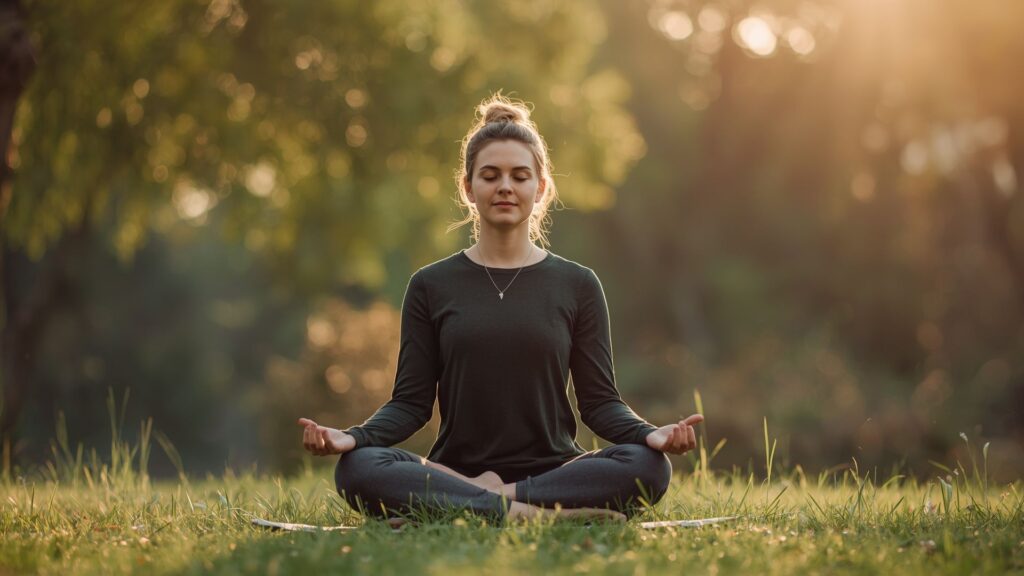
Mental habits shape confidence levels profoundly. Learning to manage thoughts and actions creates lasting confidence improvements.
Thoughts exert enormous impact on emotional states. When your mind fills with negative thoughts, you tend to complain constantly. Negative thinking also instils fear, which saps confidence away. The mind proves potent, and your mental focus affects both emotions and circumstances.
For this reason, learning to control thoughts becomes crucial. Teaching yourself to replace negative thoughts with positive ones represents a key skill to boost your confidence. Similarly, training yourself to speak encouragement rather than criticism builds optimism. The more you practise these mental habits, the more confident you become.
Cognitive behavioural therapy research demonstrates that changing thought patterns changes emotional responses and behaviours. Identifying automatic negative thoughts and challenging them with evidence creates more balanced, realistic thinking.
Positive thinking differs from unrealistic optimism. Effective positive thinking acknowledges challenges whilst maintaining focus on solutions and possibilities. This balanced approach creates resilient confidence that withstands setbacks rather than fragile optimism that collapses when facing difficulties.
Action reinforces thought patterns powerfully. Acting confidently even when feeling uncertain creates feedback that gradually aligns feelings with actions. This “act as if” principle works because behaviour influences emotion.
Preparing for Your Confidence-Building Journey

Building confidence requires commitment to consistent practice. These eight habits work synergistically when implemented together rather than in isolation. Starting with two or three methods prevents overwhelm whilst allowing progress to begin.
Tracking progress helps maintain motivation and provides evidence of improvement. Keeping a simple journal noting which habits you practised daily creates accountability. Recording observations about confidence levels over time reveals patterns and progress that might otherwise go unnoticed.
Setbacks occur during any personal development journey. Days when you neglect these habits or feel particularly unconfident do not erase previous progress. Confidence-building operates cumulatively through the overall pattern of efforts rather than perfect consistency.
Different methods resonate more strongly with different individuals. Experimenting with all eight habits helps identify which techniques produce the strongest results for your particular situation. Once you identify the most effective methods, intensifying focus on those approaches accelerates progress.
Remember that building confidence remains possible regardless of starting point or past experiences. People who describe themselves as naturally shy or anxious successfully boost your confidence through dedicated practice of these methods. The key lies in consistent application rather than innate personality traits.