
This guide provides advice about food that supports long-term health and wellbeing based on current nutritional research. Pat Falvey Irish & Worldwide Adventures recognises that proper nutrition fuels peak performance on mountains and in daily life. This article covers essential principles including sugar reduction, omega-3 intake, vegetable consumption, and the difference between diets and lifestyle changes.
Understanding the Fundamentals of Food Advice
The health and wellness world contains considerable controversy about what constitutes proper advice about food. Recommendations change over time as new research emerges each year, making it challenging to determine which principles remain valid. These pieces of advice about food are essential foundations for better health, and we hope you find value in applying them to your daily routine.
Reliable advice about food focuses on evidence-based principles rather than temporary trends. The following tips represent well-researched nutritional guidelines that support both everyday wellness and peak physical performance, whether you are preparing for guided Carrauntoohil hikes or simply maintaining your health at home in Kerry.
Why Added Sugar Damages Your Health

Added sugar represents one of the most harmful components in modern food. This advice about food is universal across nutritional science. Sugar contains no beneficial nutrients, and excessive consumption leads to deficiencies because it displaces nutrient-rich foods from your diet.
Sugar, mainly due to high fructose content, is implicated as a leading cause of obesity, cardiovascular disease and type II diabetes. Research shows that populations consuming high amounts of added sugar experience significantly higher rates of metabolic disorders.
Fizzy drinks rank among the worst sources of added sugar in daily diets. Eliminating these beverages and reserving them only for occasional treats represents one of the most effective dietary changes you can make. A single can of soft drink contains approximately 35 grammes of sugar, which exceeds the recommended daily limit in one serving.
The Critical Role of Omega-3 Fatty Acids

Omega-3 fatty acids are essential for proper functioning of the human body. This advice about food addresses one of the most common nutritional deficiencies in Western diets. Omega-3 deficiency is associated with various mental disorders, heart disease and many other serious conditions.
The best sources of omega-3 fats come from animal sources, particularly fish (fish oil) and meat from grass-fed animals. Oily fish such as salmon, mackerel, sardines and herring provide the highest concentrations of EPA and DHA, the two most beneficial forms of omega-3.
Avoiding deficiency in these essential fatty acids helps prevent many diseases and supports cognitive function, cardiovascular health and inflammatory response. Supplements can be used to obtain these nutrients when dietary sources are insufficient, though whole food sources remain preferable. The recommended intake is at least two portions of oily fish per week, which provides approximately 450 milligrammes of omega-3 per day.
Why No Single Perfect Diet Exists
Every person is unique. We all have differences in body type, culture, environment and activity level that affect which type of food works best for us. This advice about food recognises individual variation rather than promoting one-size-fits-all solutions.
The fact is that what works for one person may not work for another. Some people thrive on higher carbohydrate intake, particularly those engaged in endurance activities like Kilimanjaro expeditions, whilst others perform better with higher fat consumption. Genetic factors, gut microbiome composition and metabolic rate all influence how your body processes different foods.
Try different approaches until you find something that produces results and that you enjoy. The best food plan for you is the one that delivers measurable improvements in energy, body composition and health markers, and that you can maintain long-term without feeling deprived.
The Essential Benefits of Eating Vegetables
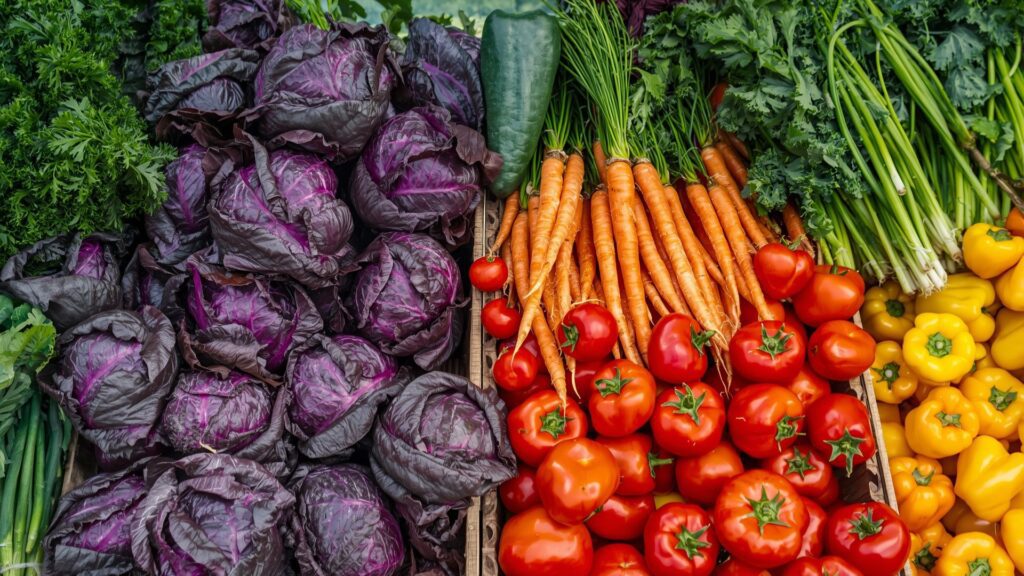
Vegetables provide exceptional nutritional value, yet most people do not eat enough of them. This advice about food is perhaps the most universally accepted principle in nutritional science. Vegetables are rich in vitamins, minerals, fibre, antioxidants and an endless variety of trace nutrients.
Studies show that eating vegetables is associated with improved health and lower risk of disease across all major health outcomes. They are healthy, fulfilling and add variety to any food plan. Different coloured vegetables provide different phytonutrients, which is why nutrition experts recommend eating a rainbow of vegetables throughout the week.
Aim for at least five portions of vegetables daily, with each portion being approximately 80 grammes. Dark leafy greens, cruciferous vegetables like broccoli and cauliflower, and colourful options like peppers and tomatoes all offer distinct nutritional benefits. For those training for Everest Base Camp treks or other mountain adventures, vegetables provide the micronutrients essential for recovery and immune function.
Understanding Vitamin D Requirements

The skin produces vitamin D when ultraviolet rays from the sun contact exposed skin. This is how humans obtained most of their daily requirement throughout evolutionary history. However, modern lifestyles and geographical location create widespread vitamin D deficiency.
In many places, including Ireland, the sun is not available at sufficient intensity throughout most of the year. Even where sun exposure is possible, people tend to stay indoors frequently and use sunscreen when outside. Sunscreen, whilst vital for preventing skin cancer, efficiently blocks vitamin D generation in the skin.
If getting more sun is not an option, taking a vitamin D3 supplement provides the most reliable solution. The recommended dose is 1000-2000 IU daily during winter months in Ireland. Cod liver oil offers an alternative source, with one tablespoon providing approximately 1360 IU of vitamin D along with beneficial omega-3 fatty acids. This advice about food supplements is particularly important for those spending significant time at The Mountain Lodge during winter training periods.
The Limited Role of Supplements
Supplements cannot replace the nutrients you obtain from real foods. This advice about food emphasises whole food sources over isolated nutrients. Whilst supplements can be beneficial, especially for nutrients lacking in the diet, it is much more important to eat real, nutritious foods than to count on supplements to provide needed nutrients.
Whole foods contain thousands of compounds that work synergistically, including fibre, enzymes and phytonutrients that supplements cannot replicate. The bioavailability of nutrients from whole foods typically exceeds that of synthetic supplements. For example, vitamin C from oranges is absorbed more effectively than isolated ascorbic acid tablets.
Supplements serve specific purposes, such as correcting diagnosed deficiencies or meeting increased needs during high-altitude mountaineering. However, they should complement rather than replace a varied, nutrient-dense diet built on real food.
Why Diets Fail But Lifestyle Changes Succeed

Diets are ineffective for long-term results. They lead to short-term changes, but as soon as you resume previous eating patterns, weight returns. This advice about food addresses one of the most common failures in health improvement.
You lose considerable weight on restrictive diets, then gain it back whenever you stop the diet and return to normal eating. The metabolic adaptations that occur during calorie restriction actually make weight regain more likely. Your body reduces metabolic rate to conserve energy, which means you burn fewer calories at rest.
The approach that delivers actual long-term results is adopting a lifestyle change rather than following a temporary diet. A lifestyle change means permanently modifying your relationship with food, learning to enjoy nutritious options, and building sustainable habits. This might include learning to cook simple healthy meals, understanding portion sizes without obsessive tracking, and finding physical activities you genuinely enjoy, such as guided hiking adventures in Kerry.
The Superiority of Unprocessed Foods
The most important thing you can do to ensure optimal health is to eat real food. This advice about food is straightforward but often ignored in modern convenience-focused lifestyles.
You know what real food is. Meat, fish, eggs, vegetables, fruits and nuts all represent excellent examples of real food. These items spoil relatively quickly because they lack preservatives and contain natural enzymes. They come from nature rather than factories.
You recognise processed food by certain characteristics. If an ingredient list is longer than your hand, the food is probably not right for you. If it started as real food and then went through fourteen processing steps to reach the point where you eat it, the final product is probably not as nutritious as the original ingredient. Ultra-processed foods contain additives, preservatives, artificial colours and flavours that serve manufacturing purposes rather than nutritional ones.
Prioritise foods with short ingredient lists containing items you recognise and could find in a traditional kitchen. This principle applies whether you are training for Aconcagua expeditions or simply maintaining health at home.
The Critical Importance of Hydration

Water intake represents one of the most overlooked aspects of proper nutrition. We do not drink enough water in day-to-day life, despite our bodies being composed mostly of water. This advice about food includes hydration because water supports every bodily function.
Adequate hydration improves physical performance, cognitive function, digestion and nutrient absorption. Research shows that even mild dehydration of 1-2% body weight impairs concentration and physical performance. Thirst is not a reliable indicator of hydration status because it only triggers after dehydration begins.
Drinking more water makes your body function properly. Aim for approximately 2 litres daily as a baseline, with increased intake during physical activity or warm weather. Mountain athletes preparing for Salkantay and Machu Picchu treks should prioritise hydration in the weeks before departure to ensure optimal acclimatisation.
Practical Implementation Strategies

Implementing this advice about food requires practical strategies rather than perfectionistic approaches. Start by making one change at a time rather than attempting to overhaul your entire food intake simultaneously.
Begin with the change that seems easiest or most appealing to you. Perhaps eliminating fizzy drinks feels achievable, or adding one extra portion of vegetables to dinner seems manageable. Success with small changes builds confidence and momentum for additional improvements.
Track your progress without obsessing over perfection. Note how you feel after implementing each change. Many people report improved energy levels within days of reducing added sugar or increasing vegetable intake. These tangible benefits provide motivation to continue.
Plan your meals in advance when possible. Having nutritious food readily available prevents defaulting to processed convenience options during busy or stressful periods. Preparing extra portions during cooking provides healthy meals for the following day. This strategy proves particularly valuable for those balancing training for adventures like Mount Toubkal climbs with work and family commitments.
Connecting Nutrition to Performance

Proper nutrition fuels performance whether you are summiting peaks or managing daily responsibilities. This advice about food recognises that what you eat directly impacts what you can achieve physically and mentally.
Athletes preparing for mountaineering expeditions require adequate carbohydrates for sustained energy, protein for muscle repair, and fats for hormone production. However, the same principles apply to anyone seeking to function optimally. Your brain consumes approximately 20% of your daily calories despite representing only 2% of body weight.
Quality food choices support recovery from physical stress, reduce inflammation, and provide the building blocks for cellular repair. Poor nutrition creates an uphill battle regardless of training volume or effort. The mountaineers who successfully complete Annapurna Base Camp treks consistently report that nutrition preparation proved as important as physical training.
Consider food as fuel that determines performance quality. Premium fuel produces optimal performance, whilst poor quality fuel limits potential regardless of other factors.