
Life is important because every person creates impact through their existence, actions, and connections with others. Understanding this fundamental truth strengthens self-belief and fosters compassion for yourself and those around you. This guide explores why feeling important matters, how small gestures create recognition, and practical ways to acknowledge your value while honouring others.
The significance of a person’s life often becomes most visible after they die. Only then do we fully grasp the role they played and the impact they had on everyone they touched. This truth applies not just to famous or influential figures but to every single person. Life is important because we all affect others in meaningful ways, whether we realise it or not. Even those who seem insignificant, powerless, or disposable live lives that matter deeply. When we choose to live our life to the best of our ability, we acknowledge that life is important and become more compassionate human beings.
Philosopher William James stated: “Act as if what you do makes a difference. It does.” These words capture a fundamental truth about human existence. Every person matters, and each one of us makes a difference during our time on Earth. Life is important not because of the noise we make, the money we earn, or the number of people surrounding us. The most profound impact often comes from quiet contributions that leave lasting footprints. However, accepting that our existence matters is not enough. We need recognition from others to truly feel that life is important to us personally.
Why Feeling Important Matters to Human Wellbeing

Life is important, and humans possess an inherent need to feel that importance reflected back to them. This need for recognition forms part of our basic psychological makeup. Without regular confirmation of our worth from others, our self-belief diminishes and our confidence in our abilities weakens. This is not vanity or weakness but a core human requirement that connects to our need to be wanted and needed.
Parents tell young children they are the most important people in the world. Most of us heard these words during childhood, creating a sense of being wanted, honoured, and valued. These early assurances gave us a foundation for understanding that life is important. As we grow into adulthood, society assumes we no longer need these confirmations. We make the same assumption about ourselves. Yet we continue needing these assurances throughout our lives, whether we like it or not.
Many people feel guilty about this need for recognition. Some deny this basic desire entirely, becoming so self-effacing that others must work hard to make them feel valued. This approach wastes time and creates unnecessary complexity. A healthier path acknowledges our need to feel important as natural and valid, consistent with our fundamental human nature. When we understand that life is important and that feeling important is a legitimate need, we can pursue recognition honestly rather than through complicated emotional manoeuvres.
How Small Gestures Create Powerful Recognition

The ways we make people feel that life is important often involve surprisingly small actions. A factory manager needed monthly reports from workers finishing night shifts. The tired workers resisted providing the necessary details after long hours. When a new manager took over, she recognised how they felt and arranged for quality refreshments after their shifts. The workers responded positively and happily provided all required information. What changed? The new manager recognised the workers’ importance through a simple gesture of hot tea and decent biscuits, sincerely meant.
This example demonstrates that recognising life is important does not require grand gestures or expensive interventions. Small acts of acknowledgement carry tremendous power when they genuinely recognise another person’s value and contribution. The refreshments cost little, but they communicated respect, awareness, and appreciation. The workers felt seen and valued, transforming their attitude toward a task they previously resented.
These moments of recognition strengthen our self-belief and confidence in our abilities. When others acknowledge that life is important by valuing our contributions, we feel motivated to contribute more. Conversely, when we take others for granted, we diminish their sense of worth and the value they place on their contributions. The same happens to us when our efforts go unappreciated. This creates a cycle where lack of recognition breeds disengagement and decreased contribution. Leaders who understand this principle, much like those who deliver motivational leadership presentations, recognise that acknowledging people’s worth transforms organisational culture and individual performance.
The Danger of Making People Feel Invisible

People often describe becoming invisible, especially as they age in a world that idolises youth. This invisibility stems from a sense that life is important to others but not to them personally anymore. What they say or do seems to carry no consequence. This treatment damages not only those made to feel invisible but also those doing the dismissing. Unless we change this pattern, we will eventually find ourselves in the same position, dismissed as no longer mattering.
When we fail to recognise that life is important across all ages and circumstances, we create a society that devalues vast segments of its population. Elderly people who do unexpected or wild things capture public attention precisely because they assert: “I am important. I still matter. I am still alive.” We celebrate these moments because they offer hope for our own futures, showing that life is important regardless of age. These acts remind us that value and contribution do not expire at a certain birthday.
The concept of invisibility extends beyond age. People feel unseen when their contributions go unacknowledged in workplaces, families, and communities. When we fail to recognise that someone’s life is important, we undermine their sense of purpose and belonging. This creates isolation and disconnection, weakening the fabric of our relationships and social structures. The solution requires consistent, genuine acknowledgement that every person’s life is important and that everyone brings valuable contributions to their environments.
Building a Culture of Mutual Recognition

Accepting that life is important for ourselves and everyone else represents a simple yet vital lesson for maintaining a healthy mindset throughout our life journey. This acceptance engenders respect and gratitude for ourselves and others. When we truly believe that life is important universally, not just for certain people or in certain circumstances, we transform how we interact with the world.
Creating this culture starts with daily practices of recognition. Notice the contributions others make, even small ones. Express appreciation specifically rather than generically. Say “Thank you for preparing that report so thoroughly” rather than just “Thanks.” The specificity shows you genuinely noticed and valued the effort. These small acknowledgements accumulate, building an environment where people feel that life is important and their contributions matter.
This approach extends to self-recognition as well. Acknowledge your own contributions without waiting for others to do so. Celebrate your efforts and achievements, understanding that recognising your own value does not diminish others. When you internalise that life is important, including your own life, you build resilience against the inevitable moments when external recognition falls short. This self-acknowledgement must remain grounded in reality rather than inflated ego, recognising genuine contributions and efforts.
Within organisations, leaders can establish systems that ensure regular recognition. Monthly acknowledgements, peer recognition programmes, and simple check-ins all communicate that life is important and that individual contributions create collective success. These structures prevent recognition from depending solely on whether someone remembers to express appreciation in the moment. They create consistent patterns that reinforce the message that every person matters. Professional speakers who address corporate events and leadership development often emphasise how recognition systems transform workplace culture and employee engagement.
Practical Steps for Recognising Value Daily

Understanding that life is important translates into concrete actions that strengthen relationships and communities. Start each day by identifying three contributions you will make, however small. This practice centres your awareness on your value and sets an intention for meaningful engagement. At day’s end, reflect on these contributions and acknowledge your follow-through.
Extend this practice to others by noticing three specific contributions from people around you each day. Express appreciation directly when possible. When direct communication is not feasible, note these observations privately. This practice trains your awareness to seek and recognise value rather than overlooking it. Over time, this becomes automatic, transforming how you perceive and interact with others.
In professional settings, begin meetings by acknowledging specific contributions from team members since the last gathering. This sets a tone that life is important and that individual efforts create collective progress. End meetings by thanking specific people for their participation or insights. These bookends of recognition frame the work within a context of mutual value and appreciation.
For personal relationships, establish rituals of recognition. Weekly family gatherings might include a moment where each person shares something they appreciated about another family member that week. Friendships benefit from periodic explicit acknowledgement of what the relationship brings to your life. These practices prevent relationships from drifting into taking each other for granted. Creating meaningful experiences together, such as guided adventure experiences or transformative expeditions, strengthens bonds while acknowledging shared importance.
The Connection Between Importance and Compassion
Recognising that life is important cultivates compassion for ourselves and others. When we understand that every person carries inherent worth regardless of their current circumstances or contributions, we develop patience and kindness. This compassion does not excuse harmful behaviour or eliminate accountability. Instead, it acknowledges the fundamental value of each person while addressing actions and choices.
This perspective proves particularly valuable during conflicts and disagreements. When you remember that the other person’s life is important, even when you disagree with their position or actions, you maintain respect for their humanity. This enables more productive conversations and creates space for resolution rather than escalation. The conflict addresses specific issues without attacking the person’s fundamental worth.
Self-compassion flows from the same understanding. When you fail or make mistakes, remembering that your life is important prevents self-condemnation from becoming destructive. You can acknowledge errors and commit to improvement while maintaining belief in your inherent value. This balanced approach supports genuine growth rather than shame-based motivation that ultimately undermines wellbeing. Taking time for reflection in supportive environments, such as retreat spaces designed for personal development, helps deepen this understanding and strengthen self-compassion practices.
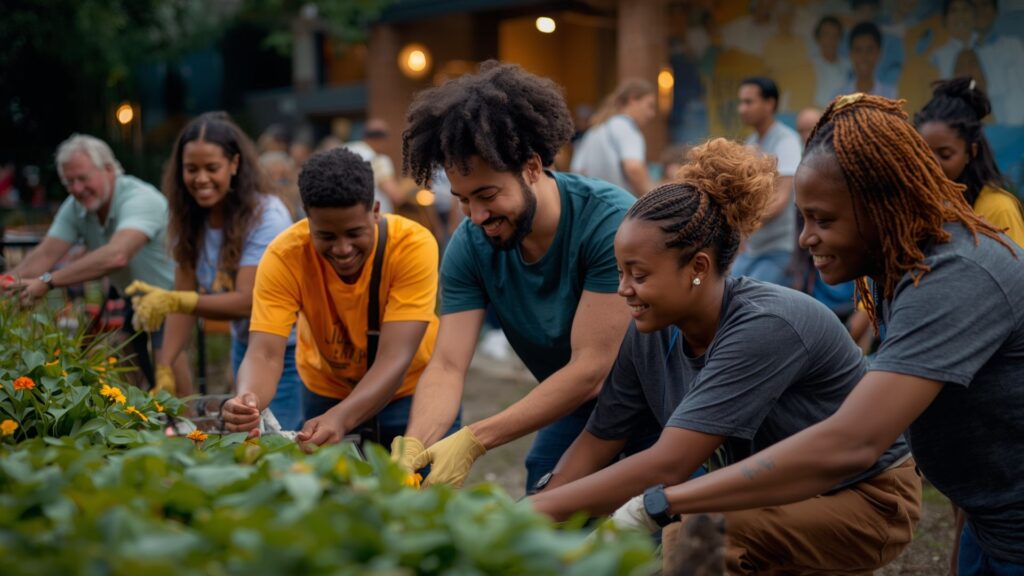
Communities built on the understanding that life is important create environments where people thrive. Support systems develop naturally when people believe in mutual value. Cooperation replaces competition for recognition because there is enough acknowledgement for everyone. This abundance mindset recognises that acknowledging another person’s importance does not diminish your own. Giving meaningful experiences as gifts demonstrates this principle by offering others opportunities to recognise their own worth through achievement and personal growth.
FAQs
Recognition of our worth is a basic human psychological need that develops from early childhood. When we feel important, our self-belief and confidence increase, enabling us to contribute more meaningfully to our relationships and communities.
Small gestures demonstrate genuine awareness and appreciation for another person. A sincere thank you, thoughtful refreshments, or remembering specific details shows that you notice and value them, which often matters more than the size of the gesture itself.
Their self-belief and confidence become undermined, leading to feelings that their contributions carry no value. This creates disengagement and isolation, damaging both the individual and the community.
It acknowledges inherent human worth regardless of circumstances or behaviour. This understanding enables us to address conflicts while maintaining respect for each person’s fundamental value, preventing dehumanisation even during disagreements.
Yes, healthy self-recognition appreciates your genuine contributions and inherent worth without inflating achievements or diminishing others. This grounded self-acknowledgement differs entirely from arrogance and builds resilience for meaningful contribution.