
Winter hiking transforms familiar trails into demanding expeditions requiring specific skills and equipment. These essential winter hiking tips prepare you for low temperatures, reduced visibility, and potentially hazardous snow and ice conditions. Hiking becomes more challenging during winter months due to temperatures dropping below freezing and hazardous conditions developing on mountain trails. Winter hiking tips include understanding these challenges before attempting cold-weather treks.
Proper preparation transforms winter hiking into a rewarding experience. Following proven winter hiking tips allows you to enjoy snow-covered landscapes safely. New hikers should avoid winter trails until they gain experience in easier conditions. Weather patterns and trail conditions vary significantly during winter months.
Snowy trails require enhanced fitness levels and specialised gear including crampons, ice axes, and insulated clothing. Budget €500-€800 for complete winter hiking equipment. Higher altitude winter hiking demands mountaineering skills for proper crampon and ice axe use. Pat Falvey Irish & Worldwide Adventures offers winter skills courses teaching these essential techniques.
Weather Conditions for Winter Hiking
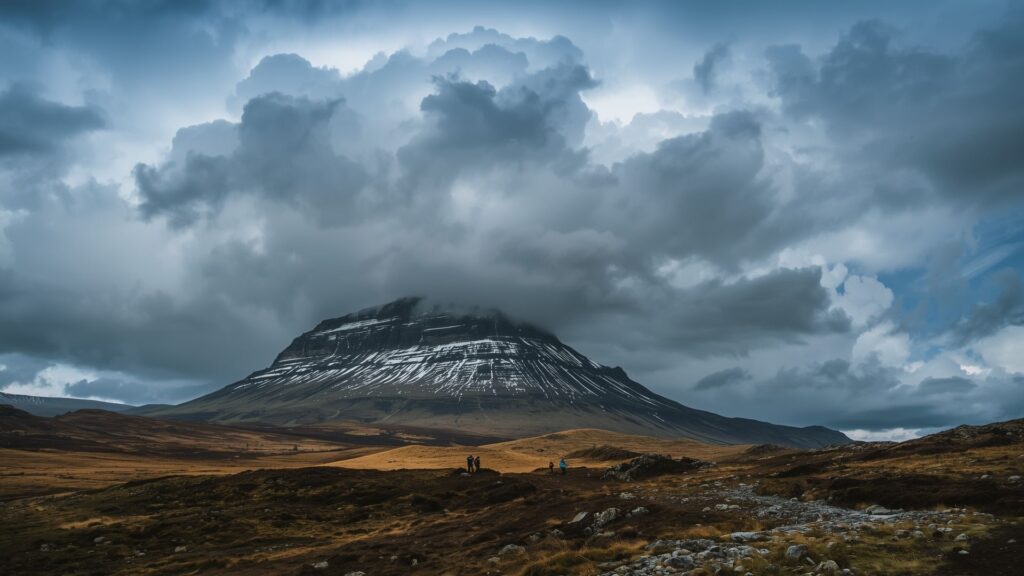
Weather forecasting forms the foundation of safe winter hiking. These winter hiking tips emphasise checking multiple weather sources 24 hours before departure. Winter weather deteriorates rapidly with snowfall, winds exceeding 50 kilometres per hour, and visibility dropping below 50 metres. Study detailed weather forecasts from Met Éireann or Mountain Weather Information Service before departure.
Postpone winter hikes when forecasts predict severe weather. Inexperienced hikers should wait for stable conditions with temperatures above minus 5 degrees Celsius and wind speeds below 30 kilometres per hour. Weather forecasts determine your layering strategy. Temperature readings guide base layer selection, while wind speed forecasts inform outer shell choices.
Route conditions change daily during winter months. Contact local mountain rescue teams or check trail reports on Carrauntoohil guided hikes pages for current snow depths and ice coverage information.
Essential Winter Hiking Equipment
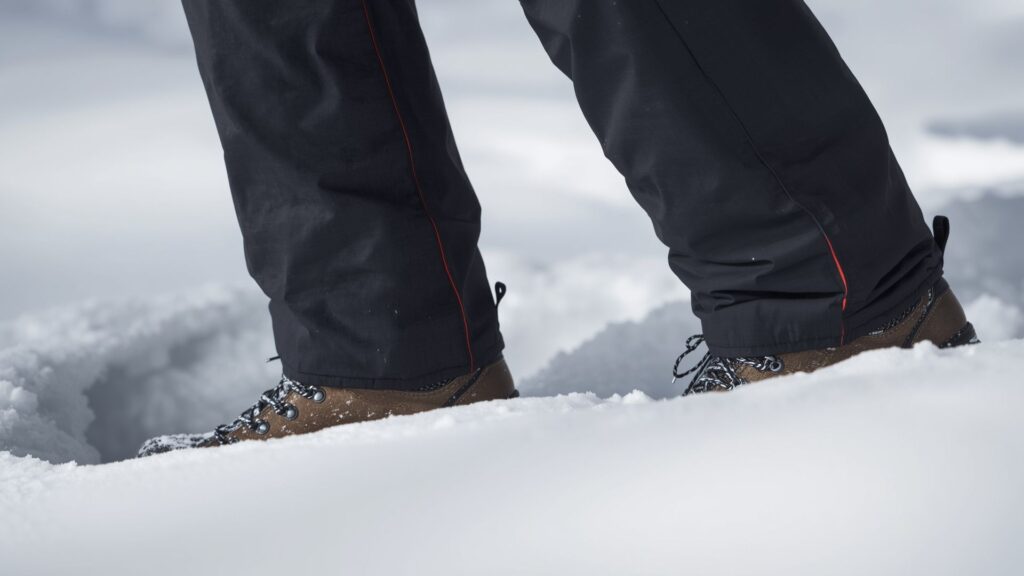
Winter hiking equipment separates comfortable treks from dangerous situations. Following these winter hiking tips ensures you carry appropriate gear. Snow and ice routes require specific equipment: gaiters prevent snow entering boots, crampons provide traction on firm ice, and ice axes enable self-arrest techniques during slips. This equipment directly impacts safety and comfort levels. Winter hiking tips recommend investing in quality gear rather than budget alternatives.
Gaiters
Gaiters create waterproof barriers between boot tops and lower legs. High-quality gaiters reach knee height and feature reinforced insteps resisting crampon damage. Gaiters prove essential on snowy trails by preventing snow infiltration into boots. Wet feet accelerate heat loss and increase frostbite risk.
Crampons and Ice Axes
Crampons attach to boot soles providing traction on ice and firm snow. Choose 10-point crampons for general winter hiking or 12-point models for steep terrain. Firm snow and ice surfaces require crampons for secure footing. Surface hardness determines crampon necessity.
Ice axes provide critical safety backup on icy terrain. Self-arrest techniques stop sliding falls before they become uncontrollable. Learn proper ice axe techniques through Kilimanjaro expeditions training programmes.
Layering Systems for Winter Hiking
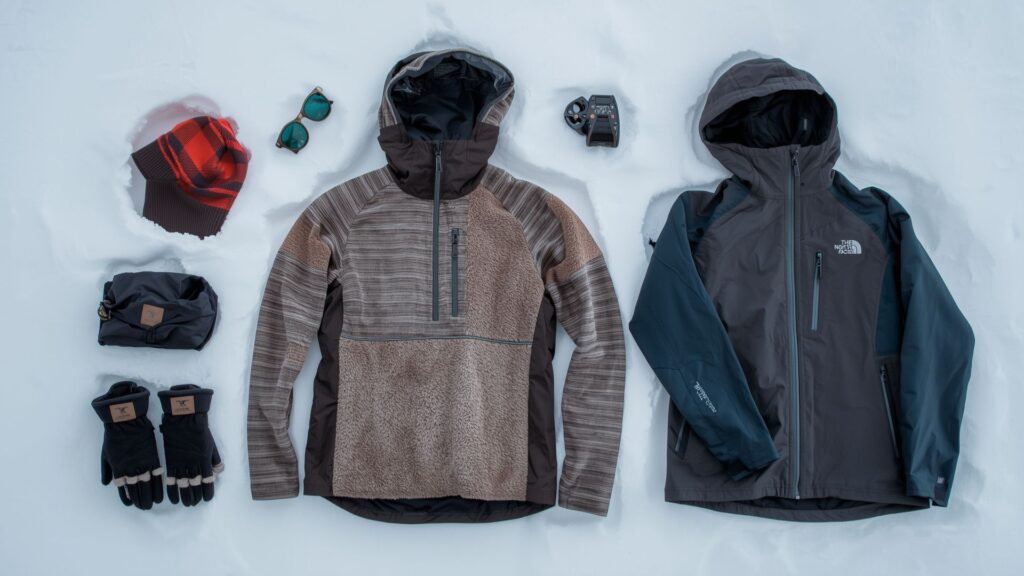
Proper layering regulates body temperature during exertion and rest periods. These winter hiking tips focus on three-layer systems managing moisture and heat. Upper body layering enables temperature regulation by adding or removing garments during activity changes. Flexible layering systems adapt to varying exertion levels.
Base Layer Selection
Base layers sit against skin wicking moisture away from the body. Choose merino wool or synthetic fabrics weighing 200-260 grams per square metre for winter conditions. Base layers form the foundation of effective temperature regulation systems.
Mid Layer Insulation
Mid layers trap warm air whilst allowing moisture escape. Fleece jackets provide warmth without excessive weight. Select fleece weights between 200-300 grams per square metre for active winter hiking.
Outer Layer Protection
Outer shells protect against wind and precipitation. Waterproof breathable jackets with taped seams prevent moisture penetration whilst releasing internal vapour. Quick-drying fabrics prove essential as wet clothing conducts heat 25 times faster than dry materials. Avoid cotton which retains moisture and loses all insulating properties when wet.
Wet clothing accelerates hypothermia onset. Hypothermia symptoms begin when core body temperature drops below 35 degrees Celsius. Insulation weight-to-warmth ratios affect hiking performance. Modern synthetic insulation provides comparable warmth to down at 30 percent less weight whilst maintaining insulation when damp.
Lower Body Protection
Softshell trousers combine insulation with wind and snow protection for lower body warmth. Water-resistant fabrics with stretch panels allow natural movement whilst blocking wind chill. Complete your layering system with insulated accessories. Wear insulated hats covering ears, waterproof gloves with removable liners, and merino wool socks weighing 200-300 grams per square metre.
Winter Hiking Footwear Requirements
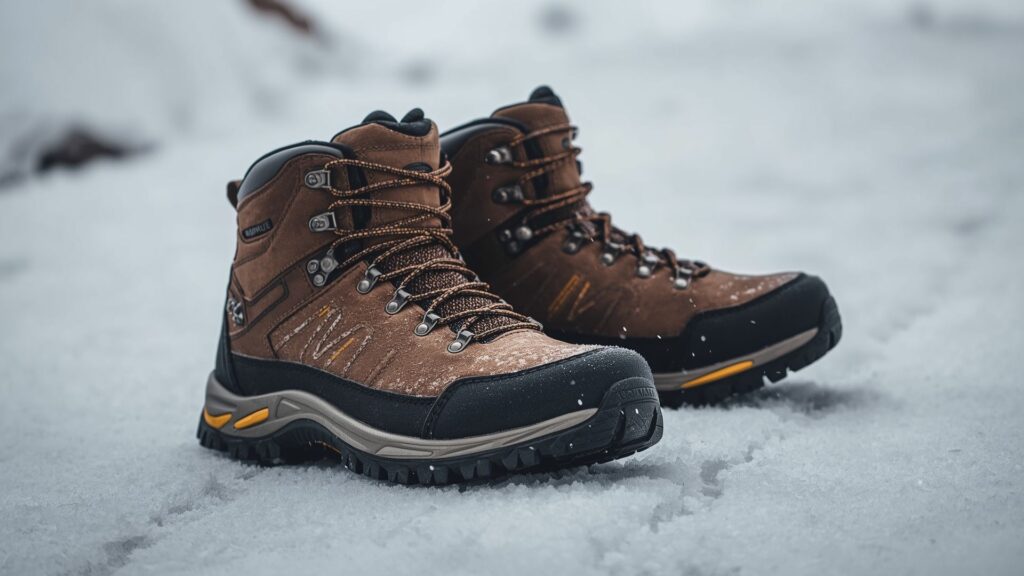
Appropriate footwear prevents cold injuries and provides secure footing on winter terrain. These winter hiking tips emphasise boot selection criteria. Winter hiking demands specialised footwear different from summer boots. Winter boots feature insulated linings and waterproof construction.
High-cut waterproof boots extending above ankles prevent snow entry whilst keeping feet warm and dry. Breathable membranes release foot moisture preventing internal dampness. Crampon-compatible boots feature semi-rigid or rigid soles preventing crampon detachment during use. B2-rated boots suit most winter hiking conditions with 10-point crampons.
Boot insulation ratings indicate temperature ranges. Select boots rated to minus 20 degrees Celsius for Irish winter conditions. Combine proper boots with gaiters and crampon-compatible soles for complete winter protection. Learn advanced footwork techniques on Everest Base Camp training treks.
Navigation During Winter Conditions
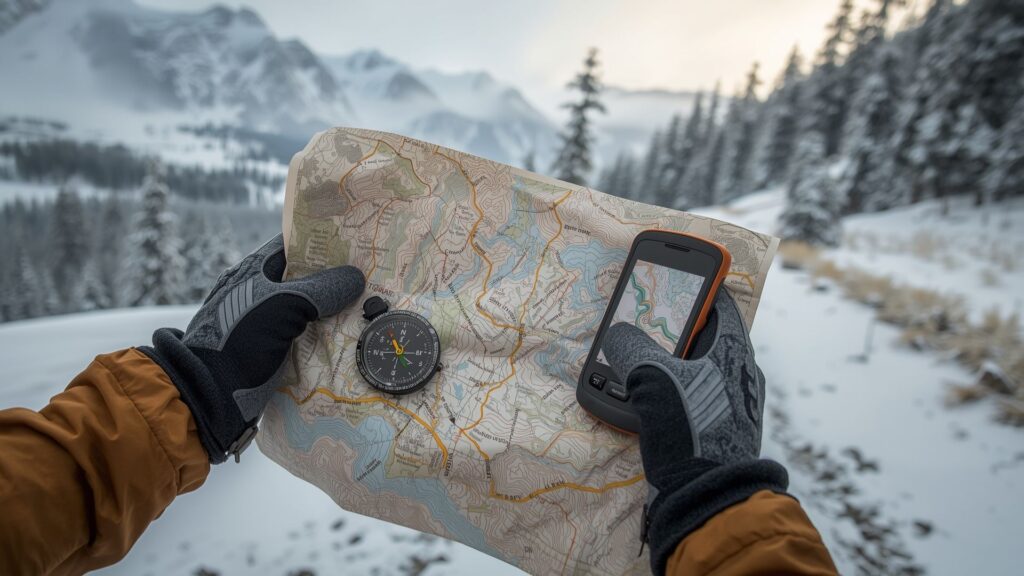
Winter navigation presents unique challenges requiring multiple backup systems. Snow coverage, reduced visibility, and electronic device limitations demand traditional navigation skills. Winter conditions complicate navigation through multiple factors. Understanding these challenges helps hikers prepare appropriate navigation solutions.
Path Visibility Challenges
Snow covers trails making path identification difficult. Summer cairns and waymarkers disappear beneath snow accumulation reaching 50-100 centimetres depth. Route planning requires studying maps before departure. Memorise key landmarks including distinctive rock formations, treelines, and ridge features visible above snow level.
Visibility Limitations
Low visibility occurs frequently during winter months. Cloud inversion, snowfall, and fog reduce visibility below 20 metres creating whiteout conditions where terrain features vanish. Visibility under 50 metres demands turning back unless you possess advanced navigation skills. Winter hiking tips include establishing turnaround protocols before poor visibility develops.
Electronic Device Battery Life
Battery performance decreases significantly in cold temperatures. Lithium batteries lose 20-40 percent capacity at temperatures below freezing. Keep GPS devices and smartphones inside insulated jacket pockets when not actively used. Carry fully charged backup battery packs stored against your body maintaining warm temperatures.
Backup Navigation Tools
GPS devices including handheld units, watches, and smartphones provide valuable navigation assistance in unfamiliar areas. Never rely solely on electronic devices during winter conditions. Carry magnetic compasses and waterproof topographic maps as backup navigation tools. Practice map and compass skills before winter trips. Download offline maps to smartphones providing backup to GPS units.
Hydration During Cold Weather Treks
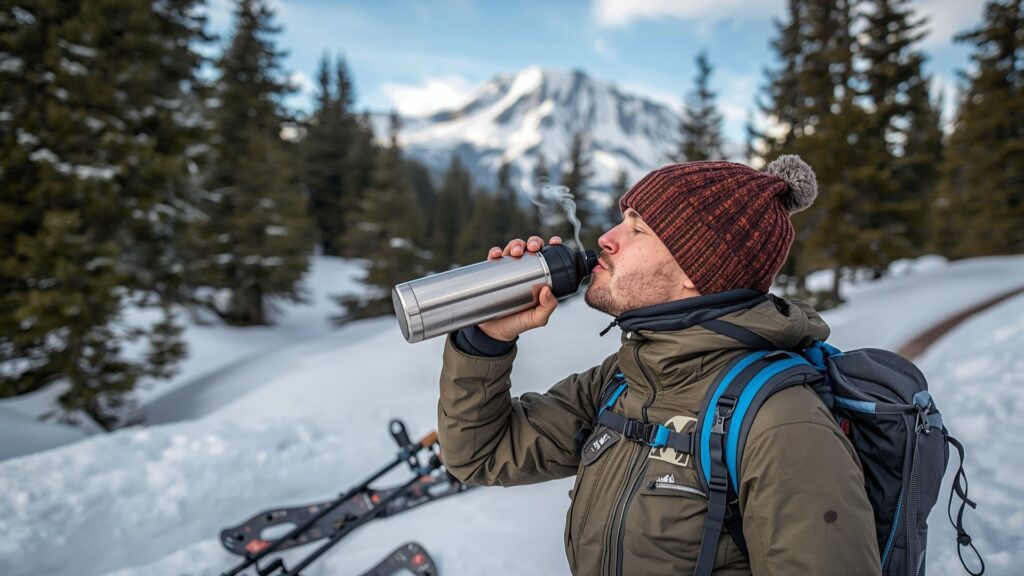
Proper hydration maintains performance during winter hiking despite reduced thirst sensations. These winter hiking tips address cold-weather fluid requirements. Winter temperatures reduce sweat rates creating diminished thirst sensations. Maintain adequate hydration levels despite reduced fluid loss awareness.
Research demonstrates that 5 percent body weight fluid loss decreases physical performance by 30 percent. Dehydration affects decision-making abilities and coordination. Calculate minimum fluid requirements using body weight. Consume 30-40 millilitres per kilogram body weight daily. A 70-kilogram hiker requires 2.1-2.8 litres daily including fluids from food sources.
Cold water consumption becomes unpleasant during winter treks. Carry warm beverages in insulated flasks maintaining temperatures above 50 degrees Celsius for 6-8 hours. Prevent water bottles freezing by storing them upside down inside backpacks. Ice forms from the top downward allowing liquid access even with partial freezing. Insulated bottle covers provide additional freeze protection.
Knowing When to Turn Around
Decision-making separates successful winter hikes from dangerous situations. These winter hiking tips emphasise recognising turnaround conditions. Multiple factors require immediate retreat decisions. Recognising these conditions early prevents serious incidents.
Weather Deterioration
Weather deterioration including unexpected snowfall, visibility under 50 metres, or wind speeds exceeding 40 kilometres per hour requires immediate descent. Weather conditions change rapidly at altitude. Cloud formations appearing suddenly indicate approaching storms. Descend immediately when observing rapid cloud development or hearing distant thunder.
Physical Exhaustion
Physical exhaustion increases accident risk significantly. Fatigue impairs judgement, slows reaction times, and reduces coordination necessary for safe winter hiking. Monitor energy levels throughout ascent phases. Turn around when reaching 60 percent of planned turnaround time if you have not achieved 50 percent of route distance.
Equipment Inadequacy
Inadequate equipment for encountered conditions demands immediate retreat. Missing crampons, ice axes, or appropriate clothing creates unacceptable risk levels. Assess gear requirements at trailheads before committing to routes. Conditions encountered may differ significantly from forecasts requiring equipment you have not packed.
Weather changes occur within minutes during winter months. Encountering unexpected snowfall, visibility under 100 metres, or winds exceeding planned conditions requires immediate retreat decisions. Mountains remain available for future attempts. Retreating safely demonstrates sound judgement rather than weakness.
Advanced Winter Hiking Skills Development
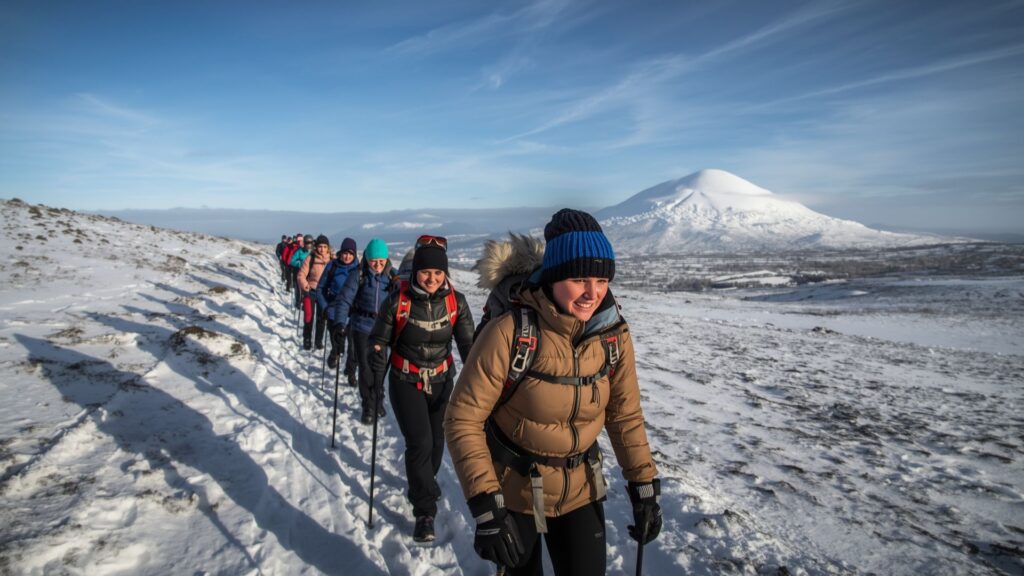
Building winter hiking competence requires progressive skill development. Start with guided winter walks through established programmes before attempting independent winter expeditions. Pat Falvey Irish & Worldwide Adventures delivers structured winter skills courses covering crampon techniques, ice axe use, winter navigation, and avalanche awareness. These courses prepare participants for independent winter hiking through hands-on instruction in actual winter conditions.
Winter hiking skills transfer to international mountain adventures. Techniques learned on Irish peaks apply directly to expeditions including Annapurna Base Camp treks and Mount Toubkal ascents. Progressive skill building creates confident winter mountaineers.
Consider joining organised group hikes before solo winter adventures. Group dynamics provide safety backup whilst allowing skill observation from experienced participants. The Mountain Lodge in Beaufort serves as the basecamp for winter hiking courses offering comfortable accommodation between training days.
Winter Emergency Preparedness
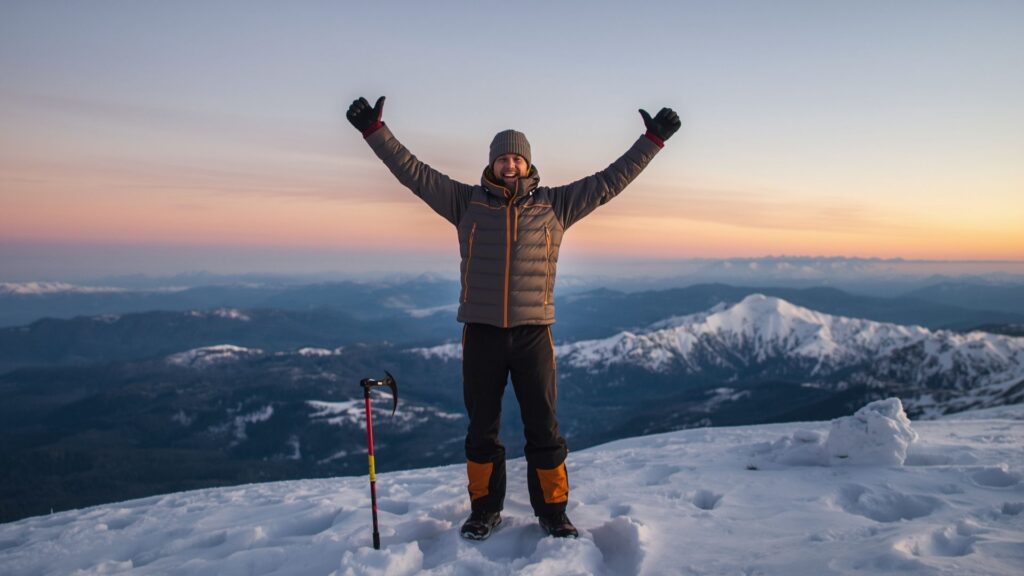
Emergency situations develop rapidly during winter conditions. Carry essential safety equipment including emergency shelters, first aid supplies, and communication devices. Pack survival blankets weighing 50-80 grams providing emergency insulation. Include waterproof matches, fire-starting materials, and emergency food rations supplying 1,000-1,500 calories. Carry fully charged mobile phones with emergency numbers programmed including Mountain Rescue at 112.
Inform someone of your route plan including departure time, intended return, and emergency contact procedures. Provide specific location details and estimated timing for key waypoints. Update contacts immediately when plans change.
Learn basic first aid focusing on cold injuries including hypothermia recognition and frostbite treatment. Hypothermia symptoms include uncontrollable shivering, confusion, slurred speech, and loss of coordination. Immediate warming and shelter prove critical for hypothermia treatment.