
Training for hiking increases your potential for success on any mountain adventure. Whether you plan a strenuous day hike to a summit or a week-long trek through remote terrain, proper physical preparation makes the difference between an enjoyable experience and a struggle. Training for hiking involves building cardiovascular endurance, strengthening key muscle groups, and developing the mental resilience to handle unexpected challenges on the trail.
Most people underestimate the physical demands of mountain hiking. A guided Carrauntoohil hike requires 4-6 hours of continuous movement over rough terrain with 1,000 metres of elevation gain. Training for hiking addresses these specific demands through targeted exercise that conditions your body for sustained effort at altitude.
Creating Your Training Schedule
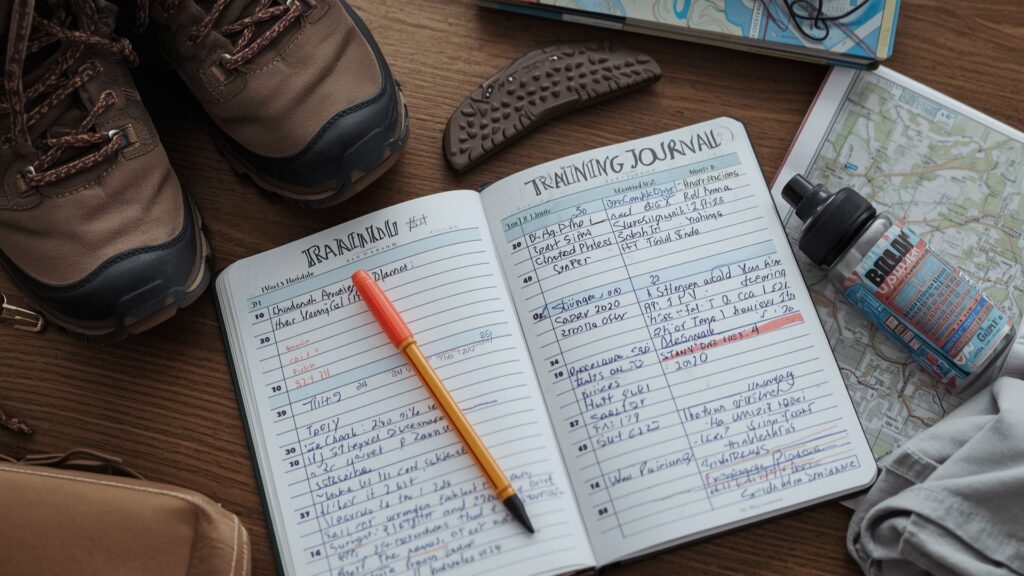
Training for hiking starts with a realistic schedule based on your current fitness level and hiking goals. Day hikes to mountain summits require different preparation than multi-day expeditions like Kilimanjaro or Everest Base Camp, where you carry full camping gear and trek for consecutive days at high altitude.
Most people with average fitness can complete day hikes after several weeks of consistent preparation. Active individuals who walk regularly find several hours of physical exercise manageable. Sedentary lifestyles require longer preparation periods, typically 8-12 weeks of progressive training before attempting challenging mountain routes.
Long-distance hikes and overnight expeditions demand comprehensive training programmes that extend beyond basic walking. These adventures require you to carry 10-15 kilograms of gear while maintaining steady pace over multiple days. Training for hiking at this level involves structured workout routines that build both strength and endurance simultaneously.
The Three Fundamentals of Hiking Preparation
Hiking represents the most natural form of exercise for humans. Our species evolved as bipedal walkers, making walking our primary mode of movement. Modern conveniences have reduced daily walking for many people, creating a need for deliberate training before long-distance treks.
Training at the Gym

Gym training provides controlled environments for building strength and stamina. Cardiovascular machines like treadmills, rowing machines, and stationary bikes develop aerobic capacity. Resistance equipment targets specific muscle groups used in hiking: quadriceps, hamstrings, glutes, calves, and core stabilisers. Training for hiking at the gym allows you to work at consistent intensity regardless of weather conditions.
Focus on exercises that mimic hiking movements. Stair climbers replicate uphill walking. Incline treadmill sessions prepare legs for sustained climbing. Leg press machines build the quadricep strength needed for steep descents. Dedicate three to four gym sessions per week to hiking-specific exercises, allowing at least one rest day between intense workouts.
Start Hiking Regularly
Training for hiking requires actual hiking practice. Gym work builds foundational fitness, but nothing replicates the specific demands of uneven terrain, variable weather, and sustained outdoor effort. Begin with long walks in parks or on established trails near your home. Gradually increase distance and elevation gain as your fitness improves.
After your legs adapt to walking for several hours, add a small backpack weighing 5-7 kilograms. Progress to full-weight training hikes carrying all your planned gear. This accustoms your body to the exact load you will carry on your actual expedition. Pat Falvey’s training programme at The Mountain Lodge includes practice hikes with full expedition gear to identify and resolve equipment issues before departure.
Build Better Daily Habits
Training for hiking extends beyond scheduled exercise sessions. Small daily changes produce significant fitness improvements over weeks and months. Take stairs instead of lifts at every opportunity. Walk to nearby shops instead of driving. Park in the furthest spot from building entrances. Carry a weighted backpack during commutes or errands to enhance routine activities.
These micro-adjustments accumulate substantial training volume without requiring dedicated gym time. Walking an extra 30 minutes daily adds 210 minutes of weekly exercise. Climbing stairs builds the same muscles used ascending mountains. Consistent habit changes often produce better results than sporadic intense workouts.
Three Types of Training for Hiking Success
Effective training for hiking addresses three distinct physical and mental aspects. Each component contributes essential capabilities that combine to create mountain-ready fitness.
Cardiovascular Training
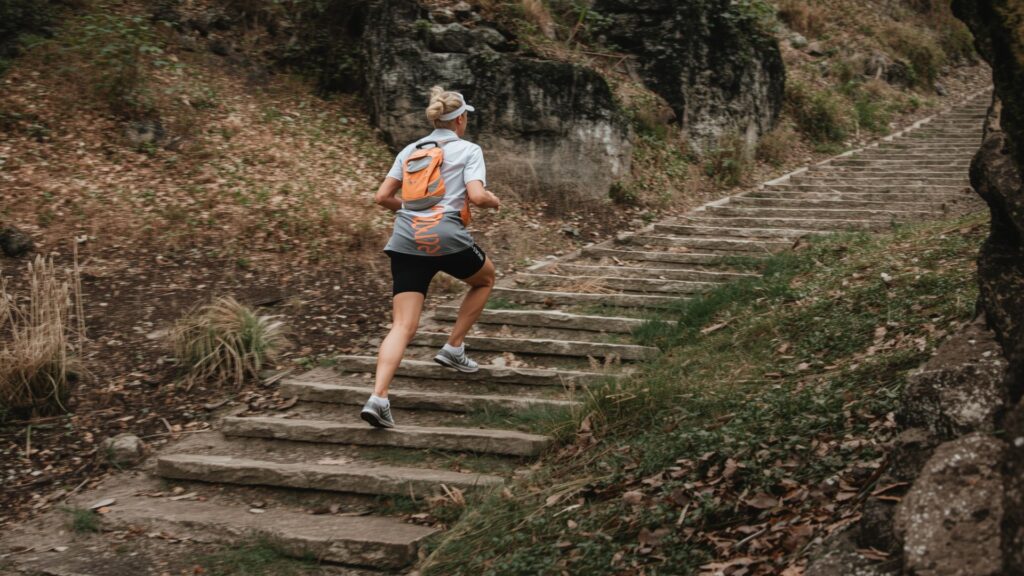
Cardiovascular exercise forms the foundation of training for hiking. Cardio work optimises your body’s recovery power and increases endurance for prolonged exertion. Schedule three to four cardio sessions weekly, maintaining a two-to-one ratio of cardio to strength training. Allow at least one complete rest day per week for muscle recovery and adaptation.
Cardio training includes walking, jogging, swimming, cycling, and group fitness classes. The key involves pushing your body to fatigue without reaching complete exhaustion. Start with moderate-intensity exercise that elevates your heart rate to 60-70% of maximum. Gradually increase duration before adding intensity. A 12-week programme might progress from 30-minute sessions to 90-minute efforts.
Training for hiking at altitude requires special cardiovascular preparation. Kilimanjaro expeditions reach 5,895 metres, where oxygen levels drop to 50% of sea level. Build aerobic capacity through long, steady efforts rather than short sprints. Pat Falvey’s training protocols emphasise sustained moderate-intensity work that mirrors actual trekking pace.
Resistance Training

Resistance training targets specific muscles and teaches your body to manage prolonged physical stress. Training for hiking requires strong quadriceps for climbing, stable core muscles for balance on uneven ground, and resilient shoulders for carrying pack weight. Schedule two resistance sessions weekly, focusing on functional movements rather than isolation exercises.
Essential exercises include squats, lunges, step-ups, planks, and walking with weighted packs. Squats build quadricep and glute strength for steep climbs. Lunges develop single-leg stability crucial for rocky terrain. Step-ups replicate the exact motion of climbing stairs or steep paths. Planks strengthen core muscles that support your spine under pack weight.
Progress resistance training gradually. Begin with bodyweight exercises, then add dumbbells or barbells as strength improves. Training for hiking emphasises muscular endurance over maximum strength. Perform 12-15 repetitions per set rather than heavy lifts with 5-6 repetitions. This rep range builds the sustained strength needed for hours of continuous hiking.
Mental Training
Mental preparation equals physical training in importance for mountain adventures. Training for hiking must address the psychological challenges of cold weather, unexpected rain, equipment failures, and painful blisters. Physical fitness cannot overcome mental defeat when conditions deteriorate on exposed mountain ridges.
Information creates preparation. Read expedition accounts and watch adventure documentaries that show both success and struggle. Understanding realistic challenges helps set appropriate expectations. Many failed expeditions result from unrealistic expectations rather than inadequate fitness.
Pat Falvey Irish & Worldwide Adventures provides free training days for clients booking worldwide trekking adventures. These sessions preview actual trip conditions and build the mental framework for handling adversity. Participants experience sample challenges in controlled environments before facing them at altitude.
Progressive Training Protocols
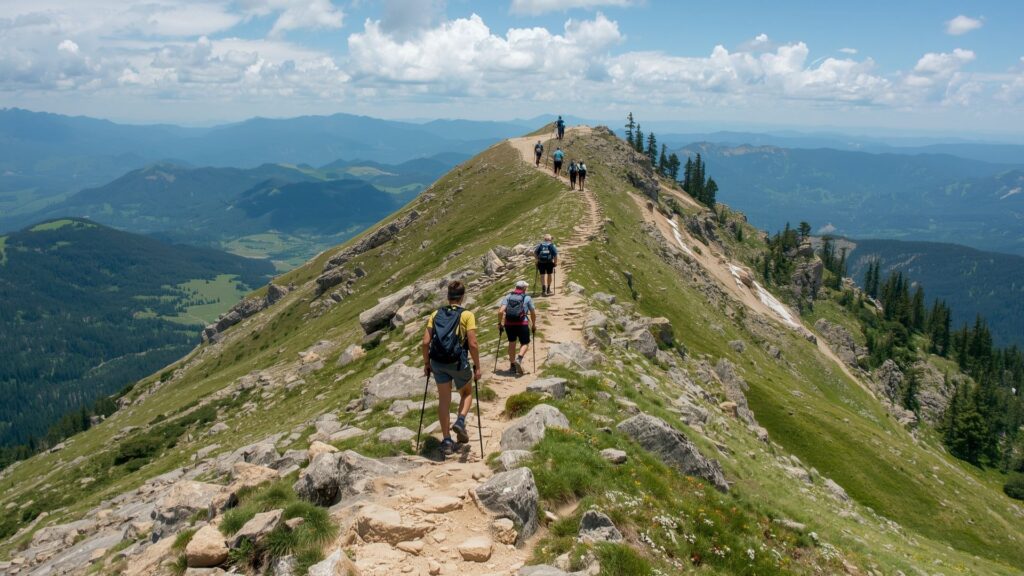
Training for hiking follows progressive overload principles. Your body adapts to increasing demands when you systematically increase training stress. Begin with current fitness capabilities, then add 10% more volume or intensity each week. This gradual progression builds strength and endurance while minimising injury risk.
Week 1-4 establishes baseline fitness. Walk 30-45 minutes daily at conversational pace. Add one longer walk of 90 minutes on weekends. Include two gym sessions focusing on basic strength exercises. This foundation phase accustoms your body to regular exercise without excessive fatigue.
Week 5-8 increases training volume. Extend daily walks to 45-60 minutes. Weekend long walks reach 2-3 hours. Add a weighted backpack starting at 5 kilograms. Gym sessions progress to more challenging exercises with added weight. Training for hiking at this stage begins to replicate actual trekking demands.
Week 9-12 adds intensity and specificity. Daily walks include hills or stairs. Long weekend hikes cover 10-15 kilometres with 500+ metres elevation gain. Carry your full expedition pack weight. Schedule at least one practice hike on terrain similar to your destination. Carrauntoohil training hikes prepare Kerry locals for international expeditions by providing local high-altitude simulation.
Nutrition and Recovery for Hiking Training

Training for hiking requires proper nutrition to fuel workouts and support recovery. Mountain trekking burns 3,000-5,000 calories daily, demanding efficient energy systems and substantial fuel reserves. Your training diet should emphasise complex carbohydrates, lean proteins, and healthy fats in appropriate proportions.
Carbohydrates provide immediate energy for sustained exercise. Include whole grains, fruits, and vegetables in every meal. Proteins repair muscle damage from training sessions. Consume 1.2-1.6 grammes of protein per kilogramme of body weight daily. Healthy fats support hormone production and provide concentrated energy for long efforts.
Hydration affects training quality and recovery speed. Drink 2-3 litres of water daily, increasing intake on training days. Dehydration reduces exercise performance by 10-20% and impairs recovery. Mountain environments accelerate fluid loss through respiration at altitude and increased sweating during exertion.
Gear Testing During Training
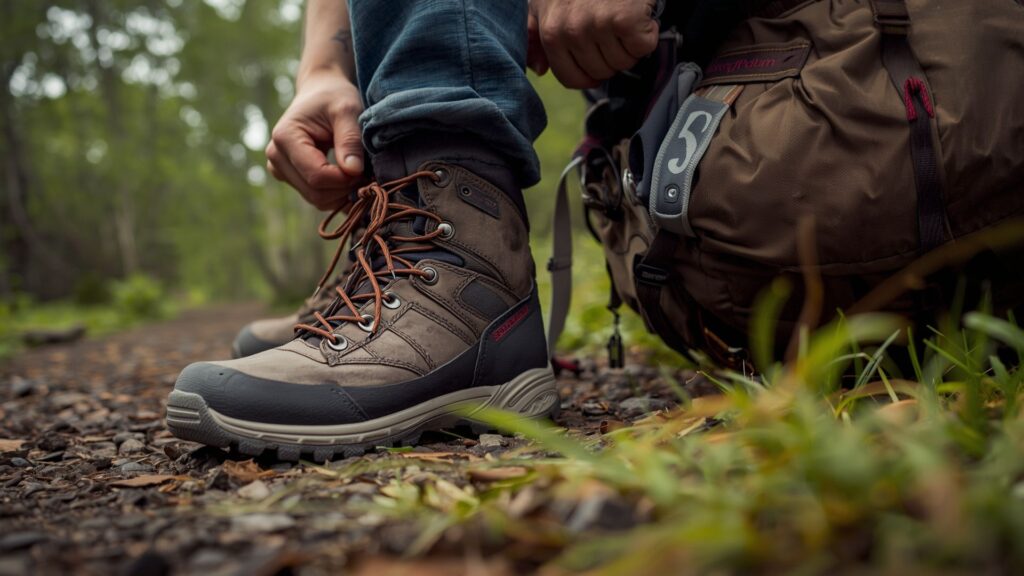
Training for hiking provides essential opportunities to test equipment under realistic conditions. Blisters from ill-fitting boots, uncomfortable pack straps, and inadequate clothing reveal themselves during training hikes rather than on expensive expeditions. Schedule gear-testing walks 8-10 weeks before departure to allow time for replacements or adjustments.
Break in hiking boots during progressively longer walks. New boots require 50-80 kilometres of walking to mould to your feet. Wear the socks you will use on your expedition during all training hikes. Test pack adjustments under various loads. Gift voucher recipients often use training hikes to finalise equipment choices before redeeming their adventure bookings.
Practice essential skills during training hikes. Learn to use trekking poles effectively. Test your layering system in different weather conditions. Verify that your rain gear keeps you dry during actual downpours. Training for hiking encompasses both physical preparation and technical skill development that combine to create mountain-ready capability.