
Tips & Tricks for Hiking form the foundation of safe mountain travel, whether you climb Carrauntoohil in Kerry or trek to Everest Base Camp in Nepal. Pat Falvey Irish & Worldwide Adventures has developed these techniques across 30 years of guiding expeditions, with proven results on peaks from Ireland’s highest mountains to the Himalayas. The right preparation transforms challenging hikes into achievable adventures.
These Tips & Tricks for Hiking address common mistakes that hikers make in the field. Many people arrive unprepared, carry poorly organised gear, or lack the mental strategies needed when conditions become difficult. The following sections cover practical methods that professional mountain guides use daily.
Get Ready Faster with Smart Organisation
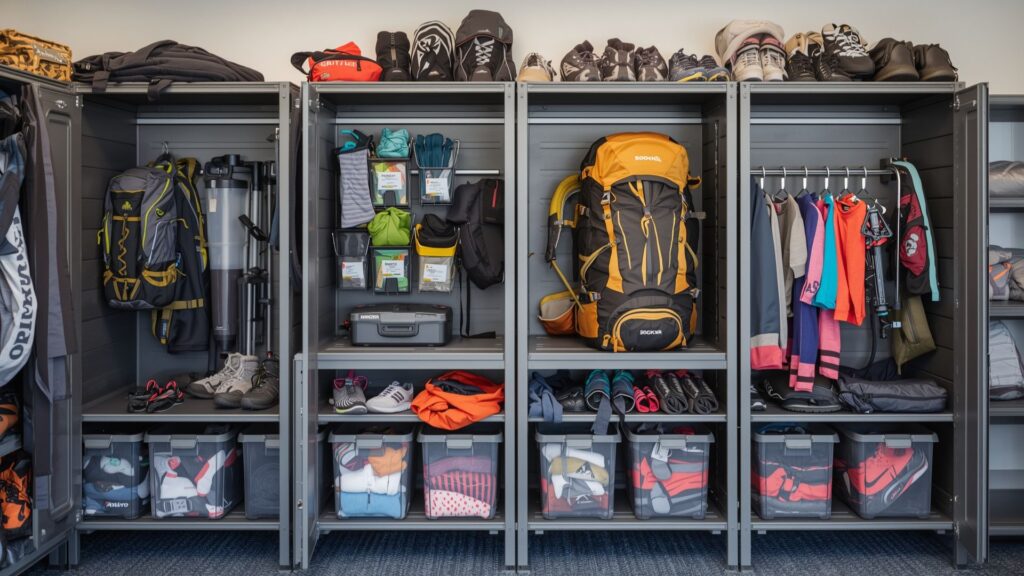
The fastest way to prepare for mountain adventures is to keep your gear organised between trips. When you finish a weekend hike, leave all the items you use for nearly every adventure together in your pack. Create an organised storage system with dedicated racks or bins for each activity: climbing equipment, hiking gear, and specialist items stored separately.
Pat Falvey’s guides use this system before every guided Carrauntoohil hike, ensuring nothing gets forgotten when groups meet at dawn. Store base layers, socks, headtorches, and core equipment in one location, then add route-specific items like crampons or climbing harnesses as needed.
Pack Everything Inside with No Loose Gear
Gear lashed to the outside of your pack is less secure and creates problems on technical terrain. Pack everything inside using compression techniques that maximise space. Stuff items tightly into your pack’s main compartment, then use the pack’s compression straps to secure the load and prevent shifting during steep descents.
Compression stuff sacks work well for sleeping bags and clothing, allowing you to fit more equipment inside while keeping weight close to your back. External attachments catch on rocks, snag vegetation, and make narrow passages difficult to navigate.
Know Your Gear Before You Need It
There is no excuse for arriving in the mountains with equipment you do not know how to operate. Pat Falvey School of Mountaineering teaches proper gear use through hands-on training sessions that cover navigation tools, safety equipment, and emergency protocols. Kilimanjaro expeditions require familiarity with altitude-specific gear before departure.
Test new equipment on short local hikes before committing to multi-day adventures. Learn how your stove operates in wind, how your water filter assembles under cold conditions, and how your navigation app functions when phone batteries run low. Equipment failures happen, but knowledge prevents them from becoming emergencies.
Master Your Mindset for Mountain Success
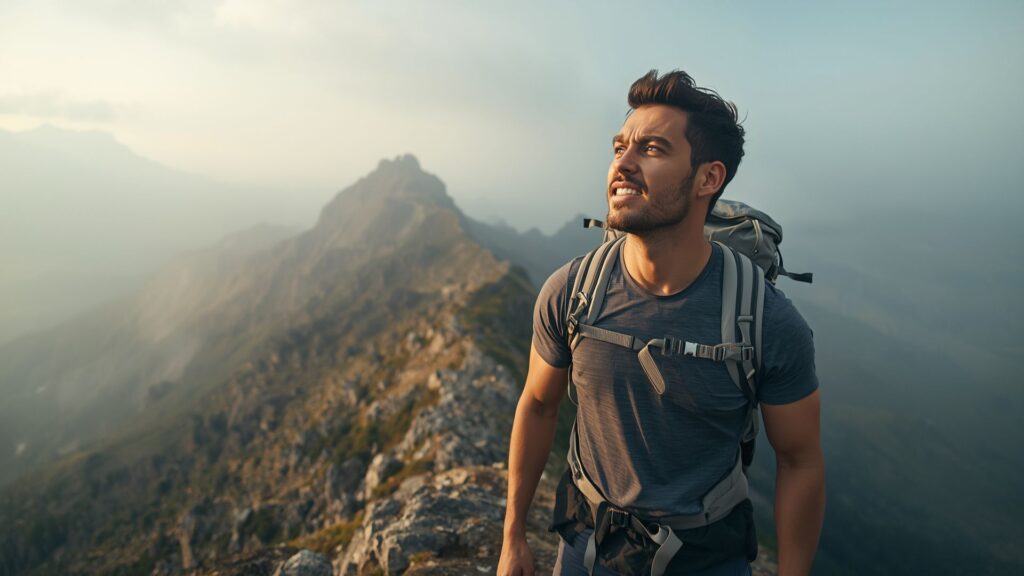
A client once looked at a challenging section of a Kerry peak and said he was finished before starting. Mental barriers stop more hikers than physical limitations. The solution involves clearing your head of overwhelming expectations, then breaking the challenge into manageable steps with an action plan for each section.
Take 10 minutes to reset mentally when doubt appears. Focus on the next 50 metres rather than the distant summit. Make a few moves, build momentum, and recognise that you can achieve more than anxiety suggests. Professional guides from Everest Base Camp treks use these psychological techniques daily, helping trekkers push through altitude challenges and difficult terrain.
Deal with Bugs Using Proven Methods
You cannot prevent bugs entirely, but several methods manage their impact effectively. Natural bug spray on exposed skin works for moderate conditions, creating a barrier against midges and mosquitoes common on Irish mountain approaches and tropical treks. In extreme conditions, particularly in Nepal and Africa, a head net provides complete face protection.
The human body adapts to insect bites over time. If you can tolerate some initial bites, your system starts to recognise the irritant and produces less histamine reaction.
Talk to a Struggling Partner with Understanding
When mountain conditions are good but your hiking partner hits a mental wall, it is time to provide psychological support. Get them to open up about the specific concerns holding them back. Experience shows it is rarely physical exhaustion and almost always nerves, fear, or doubt about ability.
Look directly at your partner and say, “You can do this. I have got you.” These words sound simple until you try them and watch your partner start to move confidently again. This technique works on Annapurna Base Camp treks where altitude and exposure create mental challenges.
Gain Elevation Slowly to Prevent Altitude Sickness
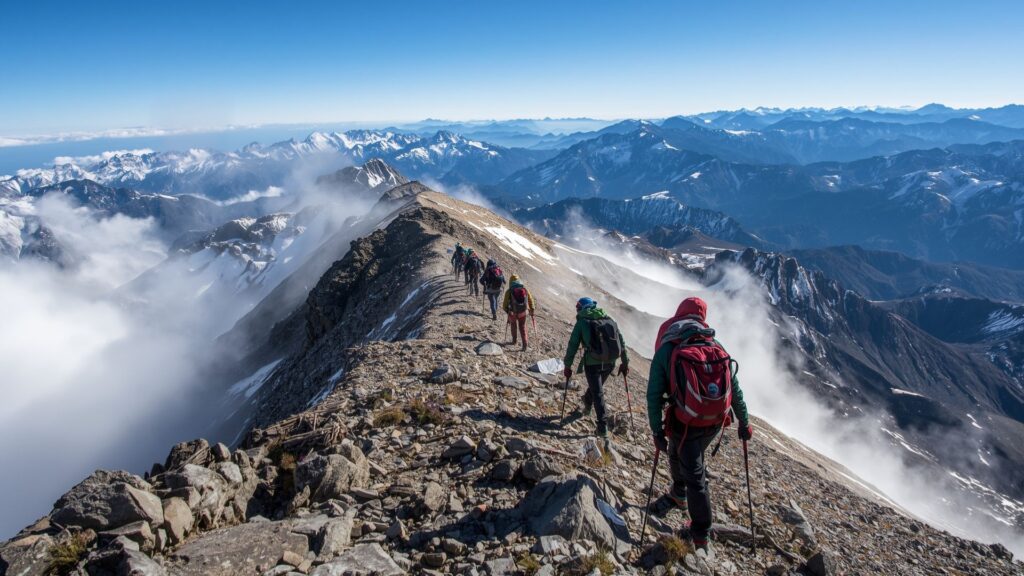
Stay with the slowest members of your group during ascents, particularly above 3,000 metres. The mellower pace gives your body time to adjust to thinner air and helps prevent altitude sickness symptoms. Rushing gains altitude quickly but increases headache risk, nausea, and potentially dangerous conditions like pulmonary or cerebral oedema.
Pat Falvey’s Kilimanjaro expeditions follow strict acclimatisation schedules, with rest days built into itineraries at strategic elevations. This approach has achieved summit success rates above 90% because bodies adapt properly to reduced oxygen levels. The principle applies to any high-altitude trek, from Mount Toubkal in Morocco to Island Peak in Nepal.
Sleep Warmer with Strategic Camping
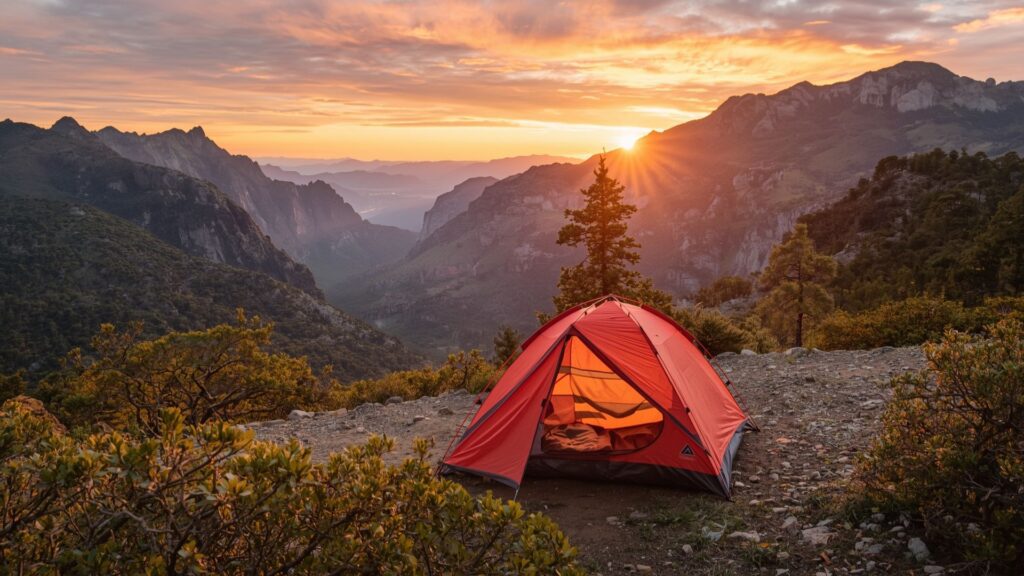
Do not sleep in cold sinks where temperatures drop dramatically overnight. River valleys, stream-bottom meadows, and narrow canyons trap cold air that flows downhill after sunset. Camp on slightly elevated ground where warmer air pools.
Drink a hot beverage before bed to raise core body temperature. Pack dedicated sleep socks that never get worn during the day. Bring a hot water bottle into your sleeping bag on freezing nights. Go to bed warm by doing sit-ups if necessary. Pee before bed and whenever the urge strikes. Your body wastes calories keeping urine warm, so emptying your bladder conserves energy for temperature regulation. These Tips & Tricks for Hiking apply on mountain huts during Camino de Santiago walks and high-altitude camps.
Eat Real Food for Sustained Energy
Clients sometimes report feeling unwell after consuming 19 energy gel packets during a climb. Energy gels have their place, but your body processes real food more effectively. Eat fruit and sandwiches, nuts, chocolate, and proper meals whenever possible. Your digestive system knows how to extract nutrients from these foods, and they remain palatable even at high altitude.
Pack calorie-dense foods that do not freeze solid in cold conditions. Peanut butter, dried fruit, cheese, and salami provide sustained energy without requiring preparation. Eat small amounts regularly rather than waiting until you feel hungry.
Do Sunscreen Right for Complete Protection
Snow and water reflect UV rays upward from the ground, hitting skin from unexpected angles. For complete sun protection, apply sunscreen to the underside of your chin, the insides of your ears, and even the insides of your nostrils. These areas burn easily on glaciers and high-altitude snowfields where reflected radiation intensifies.
Reapply sunscreen every two hours during extended exposure, more frequently if sweating heavily. High-SPF formulations (30-50) provide better protection than lower ratings, particularly above 3,000 metres.
Warm Cold Extremities with Active Movement
Swing your arms in full circles and pendulum your feet back and forth when fingers and toes start to feel numb. Do not stop until your digits start to throb as blood flow returns. This active warming technique works faster than passive methods like putting hands in pockets.
The movement forces blood into peripheral areas that your body restricts when core temperature drops. Combine this with adding insulation layers and consuming warm fluids. Persistent numbness requires immediate attention to prevent frostbite.
Protect Your Nose from the Elements
When your nose runs constantly in cold or windy conditions, use lip balm rather than sunscreen on sensitive nasal skin. Lip balm adheres better to moist surfaces and creates a protective barrier against wind and sun without stinging irritated tissue.
This simple trick prevents the raw, chapped nose that develops after days of tissue use on mountain treks. Pack a dedicated lip balm for this purpose.
Perform an Idiot Check Every Time
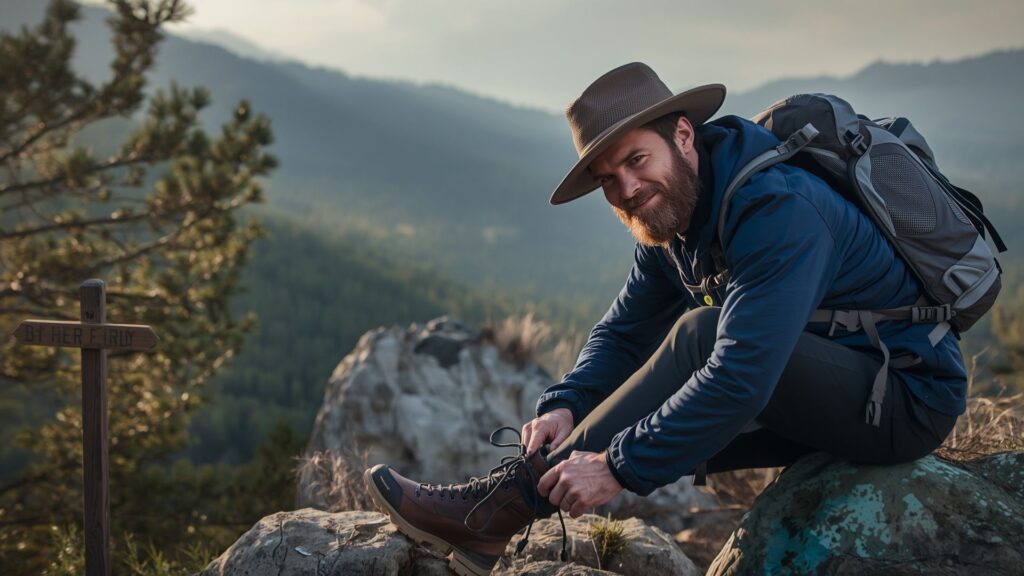
Before starting any hike, look up to assess weather and terrain ahead, then down to verify your bootlaces are tied properly. Five steps after leaving your starting point, look back to make sure you did not leave anything behind. This three-part check catches forgotten items before you walk too far to retrieve them easily.
Mountain rescue teams recover countless forgotten items from trailheads each season. Water bottles, car keys, and navigation devices get left behind with surprising frequency. These Tips & Tricks for Hiking include systematic checks that prevent frustrating situations.
Carry a Versatile Layer for Multiple Uses
No matter what activity you pursue outdoors, carry a Buff or similar tube-style neck warmer. This versatile item functions as sun protection for your neck and face, insulation in cold conditions, a headband to manage sweat, and even emergency first aid as a bandage or sling.
A Buff weighs nearly nothing, packs into tiny spaces, and solves multiple problems with a single piece of gear.
Navigation Skills Prevent Getting Lost
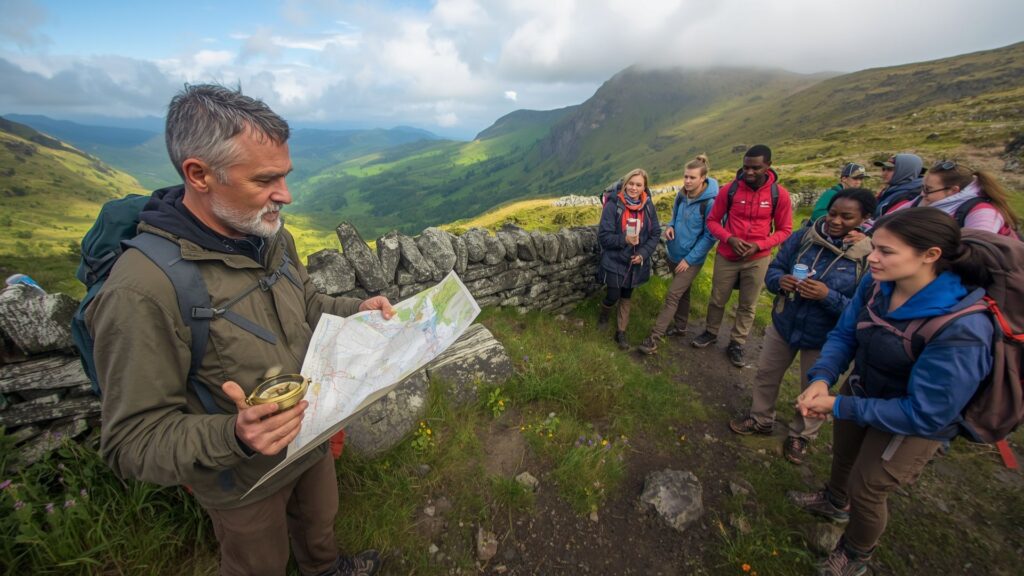
Learn to read maps and use a compass before relying entirely on GPS devices. Electronic navigation tools fail when batteries die, screens break, or satellites lose signal in narrow valleys. Carry paper maps in waterproof cases and know how to take bearings, identify terrain features, and calculate distances.
Practice navigation on familiar trails before attempting remote routes. Pat Falvey School of Mountaineering includes comprehensive navigation training in all courses.
Weather Awareness Saves Lives
Check weather forecasts before every mountain day, but also learn to read conditions as they develop. Cloud formations, wind direction changes, and temperature drops provide advance warning of incoming weather systems. High mountains create their own weather patterns that local forecasts often miss.
Clouds building rapidly around summits signal approaching storms. Sudden wind increases suggest pressure changes that bring precipitation. Turn back early rather than pushing through deteriorating conditions. The Mountain Lodge instructors teach weather reading during skills courses based in Kerry.