
The mountaineering community mourns the loss of thirty friends who dedicated their lives to climbing. Pat Falvey had the privilege to call these thirty friends colleagues and worked alongside many of them during expeditions across the world’s highest peaks. These individuals represented the finest qualities of mountaineering: courage, determination, and an unwavering commitment to their dreams.
Each of these thirty friends understood the risks inherent in high-altitude climbing. They chose to pursue their passion despite knowing the dangers that accompanied every expedition. Their deaths serve as sobering reminders of the sacrifices climbers make in pursuit of their goals. The mountaineering community remembers them not for how they died, but for how they lived—with passion, purpose, and dedication to their craft.
The Everest Base Camp trek passes memorials to fallen climbers, offering trekkers a chance to reflect on the human cost of summit attempts. These thirty friends left families, friends, and climbing partners who continue to honour their memory through safe climbing practices and respect for the mountains. Their legacy lives on through improved safety standards and the climbers they inspired.
The Realities of High-Altitude Mountaineering
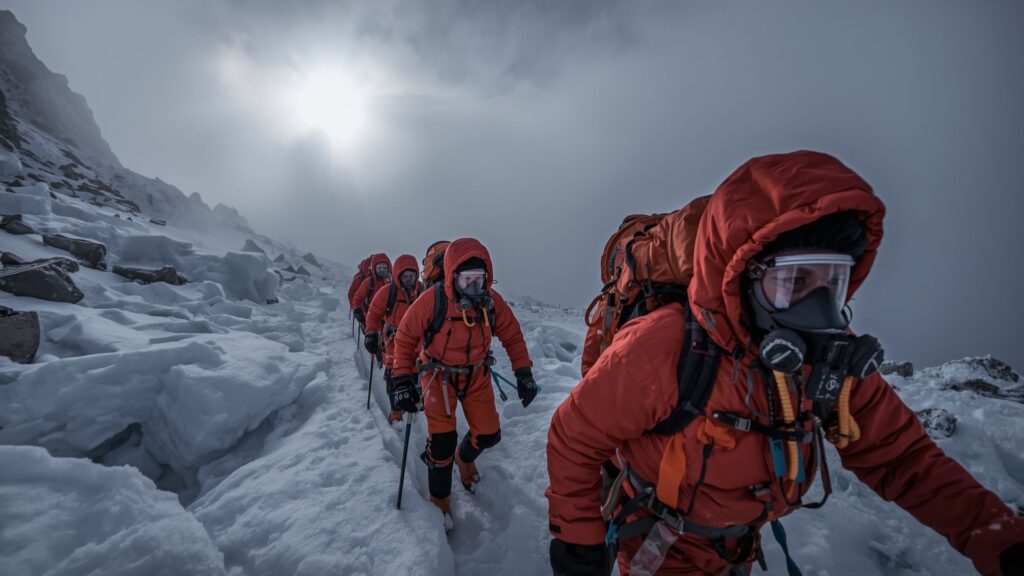
High-altitude mountaineering claims lives even amongst the most experienced climbers. The thirty friends Pat Falvey remembers represent a fraction of the total lives lost to the sport. Statistics show that Mount Everest alone has claimed over 300 lives since expeditions began, whilst Kilimanjaro, despite its lower altitude, sees approximately 10 deaths annually from altitude sickness and related conditions.
The death zone above 8,000 metres presents extreme physiological challenges that push human bodies to their limits. Oxygen levels drop to one-third of sea level concentrations, forcing climbers to make decisions whilst suffering from hypoxia. Temperatures plunge to minus 40 degrees Celsius, whilst winds exceed 160 kilometres per hour. These conditions create an environment where even minor mistakes prove fatal.
Avalanches, crevasse falls, rockfall, altitude sickness, and exhaustion represent the primary causes of death amongst these thirty friends. Many died on descent, when fatigue and depleted energy reserves compromised judgement and physical capability. The mountaineering community studies these incidents to improve safety protocols and training methods for future generations.
Pat Falvey’s approach to expedition leadership prioritises safety above summit success. His 2,000+ successful Kilimanjaro summits demonstrate that systematic planning, proper acclimatisation, and conservative decision-making reduce risk significantly. The thirty friends he remembers reinforce why these practices matter and why no summit is worth a life.
Understanding the Risks Climbers Accept
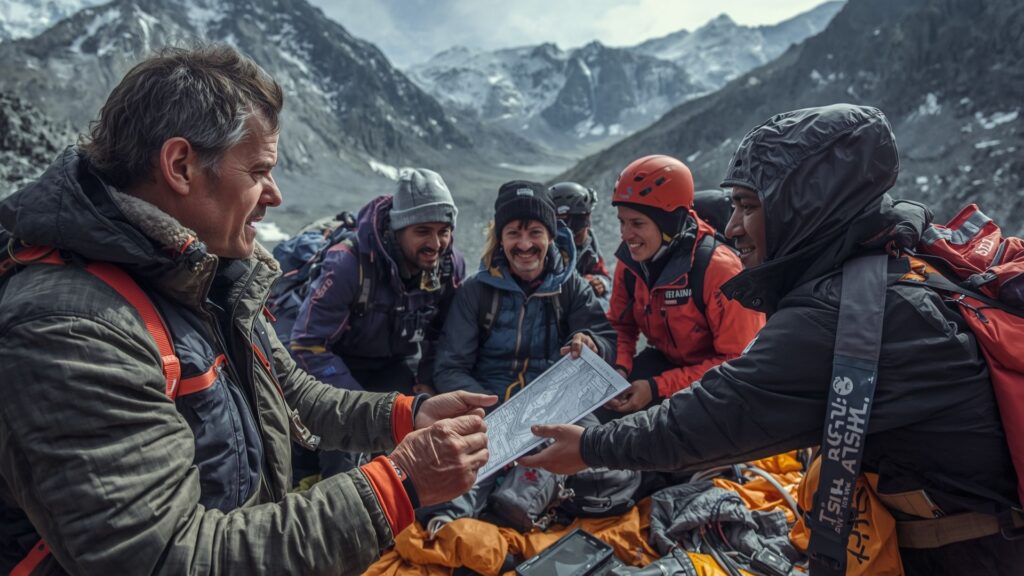
Mountaineers who pursue extreme altitude climbing accept calculated risks based on training, experience, and preparation. The thirty friends Pat Falvey honours understood these risks intimately. They invested thousands of hours developing technical skills, building physical fitness, and studying mountain conditions before attempting major peaks.
Risk assessment forms a fundamental component of expedition planning. Professional mountaineers evaluate objective hazards—weather patterns, avalanche conditions, route stability—alongside subjective factors including fitness levels, team dynamics, and psychological readiness. These thirty friends made informed decisions about accepting risk in pursuit of their climbing goals.
The mountaineering community distinguishes between acceptable risk and recklessness. Acceptable risk involves thorough preparation, appropriate equipment, experienced leadership, and conservative decision-making. Recklessness ignores warning signs, underestimates dangers, and prioritises summit success over safety. The thirty friends Pat Falvey remembers fell into the former category, making reasonable decisions that unfortunately resulted in tragic outcomes.
Modern expedition companies implement multiple safety protocols to protect clients. Pat Falvey Irish & Worldwide Adventures maintains a comprehensive safety record through systematic risk management, experienced guides, and equipment redundancy. Carrauntoohil guided hikes demonstrate how professional leadership reduces risk even on Ireland’s highest peak at 1,038 metres.
The Physical Demands That Challenge Climbers
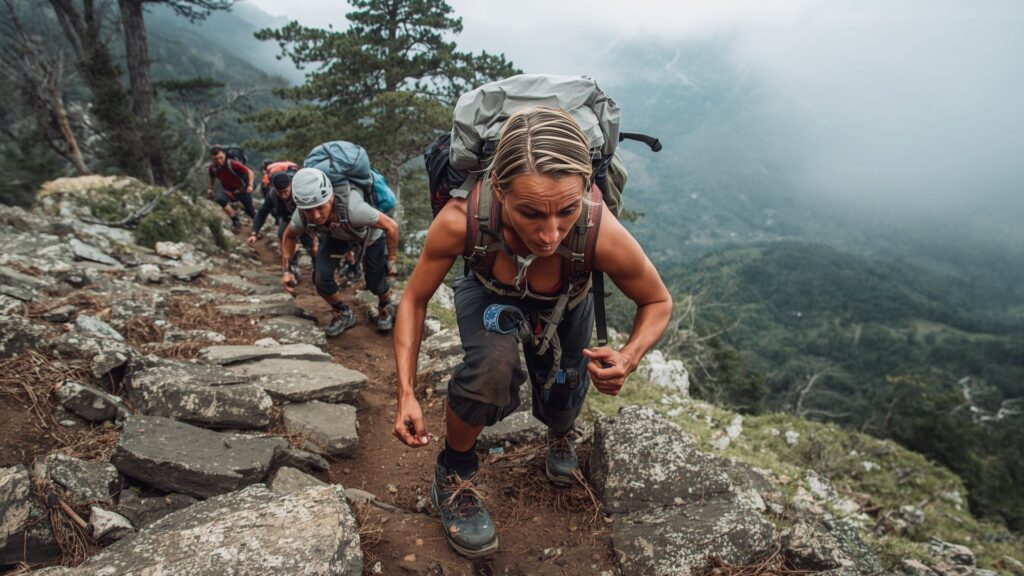
Physical preparation for high-altitude mountaineering requires months of dedicated training. The thirty friends Pat Falvey remembers maintained exceptional fitness levels developed through consistent training regimes. Cardiovascular endurance, muscular strength, and mental resilience determine success at extreme altitudes where the body operates under severe stress.
Training programmes for major peaks typically span 12 to 16 weeks. Climbers build aerobic capacity through running, cycling, and hiking whilst developing leg strength via weighted carries and hill repeats. Core stability exercises improve balance on technical terrain, whilst grip strength training prepares hands for rope work and ice axe use in challenging conditions.
Acclimatisation represents the most critical aspect of high-altitude preparation. Bodies require time to adapt to reduced oxygen levels through increased red blood cell production and enhanced oxygen utilisation efficiency. Rushed acclimatisation schedules contributed to several deaths amongst the thirty friends Pat Falvey honours, emphasising why proper scheduling matters and cannot be compromised.
Pat Falvey’s expedition approach includes structured acclimatisation with climb high, sleep low protocols. His Island Peak and Everest Base Camp itineraries incorporate rest days and gradual altitude gains that allow bodies to adapt safely. These practices honour the lessons learned from the thirty friends lost to altitude-related conditions.
Mental Preparation and Decision-Making Under Pressure
Mental strength separates successful mountaineers from those who fail or perish at altitude. The thirty friends Pat Falvey remembers possessed exceptional psychological resilience developed through years of climbing experience. They managed fear, maintained focus during crises, and made life-or-death decisions under extreme stress and difficult conditions.
Decision-making deteriorates at altitude as oxygen deprivation affects cognitive function. Climbers experience impaired judgement, reduced reaction times, and difficulty processing complex information. These factors contributed to fatal errors amongst several of the thirty friends, who made decisions they would have avoided at sea level with full mental capacity.
Turn-around times provide a critical safety mechanism that some of these thirty friends ignored. Expedition protocols establish specific times by which climbers must begin descending, regardless of proximity to the summit. This rule prevents climbers from continuing upward when late-hour summit attempts compromise safe descent before darkness falls.
Pat Falvey teaches clients to prioritise survival over summit success. His motivational speaking services share expedition stories that illustrate how conservative decisions save lives. The thirty friends he remembers reinforce these lessons through their sacrifices, teaching future generations to respect mountain conditions and personal limitations above ambition.
Equipment and Technical Skills That Save Lives
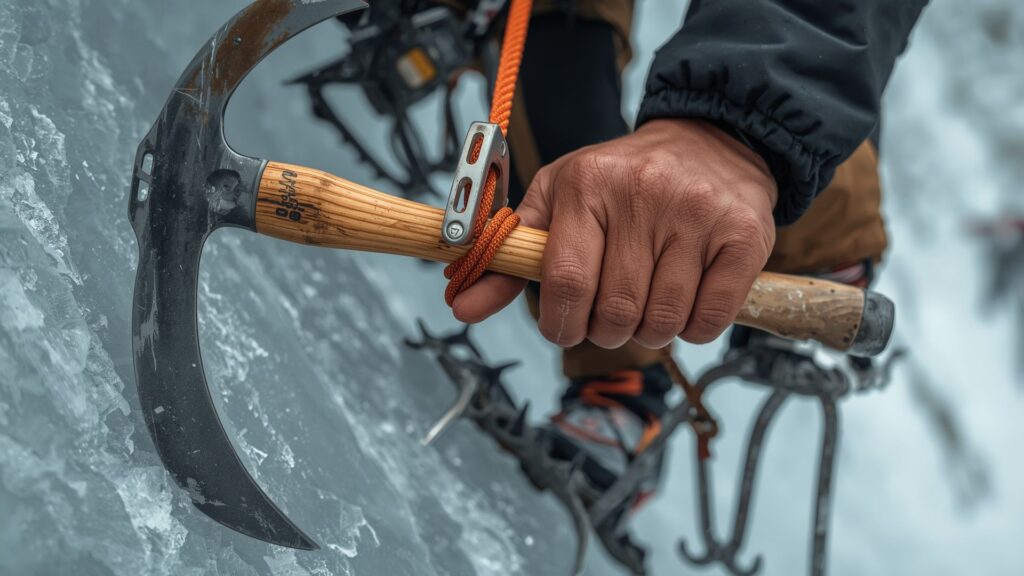
Modern mountaineering equipment has evolved significantly, yet the thirty friends Pat Falvey remembers died despite having access to quality gear. Technical skill development, equipment maintenance, and proper usage determine survival more than equipment quality alone. Skills must become second nature before attempting extreme altitude climbs.
Rope skills, ice axe arrest techniques, crampon proficiency, and navigation abilities represent core competencies that all high-altitude climbers must master. The thirty friends possessed these skills at expert levels, yet environmental conditions or circumstances beyond their control led to their deaths. This reality highlights that even perfect preparation cannot eliminate all risks in extreme environments.
Supplemental oxygen systems extend human capability above 8,000 metres. However, equipment failures, running out of oxygen, or attempting climbs without supplemental oxygen contributed to several deaths amongst these thirty friends. Modern expedition companies carry backup oxygen systems and monitor usage rates carefully to prevent depletion during critical summit pushes.
Aconcagua expeditions at 6,961 metres provide excellent training grounds for developing high-altitude skills without requiring supplemental oxygen. Pat Falvey uses these intermediate peaks to prepare climbers for more extreme environments, building experience progressively rather than rushing climbers onto the highest peaks prematurely.
Weather Conditions and Environmental Hazards
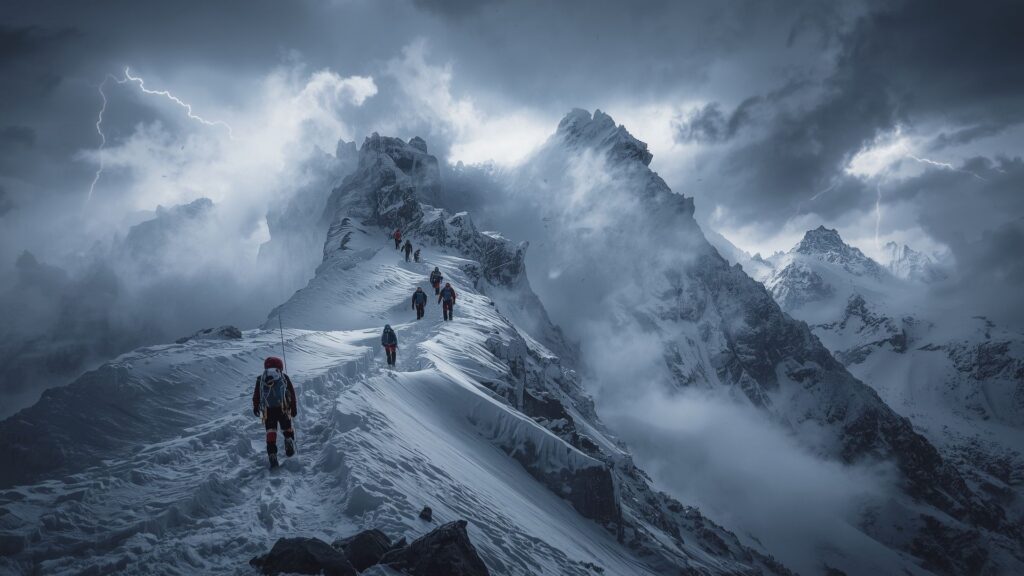
Weather windows determine summit success and survival at extreme altitudes. The thirty friends Pat Falvey honours understood meteorology and weather pattern recognition, yet several died when conditions deteriorated unexpectedly. Mountain weather changes rapidly, transforming manageable situations into life-threatening emergencies within hours or even minutes.
Jet stream winds at 8,000 metres and above create sustained wind speeds exceeding 160 kilometres per hour. These winds produce wind chill temperatures of minus 70 degrees Celsius, causing frostbite within minutes of exposed skin. Several of the thirty friends succumbed to hypothermia when weather conditions trapped them above camps during storms they could not escape.
Avalanche forecasting has improved through better understanding of snowpack stability and trigger mechanisms. However, avalanches claimed multiple lives amongst these thirty friends, occurring during what appeared to be safe conditions. The unpredictable nature of avalanche risk reinforces why conservative route choices and timing decisions matter for survival.
Pat Falvey’s expedition planning incorporates extensive weather monitoring and flexible scheduling. His teams wait for optimal conditions rather than forcing summit attempts during marginal weather. This approach honours the thirty friends lost to weather-related incidents by prioritising safety over schedule adherence and summit fever.
The Support Networks Behind Every Climber
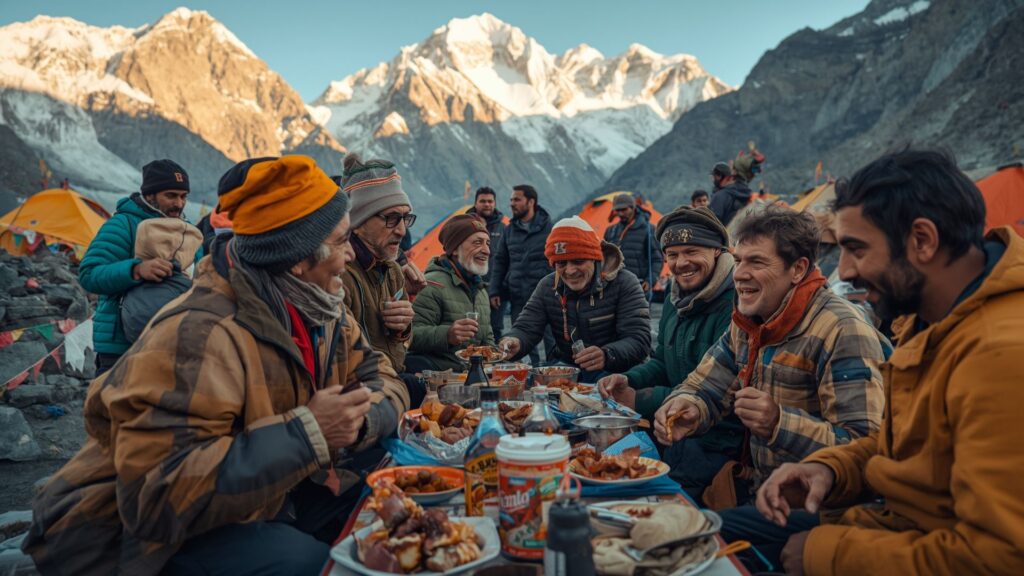
Behind every mountaineer stands a network of family, friends, and supporters who enable their climbing pursuits. The thirty friends Pat Falvey remembers left behind loved ones who supported their dreams despite understanding the risks. These families continue to honour their memories whilst advocating for improved safety standards in the mountaineering community.
Expedition teams function as tight-knit communities where members depend on each other for survival. The thirty friends Pat Falvey worked with demonstrated exceptional teamwork, supporting fellow climbers during difficult moments. Their collaborative spirit exemplified the best aspects of mountaineering culture and the bonds that form at extreme altitude.
Base camp support staff, Sherpa teams, and logistics coordinators provide essential services that enable summit attempts. Several of the thirty friends worked as professional guides themselves, dedicating their careers to helping others achieve climbing goals safely. Their contributions to the mountaineering community extended beyond their personal achievements to include mentoring and leadership.
The Mountain Lodge in Beaufort, County Kerry, serves as a gathering place where climbers share stories and honour fallen friends. Pat Falvey created this space to build community amongst adventurers whilst providing a base for Carrauntoohil and other Irish mountain adventures.
Lessons Learned from Fallen Friends
The mountaineering community studies every fatality to identify preventable factors and improve safety protocols. The thirty friends Pat Falvey honours contribute to this learning process through analyses of circumstances surrounding their deaths. Their sacrifices inform current best practices and training methodologies that protect modern climbers from similar fates.
Systematic reviews of climbing incidents reveal common factors: inadequate acclimatisation, poor weather decisions, equipment failures, route-finding errors, and physical exhaustion. Addressing these factors through better preparation, conservative decision-making, and improved equipment reduces risk for future climbers who learn from these tragedies.
The experiences of these thirty friends emphasise that no amount of experience guarantees safety. Pat Falvey’s dual Everest summits and completion of the Seven Summits twice demonstrate that even the most accomplished mountaineers face serious risks. Respect for mountains and recognition of personal limitations remain essential regardless of experience level or past successes.
Modern expedition companies implement lessons from these tragedies through enhanced safety protocols. Pat Falvey Irish & Worldwide Adventures maintains comprehensive emergency response plans, carries satellite communication equipment, and establishes contingency protocols for medical evacuations. These measures honour the thirty friends by protecting current climbers through systematic risk management.
Honouring Their Memory Through Safe Practices
The best way to honour the thirty friends who gave the ultimate sacrifice involves promoting safe climbing practices. Pat Falvey shares their stories to educate climbers about risk management, proper preparation, and conservative decision-making. Their memories inspire more cautious approaches to mountaineering that prioritise life over summit achievement.
Memorial services and tributes within the climbing community keep these thirty friends’ memories alive. Annual gatherings bring together climbers who knew them, sharing stories that celebrate their lives rather than dwelling on their deaths. These events reinforce community bonds whilst promoting safety awareness and respect for the mountains.
Pat Falvey’s gift vouchers for adventure experiences offer ways to introduce new climbers to mountaineering through properly supervised programmes. Building skills progressively through guided experiences honours the thirty friends by reducing risks that less experienced climbers might otherwise accept without proper preparation.
The mountaineering community continues to evolve safety standards based on lessons from the thirty friends and others lost to climbing. Improved weather forecasting, better equipment, enhanced training programmes, and stricter expedition protocols create safer environments for pursuing mountain dreams whilst respecting the inherent dangers.