
Softshell jackets balance breathability and weather protection for outdoor activities. These versatile jackets sit between lightweight windbreakers and fully waterproof hardshells, offering superior ventilation during high-output activities. Pat Falvey Irish & Worldwide Adventures guides adventurers across Ireland’s mountains and worldwide peaks, where choosing the right gear determines comfort and safety on every expedition.
Understanding Softshell Technology
Softshell represents a category of outdoor apparel designed to prioritise breathability whilst maintaining weather resistance. The term describes jackets constructed from tightly woven synthetic fabrics that allow air circulation whilst blocking wind and light precipitation. This construction differs fundamentally from hardshell jackets, which use waterproof membranes that seal out moisture completely but restrict airflow.
The technology behind softshell fabrics centres on mechanical water resistance rather than chemical barriers. Manufacturers weave synthetic fibres tightly together, creating a dense fabric structure that wind and water struggle to penetrate. Most softshell jackets also feature a durable water repellent (DWR) coating on the outer surface, which causes water droplets to bead up and roll off rather than soaking into the fabric.
Softshell fabrics typically combine polyester or nylon with elastane, producing a material that stretches with body movement. This stretch quality separates softshell from traditional waterproof jackets, which often feel stiff and restrictive during active pursuits. The fabric moves naturally with your body whether you’re reaching for a handhold on Carrauntoohil or adjusting your pack on the trails around Killarney.
Softshell vs Hardshell: The Fundamental Difference
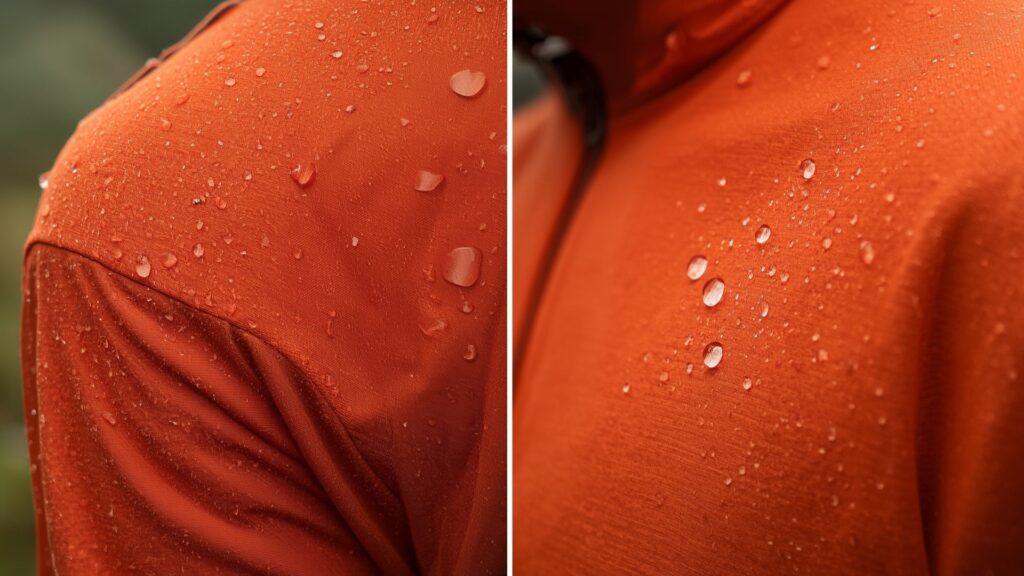
The choice between softshell and hardshell comes down to the balance between breathability and waterproof protection. Hardshell jackets, built with membranes like GORE-TEX, provide complete waterproof protection. These membranes block water molecules from entering whilst theoretically allowing water vapour from perspiration to escape. However, the breathability promise of waterproof membranes has limitations during intense physical activity.
Softshell jackets reverse this priority. Instead of blocking all moisture entry, softshell construction allows limited water penetration whilst dramatically improving air circulation. This tradeoff proves valuable during activities that generate significant body heat and perspiration. The enhanced breathability prevents the clammy, overheated feeling familiar to anyone who has worked hard in a hardshell jacket.
GORE-TEX remains the most recognised name in waterproof breathable membranes, and hardshell jackets using this technology deliver reliable protection in sustained rainfall or snow. The membrane’s pores are smaller than water droplets but larger than water vapour molecules, allowing sweat to escape whilst rain stays out. In practice, this works well in cold weather with moderate activity levels, but struggles when you’re working hard and generating substantial heat.
Pat Falvey Irish & Worldwide Adventures equips climbers with appropriate gear guidance for expeditions ranging from Carrauntoohil guided hikes to Kilimanjaro expeditions. Understanding when to choose softshell protection over hardshell waterproofing forms part of essential mountain knowledge.
How Softshell Jackets Work
Softshell functionality relies on three key mechanisms working together to provide weather protection without sacrificing breathability. The tightly woven fabric structure creates the first line of defence against wind and light moisture. Unlike loosely woven materials, softshell fabrics use dense weaving patterns that physically block air movement and create barriers against water droplets.
The DWR coating provides additional water resistance by changing the fabric’s surface tension. Water hitting this treated surface forms beads that roll off rather than spreading and soaking in. This coating proves effective against light rain showers, snow flurries, and moisture from vegetation. Over time and with repeated use, DWR coatings wear down and require reapplication to maintain effectiveness.
The third mechanism involves the fabric’s stretch and recovery properties. Elastane fibres woven into the material allow the jacket to stretch with your movements, then return to its original shape. This stretch characteristic serves a practical purpose beyond comfort as it maintains the fabric’s tight weave structure even when you’re reaching, bending, or carrying a pack.
Air moves through softshell fabrics much more readily than through hardshell membranes. During aerobic activities like hiking uphill, skiing through powder, or scrambling across rocky terrain, your body generates heat and moisture at rates that overwhelm most waterproof membranes. Softshell construction allows this heat and vapour to escape continuously, maintaining comfort throughout sustained physical effort.
When to Choose Softshell
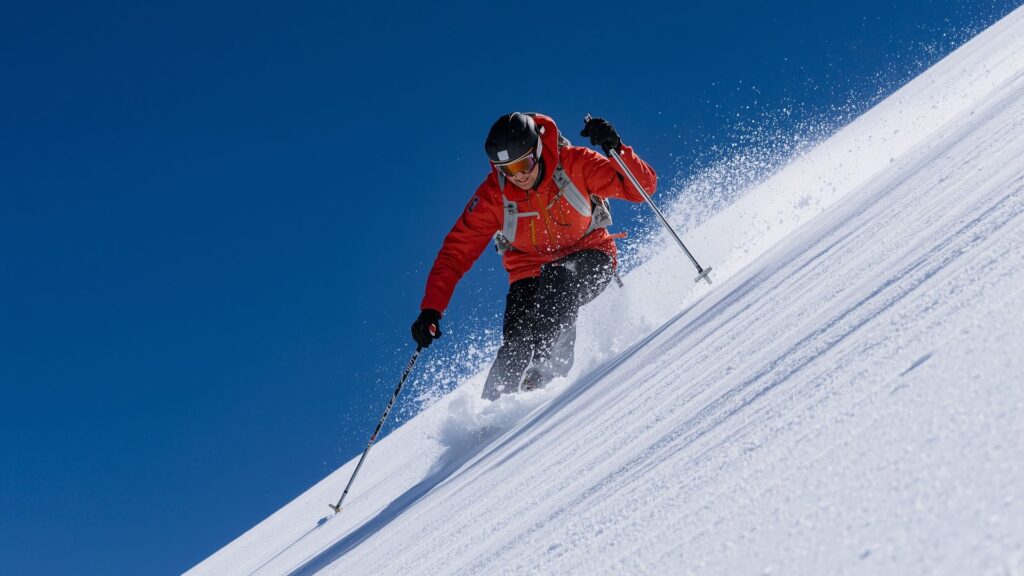
Softshell jackets excel in specific weather conditions and activity types. Choose softshell protection when weather forecasts predict dry conditions with possible light showers, when temperatures hover around freezing or slightly above, or when your activity level will remain consistently high throughout the day.
Spring and autumn in Ireland’s mountains present ideal softshell conditions. Mornings might bring light drizzle or fog on the approach to peaks like Carrauntoohil, but serious rainfall remains unlikely. Temperatures range from 5 to 15 degrees Celsius, warm enough that you’ll generate significant heat whilst climbing. These conditions match softshell capabilities perfectly.
High-output winter activities also suit softshell use. Ski touring, winter mountaineering, and fast-paced winter hiking generate tremendous body heat even in cold temperatures. Wearing a hardshell during these activities leads to overheating and moisture accumulation inside the jacket. A softshell provides sufficient wind protection and handles light snow whilst allowing continuous ventilation.
Technical climbing and scrambling benefit from softshell stretch and mobility. The fabric moves with your body as you reach for holds, mantle onto ledges, or navigate steep terrain. Hardshell jackets feel restrictive during these movements, and their stiff fabrics produce noise that interferes with communication between climbing partners.
Pat Falvey Irish & Worldwide Adventures guides adventures across diverse conditions, from Kerry’s changeable weather to the Everest Base Camp trek through Nepal’s Himalayas. Matching jacket choice to conditions becomes second nature through experience, but understanding softshell capabilities provides the foundation.
Softshell Limitations and Considerations
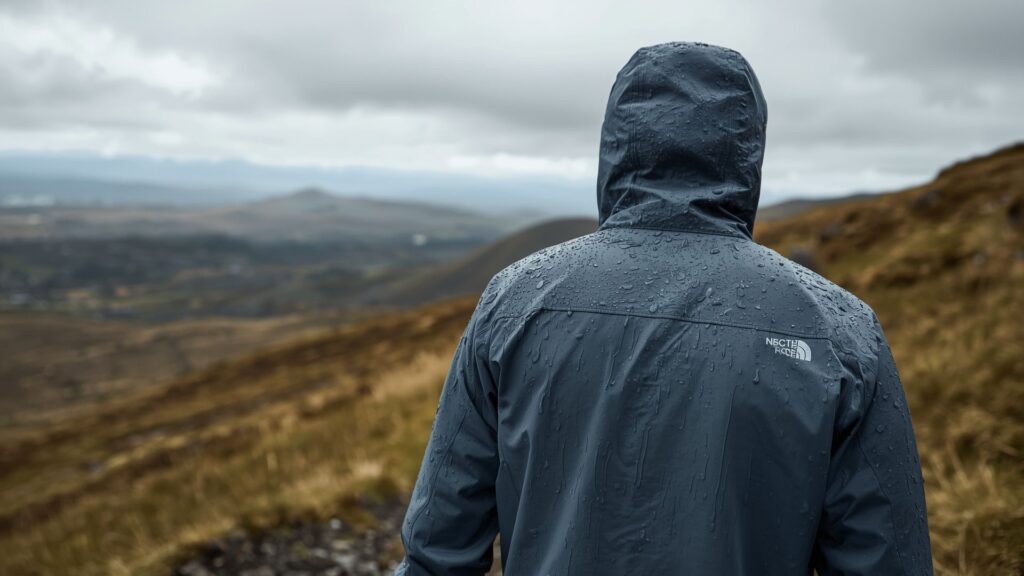
Softshell jackets have clear boundaries where their performance ends. Sustained rainfall overwhelms softshell water resistance within 20 to 30 minutes. The fabric becomes saturated, water penetrates to inner layers, and you get wet. This limitation makes softshell unsuitable as your only jacket during multi-day treks in wet climates or during seasons with frequent rainfall.
Cold static activities expose another softshell limitation. Standing at belays during rock climbing, waiting at summits for photographs, or taking extended breaks during winter walks allows your body heat to drop. Softshell fabrics provide minimal insulation, and the breathability that proves beneficial during activity becomes a liability during rest.
Extreme weather conditions require hardshell protection regardless of activity level. Driving rain, heavy snow, or high winds exceed softshell capabilities. Mountain weather can deteriorate rapidly, and starting a day in softshell-appropriate conditions doesn’t guarantee those conditions will persist. Carrying a packable hardshell provides insurance against weather changes.
Caring for Your Softshell Jacket
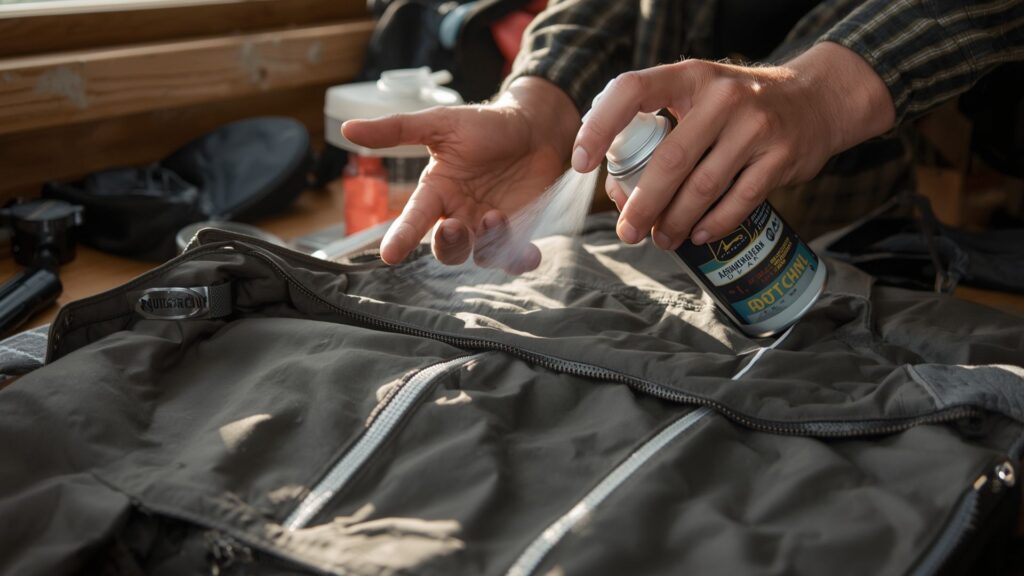
Proper maintenance extends softshell jacket performance and lifespan significantly. Regular washing removes dirt, body oils, and environmental contaminants that degrade DWR coatings and fabric performance. Wash softshell jackets every 10 to 15 days of use, or whenever the fabric appears dirty or stops beading water effectively.
Use technical fabric wash rather than regular detergent. Standard detergents leave residues that interfere with DWR coatings and fabric breathability. Wash in cold or warm water on gentle cycles, never hot water which can damage elastane fibres.
Tumble drying on low heat reactivates DWR coatings after washing. The heat causes the water-repellent molecules to stand upright on the fabric surface, restoring beading performance. When DWR coatings show signs of permanent failure, even after heat reactivation, apply new DWR treatment through spray-on products.
Softshell Use in Irish Mountain Conditions
Ireland’s mountains present specific conditions where softshell excels. The maritime climate produces frequent weather changes but rarely delivers the sustained heavy rainfall that overwhelms softshell protection. Temperature ranges from autumn through spring stay within the zone where softshell provides adequate warmth with a base layer and mid-layer beneath.
Kerry’s mountains, including the MacGillycuddy’s Reeks range containing Carrauntoohil, experience Atlantic weather systems bringing wind, cloud, and intermittent precipitation. These conditions suit softshell use during active hiking and climbing. The wind resistance proves valuable on exposed ridges, whilst breathability manages heat during steep ascents.
Summer hiking in Irish mountains often involves starting in rain or mist that clears to partly cloudy conditions by afternoon. A softshell handles the morning’s light rain whilst preventing overheating once the sun appears. The jacket’s quick-drying properties mean it’s comfortable to wear even after becoming damp during the morning approach.
The Mountain Lodge in Beaufort serves as base for Carrauntoohil guided hikes and provides gear advice for Ireland’s mountains. Understanding local weather patterns helps climbers select appropriate softshell features for Kerry’s conditions.
Making the Choice: When Softshell Suits Your Adventure

Softshell jackets provide the right solution for specific conditions and activities where their balance of breathability and weather resistance matches the demands you’ll face. Weather forecasts showing dry conditions with possible light showers, temperatures between 0 and 15 degrees Celsius, and moderate winds create ideal softshell conditions.
Activities involving continuous moderate to high output benefit from softshell breathability. Fast hiking, trail running, ski touring, and technical climbing all generate enough heat that hardshell jackets cause overheating. Softshell manages this heat whilst maintaining adequate weather protection for typical conditions during these activities.
Day trips and shorter adventures suit softshell use better than multi-day expeditions. You can check weather forecasts more accurately for single days, reducing the chance of encountering conditions that exceed softshell capabilities. Multi-day trips into remote areas warrant carrying hardshell protection regardless of forecasts.
For guidance on choosing gear for Irish mountains or worldwide adventures including Annapurna Base Camp treks or Aconcagua expeditions, contact Pat Falvey Irish & Worldwide Adventures at info@patfalvey.com or +353 64 6644 181.