
Self-leaders actively contribute to their teams through continuous learning and personal responsibility. Pat Falvey has guided over 2,000 people on expeditions, selecting self-leaders who demonstrate initiative and accountability. This guide explains how to develop self-leading behaviour, progress from follower to leader, and become a valued team contributor.
Understanding Self-Leaders and Their Role
Self-leaders are people who are eager to learn, to participate and to contribute. They don’t just turn up to make up the numbers or to clock in a day’s work. Instead, self-leaders want to be active contributors, always learning more and becoming increasingly efficient. Willing self-leaders make effective and valued team members, acting as an inspiration and support, not only to other team members but also to team leaders.
In life we can be followers, leaders or self-leaders. We can also move between each category, depending on what task or project we undertake. The ability to recognise which role suits a particular situation demonstrates maturity and self-awareness. Pat Falvey has observed this dynamic across 65+ Kilimanjaro summits, where team members often shift between these roles based on altitude, weather conditions, and personal energy levels.
When We Function as Followers
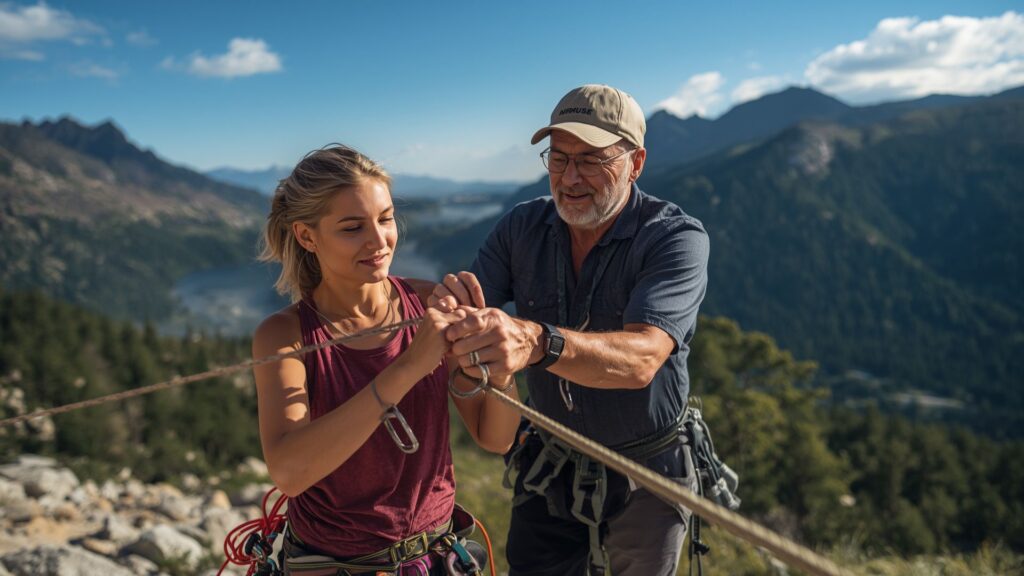
We are followers when our intent and passion is not yet matched by our skills and sufficient training. This phase represents a necessary stage in any learning journey, whether climbing Carrauntoohil or developing business leadership skills.
We acknowledge that we need to be led when we don’t know the terrain well enough. On expeditions to Kilimanjaro, even experienced hikers become followers when facing high-altitude environments for the first time. They recognise the value of professional guidance and structured leadership.
We are not confident of being able to deal with all the challenges that present themselves on the route. We are followers when we are in the apprenticeship stage of our journeys. It is only when we master our craft and learn how to use all the tools of the trade that we become leaders.
The Transition from Follower to Self-Leader
Between following and leading is the self-leading phase. As we progress in our training and learn the skills we need to know, we advance in knowledge and ability. However, to become self-leaders we must make the decision to adopt self-leading behaviour. Many of us don’t and remain forever in the ‘follower’ phase.
This is not a problem if we are content to remain at a certain point in our journey, or prefer to advance at a more gradual pace. If, on the other hand, we are hungry to learn more and want to advance at a faster pace, then we move from follower into self-leading mode.
When we do this we make a conscious decision to observe and manage our own progress. Self-leaders start taking responsibility for their actions, their behaviour, their skills level and their commitment. This shift requires honesty about current abilities and a genuine desire to expand capabilities through deliberate practice.
Characteristics of Effective Self-Leaders
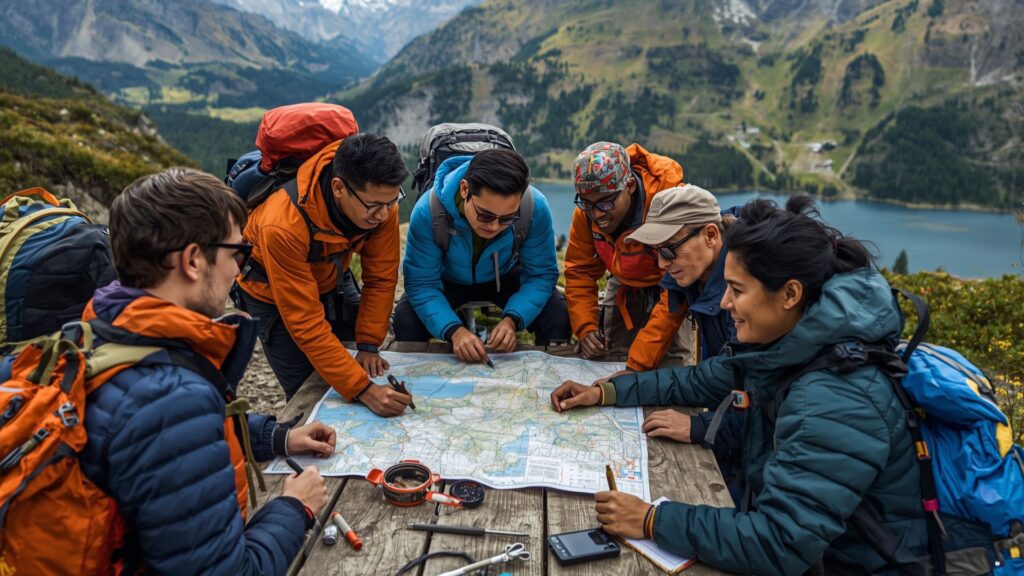
Self-leaders demonstrate specific behaviours that distinguish them from passive followers. They proactively seek knowledge rather than waiting for information to be delivered. On Pat Falvey’s Everest Base Camp treks, self-leaders research altitude acclimatisation schedules, prepare physically months in advance, and arrive ready to contribute to team safety and morale.
Self-leaders match their passion with training and experience which enables them to be confident in their own ability to support others. They recognise that personal development directly impacts team performance. When one team member improves their navigation skills or fitness level, the entire group benefits from reduced risk and increased efficiency.
Self-leaders maintain accountability for outcomes without making excuses. They analyse what went wrong, identify lessons learned, and implement changes for future situations. This growth mindset separates those who plateau from those who continue advancing throughout their careers and personal lives.
Real-World Examples of Self-Leading Behaviour

In business and on expeditions Pat Falvey has always sought to have self-leaders on his teams. An example of an excellent self-leader was his partner on many expeditions, Clare O’Leary. When they were going to the South Pole, Clare took charge of sorting their diet and medical requirements.
She was confident in her own ability and Pat was confident that, no matter what task she was given, she would have the ability to fulfil it. She led in certain areas and he, as team leader, was happy to accept this. A lot of people don’t want to take such responsibility and a lot of leaders don’t allow self-leaders the freedom to take the reins in certain areas because it challenges them and because they don’t trust their team members sufficiently.
This example illustrates a crucial point about organisational dynamics. Leaders who feel threatened by capable team members create cultures where self-leading behaviour gets suppressed. The result is disengaged employees who stop contributing ideas and settle into passive compliance. Pat Falvey’s approach demonstrates how empowering self-leaders creates stronger, more resilient teams capable of handling complex challenges.
The Honesty Required for Self-Leading
Self-leading demands a high level of honesty with yourself. If we are not totally honest about our aspirations and our limits, then it becomes harder to fully self-lead. This honesty extends beyond recognising weaknesses to acknowledging strengths without false modesty.
When we are self-leading effectively, we remain open to learning new and better approaches as we increase our knowledge and skill set. Integral to self-leading is the willingness and desire to engage very consciously with the process and this is reflected in our desire to contribute our own ideas and suggestions as self-leaders.
Self-leaders conduct regular self-assessments to measure progress against defined goals. They seek feedback from peers, mentors, and leaders, then filter that information through their understanding of personal objectives. This process requires vulnerability and the courage to hear uncomfortable truths about performance gaps or blind spots.
Emotional Intelligence and Self-Leading

As we go from being followers to being self-leaders, we learn to move from an emotional to a more rational response to the challenges that face us. This doesn’t mean suppressing emotions but rather developing the capacity to process feelings without being controlled by them.
On mountain expeditions, emotional regulation becomes critical to survival. Self-leaders recognise when fear or frustration clouds judgement and implement techniques to regain perspective. They pause, assess the situation objectively, and make decisions based on facts rather than panic or ego.
Developing emotional intelligence allows self-leaders to navigate interpersonal conflicts constructively. They address issues directly rather than avoiding confrontation or escalating tensions through passive-aggressive behaviour. This skill proves essential in both professional environments and challenging outdoor pursuits like the Camino de Santiago pilgrimage.
Building Self-Leading Capacity in Teams
It is only when we learn to be effective self-leaders that we can move on to leading others. This principle applies whether managing corporate teams or guiding groups through Aconcagua expeditions. Leaders who have never developed self-leading skills struggle to inspire autonomy in others because they lack the personal experience of internal motivation.
Self-leaders are excellent followers because they are actively engaged in the process of learning and gaining knowledge and skills. They understand what effective leadership looks like from the perspective of those being led. This dual awareness makes them exceptionally valuable team members who can bridge communication gaps between leadership and ground-level execution.
Self-leaders support the leader in a meaningful, constructive way which makes for more effective and productive teamwork. They anticipate needs, identify potential problems before they escalate, and propose solutions rather than simply highlighting issues. When you self-lead you grow in confidence that translates into better performance across all life domains.
Practical Steps to Develop Self-Leading Behaviour

Developing into a self-leader requires deliberate action across several areas. Start by identifying three specific skills or knowledge gaps relevant to your current goals. Create a learning plan with measurable milestones and realistic timelines. Track progress weekly and adjust strategies based on results.
Seek opportunities to take ownership of projects or tasks beyond your current job description. Volunteer for challenging assignments that stretch your capabilities. The discomfort of operating outside your competence zone accelerates growth and builds resilience needed for self-leading.
Find mentors who demonstrate strong self-leading qualities. Observe how they approach problems, make decisions, and manage setbacks. Ask questions about their development journey and the practices that proved most valuable. At The Mountain Lodge, participants learn directly from experienced guides who model self-leading behaviour in outdoor settings.
Self-Leading in Different Life Contexts

Self-leaders apply consistent principles across varied environments. In fitness training, self-leaders set progressive goals, monitor performance metrics, and adjust programmes based on data rather than emotion. They don’t require external motivation to maintain discipline because the internal drive sustains effort through difficult periods.
In relationships, self-leaders take responsibility for their contribution to dynamics without blaming partners for all conflicts. They communicate needs clearly, respect boundaries, and work collaboratively on shared goals. This approach creates healthier, more balanced partnerships built on mutual growth rather than dependency.
In professional settings, self-leaders identify how their role connects to broader organisational objectives. They align daily tasks with strategic priorities and find ways to increase their impact. When facing obstacles, they problem-solve independently before escalating issues to management, conserving leadership bandwidth for truly complex decisions.
Overcoming Barriers to Self-Leading
Common obstacles prevent people from developing self-leading capacity. Fear of failure keeps many locked in follower mode where accountability remains diffused across the team. Self-leaders reframe failure as feedback, extracting lessons from setbacks rather than treating them as identity threats.
Perfectionism creates paralysis that blocks self-leading initiative. People wait for ideal conditions or complete confidence before taking action. Self-leaders understand that progress requires imperfect action and course-correction along the way. They embrace experimentation as the path to mastery.
External validation addiction undermines self-leading development. When worth depends entirely on approval from authority figures, people cannot build the internal reference point needed for autonomous decision-making. Self-leaders cultivate self-awareness that allows them to evaluate performance against personal standards while remaining open to external feedback.