
Mavericks are individuals who challenge established systems through independent thinking and calculated risk-taking. Pat Falvey demonstrates maverick characteristics in both mountaineering and business, having guided 2,000+ climbers and built successful enterprises through unconventional approaches. This guide explores how maverick traits create business success, overcome obstacles, and drive innovation in challenging environments.
Understanding the Maverick Mindset
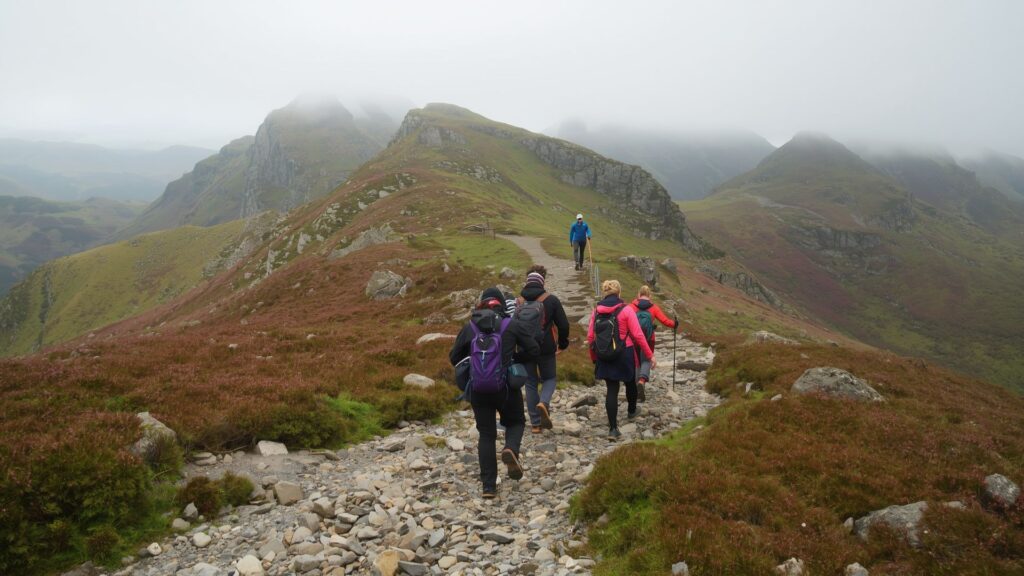
The term maverick originates from 19th-century Texas rancher Samuel Maverick, who refused to brand his cattle, setting himself apart from conventional practice. Today, maverick describes someone who operates independently, questions established norms, and pursues alternative paths to achieve goals. For most of us, the word ‘maverick’ conjures up an image of a cowboy or an outlaw, living on his wits and fighting against an unjust system. These individuals share characteristics: the ability to take risks, independence of mind, clarity of thought and focus. Business experts increasingly acknowledge that maverick characteristics are key to success in competitive markets. Mavericks are innovative and courageous and not afraid to risk trying something new. We all have some maverick blood in us; let it flow and see where it takes you.
The maverick approach differs fundamentally from traditional business thinking. Where conventional wisdom suggests following proven methods, mavericks examine why those methods exist and whether better alternatives exist. Pat Falvey embodies this philosophy across his guided Carrauntoohil hikes and international expeditions. His 30 years of operation demonstrate that questioning the status quo produces superior results when combined with expertise and careful planning.
Maverick Leadership Versus Traditional Approaches

There are those of us who always play by rules and are happy to do so; we like knowing what the structure is, what our role is and what the negotiating space is. We are on the path taken by the majority and learn how to deal with both the positives and negatives of that. Then there are those among us who are mavericks, people who take nothing for granted, who challenge the rules and regulations because they want to do things differently. As a maverick, Pat Falvey questions everything, even if it works. This is because, a lot of the time, he thinks things can be done better by taking a different approach.
Traditional business leaders follow established hierarchies and proven systems. These structures provide security and predictability, qualities that serve many organisations well. However, mavericks recognise that structures can become rigid, stifling innovation and preventing adaptation to changing markets. The tension between these approaches often drives progress, as each perspective challenges the other to improve.
Mavericks may have the same goals as everyone else; it’s just that they are taking a less-travelled or previously unexplored route. This can cause friction with the upholders of the established order who mightn’t like having the rules and order they created—in good faith, more often than not—being challenged by those whom they may perceive as outsiders. Traditionalists may feel challenged and threatened by new approaches. Breaking down old systems can be painful for everyone and both mavericks and the established order are well served by taking cognisance of what the other is trying to achieve.
Pat Falvey’s Kilimanjaro expeditions demonstrate this balance. He respects mountain safety protocols whilst innovating in preparation methods and group dynamics. His 65+ Kilimanjaro summits prove that questioning standard practices improves outcomes without compromising safety. This approach attracts clients who value both expertise and fresh thinking.
The Challenges of Taking the Maverick Path

It can be a lonely road being a maverick. When we are outsiders or mavericks, we don’t have the supports that insiders have, but we don’t have the restrictions either. We can use the freedom of this space to experiment and think outside the box. There may be huge pressure to conform when we pose a challenge to the status quo. However, when we believe that we have made a breakthrough to a new and better way of doing something, or that the existing rules have become exclusive rather than inclusive, this is the time when we must remain courageous and maintain self-belief.
Operating outside conventional structures presents distinct challenges. Mavericks lack institutional backing and face scepticism from established players. Financial institutions resist funding unconventional ventures. Industry peers question methods that deviate from accepted practice. Clients may hesitate to trust approaches they don’t recognise. These obstacles require mavericks to develop resilience and maintain conviction despite external pressure.
The isolation of the maverick path mirrors high-altitude mountaineering. Pat Falvey’s Everest Base Camp treks teach participants that reaching difficult goals requires persistence through doubt and discomfort. Summit attempts demand individual responsibility whilst trusting team support. Business mavericks face similar dynamics, balancing independence with strategic partnerships.
We need to acknowledge any vulnerability we may have, address them and then forge ahead, having ensured that we have the skills and knowledge needed to achieve what we have set out to achieve. We should all be ready to discard old beliefs when they no longer serve us and are, in fact, impeding our progress.
How Pat Falvey Applied Maverick Thinking to Financial Recovery

Pat adopted a maverick approach in the 1980s when he was trying to trade out of financial ruin. He had just done a deal with his bank which had given him a licence to sell sites for houses. But the country was still in the grip of recession and his potential clients had no chance of raising the deposit needed to secure the necessary loan from their building society or bank to buy the house. So he set up a loan scheme within his building and auctioneering group and loaned the deposits to the clients directly. He then gave them a letter stating they had secured the 10% deposit for their house.
The letter ensured the building society or bank would loan them the balance of the money to allow them to purchase their house. The client would then repay Pat the money that he had loaned them. Without this deposit, these people had no chance of getting their own homes, and with the recession, they hadn’t a hope of securing a loan from a traditional institution. He took the maverick route and solved a problem for both the home buyers and Pat. Bringing a maverick approach to business is often what helps a business survive and thrive, especially in difficult times.
This solution demonstrates classic maverick thinking: identifying a market failure, designing an unconventional solution, and accepting calculated risk. Traditional lenders saw only liability; Pat Falvey saw opportunity to serve underserved clients whilst building business. The approach required courage, as failure would deepen financial troubles. Success depended on accurate risk assessment and trust in his ability to select reliable clients.
The deposit scheme illustrates how mavericks create value by connecting disconnected systems. Banks needed proof of creditworthiness. Homebuyers needed deposits. Pat Falvey provided the bridge, profiting whilst solving genuine problems. This pattern repeats across his ventures, from The Mountain Lodge in Kerry to international expeditions. Each enterprise identifies unmet needs and delivers innovative solutions.
Building Maverick Skills for Business Success

Developing maverick capabilities requires specific skills and mindsets. These traits distinguish those who successfully challenge conventions from those who simply rebel without purpose. Pat Falvey’s career demonstrates that effective mavericks combine independent thinking with rigorous preparation.
Risk Assessment and Management
Mavericks take calculated risks, not reckless gambles. Pat Falvey analyses weather patterns, route conditions, and team capabilities before every expedition. This same analytical approach guides business decisions. Assess potential downsides, develop contingency plans, and ensure resources match ambitions. Risk becomes manageable when thoroughly understood and properly prepared for.
Independent Research and Verification
Question assumptions by conducting original research. Pat Falvey studied mountaineering techniques across cultures, testing different approaches on Mount Toubkal in Morocco and peaks throughout the Himalayas. He verified which methods produced results and discarded ineffective practices. Business mavericks similarly test ideas through pilot programmes before full implementation.
Building Strategic Networks
Isolation doesn’t mean operating alone. Mavericks cultivate relationships with other independent thinkers, technical experts, and potential collaborators. Pat Falvey connects mountaineers, business leaders, and community members across Ireland and internationally. These networks provide support, knowledge exchange, and opportunities that wouldn’t exist within traditional structures.
Maintaining Ethical Standards
Maverick approaches must serve genuine purposes beyond personal gain. Pat Falvey’s deposit scheme helped families achieve homeownership whilst rebuilding his business. His expeditions provide transformative experiences whilst maintaining safety standards. Ethical mavericks create value for all stakeholders, distinguishing themselves from mere rule-breakers.
When to Apply Maverick Thinking in Your Business

Not every situation requires maverick approaches. Traditional methods work well for many circumstances. Recognise when conventional wisdom serves you and when it constrains progress. Apply maverick thinking strategically rather than reflexively.
Consider maverick approaches when existing systems fail to serve stakeholders effectively. The 1980s recession created a market gap that traditional lenders wouldn’t fill. Pat Falvey’s intervention provided mutual benefit. Similarly, his adventure tourism business addresses clients seeking authentic experiences rather than packaged holidays. The Camino de Santiago treks offer spiritual journeys that conventional tour operators cannot replicate.
Markets undergoing rapid change reward maverick thinking. Technologies shift, customer preferences evolve, and competitive landscapes transform. Organisations clinging to outdated practices decline whilst adaptable competitors thrive. Mavericks who anticipate trends and position themselves accordingly gain significant advantages.
Lessons from Mountaineering for Business Mavericks
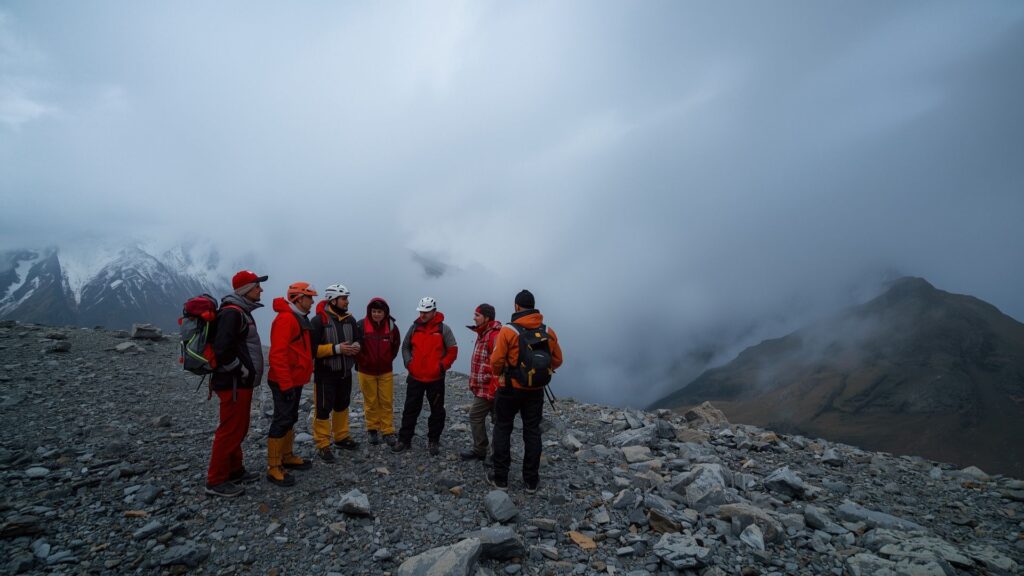
High-altitude mountaineering provides direct parallels to business challenges. Both require planning, resilience, adaptability, and clear objectives. Pat Falvey transfers lessons from peaks like Aconcagua in Argentina to corporate environments.
Mountains demand respect for natural forces beyond human control. Weather systems, altitude effects, and terrain dangers exist independently of wishes or plans. Business mavericks likewise acknowledge market realities, competitive pressures, and economic cycles. Successful navigation requires working with these forces rather than ignoring them.
Summit attempts require knowing when to advance and when to retreat. Pat Falvey has turned back from summits when conditions deteriorated, prioritising safety over ego. Business decisions demand similar discipline. Abandon projects that no longer serve strategic goals despite invested resources. Cut losses early rather than compounding poor decisions.