
Travelling light is a fundamental skill that separates experienced adventurers from novices. Pat Falvey Irish & Worldwide Adventures teaches climbers and hikers how to travel light on expeditions across Ireland’s mountains and peaks worldwide. This approach reduces physical strain, increases safety, and transforms how you experience the outdoors. This guide covers essential packing strategies, gear selection, weight management, and practical techniques that Pat Falvey has refined across 30 years of leading expeditions to Carrauntoohil, Kilimanjaro, and Everest Base Camp.
When you travel light, you move faster and react better to changing mountain conditions. Your body expends less energy carrying equipment, leaving more strength for the climb itself. The principle applies whether you’re tackling a day hike up Carrauntoohil or embarking on a multi-week trek to Everest Base Camp.
The Expedition Packing Process
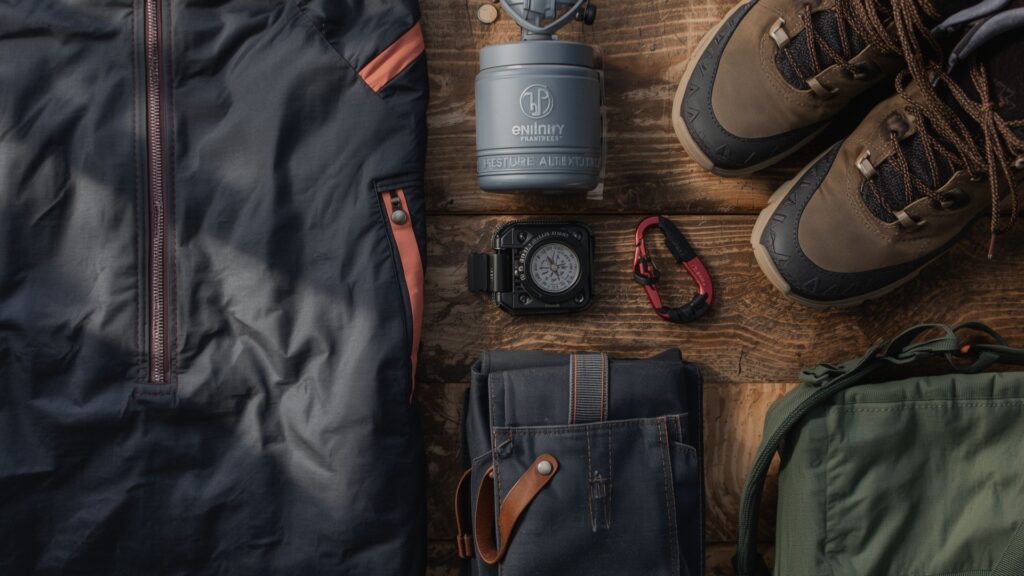
Experienced mountaineers follow a rigorous system before any adventure begins. They examine every item in minute detail, creating comprehensive lists of food, clothing, medical supplies, and shelter equipment.
Pat Falvey’s guided expeditions include detailed pre-trip briefings where participants learn exactly what to pack. The Mountain Lodge in Beaufort, Kerry, serves as the preparation base where climbers can weigh their packs and adjust their loads before departure. Every piece of equipment serves a specific purpose, and redundant items stay behind.
The comfort item allowance recognises that mental wellbeing matters as much as physical preparation. A small book or music player weighs little but provides significant psychological benefit during difficult sections of a climb. These items become vital during rest days at altitude or when weather forces extended tent time.
Weighing and Testing Your Load
The true test comes when you shoulder your pack and walk with it. Pat Falvey recommends a loaded practice hike before any major expedition, carrying the exact weight you’ll manage on the mountain. This exercise reveals uncomfortable pressure points, balance issues, and whether you’ve packed too much.
Most novice climbers pack 20-30% more than necessary on their first expedition. Through repeated trips, they develop an instinct for essentials versus luxuries. This skill transfers beyond mountaineering into daily life, teaching valuable lessons about consumption and necessity.
Why Travelling Light Matters on Mountains
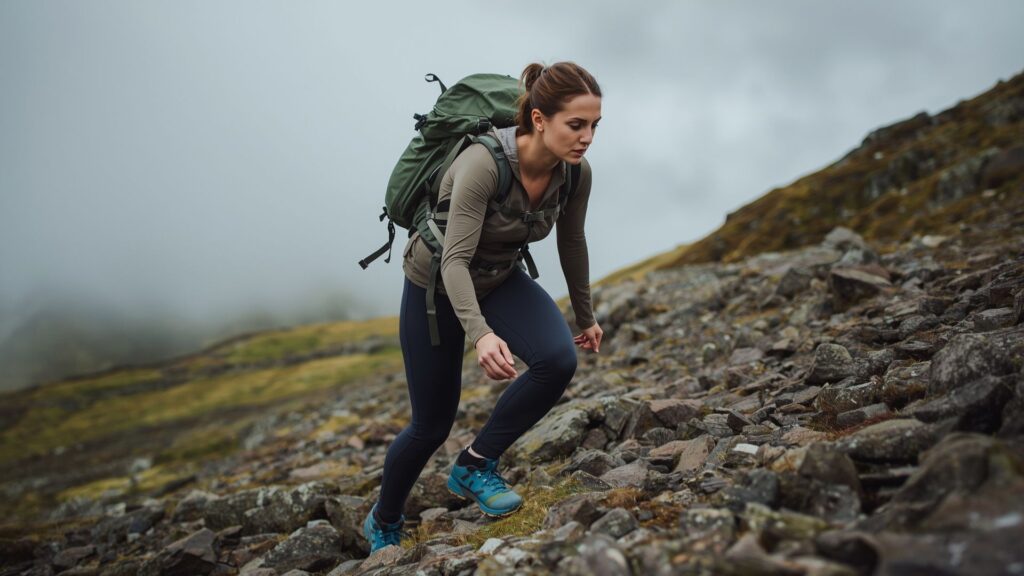
Mountains punish excess weight. Every kilogram you carry increases energy expenditure, slows your pace, and raises injury risk. On technical sections like Carrauntoohil’s Devil’s Ladder, a lighter pack improves balance and allows you to use your hands more effectively on scrambles.
The safety advantages extend beyond physical ease. When weather deteriorates rapidly, as it frequently does in Kerry’s MacGillycuddy’s Reeks, you need to move quickly to reach shelter. A heavy pack slows your descent and increases exposure to dangerous conditions. Pat Falvey’s mountain leaders emphasise this principle on every guided Carrauntoohil hike.
At altitude, the effects multiply. Above 3,000 metres, your body works harder to process oxygen. Carrying unnecessary weight at Everest Base Camp or on Kilimanjaro’s summit push depletes energy reserves that you need for acclimatisation and the climb itself. Guides on Pat Falvey’s Kilimanjaro expeditions strictly enforce weight limits for this reason.
Adapting to Changing Conditions
Light packers respond better to unexpected situations. When a storm approaches or a route becomes impassable, you can change plans quickly. Heavy loads lock you into predetermined schedules and routes, reducing flexibility when mountains demand adaptation.
This agility saved lives on Pat Falvey’s 2,000+ guided summits of Kilimanjaro. Weather windows close rapidly on African peaks, and teams that travel light can accelerate summit attempts or retreat faster when conditions deteriorate.
Essential Questions Before Packing
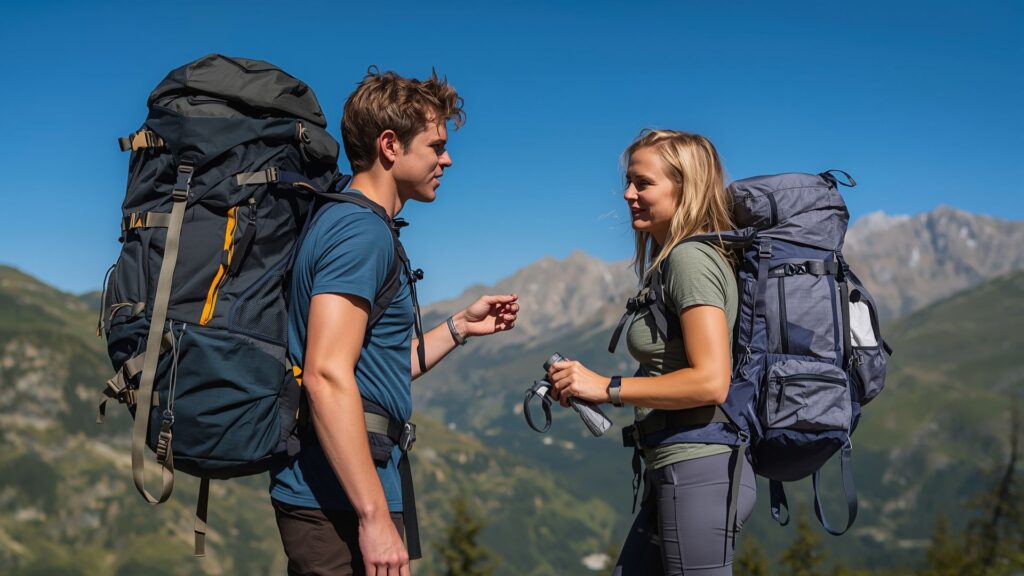
Before adding any item to your pack, ask three critical questions. These filters eliminate 30-40% of what inexperienced climbers typically bring.
Are you packing something because you own it? Ownership creates attachment, but mountains don’t care about your investment in gear. That expensive jacket stays home if a lighter alternative performs better. Pat Falvey’s equipment lists for Carrauntoohil guided hikes specify exactly what works in Irish conditions, regardless of brand or cost.
Does this item provide genuine comfort or false security? A second sleeping bag feels comforting but adds 2 kilograms you’ll regret carrying. One quality bag rated for expected temperatures suffices. The difference between comfort and security determines what stays in your pack.
Does this make you look good or keep you safe? Mountain fashion has no place on serious climbs. Bright colours aid visibility in emergencies, but stylish gear that underperforms in wind and rain endangers you. Function determines every choice when you travel light properly.
Benefits of Travelling Light
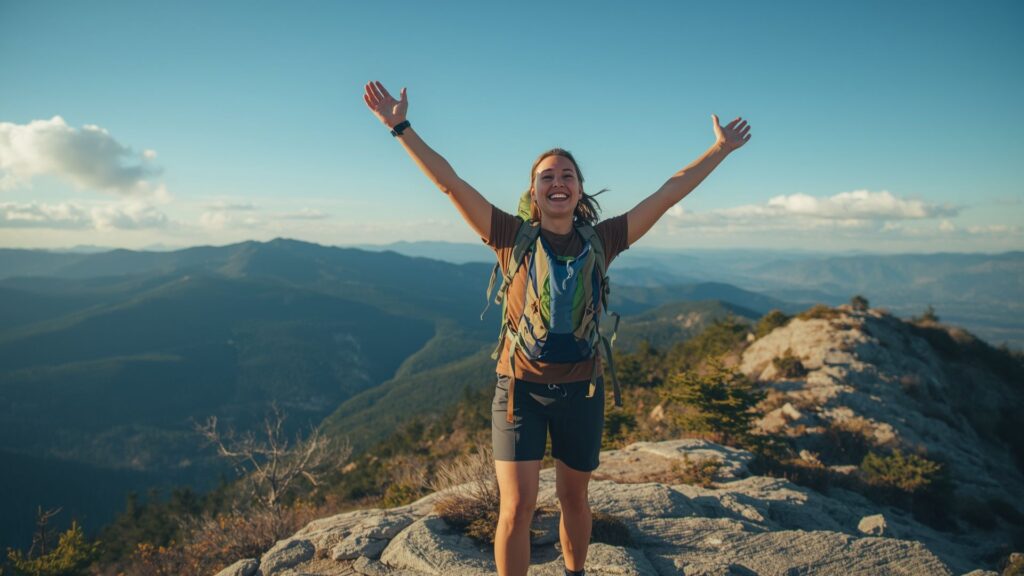
The advantages extend far beyond reduced pack weight. These principles transform how you approach adventures and daily life.
You learn to prioritise when forced to choose between items. This skill applies to time management, relationships, and career decisions. Mountaineers who travel light make better decisions under pressure because they’ve practiced prioritisation in high-stakes environments.
Honest assessment of needs versus wants reveals personal values. Some climbers discover they value security over adventure. Others learn they perform better with minimal possessions. This self-knowledge guides future choices on and off the mountain.
Consuming less benefits the environment directly. Lighter packs mean less manufacturing demand, reduced transportation emissions, and smaller ecological footprints on trails. Pat Falvey Irish & Worldwide Adventures follows Leave No Trace principles on all guided hikes, and travelling light supports this commitment.
Space in your life and pack enables spontaneous opportunities. When you travel light, detours become possible. Side trips to additional Kerry peaks or extended ridge walks happen because you’re not committed to a heavy load’s predetermined route.
You use time better without excess belongings. Setting up camp takes minutes rather than hours. Breaking camp happens quickly, maximising daylight for covering ground. This efficiency matters on Ireland’s shorter winter days or during Himalayan expeditions where weather windows close rapidly.
Practical Strategies for Travelling Light
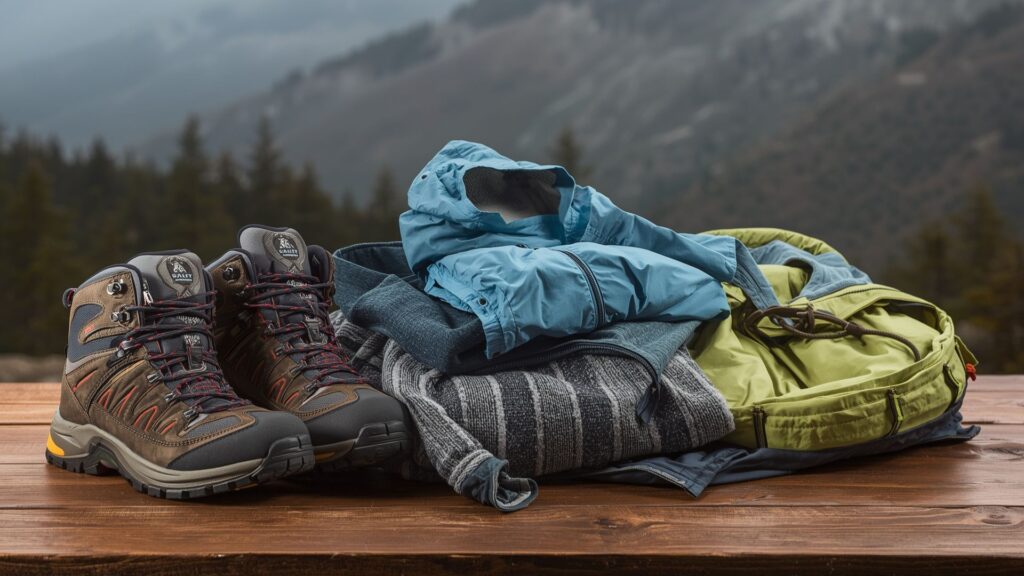
Implementation requires specific techniques beyond general philosophy. These methods work on Carrauntoohil day hikes and month-long Everest Base Camp treks.
Own Only What You Need
Gear accumulation tempts every adventurer. Sales, new technologies, and perceived necessities fill garages with unused equipment. Resist this pattern by maintaining a core kit that covers 90% of your climbing needs. Specialised gear gets borrowed or rented for specific expeditions.
Pat Falvey’s equipment recommendations focus on versatile items. A quality waterproof jacket serves on Kerry mountains and Kilimanjaro’s rain forest zone. Layering systems adapt to varied conditions without requiring separate wardrobes for each climate.
Eliminate Unused Items
Get rid of gear you haven’t used in two years. Sentimental attachments to old equipment waste space and mental energy. Donate functional items to climbing clubs or sell them to fund quality replacements. This regular purge maintains a lean, functional kit.
The “never used, will never use” category includes aspirational purchases. That ice climbing gear looked exciting, but if you haven’t used it in three seasons, someone else needs it more. Be honest about your actual climbing activities versus imagined future expeditions.
Quality Over Quantity
This motto guides every purchase decision. One excellent waterproof jacket outperforms three mediocre alternatives. The quality item weighs less, performs better, and lasts longer. Pat Falvey’s 30 years leading expeditions proves that quality gear justifies its cost through reliability and longevity.
Invest in items that contact your body most: boots, sleeping bags, and base layers. These directly affect comfort and performance. Secondary items like stuff sacks and packing cubes can be budget-friendly without compromising expedition success.
Travelling Light on Different Expeditions
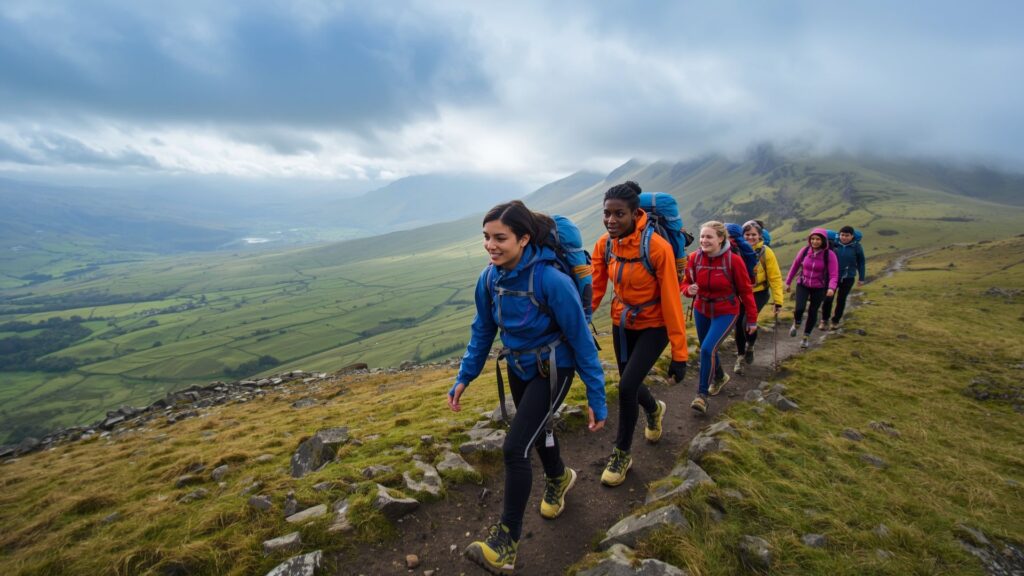
The principle adapts to varied adventure types. Day hikes up Carrauntoohil require different approaches than multi-week Himalayan treks, but the underlying philosophy remains constant.
For Ireland’s mountains, travelling light means a 6-8 kilogram day pack with layers, food, water, and safety equipment. Pat Falvey’s guided Carrauntoohil hikes provide detailed packing lists that balance safety with efficiency. The MacGillycuddy’s Reeks demand respect despite their modest altitude, and proper equipment saves lives when weather deteriorates.
Kilimanjaro expeditions allow more weight because porters carry main loads. Personal packs still need careful curation, carrying daily essentials only. The 5-6 day ascent requires clothing layers for tropical heat and arctic summit conditions, testing your ability to travel light across extreme temperature ranges.
Everest Base Camp treks span three weeks, but successful climbers still pack under 10 kilograms in personal day packs. The key involves selecting versatile layers and trusting tea house facilities for shelter and food. For those seeking local training grounds, The Mountain Lodge in Beaufort provides the perfect base to refine your travelling light skills before major expeditions.
FAQs
Your day pack should weigh 6-8 kilograms for standard Irish mountain hikes. This includes 1.5-2 litres of water, emergency shelter, extra layers, food, and safety equipment. Pat Falvey’s guided Carrauntoohil hikes enforce these limits to ensure climber safety and enjoyment throughout the 4-6 hour ascent.
Most climbers pack excessive clothing layers, multiple backup items, and comfort equipment that remains unused. Common unnecessary items include second sleeping bags, extra shoes, excessive toiletries, and too many electronics. Pat Falvey’s equipment lists eliminate these redundancies based on 30 years of expedition experience.
You travel light enough when you can walk comfortably for 6-8 hours, your pack sits properly on your hips without shoulder strain, and you use 80% or more of what you packed. Test this on training hikes before committing to major expeditions like Kilimanjaro or Everest Base Camp.
Winter expeditions require more equipment for safety, but you still travel light through careful gear selection. Modern insulation technology provides warmth without bulk. Pat Falvey’s winter Carrauntoohil hikes demonstrate that proper layering systems replace heavy single items while reducing overall pack weight.
The most important item varies by expedition, but emergency shelter, navigation tools, and extra layers rank consistently high. On Irish mountains like Carrauntoohil, waterproof protection matters most due to rapid weather changes. At altitude on Kilimanjaro or Everest Base Camp, hydration systems and sun protection become critical.