
Layering up properly transforms your hiking experience from uncomfortable to enjoyable, whether you climb Carrauntoohil in winter or trek through Kerry’s mountains in summer. Pat Falvey Irish & Worldwide Adventures has guided over 2,000 climbers through Ireland’s peaks since 1995, teaching proper layering techniques that keep adventurers safe and comfortable. This guide covers the three-layer system, fabric choices, seasonal adjustments, and practical tips that work across all conditions.
Understanding the Three-Layer System for Outdoor Adventures
Layering up relies on a three-layer system that regulates body temperature, manages moisture, and protects against weather. The base layer wicks sweat away from skin, the mid-layer traps warm air for insulation, and the outer layer shields you from wind, rain, and snow.
This system works because air trapped between layers creates insulation whilst allowing moisture to escape. When you generate heat during ascents like climbing Carrauntoohil’s Devil’s Ladder, you can remove the mid-layer to prevent overheating. At the summit, you add it back before the temperature drops. Flexibility makes the three-layer approach effective for Ireland’s changeable mountain weather, where conditions shift within hours.
Base Layers: Managing Moisture Against Your Skin
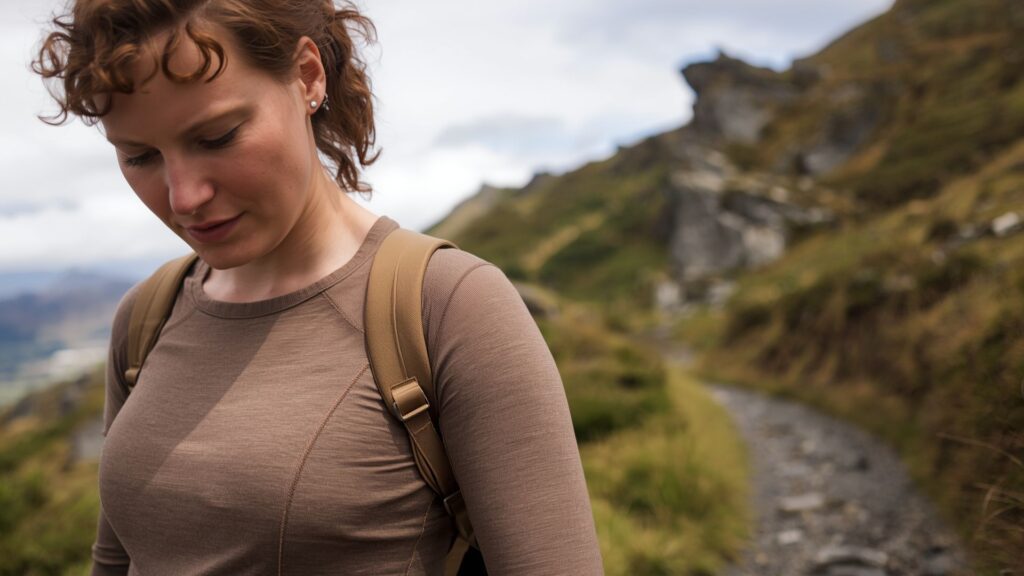
Base layers sit closest to your skin and handle the moisture your body produces during physical activity. Layering up starts with this foundation, which keeps you dry by wicking perspiration away from your body. The fabric must fit snugly against your body to wick moisture correctly. Loose base layers create air gaps that prevent proper moisture transfer, leaving you damp and uncomfortable.
Synthetic base layers use polyester or nylon blends engineered to move moisture quickly. These fabrics dry faster than natural fibres, making them ideal for high-intensity activities. Synthetics cost less than merino wool, withstand frequent washing better, and maintain their shape after multiple expeditions. The main drawback appears after several hours of wear when synthetic fabrics trap body odour. Synthetic base layers work particularly well for day hikes on Irish mountains like Carrauntoohil, where you return to wash them the same evening.
Merino wool naturally regulates temperature whilst resisting odour-causing bacteria. The fibres wick moisture effectively whilst feeling soft against skin. Merino base layers keep you warm when wet, a crucial property for Ireland’s damp climate where sudden rain can soak clothing. Wool dries more slowly than synthetics and requires careful washing to prevent damage. Pat Falvey’s Kilimanjaro treks include merino wool in the recommended packing list because the odour resistance and comfort suit multi-day expeditions.
Mid-Layers: Trapping Warm Air for Insulation
Mid-layers create insulation by trapping dead air close to your body, which your body heat then warms. Layering up with the right mid-layer depends on the activity level, temperature, and weight constraints.
Down fill provides the highest warmth-to-weight ratio but loses insulating ability when wet. The Everest Base Camp trek includes down jackets because the Himalayan climate stays drier than Irish mountains.
Synthetic fill insulation maintains warmth even when wet. These jackets dry quickly, cost less than down, and work well as active mid-layers during damp conditions. Pat Falvey’s guided Carrauntoohil hikes recommend synthetic jackets because synthetic fill remains the practical choice for Irish mountain conditions where rain occurs frequently.
Fleece offers excellent breathability and moisture management, making it ideal for active layering during ascents. The fabric dries quickly, maintains some warmth when damp, and costs less than insulated jackets. Fleece’s breathability makes it the preferred mid-layer for active hiking, where you generate significant body heat.
Outer Layers: Defence Against Wind and Rain
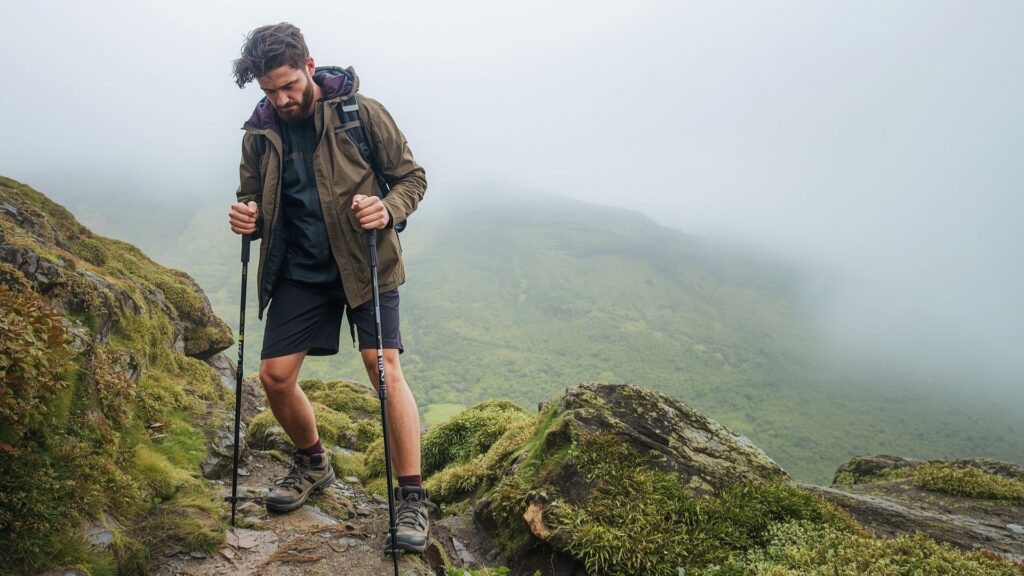
Outer layers provide the critical barrier between you and harsh weather. Layering up properly means selecting a shell that keeps wind and rain out whilst allowing sweat vapour to escape. Waterproof, breathable fabrics balance these opposing requirements, keeping you dry from both external moisture and internal perspiration.
Technical shells use membranes that block water droplets whilst allowing water vapour molecules to pass through. Gore-Tex and similar fabrics create this one-way barrier, keeping rain out and letting sweat escape. Quality shells include sealed seams to prevent water ingress at stitch holes. These shells cost significantly more than basic waterproof jackets but provide essential comfort during long days in wet conditions. Pat Falvey’s equipment recommendations always emphasise waterproof breathable shells as the most important investment.
The outer layer must fit roomy enough to accommodate base and mid-layers without restricting movement. Features like adjustable hoods, pit zips, and hem drawcords help regulate ventilation and fit. Pit zips provide crucial ventilation during high-output activities, releasing heat and moisture without removing the shell entirely.
Adjusting Your Layering System for Different Seasons
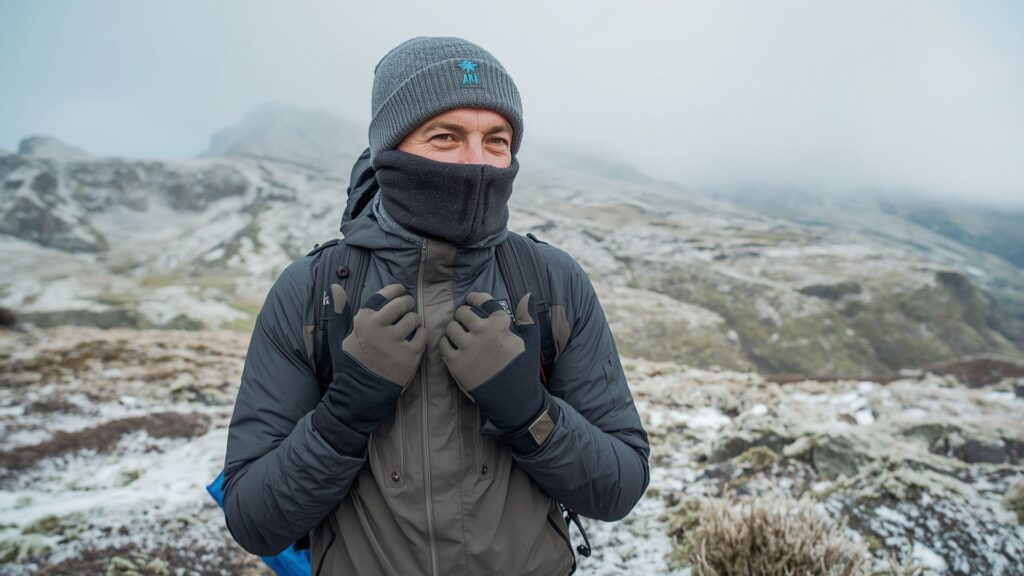
Layering up changes with seasons, though the three-layer principle remains constant. Summer hiking requires lighter base layers and often eliminates the mid-layer entirely, whilst winter demands heavier insulation and wind protection.
Summer hillwalking in Ireland typically requires only a lightweight base layer and waterproof shell. Temperatures at sea level reach 15-20°C, dropping to 5-10°C at Carrauntoohil’s 1,038-metre summit. Carry a lightweight fleece for summit stops or if weather deteriorates.
Winter conditions on Irish mountains demand full three-layer protection. Temperatures range from 0-5°C at lower elevations, dropping below freezing at higher altitudes. Start with a medium-weight base layer, add a synthetic fill or thick fleece mid-layer, and keep the waterproof shell accessible. Hands, head, and neck require additional protection with gloves, a warm hat, and a neck gaiter or buff.
Common Layering Mistakes and How to Avoid Them

Layering up improperly creates discomfort ranging from minor annoyance to dangerous hypothermia. The most frequent mistake involves starting hikes whilst too warm. Novice hikers dress for standing still at the trailhead rather than the heat generated during uphill walking. Start your hike feeling slightly cool because your body generates significant heat within 10-15 minutes of uphill walking.
Cotton absorbs moisture and dries slowly, making it dangerous for layering systems. Cotton strips heat from your body through conduction when wet, creating genuine hypothermia risk in cold, wet conditions. Replace all cotton layers with synthetic or wool alternatives, including underwear and socks.
Layering up requires active management throughout your hike. Failing to remove layers when overheating causes excessive sweating, whilst failing to add layers when cooling risks hypothermia. Create a routine of checking your thermal comfort every 30 minutes during hikes, making small adjustments before minor discomfort becomes a major problem.
Many hikers focus entirely on torso layering whilst neglecting hands, head, and feet. These extremities lose heat rapidly, with up to 30% of body heat escaping through an unprotected head. Carry gloves, a warm hat, and quality hiking socks on every mountain trip.
Practical Layering Tips from 30 Years of Mountain Experience
Pat Falvey has led over 2,000 climbers to summits across seven continents since 1995, sharing his mountain leadership expertise through guided expeditions and speaking engagements. Organise your layers in different coloured stuff sacks for quick access, keeping your waterproof shell in the top lid or an external pocket for instant access.
Plan rest stops in sheltered locations where you can add layers comfortably. Put on your mid-layer immediately when stopping, before your body temperature drops. After completing your hike, check all layers for damage and hang damp base layers to air-dry rather than leaving them compressed in your pack.
Specialised Layering for Irish Mountain Conditions
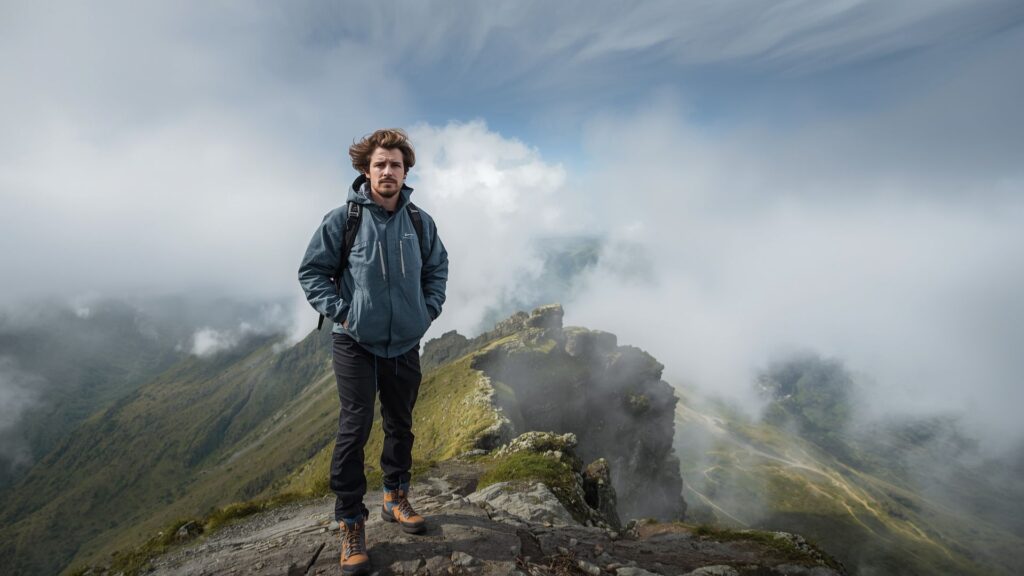
Irish mountains present unique layering challenges due to high humidity, frequent rain, and strong winds. Carrauntoohil experiences average wind speeds of 40-50 kph, with gusts exceeding 100 kph during storms.
Ireland’s maritime climate creates near-constant high humidity. Choose base layers with aggressive moisture-wicking properties and open ventilation zips preemptively during ascents. Wind dramatically increases heat loss through convection. A 10°C day with 50 kph winds feels equivalent to -5°C in still air, making windproof mid-layers and shells essential.
Equipment Investment Priorities for Effective Layering
Building an effective layering system requires investment, but not all layers deserve equal budget allocation. Prioritise spending on a quality waterproof breathable shell first. This single item determines whether you stay dry in Irish mountain weather, making it the foundation of your layering system. A €300-500 shell from reputable mountaineering brands provides reliable protection for years of regular use.
Base layers deserve the second-highest investment because they directly affect comfort during every moment of your hike. Quality merino wool or synthetic base layers cost €50-80 per piece but last for years and perform significantly better than budget alternatives.
Mid-layers offer good performance across price ranges, making expensive options unnecessary for most hikers. A quality fleece costs €40-80 and provides excellent value through years of use. Start your layering system with inexpensive base layers and upgrade as your experience grows. The Mountain Lodge in Kerry offers equipment consultations for clients planning larger expeditions.
FAQs
Three layers provide optimal comfort: a base layer for moisture management, a mid-layer for insulation, and an outer layer for wind and rain protection. Most hikers start with base and outer layers only, adding the mid-layer during stops or if temperature drops.
Merino wool performs best in wet conditions because it retains warmth when damp and resists odour-causing bacteria. Synthetic base layers dry faster but lose more insulating ability when wet.
No. Cotton absorbs moisture and dries extremely slowly, removing heat from your body through conduction when wet. Replace all cotton garments with synthetic or wool alternatives, including underwear and socks.
You wear too many layers if you feel hot within 10-15 minutes of starting your hike or notice excessive sweating. Start your hike feeling slightly cool at the trailhead.
Add layers immediately when stopping for breaks, before your body temperature drops. Remove layers when you feel the first signs of overheating. Check your thermal comfort every 30 minutes.