
Kilimanjaro FAQs cover the essential questions climbers ask before tackling Africa’s highest peak at 5,895 metres. Pat Falvey has guided over 2,000 people to Kilimanjaro’s summit across 65+ expeditions since 1995. This guide addresses travel logistics, health concerns, altitude management, equipment needs, and practical trek advice based on 25 years of expedition experience.
Understanding the Most Common Kilimanjaro FAQs
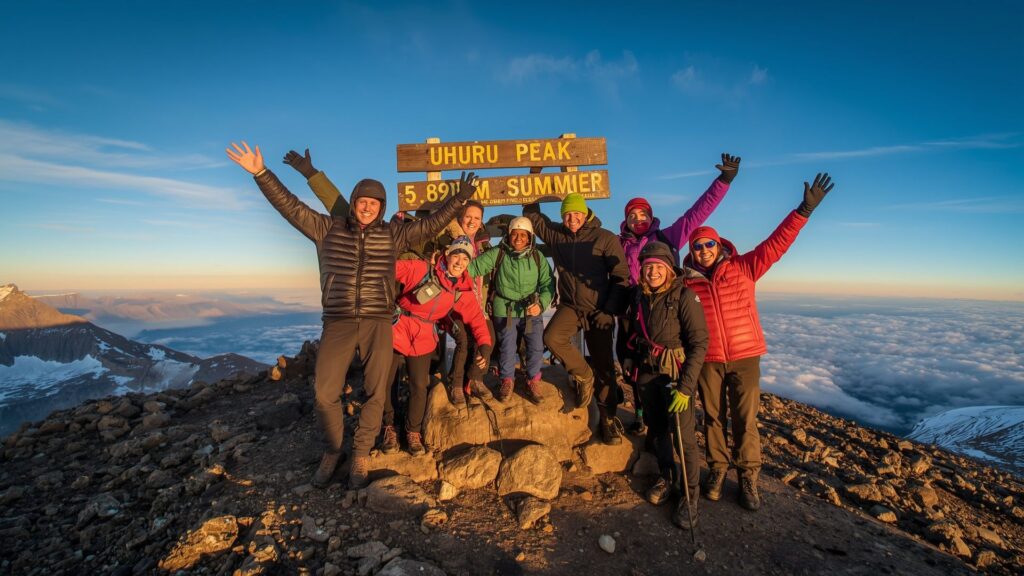
Kilimanjaro FAQs represent the questions Pat Falvey has answered thousands of times over 25 years of leading expeditions to Tanzania. These Kilimanjaro FAQs address the practical concerns every climber faces when planning their trek to Uhuru Peak. The questions range from flight logistics and airport procedures to altitude sickness management and proper hydration techniques during the seven-day ascent.
African airport procedures present unique challenges for first-time visitors to Tanzania. Kilimanjaro International Airport operates differently from European airports, with security and customs processes that require patience and preparation. Pat Falvey Irish & Worldwide Adventures provides detailed pre-departure briefings that prepare climbers for these procedures, reducing stress on arrival day.
Health management forms the cornerstone of successful Kilimanjaro expeditions. The mountain’s altitude profile creates physiological challenges that require specific medication protocols and prevention strategies. Diamox (acetazolamide) serves as the primary altitude sickness prevention medication, while additional medications address stomach issues and nausea that commonly affect trekkers at high altitude.
Flight Logistics and Airport Procedures for Kilimanjaro
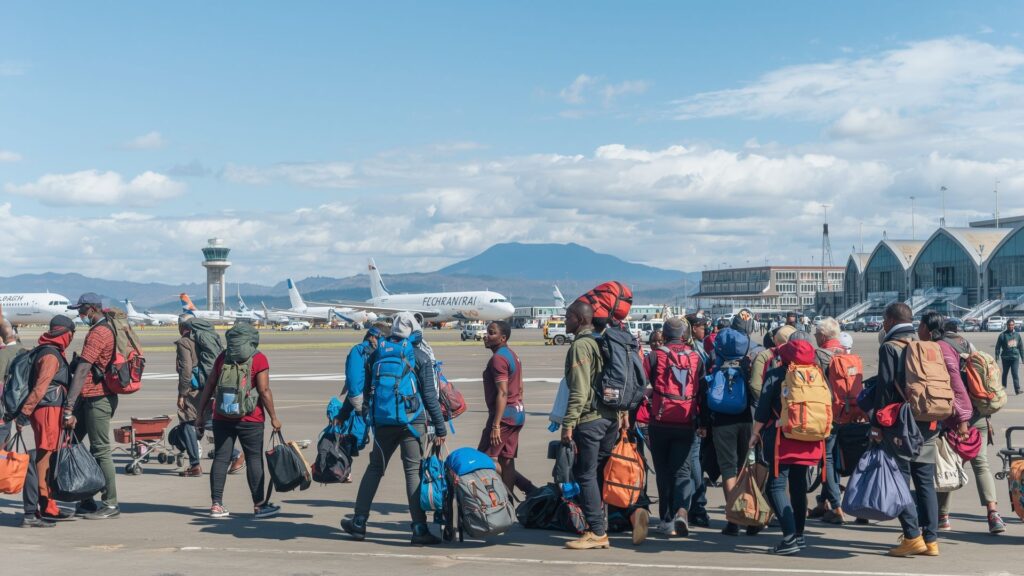
Flight connections to Kilimanjaro require careful planning and buffer time between connections. Most Irish climbers travel through Amsterdam, Doha, or Istanbul before reaching Kilimanjaro International Airport. Pat Falvey recommends arriving at least three hours before international departures and maintaining minimum three-hour connection windows in transit hubs.
Punctuality determines expedition success from the very first flight. Missing a connection to Tanzania creates cascade delays that affect the entire group’s itinerary and acclimatisation schedule. Travel insurance should cover missed connections, but prevention through early airport arrival proves more effective than insurance claims.
African airport security operates with different protocols than European standards. Kilimanjaro International Airport security staff conduct thorough bag searches and equipment inspections. Trekking poles, camping equipment, and technical gear trigger additional scrutiny, so allow extra time for security processing. The customs declaration process requires patience, as officials manually review documentation for all incoming expedition equipment.
Managing Health Concerns During Your Kilimanjaro Trek
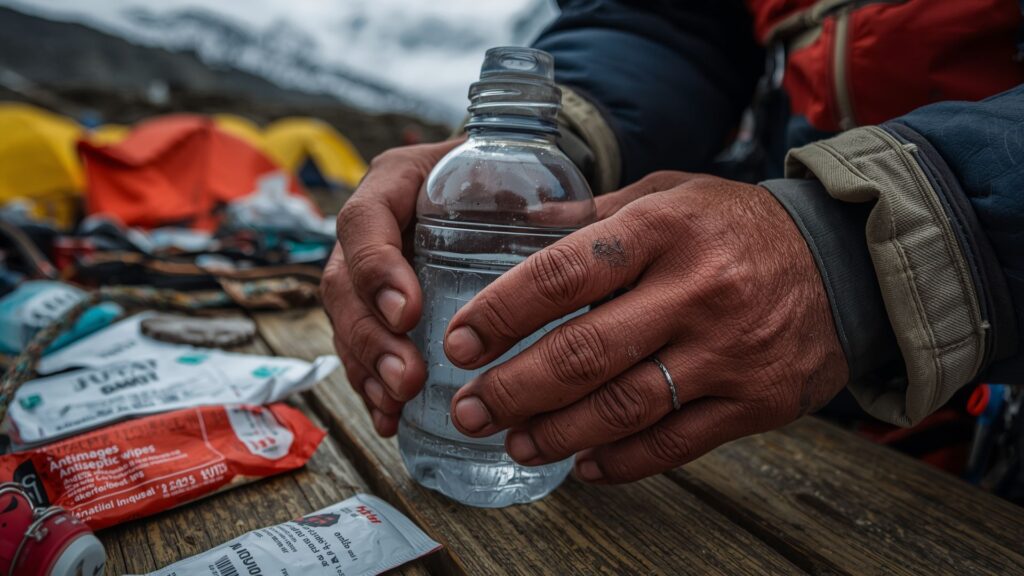
Health preparation starts weeks before departure, not on the mountain. Kilimanjaro expeditions require specific vaccinations including yellow fever, typhoid, and hepatitis A. Medical consultations should occur 6-8 weeks before departure to complete vaccination schedules and discuss altitude medication protocols.
Diamox serves as the primary medication for altitude sickness prevention on Kilimanjaro. The standard protocol involves 125mg twice daily, starting 24 hours before ascent and continuing through summit day. Diamox increases urination frequency, which necessitates increased water intake to maintain proper hydration. Side effects include tingling in fingers and toes, which indicates the medication is working effectively.
Stomach issues affect approximately 40% of Kilimanjaro trekkers at some point during the expedition. Bacterial contamination in water sources, despite purification efforts, causes most gastrointestinal problems. Imodium provides immediate symptom relief, while antibiotics such as Ciprofloxacin treat bacterial infections. Pat Falvey’s expedition medical kits include comprehensive medications for digestive issues, but climbers should consult their GP about obtaining prescriptions before departure.
Nausea becomes increasingly common above 4,000 metres as altitude affects the digestive system. Anti-nausea medications like Ondansetron (Zofran) provide relief without causing drowsiness. The medication works by blocking serotonin receptors that trigger vomiting reflexes at high altitude.
Altitude Sickness Prevention Through Proper Pacing and Hydration
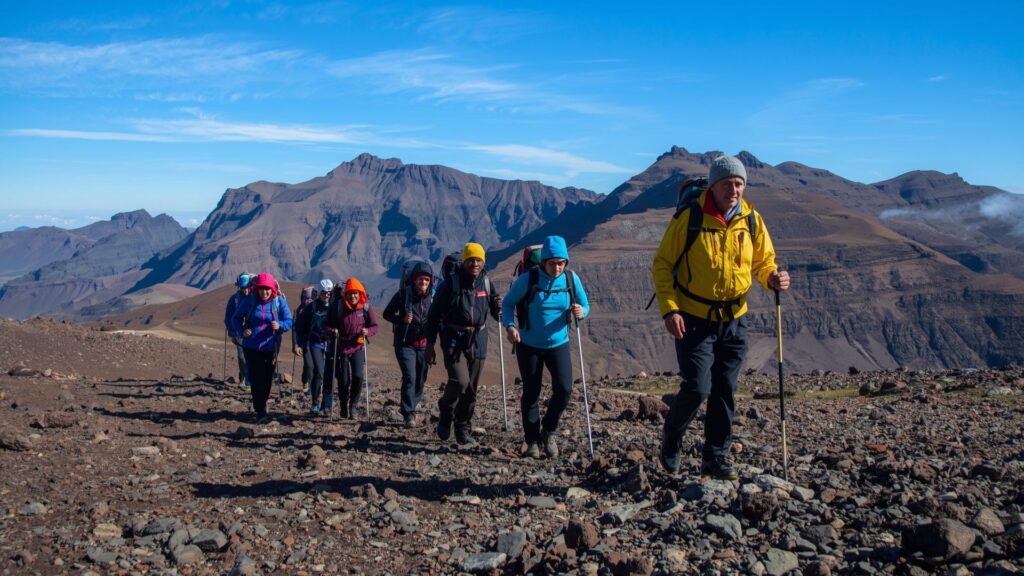
Altitude sickness prevention requires understanding how the body adapts to reduced oxygen levels. Kilimanjaro’s summit sits at 5,895 metres, where oxygen levels measure 49% of sea level concentration. The body needs time to produce additional red blood cells and adjust breathing patterns to function at these altitudes.
The seven-day trek schedule provides optimal acclimatisation time for most climbers. Shorter routes increase altitude sickness risk by reducing adaptation time, while longer routes improve summit success rates. Pat Falvey’s guided Kilimanjaro treks follow the Lemosho or Machame routes, which offer superior acclimatisation profiles compared to the Marangu route.
Hydration directly impacts altitude performance and sickness prevention. Climbers need to consume 4-5 litres of water daily during the trek, increasing to 5-6 litres on summit day. Dehydration thickens blood, reduces oxygen transport efficiency, and increases altitude sickness risk. The colour of urine provides a simple hydration indicator: pale yellow indicates proper hydration, while dark yellow signals dehydration.
Pacing determines whether climbers reach the summit or turn back due to altitude sickness. The Swahili phrase “pole pole” (slowly, slowly) represents the fundamental pacing principle on Kilimanjaro. Walking speeds should allow continuous conversation without breathlessness. Guides monitor pace constantly and slow groups that move too quickly, even when climbers feel strong at lower altitudes.
Kilimanjaro Nutrition: Eating for Altitude Performance
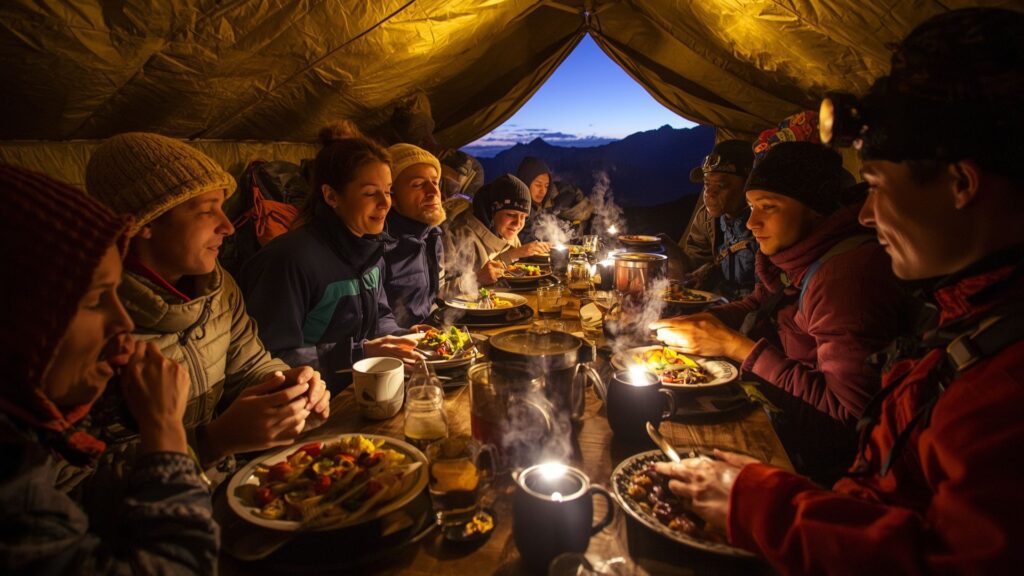
Food intake maintains energy levels and supports altitude adaptation throughout the trek. Kilimanjaro expeditions provide approximately 3,500-4,000 calories daily through breakfast, lunch, dinner, and snacks. The menu includes porridge, eggs, fresh fruit, soups, rice, pasta, vegetables, and protein sources that provide sustained energy release.
Appetite decreases naturally at altitude as the body redirects blood flow from digestive processes to vital organs. Many climbers report feeling full after small portions above 4,000 metres. Forcing food intake, even when not hungry, prevents energy depletion that leads to summit day failure. Carbohydrates digest more easily at altitude than proteins or fats, making pasta and rice ideal dinner options.
Snacking between meals maintains blood glucose levels during trekking days. Energy bars, nuts, dried fruit, and chocolate provide quick energy boosts during rest stops. Pat Falvey recommends bringing favourite snacks from home, as familiar foods prove easier to eat when appetite disappears at high altitude.
Hot drinks serve multiple functions beyond hydration at altitude. Tea and hot chocolate provide calories, warmth, and psychological comfort during cold evenings at high camps. The ritual of evening tea creates social bonding opportunities and marks the end of each trekking day.
Tipping Protocols for Kilimanjaro Guides and Porters
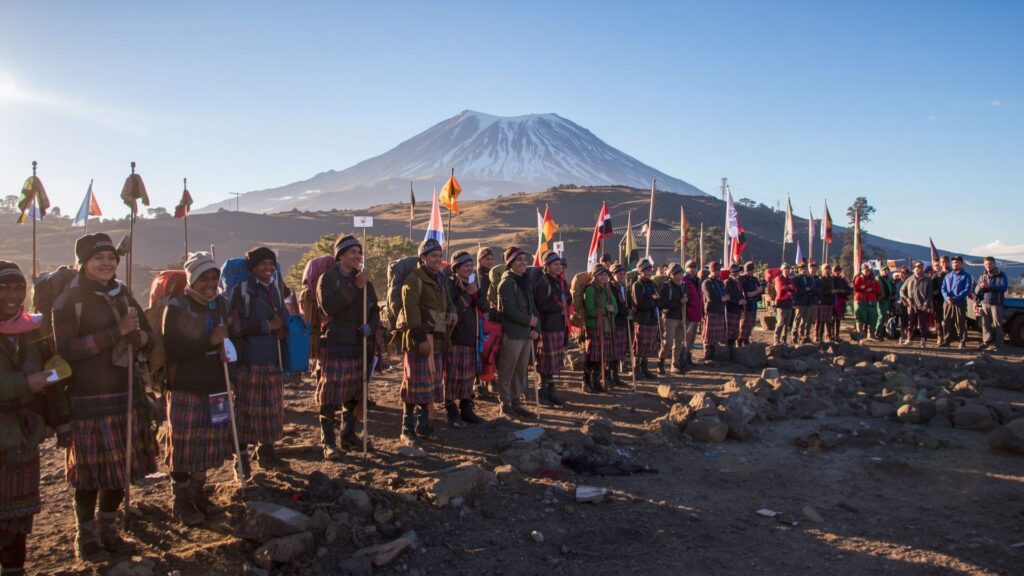
Tipping forms an essential component of Kilimanjaro expedition economics and directly affects porter welfare. The mountain tourism industry employs thousands of porters who carry equipment and supplies up the mountain. Industry-standard tipping guidelines recommend $20-25 per day for the lead guide, $15-20 for assistant guides, and $10-12 for porters, distributed at trek completion.
Total tipping budgets typically range from $250-350 per climber for a seven-day expedition. The amount varies based on group size, service quality, and personal appreciation for porter efforts. Pat Falvey provides detailed tipping guidance during pre-departure briefings, ensuring climbers budget appropriately and understand cultural expectations.
Tip distribution occurs during the final evening ceremony at the mountain base. Guides organise all porters and support staff for a formal presentation where climbers express appreciation and distribute gratuities. This ceremony represents an important cultural tradition that acknowledges the partnership between climbers and mountain staff.
Cash tipping requires US dollars in good condition. Tanzanian banks reject worn, torn, or marked US currency, making clean bills essential. Climbers should obtain cash before departure from Ireland, as ATM availability and reliability in Tanzania proves inconsistent.
Battery Charging Solutions On and Off Kilimanjaro
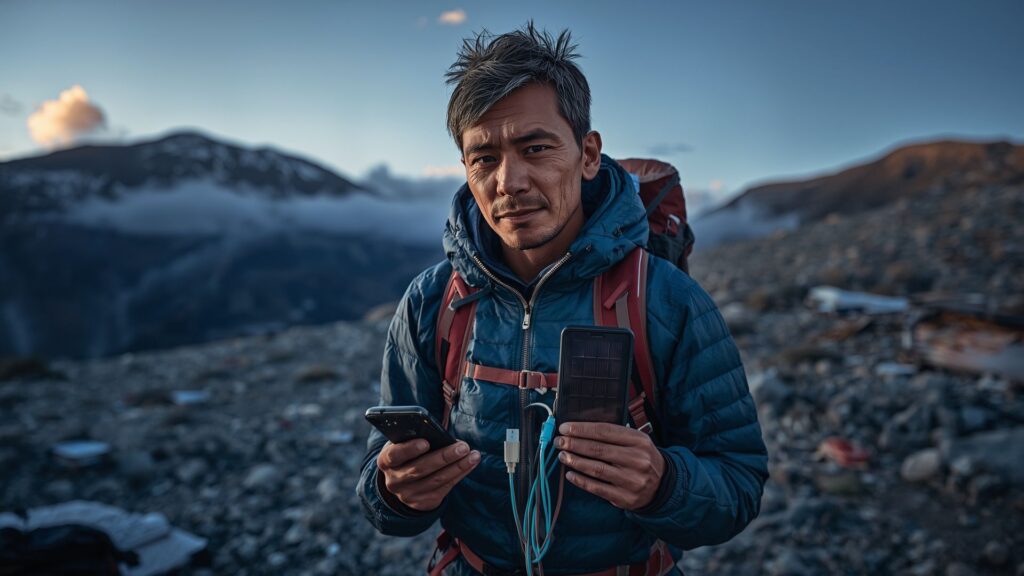
Battery charging presents practical challenges during Kilimanjaro expeditions due to limited power access on the mountain. Kilimanjaro’s permanent camps at Shira, Barranco, and Karanga offer no electrical outlets or charging facilities. Solar charging stations exist at some camps but provide unreliable power depending on weather conditions.
Portable power banks solve the battery challenge for most electronic devices. Power banks with 20,000-30,000 mAh capacity provide multiple phone and camera charges during the seven-day trek. Climbers should fully charge power banks before departure and use power-saving modes on all devices to extend battery life.
Camera batteries require special attention for summit day photography. Cold temperatures at Uhuru Peak rapidly drain battery power, reducing capacity by 30-50% compared to sea level performance. Keeping spare batteries in inside jacket pockets maintains warmth and preserves charge capacity for summit photos.
Hotel charging before and after the trek requires European to Tanzanian power adapters. Tanzania uses UK-style three-pin plugs (Type G) with 230V electricity supply. Hotels near The Mountain Lodge in Kerry provide European sockets, but Tanzanian hotels require specific adapters. Bringing multiple adapters allows simultaneous charging of phones, cameras, power banks, and other electronic devices.
Preparing for Your Kilimanjaro Expedition From Ireland
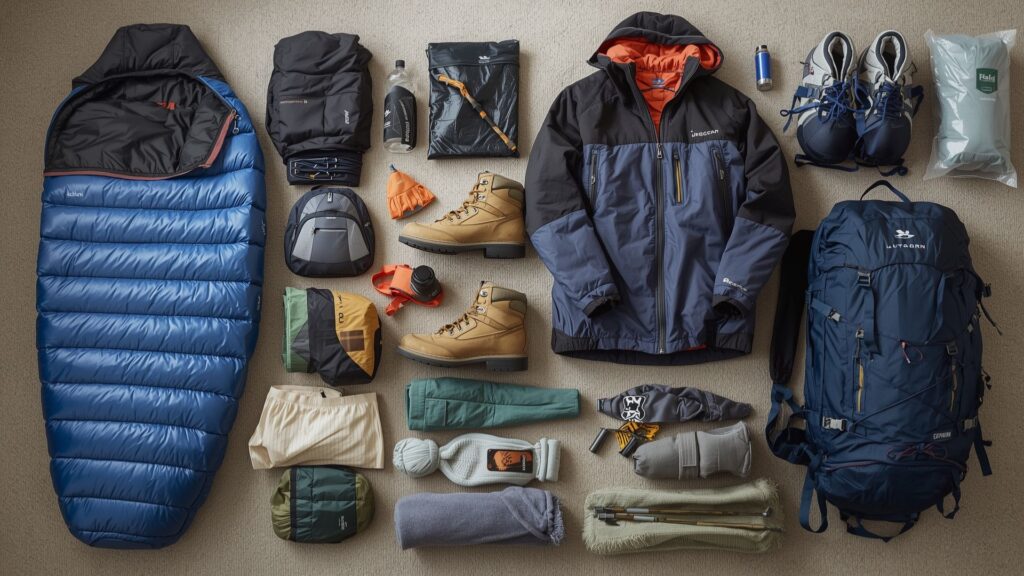
Kilimanjaro preparation starts 3-4 months before departure with cardiovascular training and strength building. Irish climbers benefit from training on local mountains like Carrauntoohil, which provides relevant elevation gain and terrain experience. Training hikes should gradually increase in duration and elevation, building to 6-8 hour days with a weighted pack.
Equipment selection determines comfort and performance throughout the trek. Four-season sleeping bags rated to -15°C provide adequate warmth at high camps. Layered clothing systems allow temperature regulation as conditions change throughout the day. Pat Falvey provides detailed equipment lists during pre-departure meetings, covering everything from base layers to summit gloves.
Travel insurance must include high-altitude trekking coverage up to 6,000 metres and emergency evacuation provisions. Standard travel insurance policies exclude trekking activities or limit coverage to 2,500 metres elevation. Specialist adventure travel insurance costs approximately €80-120 for two-week coverage but provides essential protection for medical emergencies and evacuation costs that can exceed €15,000.
FAQs
Kilimanjaro takes 7-9 days depending on the route selected. The seven-day Lemosho route provides optimal acclimatisation and achieves 85-90% summit success rates.
You need good cardiovascular fitness equivalent to hiking 6-8 hours daily with a light pack. No technical climbing skills are required.
January-March and June-October offer the most stable weather conditions. January-March provides warmer temperatures, while June-October offers drier conditions.
Expeditions cost €3,800-4,500 including flights, park fees, accommodation, meals, and guide services. Contact info@patfalvey.com for current pricing.
Irish citizens require tourist visas costing $50 USD, available on arrival at Kilimanjaro International Airport.
You need yellow fever, typhoid, and hepatitis A vaccinations as minimum protection. Consult your GP 6-8 weeks before departure.