
Pat Falvey stood on the summit of Mt. Everest for the second time on 17th May 2004, leading an expedition that made Irish mountaineering history. Dr Clare O’Leary became Ireland’s first female climber to reach Everest’s summit, achieving this milestone at 8,848 metres above sea level. The expedition faced tragedy when four climbers from another team died during the descent, including three Korean mountaineers and one Bolivian-American climber. To celebrate Ireland’s success, Pat brought a hurley and sliotar to the summit, creating the world’s highest Puc Fada record when he struck the sliotar over Tibet from the top of the world.
The Historic 2004 Everest Expedition
The 2004 expedition represented a landmark moment for Irish mountaineering, combining technical achievement with significant personal milestones for the climbers involved.
Dr Clare O’Leary Becomes Ireland’s First Female Everest Summiteer
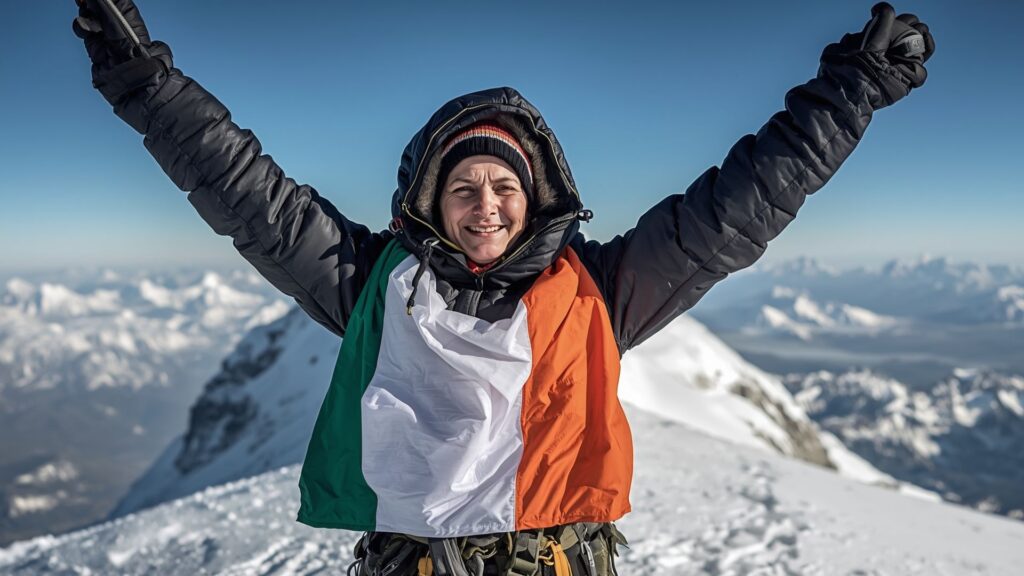
Dr Clare O’Leary reached the summit of Mt. Everest on 17th May 2004, becoming the first Irish woman to achieve this feat. The Cork doctor completed the climb as part of Pat Falvey’s guided expedition, reaching the summit at approximately 8:00 AM local time. O’Leary’s achievement opened doors for female mountaineers across Ireland and demonstrated that Irish women possessed the physical capability and mental determination required for extreme altitude climbing. Her success came after months of rigorous preparation, including altitude training and technical climbing practice on Ireland’s highest peaks like Carrauntoohil.
Pat Falvey’s Second Everest Summit
Pat Falvey completed his second ascent of Mt. Everest in 2004, having first summited in 2003. The 2004 climb established Falvey as one of Ireland’s most experienced high-altitude expedition leaders. He guided the team through the treacherous conditions of the death zone above 8,000 metres, managing oxygen supplies, weather windows, and team safety throughout the final push to the summit. Falvey’s experience proved essential in the successful ascent and safe descent of the Irish team, particularly given the tragic deaths that occurred on the mountain that day from other expeditions.
Tragedy on the Mountain
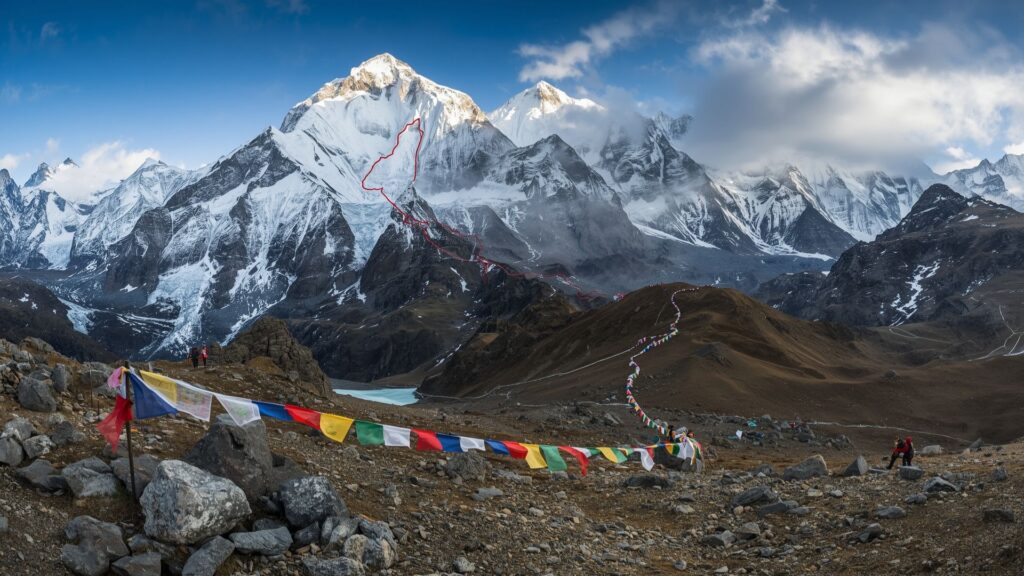
Mt. Everest claimed four lives during the descent on 17th May 2004. Three Korean climbers and one Bolivian-American mountaineer from a separate expedition team died whilst descending from the summit. The deaths highlighted the extreme dangers present even on successful summit days. Weather conditions, exhaustion, and altitude sickness contribute to the majority of Everest fatalities, with most deaths occurring during the descent when climbers face depleted oxygen supplies and reduced concentration. The Irish team’s safe return demonstrated Pat Falvey’s expedition management skills and the importance of conservative decision-making at extreme altitude.
What Is a Puc Fada?
Puc Fada translates from Irish as ‘long puck’ and represents one of hurling’s most distinctive skills and competitive events. Understanding the cultural significance of this Irish sporting tradition provides context for why Pat Falvey chose to bring hurling equipment to Everest’s summit.
The Cultural Significance of Irish Hurling
Hurling stands as Ireland’s ancient national sport, with origins dating back over 3,000 years. The Gaelic Athletic Association (GAA) governs hurling in modern Ireland, with the sport maintaining deep cultural roots across Irish communities worldwide. A Puc Fada competition tests a player’s ability to strike a sliotar (hurling ball) over the longest possible distance using a hurley (wooden stick). The annual All-Ireland Poc Fada Championship takes place in the Cooley Mountains of County Louth, where competitors strike the sliotar across rough terrain to reach a target in the fewest shots. Pat Falvey’s decision to perform a Puc Fada on Everest connected Ireland’s sporting heritage with mountaineering achievement, creating a unique cultural moment.
Bringing a Hurley and Sliotar to 8,848 Metres
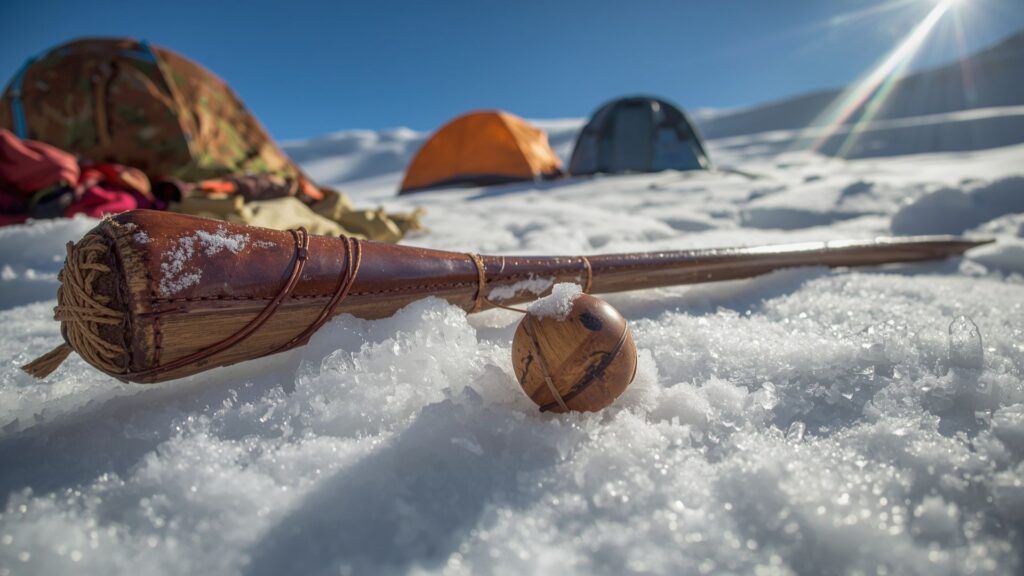
Pat Falvey carried a hurley and sliotar to the summit of Mt. Everest, adding approximately 400 grams to his summit pack. Every gram matters at extreme altitude where climbers burn 10,000 to 20,000 calories per day and carry limited oxygen supplies. The hurley, typically measuring 70 to 97 centimetres in length, had to be strapped to Falvey’s backpack during the ascent. The sliotar, a small leather ball with a cork core weighing 110 to 120 grams, travelled in Falvey’s summit pack. Transporting these items through the death zone demonstrated Falvey’s commitment to celebrating Irish culture at the world’s highest point.
Creating the World’s Highest Puc Fada Record
The moment Pat Falvey struck the sliotar from Everest’s summit created an unrepeatable world record. The Puc Fada represented more than a sporting achievement, symbolising Irish resilience and the nation’s presence on the world’s highest mountain.
The Technical Challenge of a Summit Puc Fada
Performing a Puc Fada at 8,848 metres presents unique physical challenges. Oxygen levels at Everest’s summit measure approximately 33% of sea-level atmospheric pressure, severely impairing physical coordination and strength. Climbers typically spend only 15 to 30 minutes on the summit due to oxygen constraints and weather exposure. Pat Falvey removed his oxygen mask briefly to strike the sliotar, increasing his risk of high-altitude cerebral oedema. The thin air reduces air resistance, potentially allowing the sliotar to travel further than at sea level, though the reduced muscle power from hypoxia counteracts this advantage. Temperatures on the summit typically range from minus 20°C to minus 40°C, making handling equipment difficult even through thick mountaineering gloves.
Where Did the Sliotar Land?
The sliotar flew over the Tibetan side of Mt. Everest after Pat Falvey struck it from the summit. Mt. Everest’s summit sits on the border between Nepal and Tibet, with the southern approach through Nepal and the northern approach through Tibet. Falvey aimed the Puc Fada towards Tibet, sending the sliotar down the mountain’s north face. The sliotar likely travelled 100 to 200 metres before landing on snow and ice, though the exact distance remains unrecorded. Recovery of the sliotar proved impossible due to the treacherous terrain and the team’s need to descend quickly before their oxygen supplies depleted. The sliotar remains somewhere on Everest’s Tibetan slopes, a permanent marker of Irish sporting achievement at extreme altitude.
Pat Falvey’s Mountaineering Achievements
Pat Falvey built a mountaineering career spanning 30 years, achieving milestones that established him as Ireland’s leading expedition mountaineer. His achievements extend far beyond the Everest Puc Fada, encompassing expeditions across all seven continents.
Completing the Seven Summits Twice
Pat Falvey became the first person to complete the Seven Summits twice, climbing the highest mountain on each continent on two separate occasions. The Seven Summits include Mt. Everest (Asia, 8,848m), Aconcagua (South America, 6,961m), Denali (North America, 6,190m), Kilimanjaro (Africa, 5,895m), Elbrus (Europe, 5,642m), Vinson Massif (Antarctica, 4,892m), and Carstensz Pyramid (Oceania, 4,884m). Falvey completed his first round of the Seven Summits in 1997 and finished the second round in 2003. This achievement required technical climbing skills across diverse environments, from the frozen slopes of Vinson Massif to the equatorial climate of Kilimanjaro.
Leading 65 Plus Kilimanjaro Expeditions
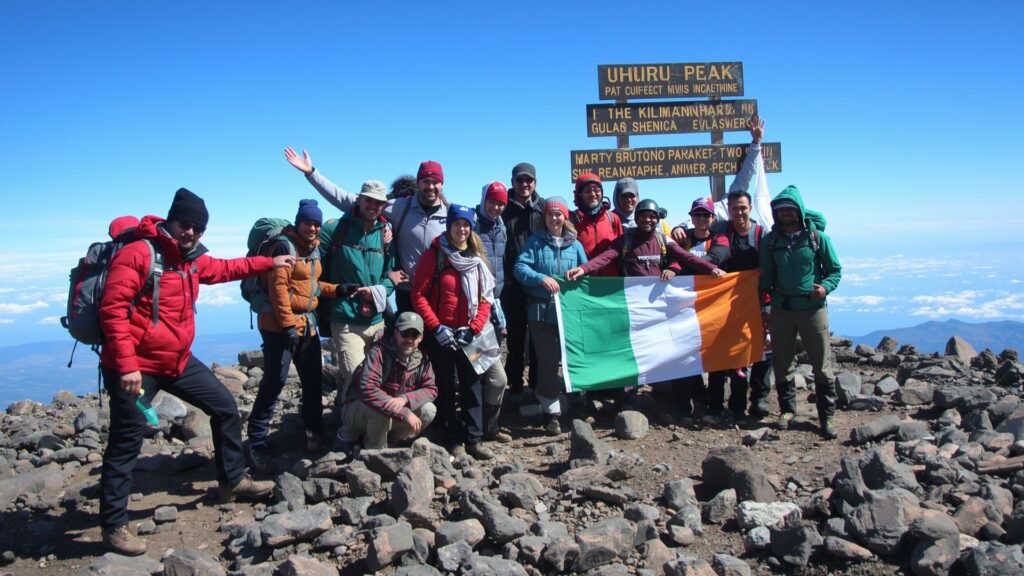
Pat Falvey has led more than 65 expeditions to Kilimanjaro, guiding over 2,000 climbers to Africa’s highest summit. His experience on Kilimanjaro provides valuable altitude training for climbers preparing for expeditions to the Himalayas. The success rate on Falvey’s Kilimanjaro treks exceeds 95%, reflecting careful acclimatisation schedules and appropriate route selection. Most expeditions follow the Machame or Lemosho routes, which provide gradual altitude gain and higher success rates compared to shorter routes like Marangu. Pat Falvey Irish & Worldwide Adventures operates multiple Kilimanjaro departures throughout the year, with trips departing from Ireland.
Himalayan Expedition Leadership
Pat Falvey guides regular expeditions to Everest Base Camp, Island Peak, and Annapurna Base Camp in Nepal. These treks provide accessible Himalayan experiences for climbers without technical mountaineering skills. The Everest Base Camp trek reaches 5,364 metres and takes 12 to 14 days, exposing trekkers to Sherpa culture whilst walking through the Khumbu Valley. Island Peak (6,189m) offers a technical climbing challenge combined with the Base Camp trek, requiring the use of crampons, ice axes, and fixed ropes. Falvey’s Himalayan experience ensures proper acclimatisation protocols and risk management on all expeditions.
Irish Mountaineering Heritage
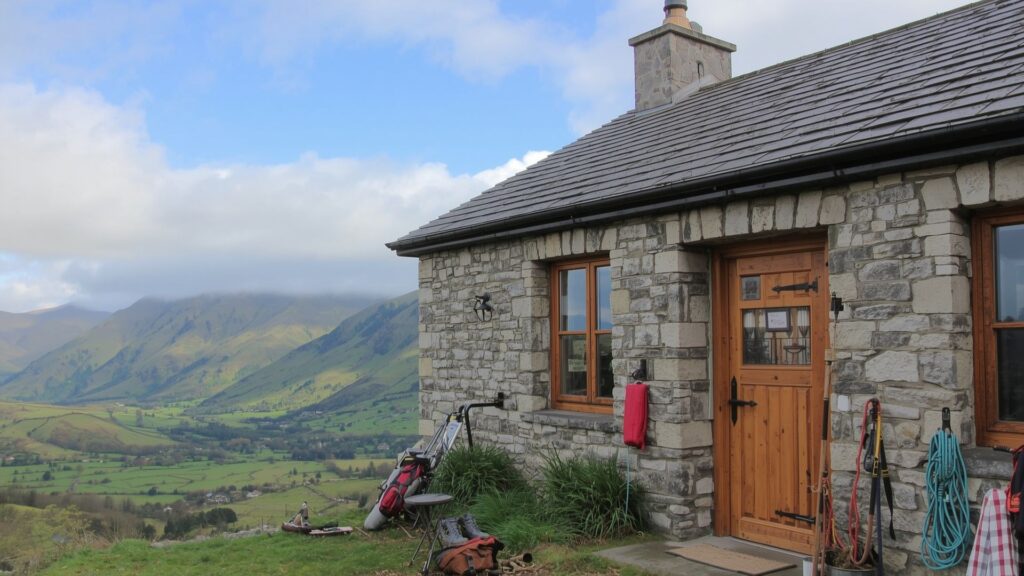
Ireland’s mountaineering community has produced internationally recognised climbers despite the country’s modest mountain elevations. The highest Puc Fada on Everest represents one moment in Ireland’s growing mountaineering legacy.
Irish Climbers on Mt. Everest
Dawson Stelfox became the first Irish person to summit Mt. Everest in 1993, establishing Ireland’s presence on the world’s highest mountain. Pat Falvey followed in 2003, summiting via the South Col route. The 2004 expedition with Dr Clare O’Leary expanded Irish Everest achievements to include the country’s first female summiteer. Since 2004, multiple Irish climbers have reached Everest’s summit, including climbers from Northern Ireland and the Republic. The Mountaineering Ireland organisation supports aspiring high-altitude climbers through training programmes and expedition grants.
Ireland’s Mountain Training Grounds
Irish climbers train on peaks across Kerry, Wicklow, and Donegal. Carrauntoohil, Ireland’s highest peak at 1,038 metres, provides year-round training for winter mountaineering skills. The MacGillycuddy’s Reeks in County Kerry offer exposed ridge walking and scrambling, building confidence for Himalayan terrain. The Mountain Lodge in Beaufort, County Kerry, serves as Pat Falvey’s base for Irish training expeditions, providing accommodation and equipment for mountaineering courses. Winter conditions in the Irish mountains, particularly ice formation and strong winds, create challenging training environments despite the modest elevations.
The Legacy of the Highest Puc Fada
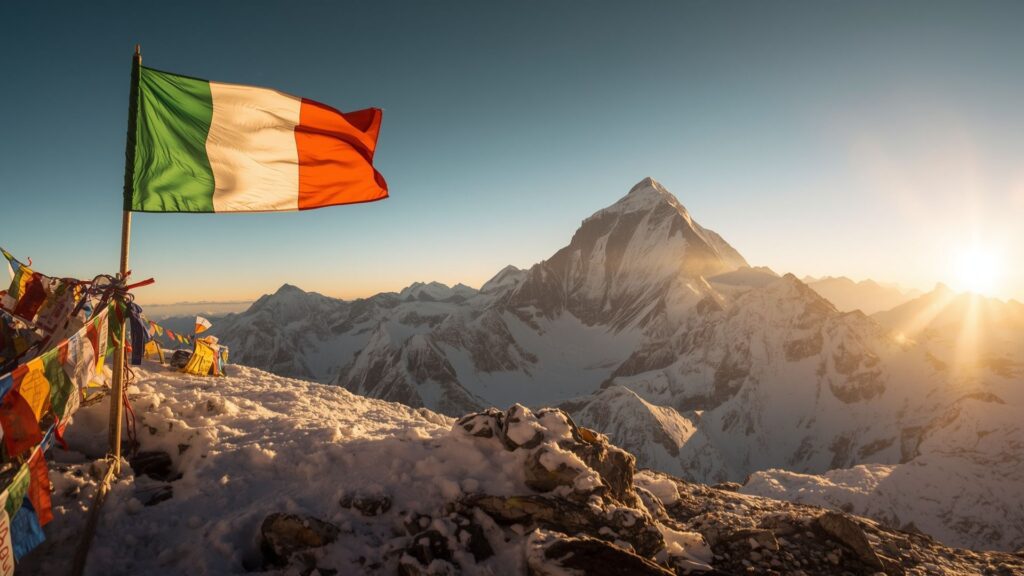
The Puc Fada performed on Mt. Everest in 2004 represents more than a sporting novelty. The act symbolises Irish cultural identity carried to the world’s most extreme environment.
Cultural Symbolism in Mountaineering
Climbers from all nations bring cultural symbols to Everest’s summit. Flags, religious items, photographs, and sporting equipment appear regularly on summit photos, each representing the climber’s identity and heritage. Pat Falvey’s choice of a hurley and sliotar specifically connected Irish sporting tradition with mountaineering achievement. The Puc Fada demonstrated that Irish culture extends beyond geographical boundaries, reaching literally to the top of the world. The moment inspired Irish climbers and GAA players alike, showing how traditional sports can intersect with extreme adventure.
Media Coverage and Public Response
Irish media widely covered the 2004 Everest expedition, with particular focus on Dr Clare O’Leary’s achievement as Ireland’s first female summiteer. The Puc Fada element captured public imagination, appearing in newspaper headlines and television reports. The Irish Independent, Irish Times, and RTÉ News featured the story, connecting two seemingly disparate aspects of Irish culture: traditional sport and modern mountaineering. GAA organisations celebrated the moment, with county boards and local clubs acknowledging Pat Falvey’s representation of Irish sport at extreme altitude. The Irish Independent, Irish Times, and RTÉ News featured the story, connecting two seemingly disparate aspects of Irish culture: traditional sport and modern mountaineering, with video footage later appearing on social media to introduce younger generations to the historic moment.
Planning Your Own Mountaineering Adventure with Pat Falvey
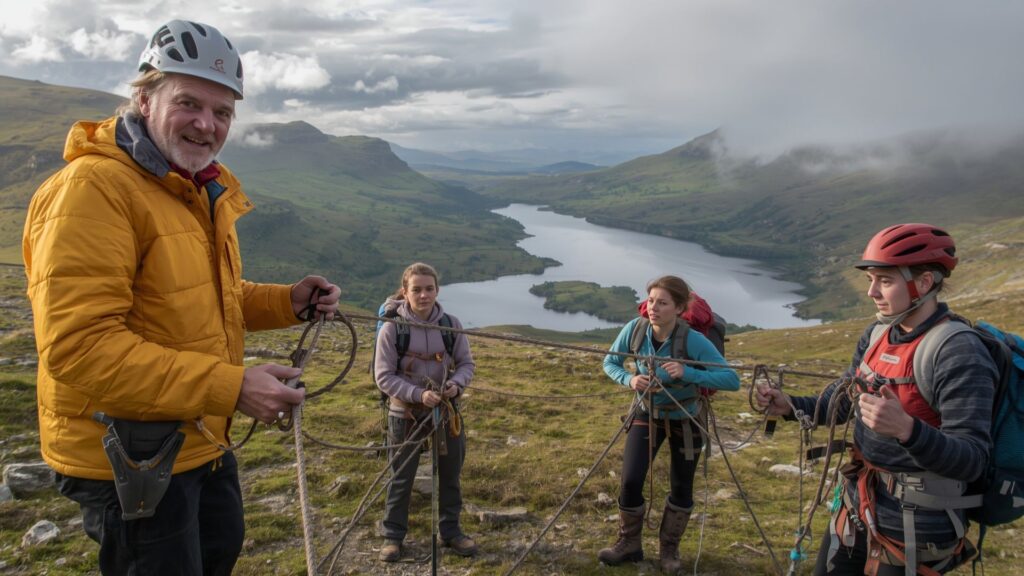
Pat Falvey Irish & Worldwide Adventures offers expeditions for all experience levels, from beginner hill walks to technical mountain ascents. Climbers can build progression pathways from Irish mountains through to Himalayan peaks.
Starting Your Mountaineering Journey
Beginner mountaineers start with guided hikes on Carrauntoohil, Ireland’s highest mountain, which requires moderate fitness but no technical climbing skills. Pat Falvey’s mountain guides teach navigation, weather awareness, and mountain safety whilst ascending the 1,038-metre peak. Beginners can also explore the Camino de Santiago, building long-distance hiking fitness through this cultural pilgrimage route. Gift vouchers for guided hikes provide experiential presents for adventure-minded individuals.
Intermediate Altitude Expeditions
Intermediate climbers progress to Kilimanjaro and Mount Toubkal expeditions. Kilimanjaro at 5,895 metres provides altitude experience without technical climbing requirements, taking 7 to 8 days via scenic routes. Additionally, Mount Toubkal in Morocco reaches 4,167 metres, offering a challenging but accessible high-altitude experience closer to Ireland. These expeditions teach altitude acclimatisation principles and multi-day trekking skills. Pat Falvey includes comprehensive pre-expedition briefings covering equipment, fitness preparation, and what to expect at altitude.
Advanced Technical Expeditions
Experienced climbers can join expeditions to Island Peak, Aconcagua, and other technical peaks. Island Peak combines the Everest Base Camp trek with a summit attempt on a 6,189-metre peak requiring crampon and ice axe skills. Aconcagua in Argentina reaches 6,961 metres, demanding high-altitude endurance without technical climbing. Pat Falvey personally guides many advanced expeditions, sharing expertise gained through decades of high-altitude mountaineering. Climbers interested in these expeditions should contact Pat Falvey Irish & Worldwide Adventures at info@patfalvey.com or phone +353 64 6644 181.