
Hiking tips for Ireland help walkers explore Irish mountains safely and successfully. Pat Falvey Irish & Worldwide Adventures provides guided hikes across Ireland’s peaks with over 30 years of mountain leadership experience. This guide covers route selection, gear preparation, weather awareness, and safety protocols for Irish hill walking.
How to Pick Your Hiking Route in Ireland
Choosing the right route forms the foundation of successful hiking tips for Ireland. Irish Trails maintains a database of tracks rated by difficulty, duration, and distance. Each trail includes detailed descriptions of starting points, landmarks, and terrain characteristics.
Selecting a route that matches your current fitness level prevents exhaustion and reduces injury risk. Loop walks offer psychological benefits because every step moves you closer to your starting point rather than requiring you to retrace your path.
Walkers new to Irish mountains benefit from joining local hill walking groups that organise weekly hikes. Pat Falvey Irish & Worldwide Adventures offers guided Carrauntoohil hikes for those seeking professional mountain guidance on Ireland’s highest peak at 1,038 metres.
Planning Your Hiking Route
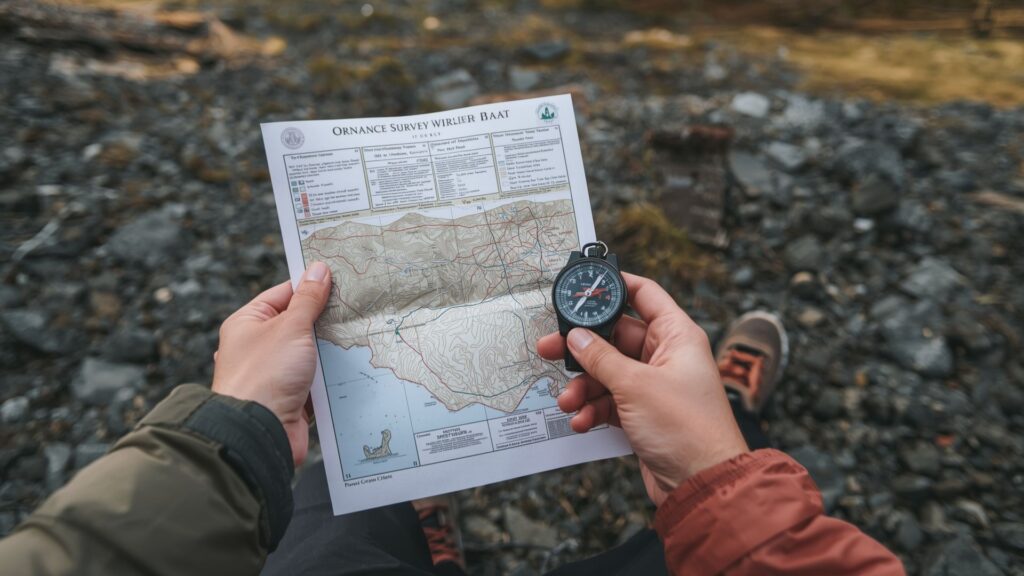
Planning your route realistically according to your fitness levels ranks among the most important hiking tips for Ireland. Walkers without navigation skills should select well-marked trails with clear waymarkers. Loop walks provide better psychological motivation than out-and-back routes.
MacGillycuddy’s Reeks in County Kerry offers numerous circular routes ranging from 4 to 8 hours. Glendalough in County Wicklow provides shorter loop options suitable for beginners. Studying a map before departure helps you identify landmarks and difficult terrain sections.
Carrying a map and compass remains essential on technical routes, even if you expect clear weather conditions. Ireland’s weather changes rapidly, and visibility drops quickly in mountain fog. Digital mapping apps provide GPS tracking, but batteries fail in cold conditions. Physical maps and compasses never run out of power.
Tell Someone Your Hiking Plans
Informing a trusted person of your return time constitutes critical safety among hiking tips for Ireland. Share your planned route, expected return time, and emergency contact numbers. Leaving detailed information allows rescue services to locate you quickly if problems occur.
Include your car registration, parking location, and the specific trail name in your communication. The Mountain Lodge in Beaufort, Killarney provides a secure base for Kerry hiking adventures. Contact Pat Falvey’s team at +353 64 6644 181 or info@patfalvey.com for route advice and guided hiking options.
Start Your Hike Early
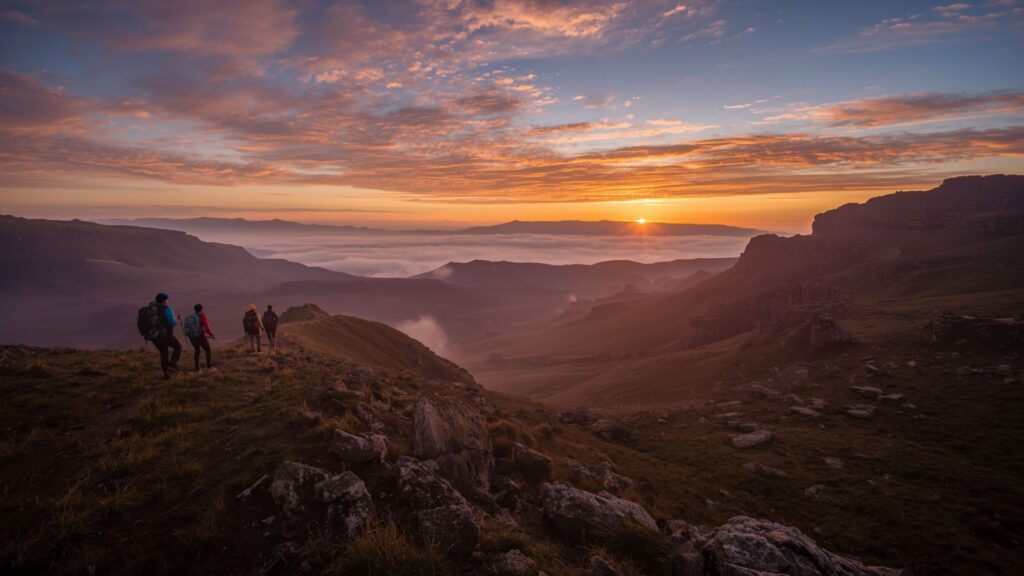
Starting early provides more time for breaks, photography, and scenery appreciation without rushing before darkness falls. Winter months require particular attention to daylight hours, as Irish mountains receive limited afternoon sun from November through February.
Summer hiking in Ireland offers daylight until 22:00, allowing flexible start times. Winter solstice reduces daylight to approximately 7.5 hours, requiring departures before 10:00 for most mountain routes. Carrying a torch or headlamp remains essential regardless of your planned return time. Unexpected delays from navigation errors, injuries, or weather changes occur frequently in Irish mountains.
Break in Your Hiking Boots Properly
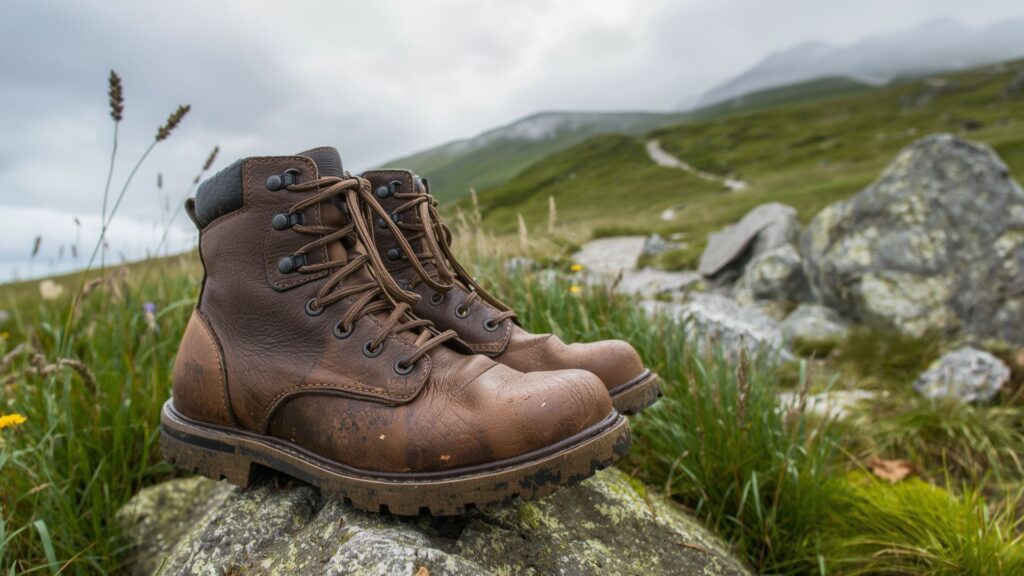
Breaking in boots prevents blisters and discomfort, making this one of the most practical hiking tips for Ireland. New boots require gradual adaptation before mountain use. Leather boots need 2 to 3 weeks of indoor wear followed by short walks on flat terrain. Synthetic boots require less breaking-in time but still benefit from gradual use over 1 to 2 weeks.
Wearing hiking boots around your house allows the materials to mould to your foot shape without causing blisters. Proper hiking socks with cushioned zones protect pressure points during this adaptation period. Testing boots on short local walks reveals fit problems before committing to a full mountain day.
Bring Appropriate Snacks and Food
Bringing snacks provides energy and creates natural break opportunities to enjoy mountain views. Hill walking focuses on experiencing Irish landscapes, not just reaching summits. Complex carbohydrates like flapjacks, energy bars, and nuts provide sustained energy release over 3 to 4 hours. Simple sugars from chocolate or sweets offer quick energy boosts when fatigue sets in.
Snacks should be accessible in outer pockets rather than packed deep in your rucksack. Most hikers need 200 to 300 calories per hour of mountain walking. Dehydration occurs easily in Irish conditions despite cool temperatures, so carry 1 to 2 litres of water for half-day hikes.
Prepare for Irish Weather Conditions
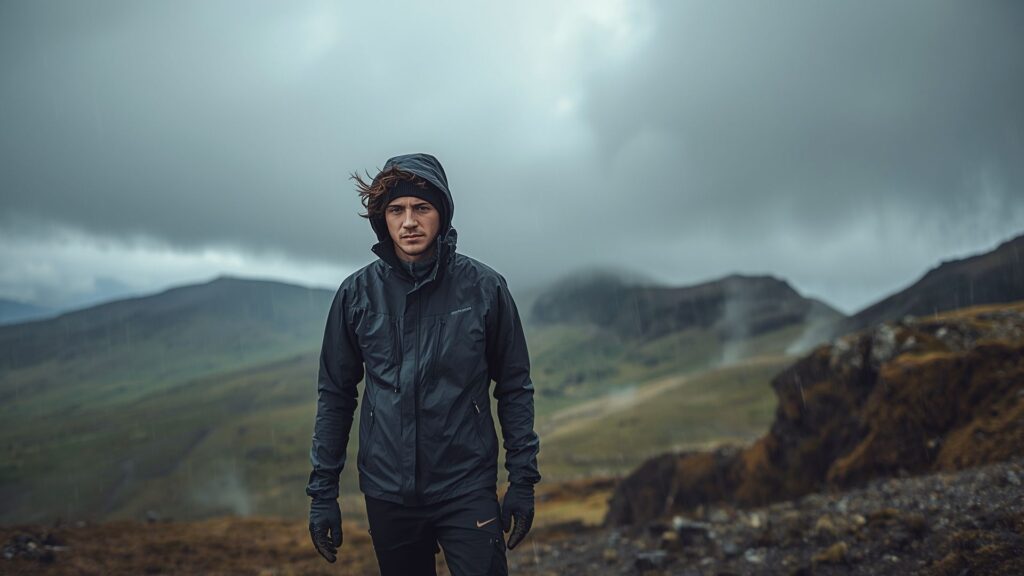
Irish weather changes rapidly, making weather preparation essential among hiking tips for Ireland. Temperatures drop approximately 2°C for every 300 metres of elevation gain. Carrauntoohil at 1,038 metres experiences temperatures 7°C cooler than sea level. Summit wind speeds frequently reach 50 to 80 kilometres per hour, creating severe wind chill even on mild days at lower elevations.
Layering clothing allows temperature regulation as effort levels and conditions change. A base layer wicks moisture away from skin, a mid-layer provides insulation, and a waterproof outer shell protects against wind and rain. Packing spare gloves, a hat, and a buff adds minimal weight but prevents hypothermia if conditions deteriorate.
A small first aid kit, whistle, and emergency shelter weigh less than 500 grams combined but prove invaluable during accidents or unexpected overnight situations. The international distress signal consists of six whistle blasts per minute.
Know When to Turn Back
Turning back demonstrates good judgement rather than weakness among hiking tips for Ireland. Irish mountains demand respect regardless of preparation levels. Deteriorating weather conditions account for most mountain accidents in Ireland.
If visibility drops below 50 metres, wind speeds become difficult to walk in, or rain soaks through waterproofs, descending safely takes priority over summit success. Pat Falvey’s mountain guides prioritise client safety over summit attempts, maintaining a 100% safety record across 30 years of mountain leadership.
Leave No Trace on Irish Mountains
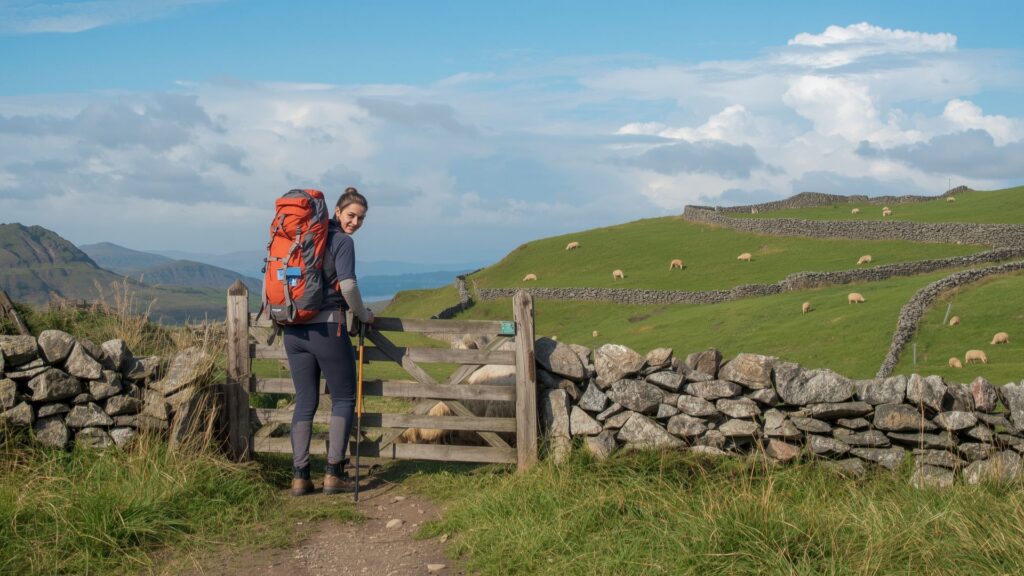
Responsible hiking ensures Irish mountains remain pristine for future generations. The Leave No Trace principles apply to all outdoor activities. Taking all rubbish home includes organic waste like apple cores and banana skins, which decompose slowly in Ireland’s cool mountain climate. Closing gates after passing through maintains boundaries for sheep and cattle grazing on hillsides.
Staying on marked paths prevents erosion and protects fragile mountain vegetation. Irish peatlands require decades to recover from footpath damage. Photography should focus on capturing memories without disturbing wildlife or removing natural features.
Master Downhill Walking Techniques
Descending safely requires specific techniques often overlooked in hiking tips for Ireland. Most hiking accidents occur during descent when fatigue reduces concentration. Keeping your centre of gravity over your feet prevents forward pitching on steep slopes. Slightly bent knees absorb impact and reduce stress on joints.
Tightening hip straps on your backpack stabilises the load and improves balance. Walking in a zigzag pattern down steep sections reduces gradient angle and provides better control. Using two walking poles rather than one distributes 20% of body weight away from knees and ankles. Pole length should be adjusted 5 to 10 centimetres longer for descents than ascents.
Maintain Your Hiking Gear
Caring for gear after each hike extends equipment life and ensures reliability. Irish soil contains high acidity levels that degrade boot leather and textile materials. Washing boots with fresh water immediately after hiking removes corrosive soil particles.
Removing insoles and allowing boots to air dry naturally prevents material breakdown. Stuffing boots with newspaper accelerates drying without causing heat damage from radiators or direct sunlight. Waterproof jackets and trousers require specialist reproofing products to maintain water-repellent properties after 30 to 40 uses.
Essential Gear for Irish Hiking Conditions
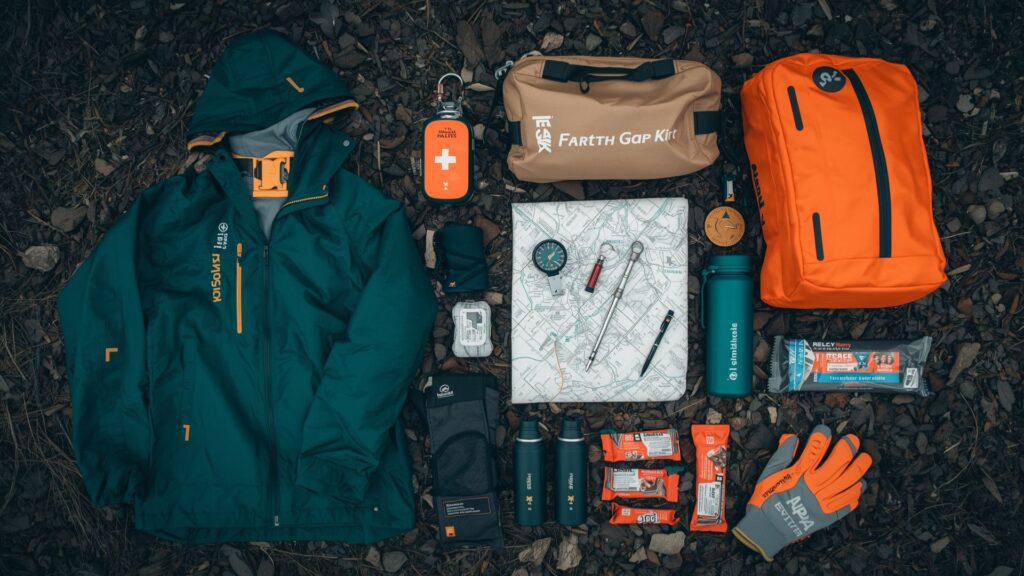
Proper equipment separates comfortable hiking experiences from miserable ordeals on Irish mountains. Waterproof jackets must provide genuine waterproof protection rather than water-resistant properties. Gore-Tex or equivalent membranes with sealed seams prevent water ingress during prolonged Irish rain.
Rucksacks between 25 and 35 litres offer sufficient capacity for day hiking while encouraging efficient packing. Hip belts transfer weight from shoulders to hips, reducing fatigue on longer hikes. Navigation tools require backup systems in Irish mountains. Carrying a Silva or Suunto compass with a 1:50,000 scale map provides reliable navigation when electronics fail.
For walkers seeking to explore Kilimanjaro or Everest Base Camp after building Irish mountain experience, Pat Falvey Irish & Worldwide Adventures offers international expeditions with full gear lists and professional guidance.
Training for Irish Mountain Hiking
Building fitness specifically for Irish mountain conditions improves enjoyment and reduces injury risk. Hiking tips for Ireland emphasise gradual progression rather than attempting challenging routes before adequate preparation. Cardiovascular fitness forms the foundation of mountain hiking ability. Walking 5 to 8 kilometres three times weekly on flat terrain builds basic endurance over 8 to 12 weeks.
Leg strength exercises like squats, lunges, and step-ups prepare muscles for ascents and descents. Carrying a weighted rucksack during training walks prepares your body for the actual hiking experience. Start with 5 kilograms and gradually increase to your expected hiking load.
Ireland’s lower mountains provide ideal training grounds for international expeditions. Pat Falvey’s guided walks offer structured progression for ambitious hikers planning expeditions to Aconcagua or Mount Toubkal.
Joining Guided Hikes and Mountain Communities
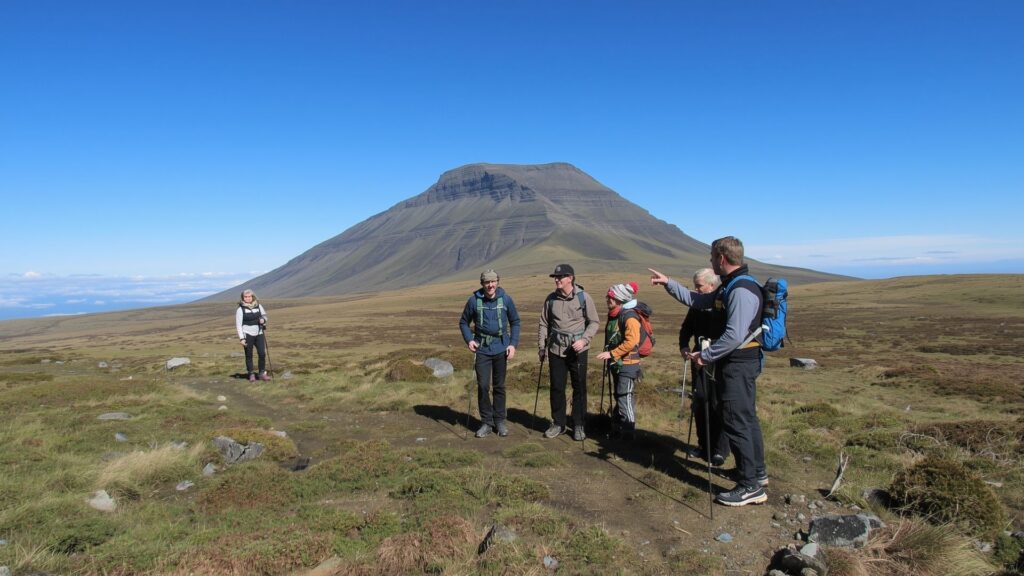
Connecting with experienced hikers accelerates skill development and builds confidence in Irish mountains. Mountaineering Ireland coordinates hill walking clubs throughout the country, offering weekly walks at various difficulty levels. Club members share transport, navigation duties, and mountain knowledge with newcomers.
Pat Falvey Irish & Worldwide Adventures operates from The Mountain Lodge in Beaufort, County Kerry, providing accommodation combined with guided mountain experiences. Professional guides identify terrain features, teach navigation techniques, and share local knowledge about Irish mountain history and ecology. Gift vouchers for guided hikes make thoughtful presents for outdoor enthusiasts.