
High altitude hiking allows you to experience stunning alpine vistas, test your physical limits, and achieve remarkable personal goals. Before undertaking high altitude hiking, understanding altitude’s effects on your body and implementing proper training protocols is essential for success. Proper preparation transforms challenging high altitude treks into achievable adventures.
Certain mountain experiences remain priceless. These include watching sunrise from Everest Base Camp, feeling the breeze after completing the Barranco Wall on Kilimanjaro, or conquering Mount Elbrus at 5,642 metres. High altitude hiking provides transformative experiences, but success requires thorough preparation for reduced oxygen environments.
What Is High Altitude Hiking?
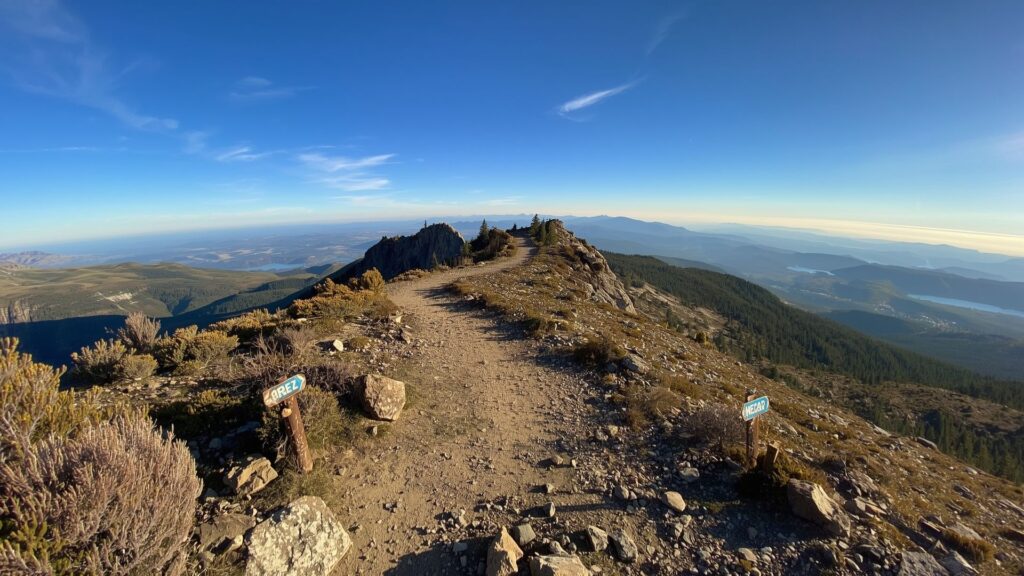
Routes above 2,400 metres (8,000 feet) qualify as high altitude hiking. At this elevation, atmospheric pressure decreases sufficiently to affect physiological function.
Air pressure determines oxygen availability. Atmospheric pressure measures highest at sea level and decreases progressively with elevation gain. Reduced air pressure means less oxygen molecules exist in each breath. The decreased oxygen supply forces your cardiovascular and respiratory systems to work harder to maintain normal function.
The human body adapts to gradual altitude changes through physiological acclimatisation. Rapid ascent above 2,400 metres without proper acclimatisation causes altitude-related illnesses. Carrauntoohil in Kerry reaches 1,038 metres, whilst Kilimanjaro expeditions summit at 5,895 metres, requiring extensive altitude preparation.
How Altitude Change Affects Your Body
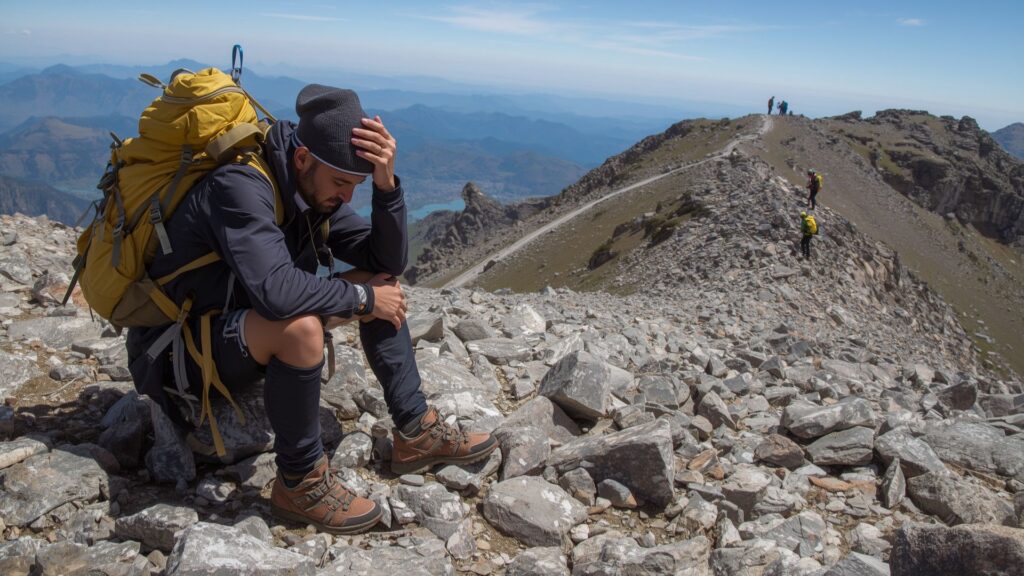
At higher elevations, your respiratory rate increases automatically to compensate for reduced oxygen availability. Your body works harder to deliver adequate oxygen to muscles and organs.
Walking at your normal pace at altitude creates disproportionate fatigue compared to sea level exertion. Without adequate acclimatisation time, altitude sickness develops. The condition ranges from mild discomfort to life-threatening emergencies.
Mild Altitude Sickness Symptoms
Initial symptoms include headache, appetite loss, and sleep disturbances. These indicators typically appear within 6 to 12 hours of reaching higher altitude.
Mild headaches affect most climbers during acclimatisation. Monitor symptom progression carefully. If symptoms persist beyond 24 hours or intensify, descend immediately and rest at lower elevation.
Severe Altitude Sickness Warning Signs
Serious symptoms require immediate descent and medical intervention. Watch for persistent vomiting, severe dizziness, confusion, or inability to walk straight.
High Altitude Pulmonary Oedema (HAPE) and High Altitude Cerebral Oedema (HACE) constitute medical emergencies. HAPE symptoms include breathlessness at rest, coughing up pink frothy sputum, and chest tightness. HACE presents with severe headache, ataxia (loss of coordination), altered consciousness, and irrational behaviour. Both conditions require immediate descent of at least 1,000 metres and urgent medical treatment.
Training for High Altitude Hiking: 12-Week Programme
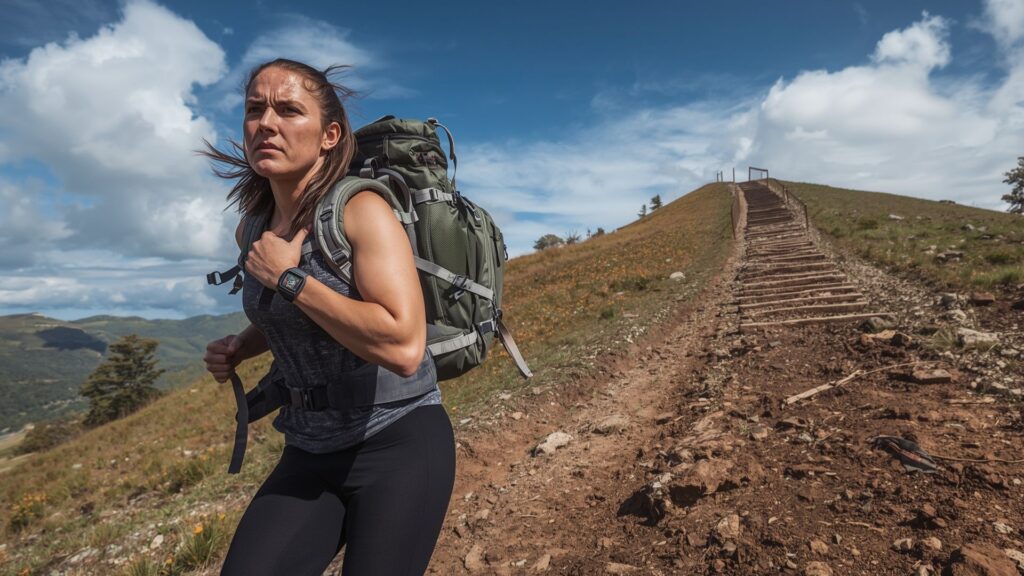
Physical preparation significantly improves your high altitude hiking performance and enjoyment. A structured 12-week training programme builds the cardiovascular fitness, muscular endurance, and mental resilience required for sustained effort in reduced oxygen environments.
Cardiovascular Base Building
Cardiovascular fitness forms the foundation of altitude performance. Complete 3 to 4 aerobic sessions weekly for 12 weeks before your expedition. Each session should last 45 to 90 minutes at moderate intensity where you can maintain conversation.
Effective training activities include hill walking with a weighted pack, stair climbing, cycling, swimming, and running. Gradually increase your training pack weight from 5 kilograms to match your expected trekking load of 10 to 15 kilograms. For Kilimanjaro or Aconcagua expeditions, aim for 8 to 10 hours weekly training volume by week 10.
Leg and Core Strength Development
Strong legs and core muscles reduce injury risk and improve climbing efficiency. Include 2 strength sessions weekly focusing on functional movements.
Essential exercises include squats, lunges, step-ups, calf raises, planks, and back extensions. Perform 3 sets of 12 to 15 repetitions with bodyweight or moderate resistance. Single-leg exercises improve balance and address strength imbalances between legs.
Practice Hikes with Elevation Gain
Complete longer practice hikes monthly to test your equipment, nutrition strategies, and mental stamina. Guided Carrauntoohil hikes provide excellent training for higher peaks, with 1,000 metres elevation gain over 4 to 6 hours.
Choose routes with sustained uphill sections matching your target trek’s characteristics. Wear your expedition boots for at least 50 kilometres before departure to prevent blisters. Test all clothing layers, pack systems, and hydration methods during training hikes.
8 Steps to Successfully Complete High Altitude Hiking
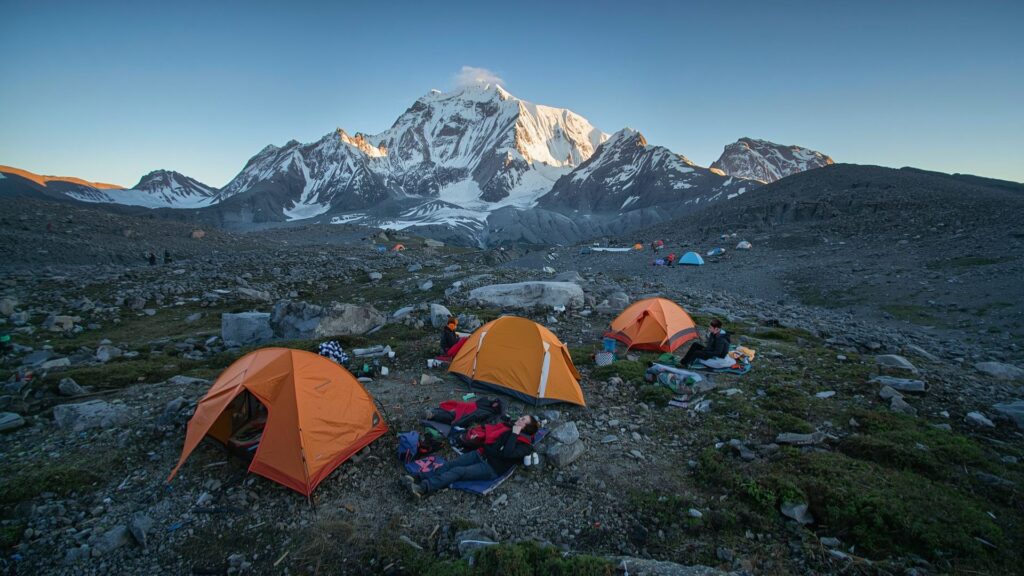
Following proven altitude protocols dramatically increases summit success rates whilst minimising health risks. These eight principles have guided Pat Falvey’s 65+ Kilimanjaro summits and countless successful high altitude expeditions.
1. Ascend Gradually with Proper Acclimatisation
Gradual ascent represents the most critical factor for altitude success. Climb high during the day and sleep at lower elevation to accelerate acclimatisation. Never sleep more than 500 metres higher than the previous night above 3,000 metres.
Well-designed itineraries like the Everest Base Camp trek or Island Peak expeditions include strategic rest days at key elevations. These acclimatisation days allow physiological adaptation including increased red blood cell production and improved oxygen transport efficiency.
2. Maintain Appropriate Walking Pace
Reducing your normal walking pace by 30 to 50 per cent conserves energy and prevents altitude sickness. The Swahili phrase ‘pole pole’ (slowly, slowly) summarises the essential high altitude hiking philosophy.
Establish a sustainable rhythm coordinating breathing with footsteps. Many experienced climbers use pressure breathing (forcefully exhaling against pursed lips) to increase oxygen saturation. Take deeper, more deliberate breaths rather than rapid shallow breathing when oxygen demand increases.
3. Maintain Optimal Hydration and Nutrition
Dehydration accelerates altitude sickness development and impairs physical performance. Drink 4 to 5 litres of water daily at altitude. Clear, copious urination indicates adequate hydration.
Consume a high-carbohydrate diet providing 60 to 70 per cent of calories from carbohydrates. Carbohydrates require less oxygen for metabolism compared to fats or proteins. Eat frequent small meals even when appetite diminishes at altitude. Pack familiar, palatable foods that remain appealing when feeling unwell.
4. Avoid Alcohol and Sleep Aids
Alcohol causes dehydration and depresses respiratory drive, both extremely detrimental at altitude. Avoid alcohol consumption for 48 hours before ascending above 3,000 metres and throughout your high altitude period.
Similarly, sleeping pills reduce your breathing rate during sleep when respiratory function already decreases naturally. Disturbed sleep affects most climbers at altitude; this represents normal acclimatisation rather than a medical problem requiring medication.
5. Pack Adequate Warm Clothing Layers
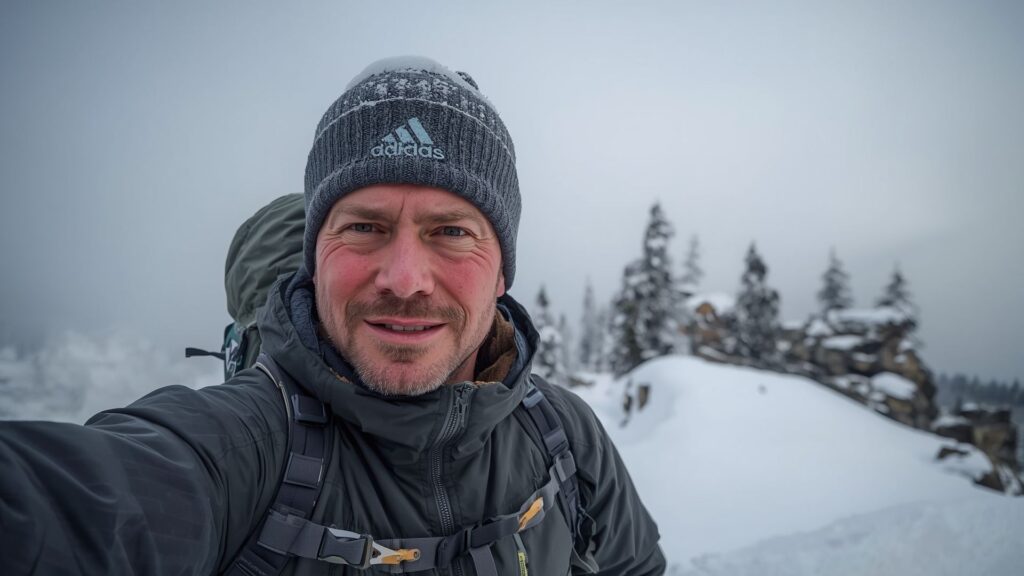
Temperature drops approximately 6.5 degrees Celsius per 1,000 metres elevation gain. Summit temperatures on Mount Toubkal (4,167 metres) regularly reach minus 10 degrees Celsius even in summer.
Use a layering system with moisture-wicking base layers, insulating mid-layers, and waterproof outer shells. Pack extra insulation including a warm hat, insulated gloves, and thermal trousers. Mountain weather changes rapidly; carry all layers regardless of forecast. Cold stress increases altitude sickness risk and accelerates hypothermia onset.
6. Apply Comprehensive Sun Protection
UV radiation intensity increases 10 per cent per 1,000 metres elevation. Snow and ice reflect 80 per cent of UV radiation, creating severe exposure risk.
Apply SPF 50+ broad-spectrum sunscreen to all exposed skin every 2 hours. Protect lips with SPF 30+ lip balm. Wear glacier glasses or goggles providing 100 per cent UV protection. Cover your neck with a buff or bandana. Sunburn causes significant fluid loss through damaged skin, worsening dehydration.
7. Complete Acclimatisation Training Hikes
Strategic acclimatisation rotations significantly improve summit success rates. These involve climbing 200 to 400 metres above your sleeping elevation and returning to sleep lower.
Pat Falvey’s expeditions typically include 2 to 3 acclimatisation hikes before summit attempts. The exposure to higher altitude triggers physiological adaptations whilst sleeping lower allows recovery. This ‘climb high, sleep low’ principle forms the cornerstone of modern altitude mountaineering. Stay overnight at The Mountain Lodge in Kerry to practise pre-expedition routines before international treks.
8. Maintain Positive Mental Attitude
Mental resilience determines success as much as physical fitness. High altitude hiking challenges include discomfort, fatigue, sleep deprivation, and moments of doubt.
Focus on immediate tasks rather than the entire route ahead. Break the climb into manageable segments. Celebrate small victories like reaching each rest stop. Support team members through difficult moments. The summit provides incredible satisfaction, but the journey itself offers profound personal growth and unforgettable experiences.
Essential Equipment for High Altitude Hiking
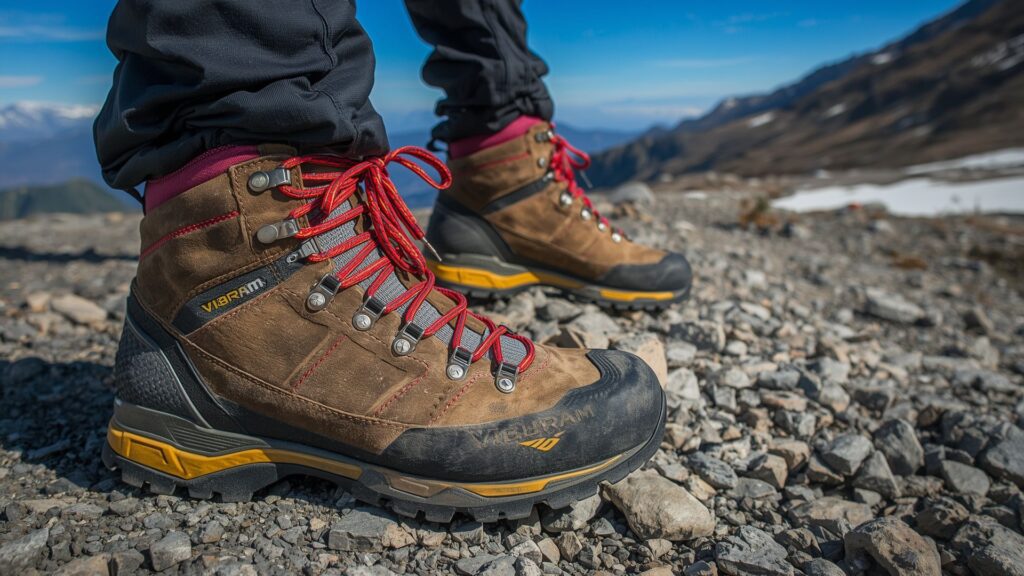
Proper equipment prevents emergencies and significantly improves comfort during high altitude expeditions. Quality gear represents an investment in safety and performance.
Footwear and Foot Care
Four-season mountaineering boots provide essential ankle support and thermal insulation for high altitude conditions. Boots should accommodate thick socks and remain comfortable with toe movement. Break in boots thoroughly before departure.
Carry blister prevention supplies including pre-cut moleskin, zinc oxide tape, and needle for drainage. Treat hot spots immediately before blisters develop. Change socks daily and air feet during rest stops. Foot problems end more treks than altitude sickness.
Sleeping System Selection
Quality sleep supports acclimatisation and physical recovery. Select a sleeping bag rated 10 degrees Celsius colder than expected minimum temperatures. Down insulation provides superior warmth-to-weight ratio in dry conditions; synthetic insulation performs better in wet environments.
Pair your sleeping bag with an insulated sleeping mat providing R-value above 5 for high altitude camping. Ground cold transfers through inadequate insulation causes sleep disruption and hypothermia risk. Consider a sleeping bag liner adding 5 degrees warmth and improving hygiene.
Trekking Poles and Navigation
Trekking poles reduce knee stress by 25 per cent on descents whilst improving balance and stability. Adjustable poles accommodate variable terrain from steep ascents to level traverses.
Carry backup navigation including detailed maps, compass, and GPS device with spare batteries. Mobile phone GPS drains batteries rapidly in cold temperatures. Download offline maps before departure. Even guided expeditions require personal navigation capability for emergencies.
Medical Considerations and Medications
Consult a travel medicine specialist 8 to 12 weeks before high altitude expeditions. Medical professionals provide personalised advice based on your health history and destination requirements.
Altitude Medication Options
Acetazolamide (Diamox) accelerates acclimatisation by increasing breathing rate and urine production. Typical dosing starts 125 to 250 milligrams twice daily beginning 24 hours before ascent. Common side effects include increased urination, tingling extremities, and altered taste of carbonated drinks.
Dexamethasone treats acute mountain sickness when descent proves impossible. This steroid reduces brain swelling but masks symptoms rather than aiding acclimatisation. Use only under medical guidance. Never rely on medication as substitute for proper acclimatisation protocols.
Personal First Aid Kit
Carry a comprehensive personal medical kit including pain relievers (ibuprofen and paracetamol), altitude sickness medication, antihistamines, oral rehydration sachets, antibiotics for bacterial infections, and anti-diarrhoea medication.
Include wound care supplies with adhesive bandages, gauze pads, medical tape, antiseptic wipes, and blister treatment. Add personal prescriptions with extra supply for delays. Store medications in waterproof containers with clear labelling.