
The older climber represents one of the fastest-growing segments in adventure travel today. Pat Falvey Irish & Worldwide Adventures has witnessed this transformation firsthand, guiding hundreds of climbers over 50 to summits worldwide. The narrative that adventure belongs exclusively to the young continues to crumble as older climbers prove their capability on mountains across every continent. Society’s arbitrary age barriers dissolve when individuals embrace the adventure of life and explore the limits of what they can do, regardless of their years.
“The secret of genius is to carry the spirit of the child into old age, which means never losing your enthusiasm.” This observation from Aldous Huxley captures the mindset that drives successful older climbers to peaks around the world.
The Encounter That Changed Everything
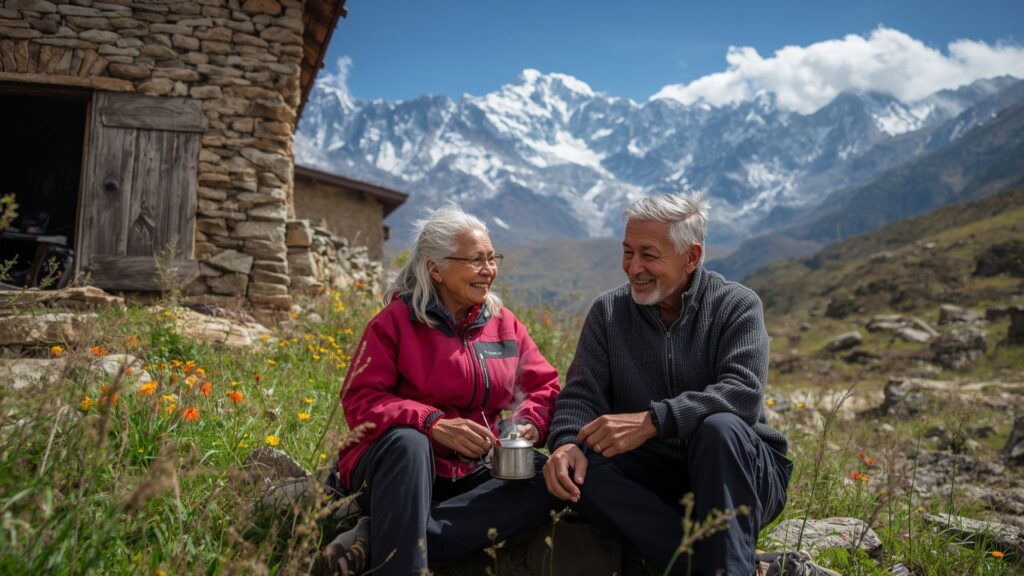
In 1991, Pat Falvey was 34 and walking to Everest Base Camp when he saw a man approaching from the opposite direction. The man appeared quite old for such a remote location at 5,364 metres altitude. Curiosity prompted a conversation that would reshape Pat’s entire perspective on ageing and adventure.
The man introduced himself as John and explained that reaching Everest Base Camp fulfilled a lifelong dream. John was 85 years old. The revelation stunned Pat, who wanted to understand more about this remarkable individual. They retreated to a local tea house where John introduced Jean, his 79-year-old partner. The couple shared their plans to celebrate John’s 90th birthday in Antarctica.
Meeting this couple provided Pat with a valuable perspective on life and ageing that continues to influence his approach to guiding older climbers. The encounter planted a seed that grew into a forward-looking attitude towards his own ageing. Pat now looks forward to being 85, knowing he will be part of a community who believe that age creates no barrier to living a full life.
This philosophy now shapes every guided Carrauntoohil hike and international expedition that Pat Falvey Irish & Worldwide Adventures operates. The company has guided climbers in their 60s, 70s, and 80s to summits including Kilimanjaro, Toubkal, and across the Kerry mountains.
Setting New Goals Throughout Life
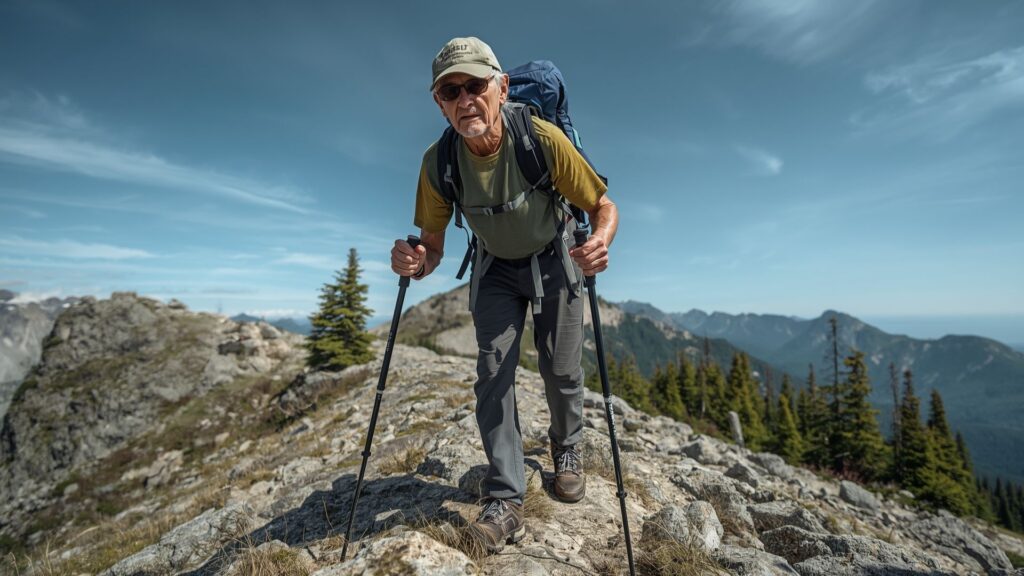
The older climber continues to set new goals and scale them according to where they are in their life journey. Physical capabilities evolve with age, but the capacity for achievement remains far greater than most people imagine. The key lies in continuing to explore and pushing until reaching your limit for the day, rather than accepting arbitrary age-related restrictions imposed by others.
Mountains provide the perfect arena for older climbers to test their evolving capabilities. Each peak offers a different challenge, allowing climbers to match their current fitness level with an appropriate objective. A 55-year-old might tackle Kilimanjaro expeditions as their first major summit, while a 70-year-old might find the Camino de Santiago provides the ideal blend of physical challenge and cultural immersion.
Older climbers must accept that ageing forms part of the natural process of life. Physical changes require adjustments to training methods, recovery periods, and expedition selection. The older climber brings patience, perspective, and psychological resilience to challenging situations on mountains. These qualities often prove more valuable than raw physical power when weather deteriorates or altitude sickness strikes.
Physical Preparation for Older Climbers
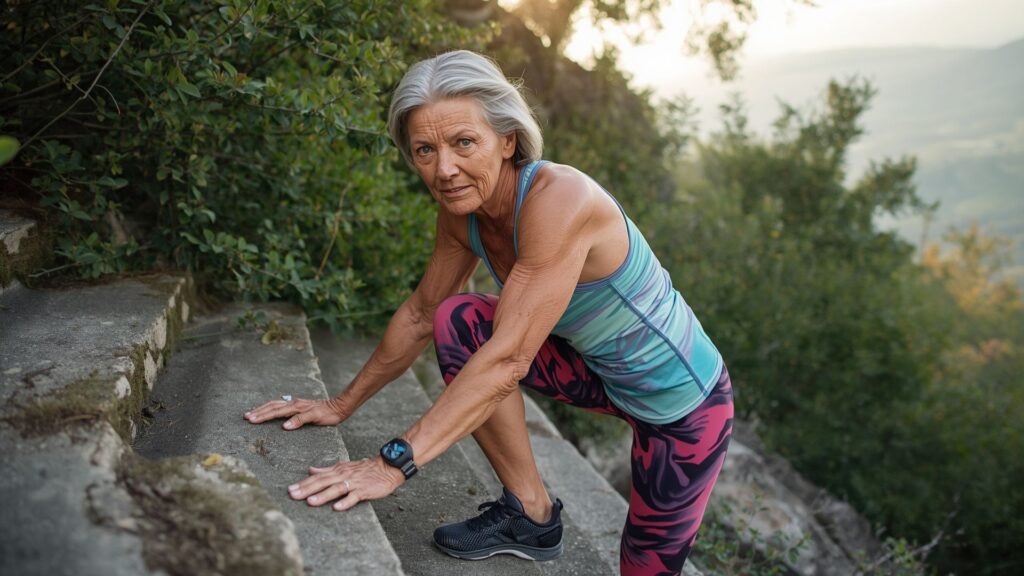
Training for mountain expeditions requires a tailored approach for the older climber. Pat Falvey Irish & Worldwide Adventures provides personalised training guidance for all expedition participants, with specific modifications for older climbers.
Cardiovascular fitness forms the foundation of mountain preparation. Older climbers should build aerobic capacity gradually over 12 to 16 weeks before major expeditions. Walking remains the most accessible and effective training method. Start with 30-minute walks on flat terrain, progressing to 2-hour hikes with elevation gain.
Strength training prevents the muscle loss that accelerates after age 40. Focus on functional movements that replicate mountain activities: step-ups, lunges, squats, and core exercises. Two 30-minute strength sessions per week produce significant benefits. Resistance need not be heavy; bodyweight exercises and light weights maintain the muscle mass required for multi-day treks.
Recovery takes longer as the body ages. Training plans for older climbers must incorporate more rest days than programmes designed for younger athletes. Pat Falvey recommends that climbers over 55 follow a pattern of two training days followed by one rest day. Sleep becomes increasingly important, with 7 to 8 hours nightly during the preparation period.
Choosing the Right Expedition
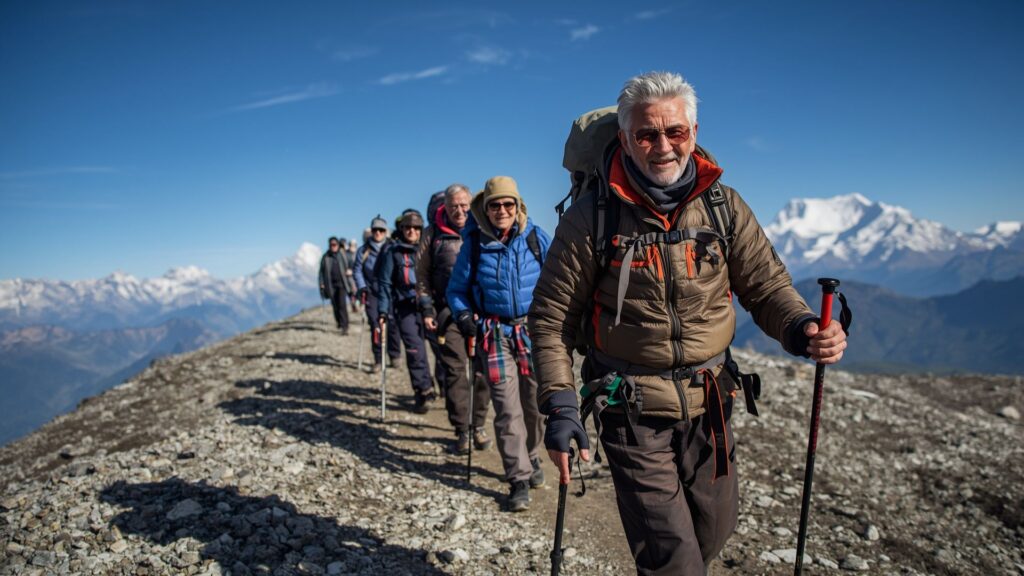
The older climber must select expeditions that match current fitness levels and experience. Pat Falvey Irish & Worldwide Adventures offers a range of adventures suitable for different age groups and abilities. A 60-year-old with regular hiking experience might thrive on Everest Base Camp treks, while someone new to mountain travel might prefer starting with Mount Toubkal in Morocco.
Altitude affects older climbers differently than younger expedition members. The body’s ability to acclimatise to thin air declines gradually with age. This does not prevent older climbers from reaching high-altitude destinations, but it does require more careful acclimatisation schedules. Expeditions with gradual altitude gain and built-in rest days suit older climbers better than rapid-ascent itineraries.
Duration matters when selecting expeditions. Older climbers often perform better on longer expeditions that allow proper acclimatisation and recovery between demanding days. A 16-day Kilimanjaro trek with extended acclimatisation produces higher success rates for climbers over 60 than compressed 7-day routes.
Temperature extremes challenge older climbers more than moderate conditions. Spring and autumn expeditions to high-altitude destinations offer more moderate temperatures than winter or summer attempts. Pat Falvey schedules Kilimanjaro expeditions during the dry seasons of January to March and July to October, when conditions favour older expedition members.
Medical Considerations for Older Climbers
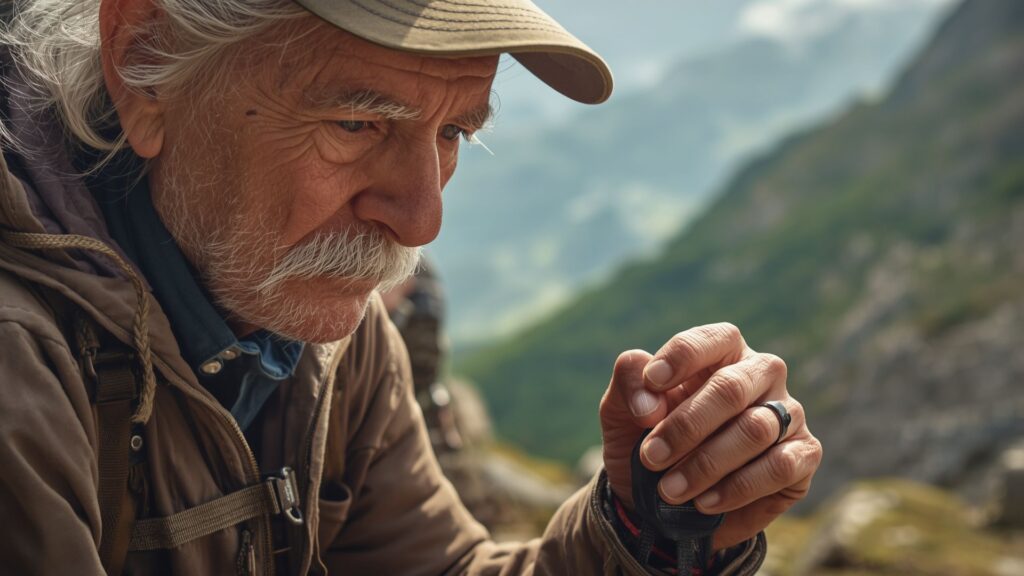
Pre-expedition medical screening becomes essential for climbers over 50. Pat Falvey Irish & Worldwide Adventures requires all expedition participants to complete health questionnaires, with additional screening for those over 60. A medical check-up 8 to 12 weeks before departure allows time to address any health concerns identified.
Common medications require special consideration at altitude. Blood pressure medications, diabetes treatments, and thyroid medications all function differently in low-oxygen environments. Older climbers should consult physicians experienced in altitude medicine before international expeditions.
Cardiovascular health demands particular attention. The heart works harder at altitude as it pumps more blood to compensate for reduced oxygen. Older climbers with any history of heart problems must obtain clearance from a cardiologist.
Joint problems affect many older climbers. Knee and hip arthritis can worsen during multi-day treks with heavy backpacks. Trekking poles reduce joint stress by 25 per cent on descents. Pat Falvey recommends that all older climbers use trekking poles on expeditions, regardless of current joint health.
Mental Preparation and Legacy
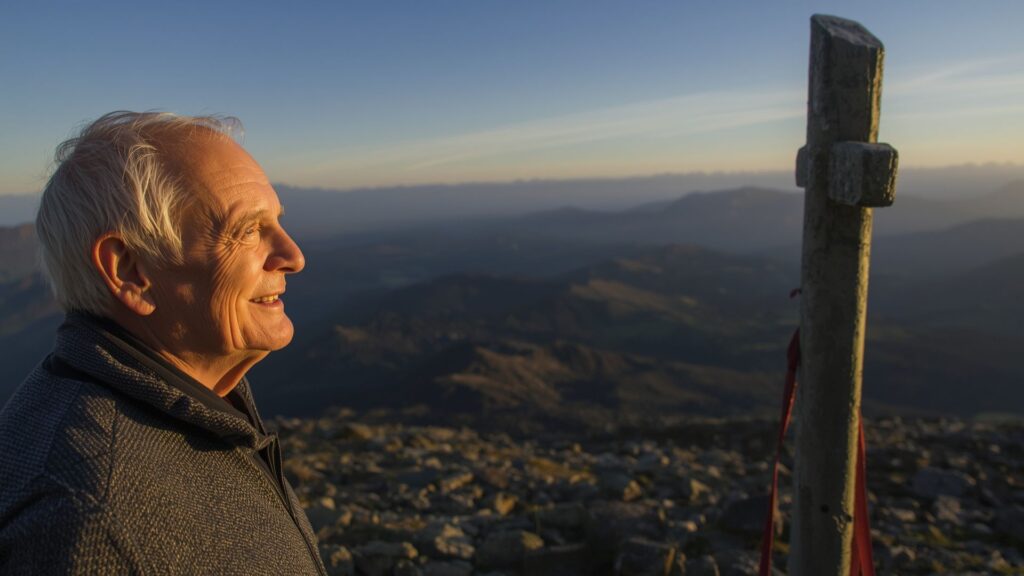
The older climber brings decades of life experience to mountain expeditions. This psychological maturity provides significant advantages in dealing with expedition challenges. Older climbers typically demonstrate better emotional regulation, more realistic expectations, and greater patience than younger team members.
Legacy thinking motivates many older climbers to pursue mountain objectives. Mountains provide tangible goals that create meaning and purpose in later life stages. Every summit reached becomes part of the legacy left behind. These achievements inspire family members, friends, and other older individuals to pursue their own dreams.
Pat Falvey encourages all expedition participants to consider their legacy at this precise moment. What have you done that has brought you the most joy? Is there anything you regret not doing? What are your dreams? Have you followed them? These questions focus attention on how you are living your life right now, today.
Older climbers who pursue their mountain dreams create legacy roadmaps for others to follow. Each person over 50 who reaches a summit proves that age creates no barrier to achievement. These individuals demonstrate that the human spirit maintains its capacity for adventure, growth, and accomplishment throughout life.
Living the Life You Are Capable of Living
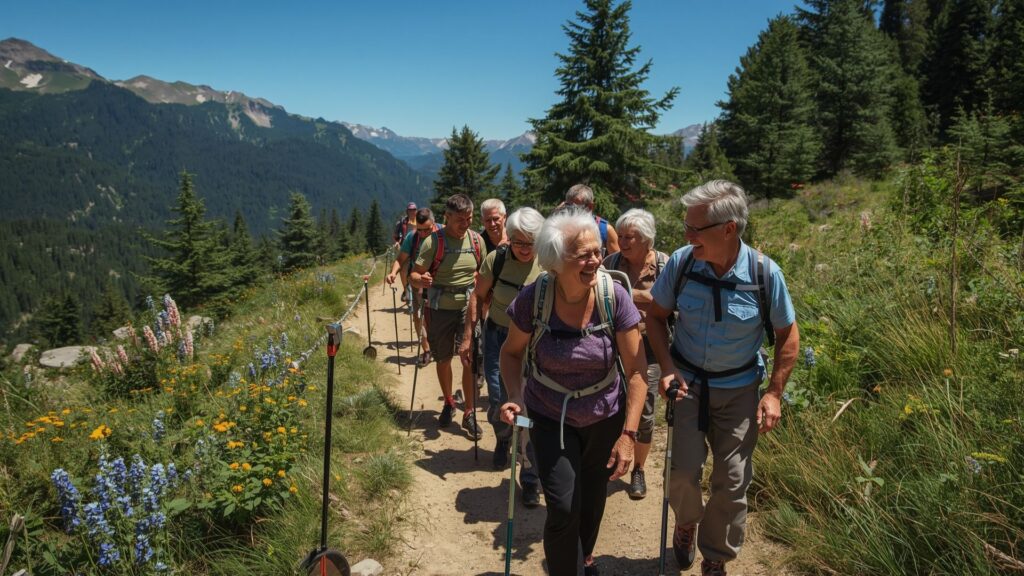
No matter what you have done, or not done, up to this point, what matters is how you live your life from this moment forward. The knowledge that life is finite sharpens determination to live the best life possible, to follow and fulfil dreams, and to create the legacy you want to leave behind.
Start living the life that you are capable of living. Start exploring the extent of your capabilities in the knowledge that you are far more capable than you ever thought possible. Know that no matter what age you are, what skills you have, what educational qualifications you have, what job you are in, or what emotional luggage you are carrying, you still have the opportunity to dream, to do, and to achieve.
The mountains wait for the older climber with the same patience they show to younger aspirants. Peaks do not judge based on age, only on preparation and determination. Every older climber who laces up their boots and steps onto a trail proves that age creates no barrier to adventure, achievement, and living fully.
Pat Falvey Irish & Worldwide Adventures continues to guide older climbers to summits worldwide. The company’s 30 years of experience includes developing programmes specifically suited to the needs of climbers over 50. From Carrauntoohil day hikes to Aconcagua expeditions, options exist for every fitness level and ambition.
For more information about expeditions suitable for older climbers, contact Pat Falvey Irish & Worldwide Adventures at +353 64 6644 181 or info@patfalvey.com. The Mountain Lodge in Beaufort, Killarney provides a base for training weekends and expedition preparation courses.
FAQs
No age is too old to start mountain climbing with proper preparation and medical clearance. Fitness level and health status matter more than chronological age.
Older climbers should allow 12 to 16 weeks for expedition preparation. High-altitude objectives like Kilimanjaro require 16 weeks for gradual fitness development.
Carrauntoohil in Ireland takes 4 to 6 hours via the Devil’s Ladder route. Mount Toubkal in Morocco offers a higher altitude challenge at 4,167 metres with good acclimatisation.
Age alone does not increase altitude sickness risk. Pat Falvey’s expeditions include gradual altitude gain and acclimatisation days, resulting in success rates above 90 per cent for climbers over 60.
Older climbers should comfortably manage 4-hour hikes with 500-metre elevation gain while carrying a daypack. Training should include cardiovascular work, strength exercises, and weekly practice hikes over 12 to 16 weeks.