
Learning how to form a habit transforms goal-setting into achievable action. Pat Falvey Irish & Worldwide Adventures has guided thousands through challenging expeditions by teaching habit-building principles that work in mountains and daily life. This guide provides proven strategies for creating habits that stick, from starting small to celebrating milestones.
Tired of setting goals and failing to achieve them? The solution lies in understanding how to form a habit through small, incremental steps. When you master the process of habit formation, success becomes a series of manageable actions rather than an overwhelming challenge. This approach works whether you’re training for Kilimanjaro expeditions or simply trying to build better daily routines. The principles remain the same: consistency beats intensity, and small wins compound into remarkable transformations.
Research shows that habits form through repetition and environmental cues, not willpower alone. Pat Falvey has led over 2,000 climbers to summits across seven continents by breaking down seemingly impossible challenges into daily practices. The same methodology applies to any habit you want to build.
Understanding how to form a habit requires recognising that your brain creates neural pathways through repeated actions. Each time you perform a behaviour, you strengthen these pathways, making the action progressively easier until it becomes automatic. This neurological process explains why the first few weeks feel difficult whilst later weeks feel effortless.
Focus on the New Habit

Single-habit focus produces superior results compared to attempting multiple changes simultaneously. Your willpower functions like a muscle that fatigues with use, so channelling all your mental energy into one habit increases your success rate dramatically.
Work on one habit at a time. When you divide your attention across multiple new behaviours, you dilute the willpower available for each. Research demonstrates that people who tackle habits sequentially show 80% higher success rates than those who attempt concurrent changes. This principle applies whether you’re preparing for guided Carrauntoohil hikes or building a meditation practice.
The focused approach allows your brain to dedicate its pattern-recognition systems to one behaviour. After 30-90 days, the habit becomes automated, freeing up mental resources for your next priority. Pat Falvey’s expedition training follows this exact sequence: master base fitness before adding altitude training, then technical skills.
Strategic habit selection matters. Choose the habit that creates the biggest positive ripple effect in your life. Morning exercise often triggers better eating choices throughout the day. Reading before bed naturally reduces screen time. Identify these cascade effects when deciding which habit deserves your full attention first.
Commit for a Minimum of 30 Days

The timeline for habit formation varies significantly based on complexity and individual factors. Understanding how to form a habit requires acknowledging that 30 days serves as the minimum commitment, not the maximum.
Habit formation follows a predictable pattern across three phases. The first 10 days feel uncomfortable as your brain resists the new behaviour. Days 11-20 bring inconsistency where motivation fluctuates wildly. After day 21, the behaviour starts feeling natural, though it’s not yet automatic. Research published in the European Journal of Social Psychology found that habits take an average of 66 days to become automatic, with a range from 18 to 254 days depending on complexity.
Simple habits like drinking water upon waking solidify faster than complex behaviours like daily exercise routines. The key is maintaining consistency through the uncomfortable initial phase. Climbers training for Everest Base Camp treks face the same challenge: the first month of training feels hardest, but persistence creates the foundation for success.
Anchor your new habit with an already established habit. After you do your daily exercise in the evening, it triggers you to apply your new habit. Habit stacking leverages your established behaviours as triggers for new ones. After you complete your existing routine, it automatically cues the new habit. This technique works because your brain already recognises the trigger, reducing the cognitive load required to remember your new behaviour.
After you finish your evening workout, practise 10 minutes of guitar. After your morning coffee, write three pages in your journal. The specificity matters: ‘after dinner’ is too vague, whilst ‘after placing my plate in the dishwasher’ provides a clear, consistent trigger point.
Small Steps Climb Big Mountains
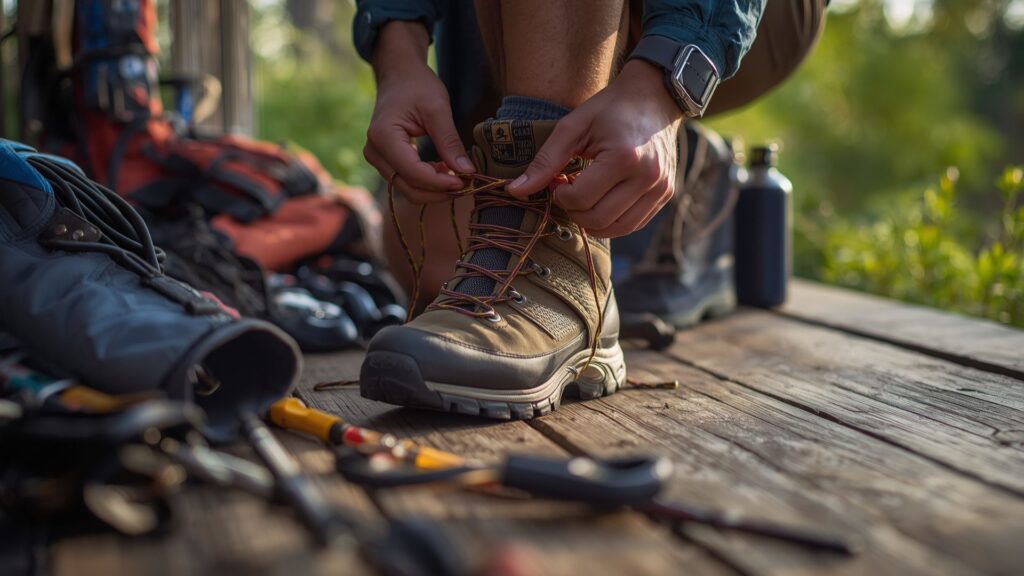
The philosophy behind knowing how to form a habit centres on creating commitments so small that failure becomes impossible. This approach prioritises consistency over intensity because showing up daily matters more than performing perfectly.
Create impossibly small starting commitments. Want to build a reading habit? Start with one page daily, not 30 minutes. Aspiring to run regularly? Begin with putting on your running shoes each morning. These micro-commitments eliminate the resistance that typically sabotages new habits.
The power of small steps reveals itself through compound effects. Reading one page daily totals 365 pages yearly. Five minutes of daily practice accumulates to 30 hours annually. Climbers preparing for Kilimanjaro treks start with 15-minute walks, gradually building to multi-hour training sessions over months.
Momentum builds faster with small commitments because early wins boost confidence. Each successful day strengthens your identity as someone who follows through. Once the behaviour feels automatic, natural progression occurs without forcing intensity increases.
The two-minute rule states that any habit should take less than two minutes to complete when starting. This isn’t about limiting your activity but about making the initiation so easy that you cannot refuse. Meditation becomes ‘sit on my cushion’. Exercise becomes ‘put on workout clothes’. Studying becomes ‘open my textbook’. The genius lies in overcoming the activation energy required to start. Once you begin, continuing feels natural.
Make a Plan for Life’s Obstacles

Anticipating obstacles separates successful habit-builders from those who fail when challenges arise. Understanding how to form a habit includes creating contingency plans before problems appear.
Implementation intentions provide the framework for obstacle planning. Use the formula: ‘If [obstacle], then [specific response].’ If you travel for work, then you pack resistance bands for hotel workouts. If you wake up late, then you do a condensed version of your routine. These pre-decided responses eliminate the need for willpower when circumstances change.
Common obstacles fall into predictable categories: time constraints, environmental changes, social pressure, illness, and motivation dips. Map these specific to your habit. If building an evening reading practice, identify scenarios like unexpected work commitments or family obligations. Then create your ‘then’ responses: read during lunch break, audio book during commute, or weekend catch-up sessions.
Mountain expeditions require extensive contingency planning because conditions change unpredictably. Weather delays, altitude sickness, equipment failures all demand pre-planned responses. Pat Falvey’s 30 years guiding adventures demonstrate that preparation prevents panic when obstacles emerge.
Be Accountable to Yourself

Accountability systems transform private intentions into public commitments. Tracking your efforts and declaring your goals publicly increases follow-through rates by 65% according to behavioural research.
Track your efforts through visible methods that provide immediate feedback. Wall calendars with daily marks, habit tracking apps, or simple spreadsheets all work effectively. The tracking method matters less than consistency in recording. Each mark serves as evidence of your commitment, creating a visual chain you’ll resist breaking.
Public declarations create social accountability that reinforces private commitment. Share your goal with friends, post on social media, or join accountability groups. The knowledge that others know your intention increases the psychological cost of quitting. This doesn’t mean sharing every daily action, but making the overall goal visible to your community.
Professional guidance provides structured accountability. Working with Pat Falvey as a motivational speaker or expedition leader means regular check-ins and expert support. This external accountability proves especially valuable when self-motivation wavers.
Reward Important Milestones

Strategic rewards accelerate habit formation by linking positive emotions with your new behaviour. Understanding how to form a habit includes designing a celebration system that honours your progress without undermining your goals.
Focus on building rewards into the process rather than waiting for final outcomes. Celebrate weekly streaks, monthly consistency, and quarterly transformations. These intermediate milestones maintain motivation during the long plateau between starting and mastery.
Choose rewards that align with your values and goals. Fitness habits deserve active rewards like massage appointments or new workout gear, not food treats that contradict your objectives. Learning habits warrant books, courses, or educational experiences. Make rewards meaningful enough to motivate but sustainable enough to repeat.
Consider experiential rewards that create lasting memories. After maintaining a habit for 90 days, book a special experience like adventure trips with Pat Falvey or a weekend retreat at The Mountain Lodge. These rewards provide both celebration and inspiration for continued commitment.
Build a New Identity

Identity-based habits create lasting change because they address who you are, not just what you do. The most powerful approach to understanding how to form a habit involves shifting your self-concept to align with your desired behaviours.
Decide that the habit defines part of your identity, then use each action as evidence supporting that identity. You’re not someone trying to exercise; you’re an active person who trains regularly. You’re not attempting to read more; you’re a reader who engages with books daily. This subtle shift in language reflects a profound change in self-perception.
Every habit repetition casts a vote for your new identity. Miss one day and you’ve cast a single vote against. Maintain consistency for 30 days and you’ve cast 30 votes in favour. Your identity emerges from these accumulated votes, making each small action significant regardless of its immediate visible impact.
Pat Falvey’s expeditions attract people seeking identity transformation as much as summit success. Clients describe themselves differently after completing Kilimanjaro climbs or Everest Base Camp treks. They become mountaineers, adventurers, people who finish what they start. The physical achievement matters less than the identity shift it represents.
Craft identity statements in present tense using ‘I am’ rather than ‘I want to be’. Say ‘I am a writer’ not ‘I want to write more’. Your unconscious mind responds to these declarations by seeking evidence to validate them, creating a self-fulfilling prophecy that supports habit maintenance.