
Walking stands as the most accessible form of exercise available to humans. The reasons to start walking extend far beyond simple fitness, encompassing mental clarity, physical health, and emotional wellbeing. Walking for 30 to 60 minutes each day delivers transformative benefits for body, mind, and spirit. Pat Falvey Irish & Worldwide Adventures recommends walking as the essential first step towards mountain adventures, from guided Carrauntoohil hikes to international expeditions. This article presents 10 compelling reasons to start walking today, backed by research and practical experience from three decades of guiding adventurers across Ireland and beyond.
Understanding the Science Behind Walking Benefits
Walking activates multiple physiological systems simultaneously. The cardiovascular system strengthens with each step, whilst muscles in the legs, core, and arms engage throughout the movement. Research demonstrates that regular walking reduces disease risk, improves cognitive function, and extends lifespan. The reasons to start walking become clear when examining the specific health outcomes documented in peer-reviewed studies.
The human body evolved for walking. Bipedal movement shaped our skeletal structure, cardiovascular capacity, and neurological development over millions of years. Modern sedentary lifestyles contradict this evolutionary blueprint, leading to increased disease prevalence and reduced functional capacity. Walking restores the body’s natural state, triggering beneficial adaptations that improve health markers across multiple systems.
Weight Management Through Daily Walking
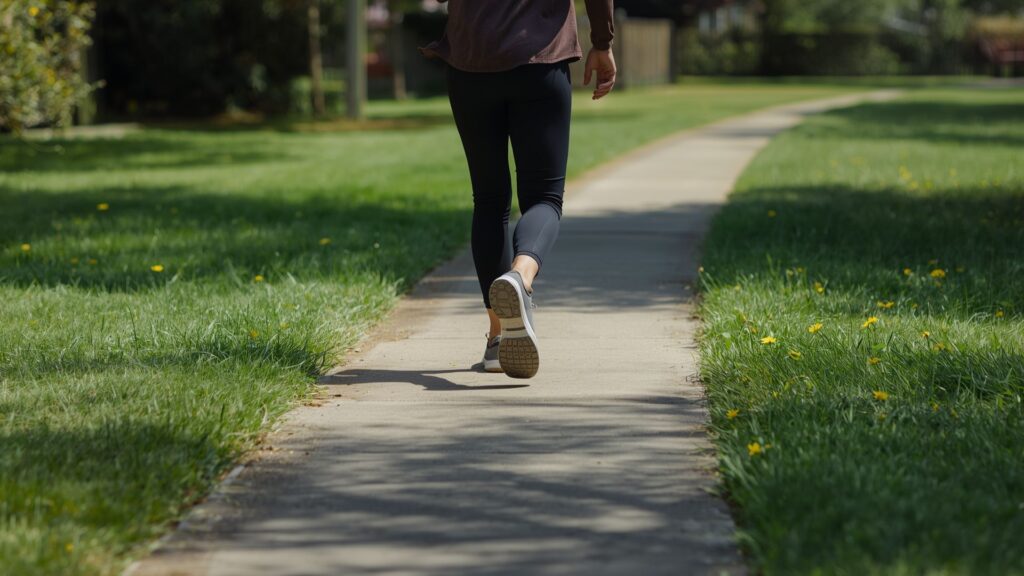
Walking burns calories efficiently without requiring gym memberships or special equipment. Adding 2,000 extra steps daily—approximately one mile—prevents weight gain according to Dr James O. Hill of the Centre for Human Nutrition at the University of Colorado Health Sciences Centre. This modest increase in daily movement creates a sustainable calorie deficit over time.
The metabolic benefits extend beyond immediate calorie expenditure. Regular walking increases resting metabolic rate, meaning the body burns more calories even during rest periods. Walking also preserves lean muscle mass during weight loss, preventing the metabolic slowdown that accompanies many restrictive diets. These factors make walking superior to calorie restriction alone for long-term weight management.
Weekend indulgence affects many people’s health goals. The solution lies not in extreme restriction but in consistent movement. Walking provides the sustainable approach needed to offset occasional dietary excursions whilst building the fitness foundation required for Kilimanjaro expeditions and other mountain challenges.
Proven Health Benefits of Regular Walking
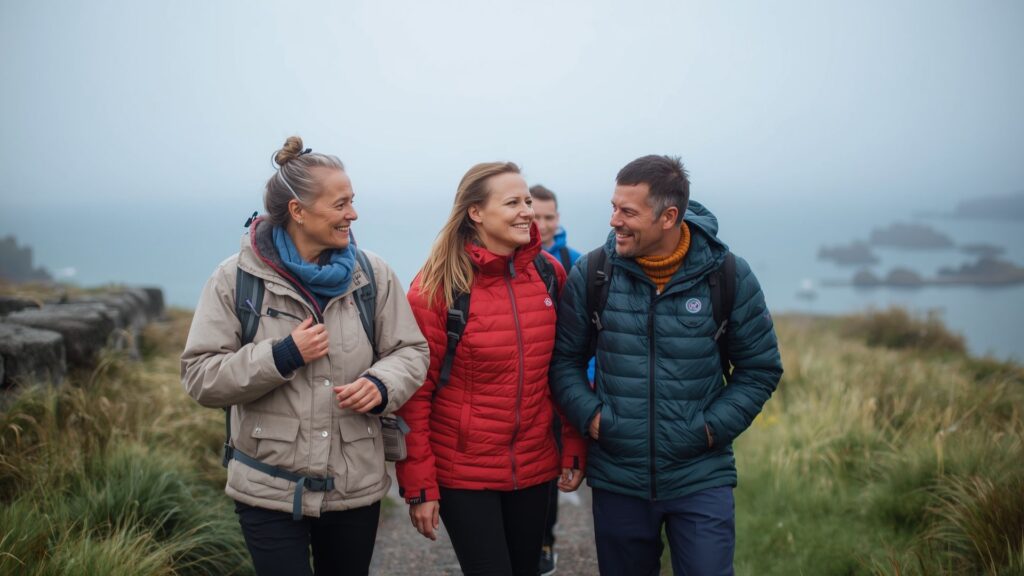
Research confirms that 30 minutes of daily walking prevents Type 2 diabetes and reduces cancer, heart failure, and stroke risk. These benefits stem from walking’s effects on blood sugar regulation, inflammation reduction, and cardiovascular efficiency. The reasons to start walking include these measurable improvements in disease prevention.
Walking improves insulin sensitivity, allowing cells to absorb glucose more effectively. This mechanism explains walking’s protective effect against Type 2 diabetes. Studies show that three 15-minute walks after meals regulate blood sugar as effectively as one 45-minute continuous walk. This finding provides flexibility for people with limited time blocks.
Cardiovascular benefits accumulate with regular walking. Blood pressure decreases, arterial flexibility improves, and heart efficiency increases. Walking strengthens the heart muscle whilst reducing strain on the cardiovascular system. These adaptations lower heart disease risk significantly compared to sedentary individuals.
Cognitive Enhancement and Brain Health

Walking 45 minutes daily at a 16-minute mile pace increases thinking skills in people over 60. The National Council on Ageing funded this research, which demonstrated measurable improvements in mental sharpness after participants adopted regular walking programmes. Walking also reduces mental fatigue, improves memory, and lowers Alzheimer’s disease risk.
The brain benefits from increased blood flow during walking. This enhanced circulation delivers oxygen and nutrients whilst removing metabolic waste products. Walking also stimulates the release of brain-derived neurotrophic factor (BDNF), a protein that supports neuron growth and protects existing brain cells.
Regular walking preserves brain volume in the hippocampus, the region responsible for memory formation. This protective effect becomes particularly important with advancing age, when cognitive decline accelerates without preventative measures. Walking provides a simple, cost-free intervention that maintains cognitive function throughout the lifespan.
Natural Mood Enhancement Through Movement
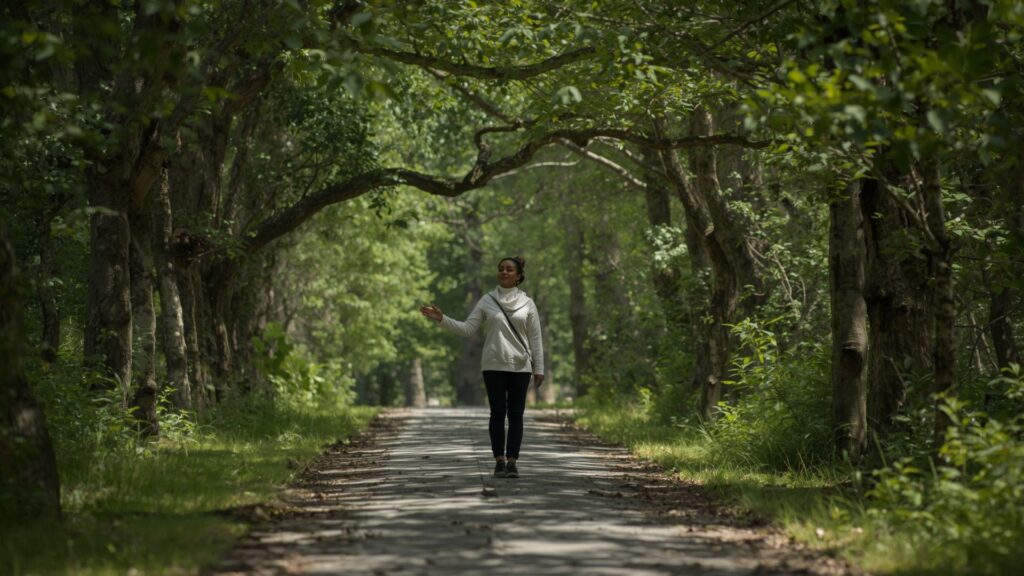
Endorphins—the body’s natural mood-elevating chemicals—increase during walking. These neurotransmitters reduce pain perception and create feelings of wellbeing. The reasons to start walking include this reliable method for improving emotional state without pharmaceutical intervention.
Modern life involves excessive screen time and mental preoccupation with work demands. Walking breaks this cycle by engaging the body in physical movement whilst allowing the mind to process thoughts naturally. Many people report their best ideas occurring during walks, when the brain enters a relaxed yet alert state conducive to creative problem-solving.
Walking outdoors amplifies mood benefits through exposure to natural light and green spaces. Sunlight regulates circadian rhythms and supports vitamin D production, whilst nature contact reduces stress hormones. These combined effects make outdoor walking particularly effective for managing anxiety and depression symptoms.
Accessibility and Simplicity of Walking
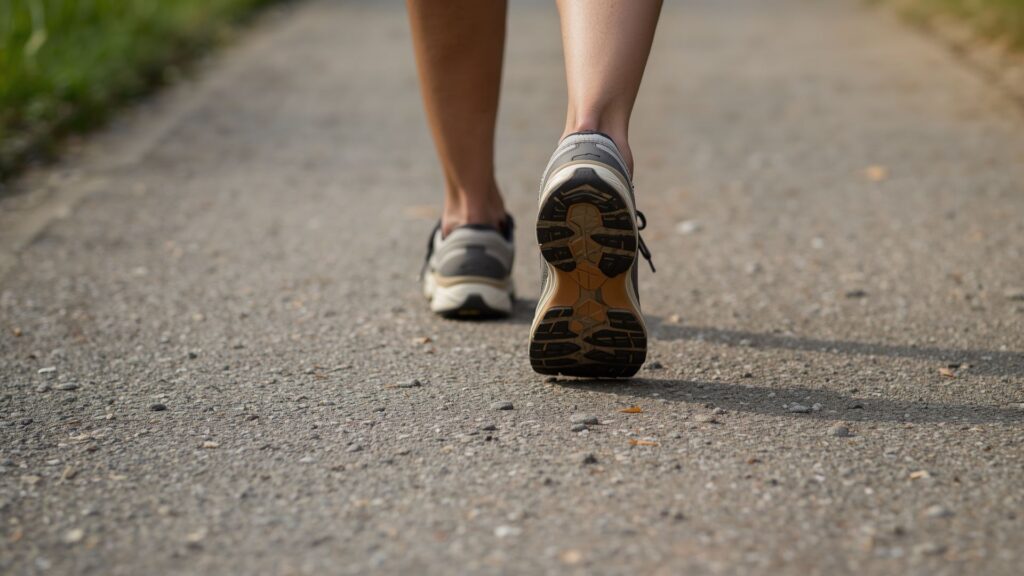
Walking requires minimal equipment—quality footwear and appropriate clothing suffice. This simplicity removes common barriers to exercise, including cost, travel time, and specialized facilities. Anyone can start walking immediately, regardless of fitness level or previous exercise experience.
Beginning with short walks builds confidence and establishes the habit. A 10-minute neighbourhood walk provides an achievable starting point. Gradually increasing duration and distance prevents injury whilst allowing the body to adapt. This progressive approach supports long-term adherence better than aggressive training programmes that cause burnout.
Pat Falvey Irish & Worldwide Adventures uses walking as the foundation for mountain preparation. Participants in Everest Base Camp treks begin their training with consistent daily walking months before departure. This gradual progression develops the endurance required for multi-day mountain expeditions.
Workplace Stress Reduction

Office workers who walk 30 minutes during lunch breaks three times weekly report immediate stress reduction. Research participants described feeling less tense and more relaxed upon returning to work after their walks. This benefit stems from walking’s ability to activate the parasympathetic nervous system, which counteracts stress responses.
Workplace stress accumulates throughout the day as deadlines approach and demands increase. Walking provides a physiological reset that improves afternoon productivity and decision-making. The mental clarity gained during lunch walks often leads to more efficient problem-solving and reduced afternoon fatigue.
Organizations that encourage walking breaks observe reduced absenteeism and improved employee satisfaction. The investment of 30 minutes yields returns through enhanced focus and reduced stress-related health issues. These workplace benefits demonstrate the reasons to start walking extend beyond personal health to professional performance.
Blood Sugar Regulation Through Post-Meal Walking
Three short walks daily after meals regulate blood sugar over 24 hours as effectively as one 45-minute continuous walk. This finding provides crucial flexibility for people managing diabetes or prediabetes. Post-meal walking intercepts the blood sugar spike that follows eating, reducing the insulin demand required to process dietary glucose.
The mechanism involves muscle contraction during walking, which enables glucose uptake independent of insulin. This glucose disposal pathway bypasses insulin resistance, making post-meal walking particularly valuable for people with Type 2 diabetes. Even 10-minute walks after meals produce measurable improvements in glycaemic control.
Combining walking with balanced nutrition creates powerful synergy for metabolic health. The reasons to start walking include this evidence-based approach to blood sugar management that requires no medication or special equipment. People who establish post-meal walking habits often reduce or eliminate diabetes medications under medical supervision.
Experiencing Ireland’s Natural Beauty
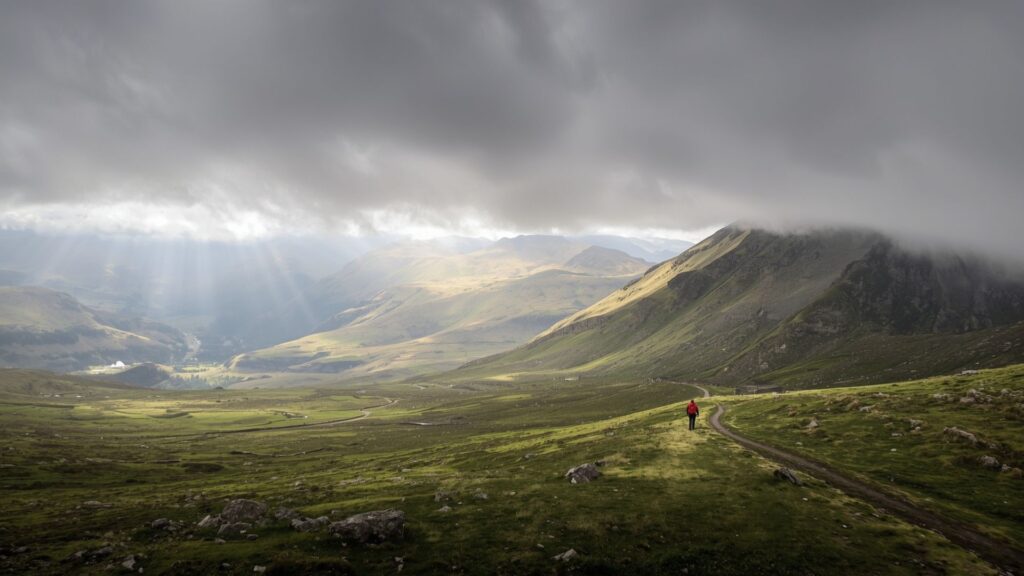
Ireland offers diverse landscapes perfect for walking, from coastal paths to mountain trails. The changing weather creates varied walking experiences throughout the year. Walking provides intimate connection with the environment impossible to achieve through vehicle travel.
Kerry’s mountains, including Carrauntoohil guided hikes, showcase Ireland’s dramatic terrain. Walking these trails builds appreciation for the landscape whilst developing mountain skills. The weather variability teaches adaptability and proper preparation—essential skills for any outdoor adventurer.
Coastal walks along the Wild Atlantic Way present different challenges and rewards. Wind, rain, and sunshine alternate throughout the day, creating memorable experiences. Walking in varied conditions builds resilience and confidence that transfers to all life areas.
Zero Financial Investment Required
Walking costs nothing beyond the shoes already owned. No membership fees, class payments, or special equipment purchases block participation. This financial accessibility makes walking the most democratic form of exercise available.
The return on investment exceeds any paid fitness programme. Health improvements, stress reduction, and enhanced wellbeing provide value far beyond monetary measurement. Walking also reduces healthcare costs through disease prevention and improved health markers.
People who walk regularly save money on transportation, gym memberships, and medical expenses. These savings accumulate significantly over years, whilst the health benefits compound. The reasons to start walking include this rare combination of zero cost and maximum benefit.
Strengthening Relationships Through Shared Walking
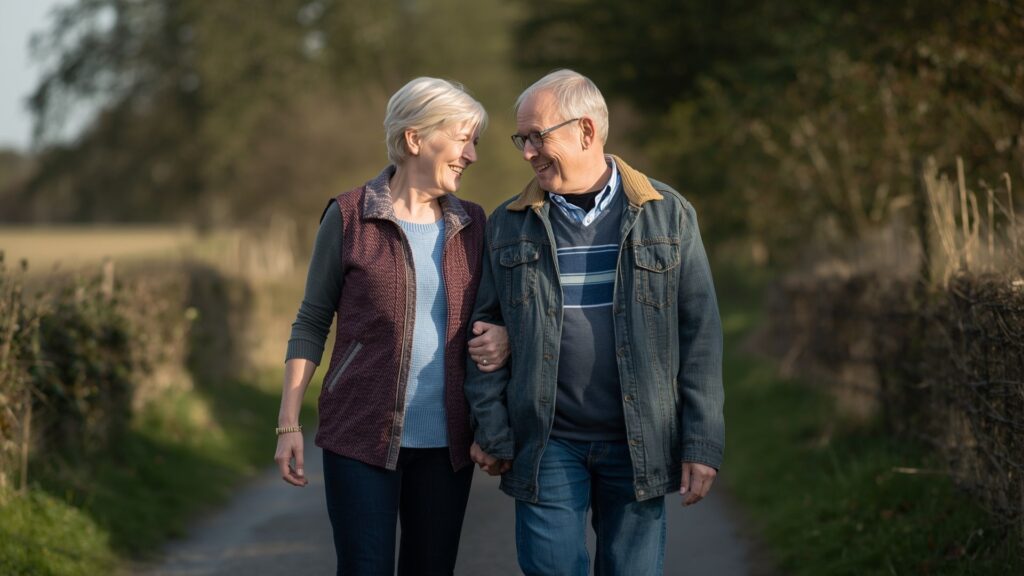
Couples who walk together report improved communication and relationship quality. Walking side-by-side creates natural opportunities for conversation without the intensity of face-to-face discussion. The shared direction and purpose foster partnership and connection.
Walking removes distractions present during home conversations. Television, phones, and household tasks compete for attention indoors. Outdoor walking creates protected time for meaningful dialogue. Many couples resolve conflicts more effectively during walks than through seated discussions.
Family walks build traditions and shared experiences. Children who walk regularly with parents develop lifelong healthy habits whilst enjoying quality time. Walking creates memories and strengthens bonds across generations. These relationship benefits demonstrate the reasons to start walking encompass emotional and social wellbeing alongside physical health.
Building Your Walking Practice for Mountain Adventures
Pat Falvey Irish & Worldwide Adventures guides over 2,000 people to mountain summits annually. Every successful expedition begins with consistent walking practice. Building daily walking habits establishes the endurance foundation required for mountain challenges.
Training for Kilimanjaro expeditions starts with regular walks at sea level. Participants gradually increase distance and incorporate elevation gain as fitness improves. This progressive approach prevents injury whilst building confidence for the summit attempt.
Walking practice also reveals equipment preferences and potential issues. Breaking in boots during training walks prevents blisters during expeditions. Testing layering systems during varied weather conditions ensures proper preparation. These practical benefits make consistent walking essential for mountain readiness.
Creating Your Personal Walking Routine

Establishing a walking routine requires planning and consistency. Morning walks energize the day and ensure completion before competing demands arise. Evening walks provide decompression after work and improve sleep quality. Choose the timing that fits your schedule and preferences.
Start with achievable goals that build momentum. Three 15-minute walks weekly creates a sustainable foundation. Gradually increase frequency and duration as walking becomes habitual. Track progress through a simple log or mobile application to maintain motivation.
Walking partners provide accountability and social connection. Join a walking group or recruit friends for regular walks. The social commitment increases adherence whilst making walks more enjoyable. Group walks also introduce new routes and maintain variety.