
The greatest race ever run was not won by the fastest athlete. In 1968, eight Special Olympics competitors in Seattle showed the world that true victory lies not in individual glory, but in collective humanity. This extraordinary moment, witnessed by over 50,000 spectators, transformed a 100-metre sprint into a lesson about teamwork, compassion, and what it truly means to succeed together.
The ability to work together and create environments where everyone can thrive remains one of humanity’s most essential attributes. Pat Falvey Irish & Worldwide Adventures has witnessed this principle countless times on mountain expeditions, where teams cross finishing lines together regardless of individual pace. This guide explores the profound lessons from the greatest race in Special Olympics history and how its principles apply to modern teamwork, leadership, and personal achievement.
The 1968 Seattle Special Olympics: Setting the Stage
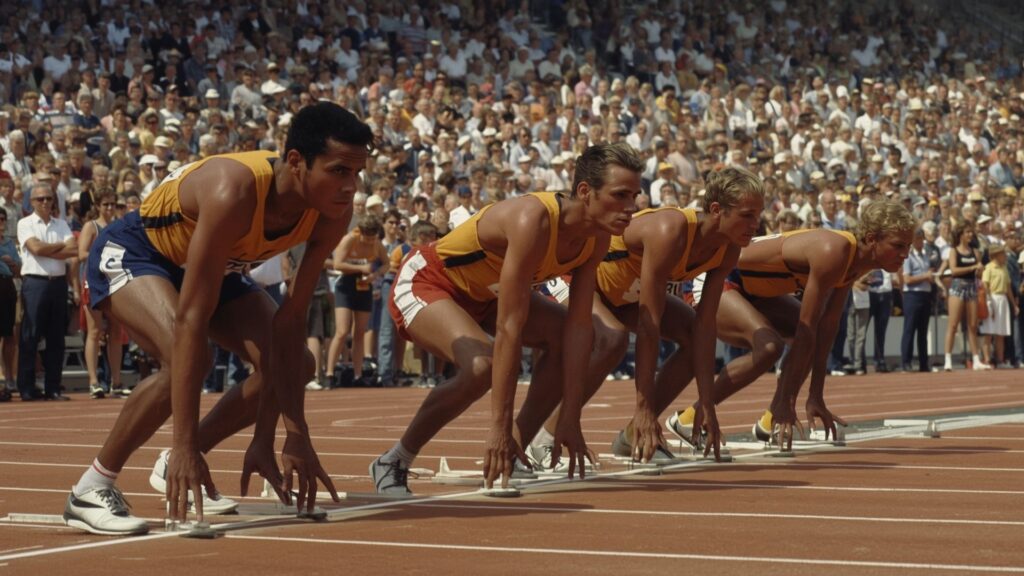
The 1968 Special Olympics in Seattle marked a pivotal moment in athletic history. Eight determined athletes lined up for the 100-metre sprint, each having trained intensively for this defining moment. The tension at the starting blocks was palpable as competitors prepared to chase their Olympic dreams.
The Special Olympics movement, founded just a year earlier in 1968 by Eunice Kennedy Shriver, had created opportunities for athletes with intellectual disabilities to compete at the highest levels. These eight runners represented thousands of athletes who had fought for recognition, respect, and the chance to prove their abilities on an international stage.
The Athletes and Their Preparation
Each competitor had spent months preparing for this race. They had worked with coaches, refined their technique, and built the physical conditioning required for elite-level sprinting. The 100-metre distance demanded explosive power, precise form, and mental fortitude. These athletes possessed all three qualities in abundance.
The crowd of 50,000 spectators created an atmosphere of excitement and anticipation. Families, supporters, and sports enthusiasts from around the world had gathered to witness athletic excellence. Nobody present could have predicted that they were about to witness the greatest race in Special Olympics history—one that would transcend sport itself.
What Happened During the Greatest Race
The starter’s pistol cracked, and eight athletes exploded from their blocks. The race began like any other competitive sprint, with runners driving hard down the track towards the finish line. Then, within seconds, everything changed in a way that would echo through sporting history.
The Fall That Changed Everything
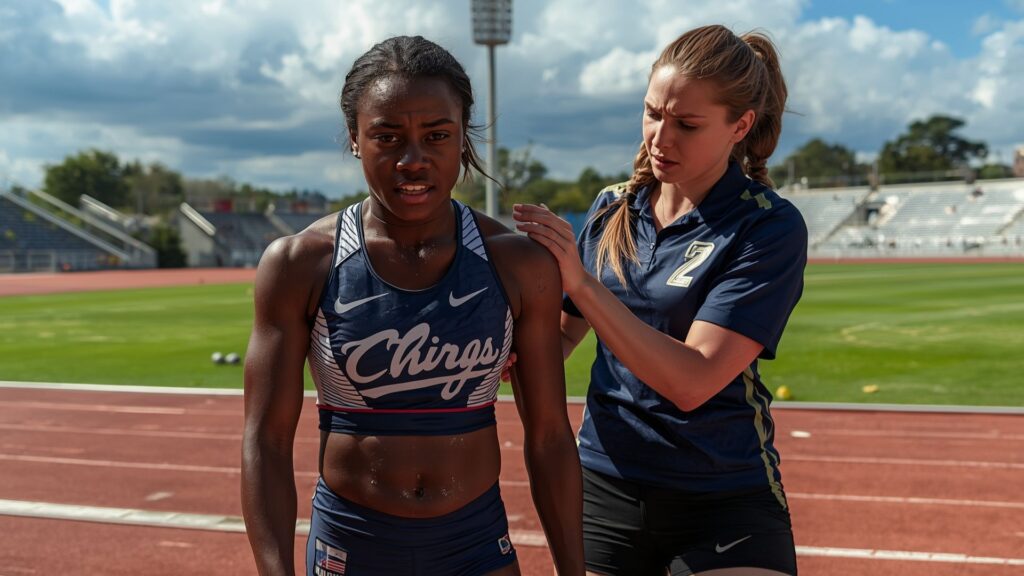
One girl stumbled awkwardly off the starting blocks and fell to the ground. The crowd gasped collectively as the other seven athletes continued sprinting forward. In conventional competitive racing, this would have been the end of that athlete’s chance at victory. The race would continue, a winner would be crowned, and the fallen competitor would face disappointment.
But this was no conventional race. What happened next elevated it to the greatest race ever witnessed.
The girl in second-to-last position noticed her fallen competitor. She stopped running. The crowd released another gasp—this time of amazement rather than dismay. The athlete turned around and began walking back towards the girl crying on the track.
The Decision That Defined Victory
Then something even more remarkable occurred. One by one, the remaining athletes realised what had happened. Each girl stopped running, turned around, and walked back to their fallen teammate. Seven competitors who could have crossed the finish line ahead chose instead to return.
The eight athletes linked hands together. With the fallen girl now standing among her competitors-turned-teammates, they walked together down the track. The 50,000 spectators watched in stunned silence as these extraordinary young women redefined what it means to win.
They crossed the finish line together, hand in hand. All eight athletes received gold medals for what remains the greatest race in Special Olympics history—not because of speed or athletic prowess, but because of their demonstration of unity, compassion, and collective triumph.
Why the Greatest Race Matters for Modern Teams
The principles demonstrated in the greatest race apply directly to modern business, expedition teams, and family units. Pat Falvey has guided over 2,000 climbers to summits across seven continents, and every successful expedition embodies the same principle: teams succeed or fail together.
From Competition to Collaboration
Modern workplaces have spent decades operating under “divide and conquer” principles. Individual achievement has been prioritised over collective success. Performance reviews measure personal metrics rather than team contributions. This approach has created environments where colleagues compete rather than collaborate.
The greatest race challenges this paradigm fundamentally. Those eight athletes could have pursued individual glory. Seven of them would have medalled. But they recognised something more valuable than personal achievement: the power of collective victory.
Research from expedition mountaineering supports this principle. On Carrauntoohil, Ireland’s highest peak at 1,038 metres, guided groups consistently outperform solo climbers in both safety metrics and summit success rates. Pat Falvey’s guided Carrauntoohil hikes maintain a 100% safety record precisely because teams look after one another.
The “All for One, One for All” Philosophy in Practice
The motto demonstrated in the greatest race—”all for one and one for all”—operates effectively across multiple contexts. On Kilimanjaro expeditions, where Pat Falvey has led 65+ successful climbs, summit success depends on the entire team moving at the pace of the slowest member.
High-altitude mountaineering provides the clearest demonstration of this principle. On Everest Base Camp treks at 5,364 metres elevation, altitude sickness can strike anyone regardless of fitness level. Strong climbers must sometimes descend with struggling teammates, sacrificing their own summit chances to ensure everyone’s safety.
This mirrors the greatest race perfectly. The fastest athletes sacrificed certain victory to ensure their teammate did not face defeat alone. In doing so, they all became winners in a way that individual achievement could never accomplish.
Lessons from the Greatest Race for Leadership
Leaders who study the greatest race discover profound insights about effective team management and organisational culture. The eight athletes demonstrated leadership principles that apply across industries, organisations, and personal relationships.
Creating Environments Where Everyone Succeeds
The first lesson from the greatest race involves creating conditions where collective success becomes possible. Leaders must design systems that reward collaboration over individual competition. This requires intentional culture-building and clear communication about shared values.
Pat Falvey’s approach to expedition leadership embodies this principle. On multi-day treks like the Camino de Santiago, team members develop bonds that transform individual hikers into unified groups. The shared challenge creates natural opportunities for mutual support and collective achievement.
Business leaders can implement similar approaches through project structures that require interdependence, recognition systems that celebrate team accomplishments, and performance metrics that measure collective outcomes alongside individual contributions.
Recognising When to Stop Racing
The second lesson from the greatest race involves knowing when to stop competing and start supporting. The athletes who turned back made split-second decisions that prioritised relationship over rivalry. This requires both situational awareness and deeply held values about what matters most.
In mountaineering contexts, this decision-making proves literally life-saving. Experienced guides on peaks like Mount Toubkal in Morocco’s Atlas Mountains at 4,167 metres regularly make the call to turn back teams when conditions deteriorate, even when summit success seems within reach.
Corporate leaders face similar decisions when project pressures threaten team wellbeing, when competitive practices damage workplace culture, or when short-term gains require sacrificing long-term relationships. The greatest race reminds us that some victories cost too much if they require leaving others behind.
Applying Greatest Race Principles to Adventure and Expeditions
The greatest race offers direct lessons for outdoor adventures and mountain expeditions. Pat Falvey Irish & Worldwide Adventures operates on principles that mirror those demonstrated by the eight Special Olympics athletes in 1968.
Team Dynamics on Challenging Terrain
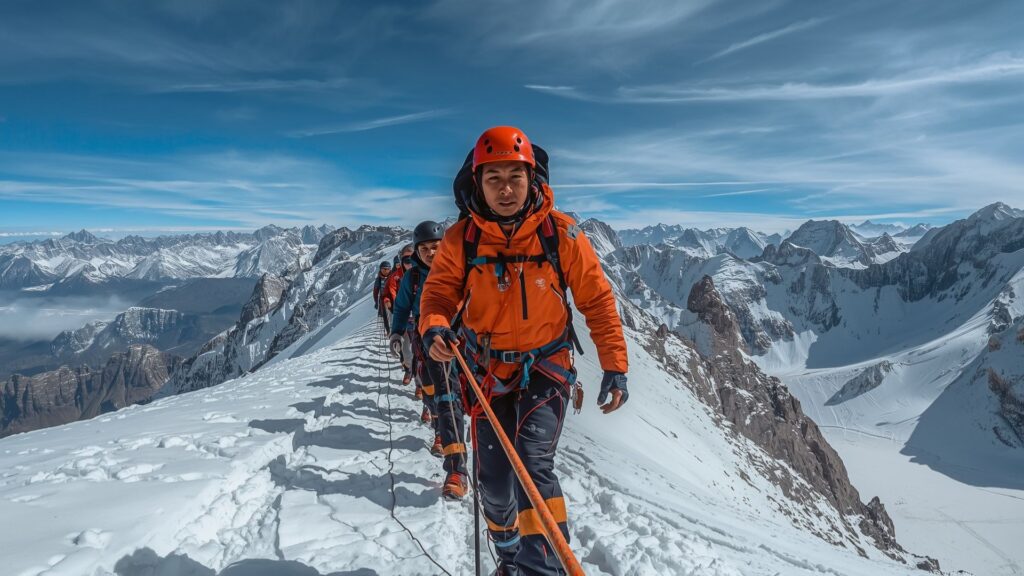
On technical peaks like Island Peak and Everest Base Camp combined expeditions, teams face challenging conditions that test both physical capability and interpersonal bonds. The greatest race demonstrates that team cohesion matters more than individual strength when facing difficult challenges.
Expedition teams regularly encounter situations where faster, stronger members must adjust pace to keep the group together. On Aconcagua expeditions at 6,962 metres in Argentina, altitude affects people differently. Some acclimatise quickly while others struggle. Successful teams move at collective pace rather than individual capacity.
This mirrors the greatest race perfectly. The linked hands of eight athletes walking together represent the rope teams that connect climbers on glaciated terrain. Everyone moves together, supporting one another through challenging sections, celebrating collective progress rather than individual achievement.
The Role of Guides and Leaders
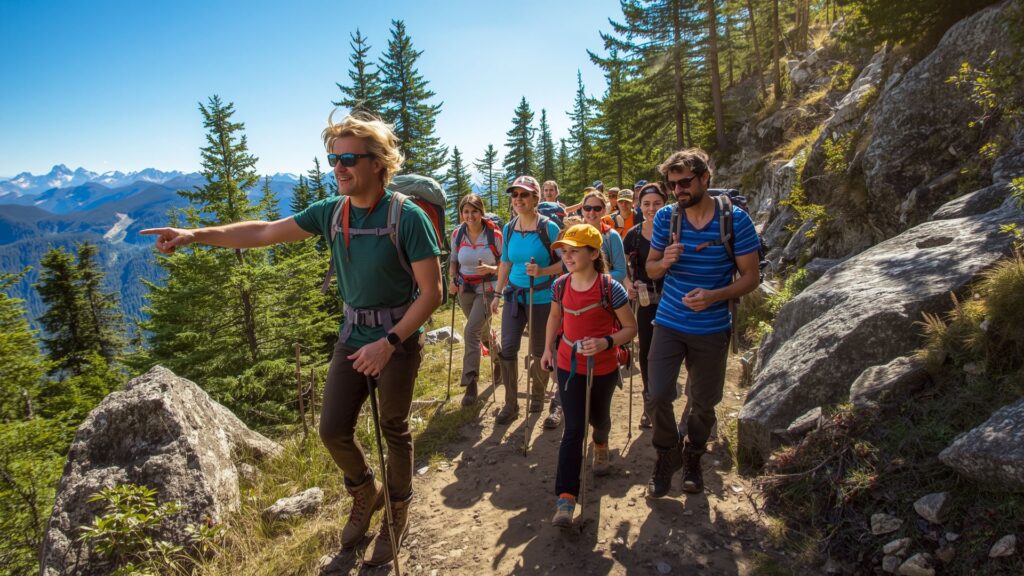
Professional mountain guides embody the principles of the greatest race daily. Their role involves ensuring entire teams succeed rather than maximising individual summit rates. This requires constant attention to group dynamics, individual capabilities, and collective wellbeing.
On treks like Salkantay and Machu Picchu in Peru, guides adjust daily itineraries based on team needs rather than rigid schedules. If someone struggles with altitude, the entire group modifies plans. This approach mirrors the decision made by those Special Olympics athletes to prioritise collective success over individual achievement.
How the Greatest Race Challenges Modern Values
The greatest race stands in stark contrast to many modern values around competition, individual achievement, and success metrics. Those eight athletes challenged assumptions that remain deeply embedded in contemporary culture.
Redefining Success and Victory
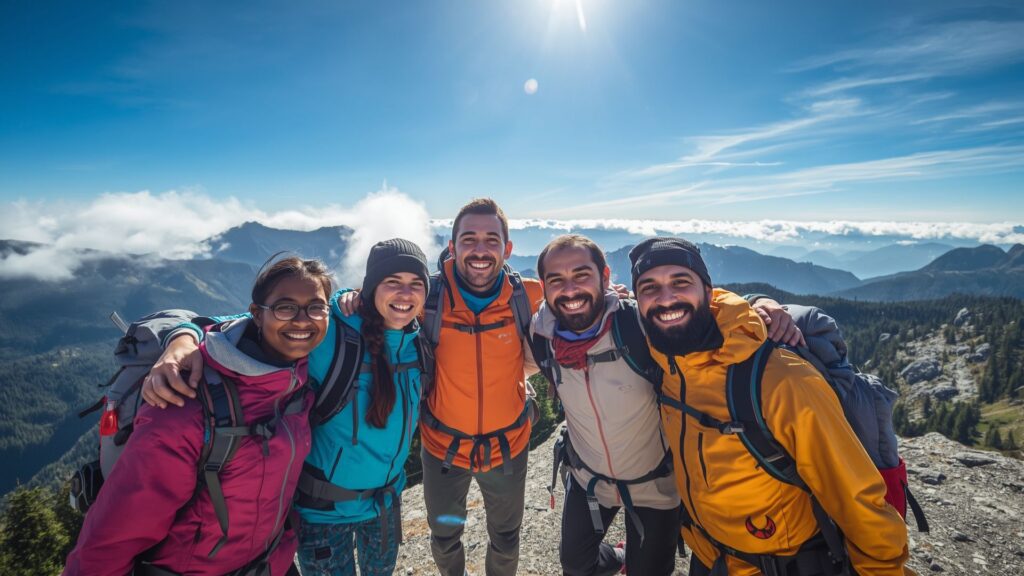
Modern society typically defines success through individual metrics. Salary levels, job titles, personal achievements, and competitive victories serve as primary indicators of whether someone has “succeeded.” The greatest race offers a fundamentally different definition.
The eight athletes who received gold medals did not run the fastest times. They did not break records or demonstrate superior athletic ability. They won because they refused to accept a paradigm where one person’s fall meant permanent defeat. Their victory lay in collective action and mutual support.
Pat Falvey’s mountaineering philosophy reflects this alternative definition. On Annapurna Base Camp treks in Nepal’s Himalayas, success means everyone returns home safely rather than everyone reaching the base camp. Summit success rates matter less than team wellbeing and collective positive experiences.
The Cost of “Divide and Conquer” Approaches
The greatest race reminds us what has been lost through decades of “divide and conquer” workplace cultures. Competition between colleagues, performance rankings that create winners and losers, and reward systems that benefit individuals at team expense have created environments where mutual support feels risky or naive.
Research consistently demonstrates that collaborative teams outperform competitive ones across most metrics. Innovation increases when people share ideas freely. Problem-solving improves when diverse perspectives combine. Employee retention rises in supportive environments. Yet many organisations continue prioritising individual competition.
The eight athletes in the greatest race chose collaboration instinctively. They did not require management mandates or incentive restructuring. They recognised their shared humanity and acted accordingly. Modern leaders would do well to create conditions where such instincts flourish rather than requiring suppression.
The Greatest Race and Family Dynamics
The principles from the greatest race apply equally to family relationships and household dynamics. Families function best when members support one another’s success rather than competing for limited resources, attention, or recognition.
Creating Family Cultures of Mutual Support

Families that adopt “all for one, one for all” philosophies create environments where children and adults alike feel secure, valued, and supported. This requires intentional culture-building where collective achievements receive celebration alongside individual accomplishments.
The Mountain Lodge in Beaufort, Kerry, provides family retreat experiences where these principles come alive. Families undertake challenges together, supporting one another through difficult moments, celebrating collective achievements, and building bonds through shared adventure.
The greatest race demonstrates that age, ability, and circumstances matter less than commitment to mutual support. Families that embrace this principle create resilience that extends across generations and through life’s inevitable challenges.
Practical Steps to Implement Greatest Race Principles
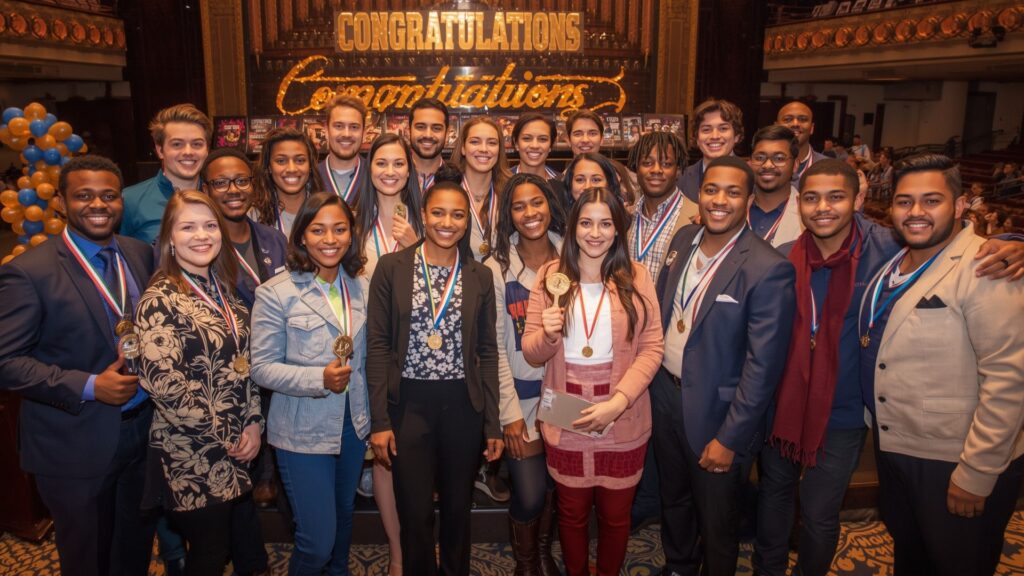
Understanding the greatest race provides inspiration, but practical implementation requires concrete steps and sustained commitment. Here are actionable approaches for bringing these principles into your team, organisation, or family.
Step 1: Establish Shared Values
Begin by articulating values that prioritise collective success. Pat Falvey Speaker presentations help organisations define and communicate these foundational principles. Teams need clear understanding of what matters most: individual achievement or collective triumph.
Step 2: Redesign Recognition Systems
Modify reward and recognition systems to celebrate team accomplishments alongside individual achievements. Consider implementing Gift Vouchers for team experiences rather than individual bonuses. Shared adventures build bonds that monetary rewards cannot create.
Step 3: Create Opportunities for Shared Challenge
The greatest race occurred during athletic competition, but the principles emerge most clearly during shared challenges. Team expeditions, collective projects, and group initiatives provide natural contexts for mutual support and collaborative achievement.
Step 4: Model the Behaviour
Leaders must demonstrate the principles they wish to see. This means visibly prioritising team success over personal recognition, turning back to support struggling colleagues, and celebrating collective victories even when individual contributions vary.