
Pat Falvey and Clare O’Leary made the difficult decision to turn back from their North Pole expedition in 2018, marking the first time in Pat’s 68 recorded adventures that such a decision became necessary. The Irish adventurer addresses the reasons behind the abort, the team’s emotional response, and plans moving forward. This account examines expedition decision-making, safety protocols, and the resilience required when extreme conditions force teams to turn back.
The Decision to Turn Back from the North Pole
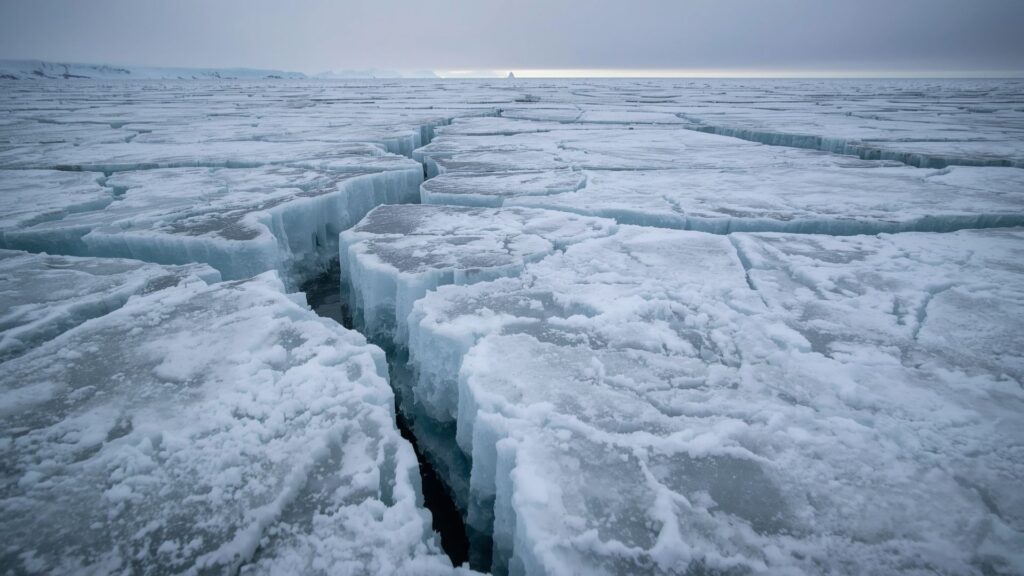
Pat Falvey and expedition partner Clare O’Leary faced conditions that required them to turn back from their North Pole attempt in June 2018. The decision marks a significant moment in Pat’s 30-year career, representing his first expedition abort across 68 documented adventures worldwide.
Pat Falvey Irish & Worldwide Adventures operates with strict safety protocols developed over three decades of guiding expeditions. The decision to turn back stems from environmental conditions that exceeded acceptable risk parameters, demonstrating the company’s commitment to participant safety above summit success. Falvey describes the team as disappointed and disheartened but moving forward with future plans.
The North Pole expedition presented challenges distinct from Falvey’s previous Kilimanjaro expeditions and Everest Base Camp treks. Arctic conditions require different risk assessment criteria compared to high-altitude mountain environments. When circumstances demanded the team turn back, Falvey’s experience guided the abort decision.
Understanding Arctic Expedition Challenges That Force Teams to Turn Back
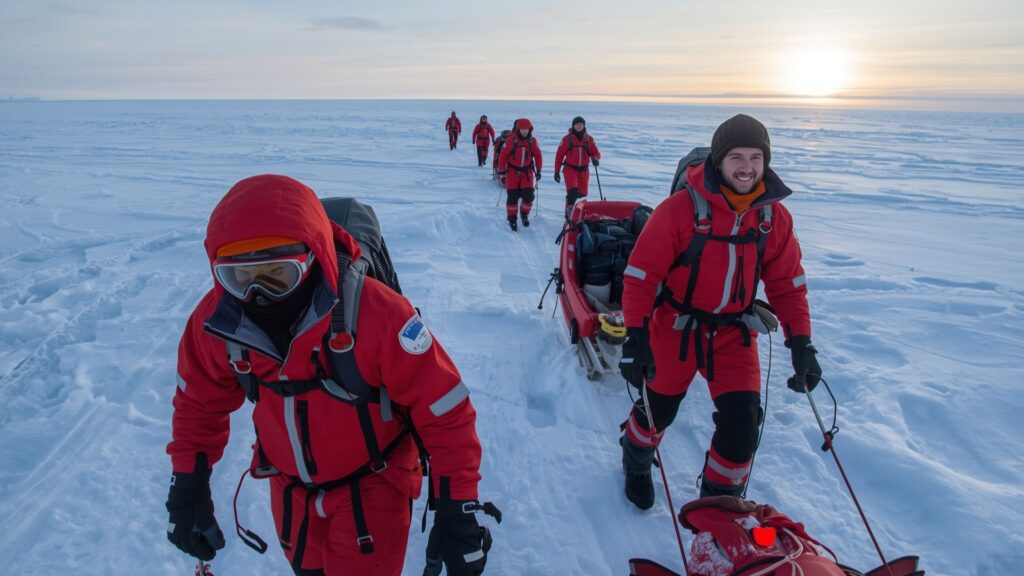
Arctic expeditions present unique hazards that differ from traditional mountain climbing. Ice stability, temperature extremes, and limited rescue infrastructure create conditions where teams must turn back more frequently than on established mountain routes.
The North Pole environment changes rapidly, with ice conditions deteriorating without warning. Teams navigate shifting ice floes, pressure ridges, and open water leads that can open within hours. These factors contribute to higher abort rates on polar expeditions compared to fixed mountain routes like those offered on Carrauntoohil guided hikes or Mount Toubkal expeditions.
Weather windows at the North Pole operate differently than in mountain environments. Temperature fluctuations affect ice integrity, creating scenarios where proceeding forward becomes more dangerous than choosing to turn back. Experienced guides recognise these conditions through decades of expedition leadership, applying lessons learned across multiple environments.
Risk Assessment Protocols for Polar Expeditions
Pat Falvey Irish & Worldwide Adventures applies systematic risk assessment developed through 68 expeditions worldwide. The protocols evaluate environmental conditions, team capabilities, and rescue logistics before determining whether to proceed or turn back.
Decision matrices account for multiple factors including ice stability, weather forecasts, team physical condition, and communication capabilities. When multiple risk factors align unfavourably, expedition leaders initiate abort procedures. The 2018 North Pole attempt demonstrated these protocols in action, with Falvey and O’Leary choosing to turn back rather than expose the team to unacceptable danger.
Pat Falvey brings experience from completing the Seven Summits twice and leading over 2,000 climbers to Kilimanjaro’s summit since 1995. This background informs decision-making on when conditions warrant turning back. The protocols developed through this experience now benefit participants on all Pat Falvey expeditions.
Lessons from 68 Expeditions: When Experience Dictates Turning Back
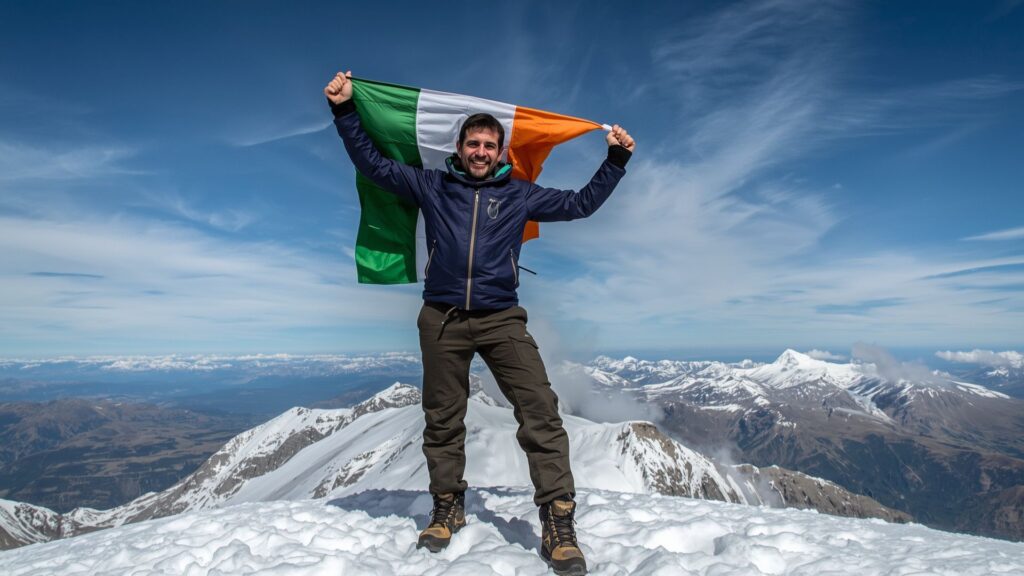
Pat Falvey’s career spans 68 documented adventures across six continents. The North Pole expedition represents the first time conditions required the team to turn back before reaching their objective, highlighting the exceptional safety record maintained across three decades.
Falvey’s achievements include dual ascents of Mount Everest, completion of the Seven Summits from both lists, and successful leadership of expeditions to Kilimanjaro, Aconcagua, and Denali. Each expedition contributes to a knowledge base that informs decisions on when environmental conditions exceed acceptable parameters. The choice to turn back from the North Pole demonstrates that summit success never supersedes participant safety.
Training programmes developed through this experience prepare future expedition members for various scenarios. Whether preparing for Annapurna Base Camp treks or Island Peak expeditions, participants learn decision-making protocols that prioritise safety. Falvey’s willingness to turn back from the North Pole reinforces these principles for all team members.
The Psychology of Deciding to Turn Back
Expedition leaders face psychological pressures when deciding to turn back from objectives. Investment in preparation, financial commitments, and personal expectations create bias towards continuing despite deteriorating conditions. Experienced guides develop mental frameworks to overcome these biases.
Pat Falvey describes the team as disappointed and disheartened by the decision to turn back, acknowledging the emotional impact of aborting an expedition. These emotions represent normal responses to unfulfilled objectives. Professional expedition leadership requires separating emotional responses from safety-based decision-making, ensuring participant welfare takes precedence over summit ambitions.
The North Pole abort provides teachable moments for future expeditions. Participants on subsequent Salkantay and Machu Picchu treks or Aconcagua climbs benefit from understanding that turning back represents sound judgment rather than failure. This mindset shift improves overall expedition safety across all programmes.
What’s Next After Turning Back: Continuing Training and Future Plans
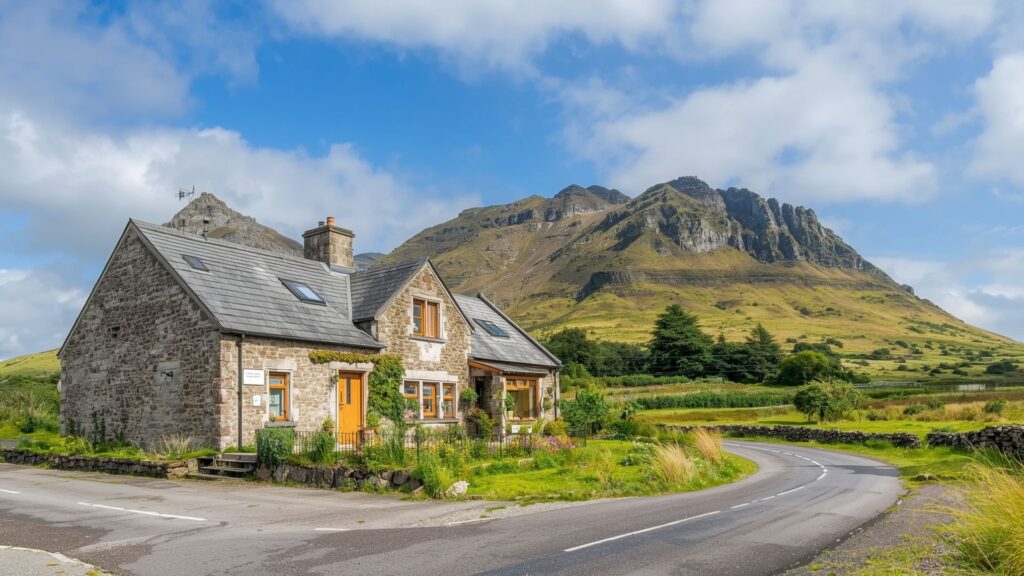
Training continues for other adventures following the North Pole decision to turn back. Pat Falvey Irish & Worldwide Adventures maintains scheduled expeditions to multiple destinations, with participant preparation proceeding for upcoming departures.
The company operates year-round programmes including Carrauntoohil guided hikes from The Mountain Lodge in Beaufort, County Kerry. Scheduled expeditions to Kilimanjaro, Everest Base Camp, and other destinations proceed as planned. The decision to turn back from one expedition does not impact preparation for subsequent adventures.
Falvey indicates plans for the coming months will become clear as the team evaluates options. The North Pole remains a potential future objective when conditions align favourably. Expedition planning accounts for multiple variables including weather patterns, ice conditions, and team readiness. Future attempts will apply lessons learned from the 2018 decision to turn back.
Maintaining Expedition Readiness Between Attempts
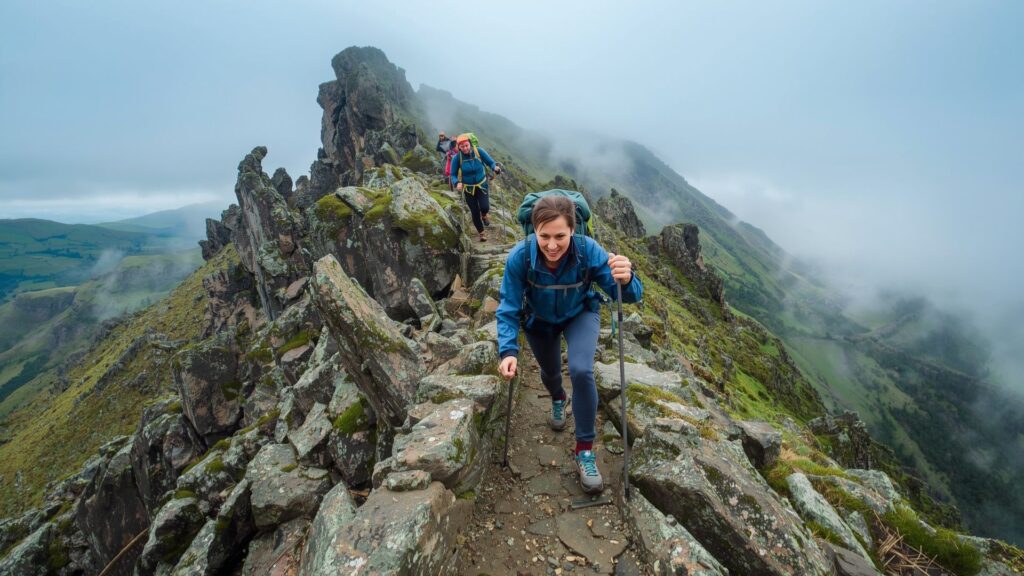
Teams that turn back from expeditions maintain fitness and skills for future attempts. Physical conditioning, technical skills training, and mental preparation continue during planning phases for subsequent expeditions.
Pat Falvey Irish & Worldwide Adventures offers training programmes that prepare participants for various expedition types. Whether targeting Camino de Santiago or technical climbs, structured preparation builds capabilities across multiple adventure categories. Teams that turn back from challenging objectives often apply gained experience towards successful completion on subsequent attempts.
The Mountain Lodge in Beaufort provides base facilities for training in the MacGillycuddy’s Reeks. Ireland’s highest peaks offer terrain for developing skills applicable to international expeditions. Local training maintains readiness between major expedition deployments, supporting continuous capability development.
Pat Falvey as Speaker and Mentor: Sharing Expedition Insights
Pat Falvey delivers presentations and mentoring sessions on expedition leadership, decision-making under pressure, and resilience. The North Pole decision to turn back provides material for discussions on risk management and prioritising safety over objectives.
Corporate audiences benefit from expedition decision-making frameworks applied to business contexts. The principles that guide choices about when to turn back from expeditions translate to project management, resource allocation, and strategic planning. Falvey’s speaker presentations draw from 68 expeditions to illustrate leadership concepts through real-world examples.
The audio recording accompanying this article captures Falvey discussing the North Pole decision in detail. His commentary addresses emotional responses, practical considerations, and forward planning. These insights benefit both aspiring adventurers and professionals seeking to improve decision-making frameworks within their organisations.
FAQs
Expedition costs remain fixed regardless of completion as logistics, permits, guides, and equipment expenses continue. Most companies do not refund weather-related aborts. Contact +353 64 6644 181 or info@patfalvey.com for specific policy details.
Abort rates vary by destination. North Pole expeditions see higher turn back rates than mountain routes due to rapidly changing ice conditions. Pat Falvey maintained 100 percent completion across 67 expeditions before the 2018 North Pole attempt.
Yes, teams can reattempt expeditions after turning back. Many mountaineers require multiple attempts for challenging objectives. Experience from turning back improves success rates on subsequent attempts through better preparation and route knowledge.
Expedition training includes decision-making protocols for various scenarios including when to turn back. Training at The Mountain Lodge covers physical conditioning, technical skills, and mental frameworks for responding to changing conditions.
Contact by phone at +353 64 6644 181 or email info@patfalvey.com. Gift vouchers are available for adventure experiences. Response times typically occur within 24-48 hours for expedition inquiries.