
Pat Falvey and Dr Clare O’Leary reached the summit of Mount Everest on 18th May 2004, completing one of Ireland’s most significant mountaineering achievements. Dr Clare O’Leary became the first Irish female to stand on the world’s highest peak at 8,849 metres. The expedition featured the Highest Puc Fada ever performed, combining Irish tradition with extreme altitude mountaineering. Pat Falvey completed his second Everest summit, becoming one of fewer than 50 climbers worldwide to reach the top from both the south Nepal and north Tibetan routes. The Highest Puc Fada demonstrated Irish cultural pride at the world’s highest point. The day brought triumph and tragedy as three climbers from other expeditions died descending through severe weather conditions.
The Historic 2004 Everest Expedition
The 2004 Irish Everest expedition operated from the south Nepal route during the spring climbing season. Pat Falvey led the team with support from four experienced Sherpa climbers who provided essential high-altitude expertise. The expedition lasted approximately eight weeks from base camp establishment to summit day.
Dr Clare O’Leary achieved her summit goal after years of preparation and previous high-altitude experience. The Highest Puc Fada performance at extreme altitude honoured Irish sporting heritage on the world stage. John Joyce accompanied the expedition as the third Irish climber, providing support during the ascent phases.
The Summit Team
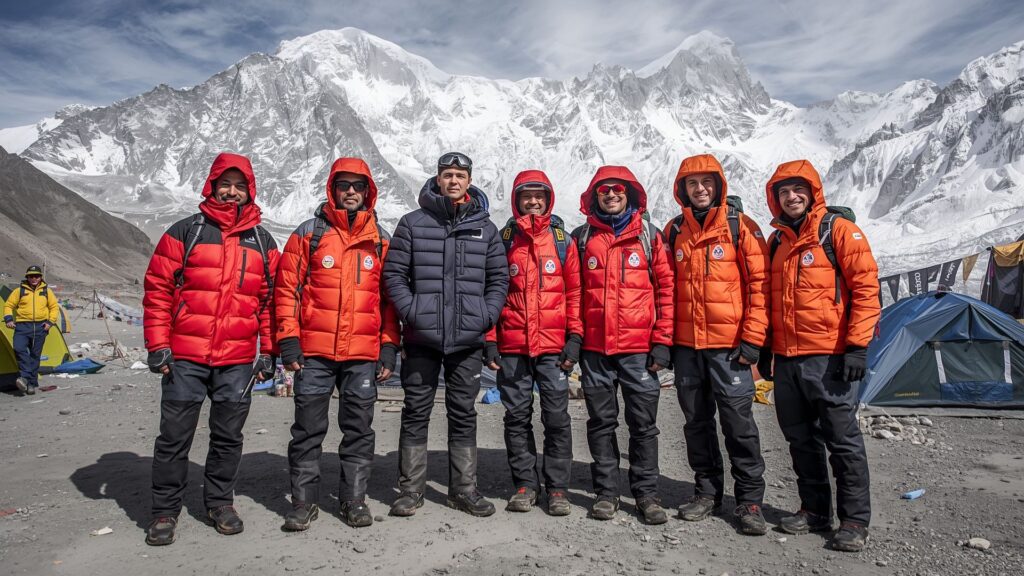
The expedition comprised a carefully selected team with proven mountaineering credentials and high-altitude experience.
Expedition Leader: Pat Falvey
Irish Climbers:
- Dr Clare O’Leary (first Irish female to summit Everest)
- John Joyce
Sherpa Support Team:
- Pemba Gyalje Sherpa (Sirdar)
- Phendon Sherpa
- Nima Sherpa
- Mingma Sherpa
The Sherpa team members brought decades of combined Everest experience. Pemba Gyalje served as Sirdar, coordinating logistics, route preparation, and safety protocols throughout the expedition. The support team fixed ropes, established camps, and managed oxygen supplies across the mountain’s upper reaches.
What Is the Highest Puc Fada?
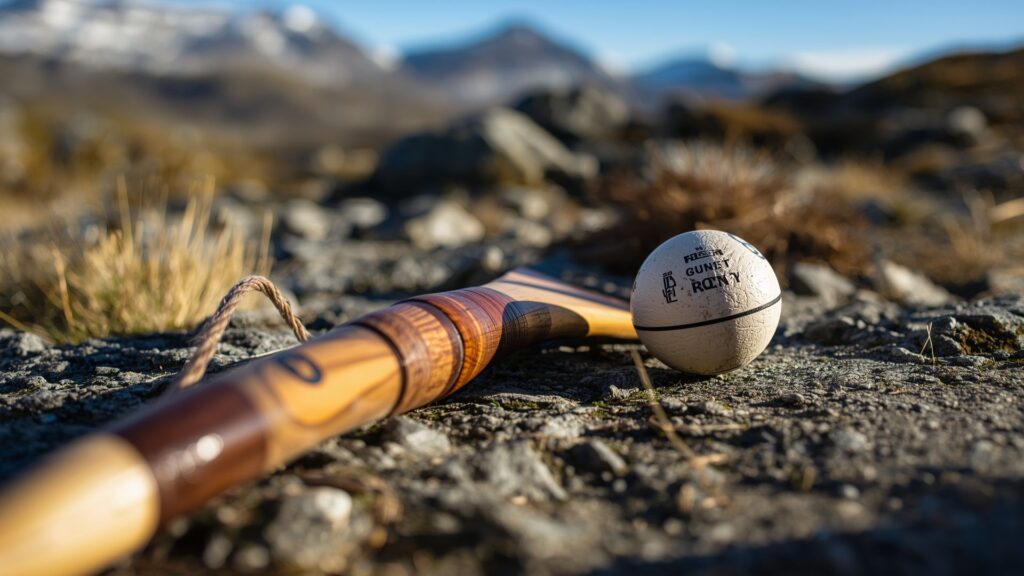
The Highest Puc Fada represents a unique achievement combining traditional Irish sport with extreme mountaineering. Puc Fada is an Irish hurling competition where players strike a sliotar (hurling ball) over the longest possible distance across open countryside. Pat Falvey and his team performed this traditional Irish game at Everest’s summit, creating the Highest Puc Fada record at 8,849 metres above sea level.
The feat required carrying hurling equipment through the mountain’s death zone where oxygen levels drop below 33% of sea level values. The Highest Puc Fada symbolised Irish cultural pride and generated significant media attention across Ireland. The achievement demonstrated that Irish traditions could reach the world’s highest point through determination and preparation.
Pat Falvey’s Double Everest Achievement
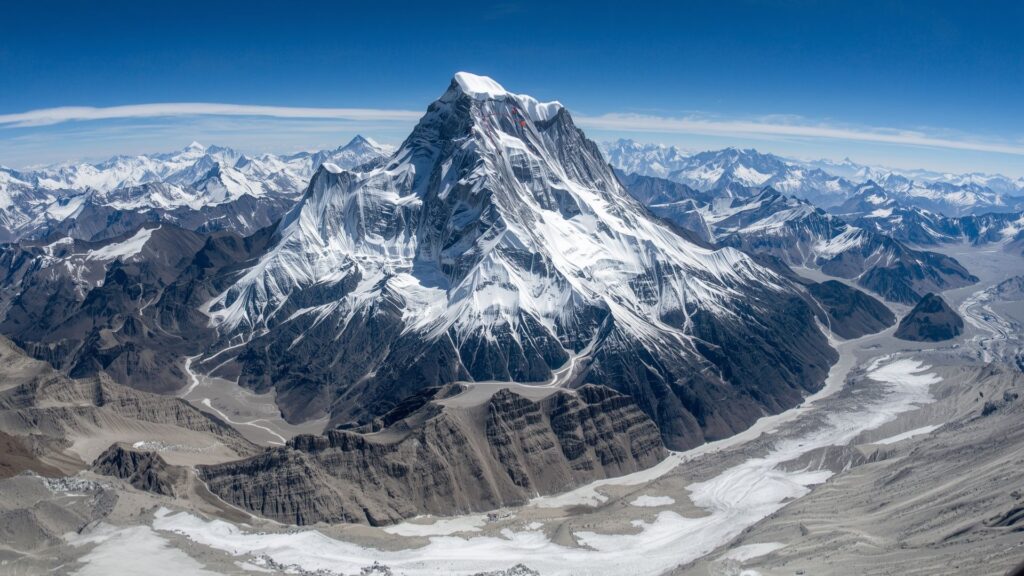
Pat Falvey became one of fewer than 50 mountaineers globally to summit Mount Everest via both the south Nepal route and the north Tibetan route. This achievement requires technical mastery of two distinct climbing approaches, each presenting unique challenges and hazards. The south route from Nepal follows the Khumbu Icefall, Western Cwm, Lhotse Face, and Southeast Ridge. The north route from Tibet ascends via the North Col, North Ridge, and technical rock sections near the summit pyramid.
Falvey completed his first Everest summit via the north route in 2003, returning the following year to lead the Irish team from the south. The double summit achievement demonstrates comprehensive understanding of Everest’s geography, weather patterns, and technical requirements. Fewer than 6,000 climbers have reached Everest’s summit from any route since 1953, making the double achievement exceptionally rare.
Pat Falvey’s experience on both routes provides essential knowledge for training future participants in guided Everest Base Camp treks with Irish adventurers.
The Tragedy of 18th May 2004
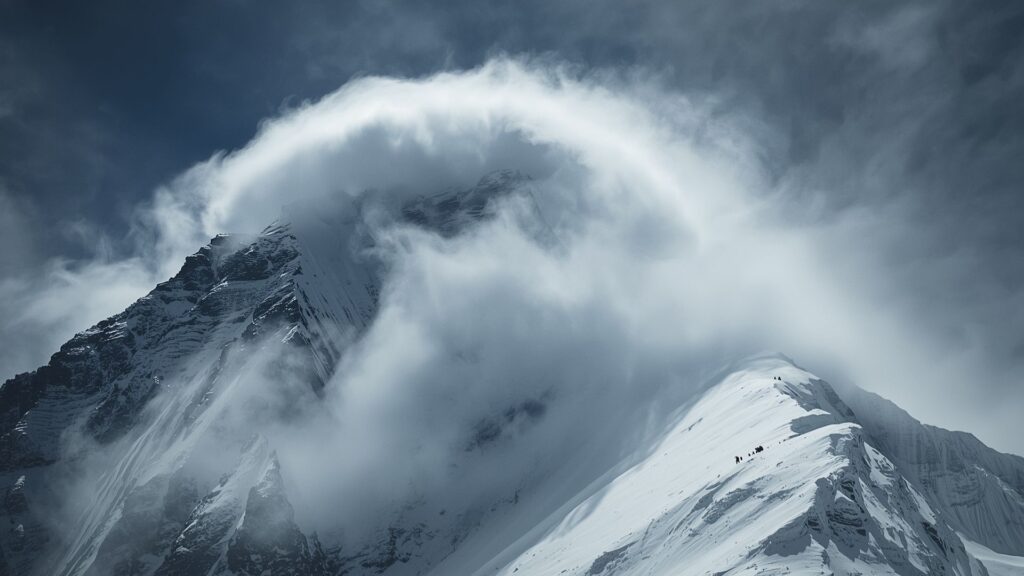
The summit day brought both celebration and profound loss. Three climbers from separate expeditions reached Everest’s summit but died during their descent. Severe weather conditions developed rapidly, with jet stream winds exceeding 100 kilometres per hour battering the mountain’s upper slopes. The incoming storm system reduced visibility and accelerated hypothermia risks for climbers caught above 8,000 metres.
The deaths highlighted Everest’s unforgiving nature even on successful summit days. Most Everest fatalities occur during descent when climbers face exhaustion, depleted oxygen supplies, and deteriorating weather. The 2004 season recorded multiple deaths on the mountain, maintaining Everest’s death rate of approximately 4% for summit attempts. Pat Falvey’s team descended safely through the deteriorating conditions, demonstrating the value of experienced leadership and conservative decision-making in extreme environments.
Dr Clare O’Leary: Ireland’s First Female Everest Summiter
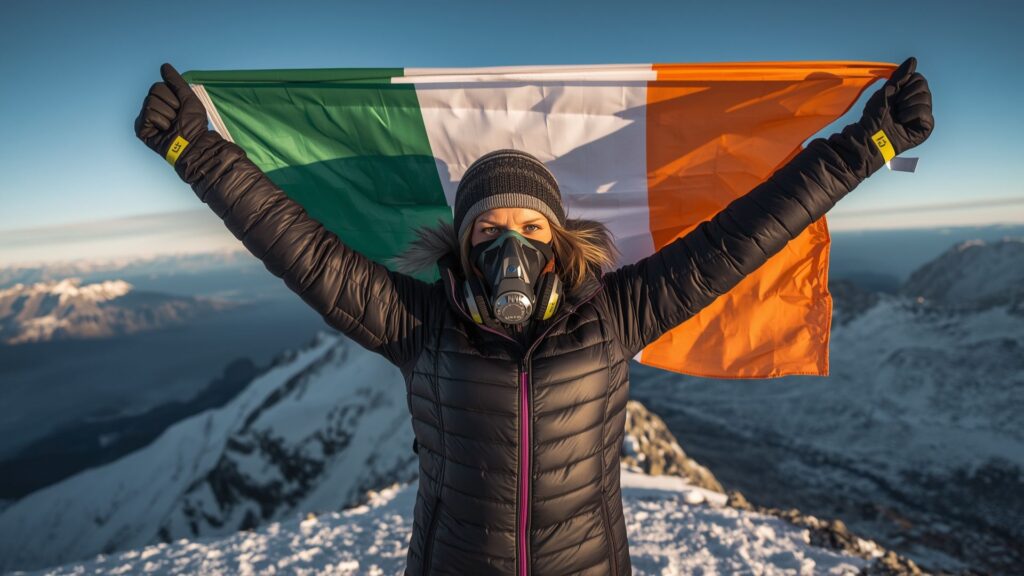
Dr Clare O’Leary achieved her historic summit after extensive preparation combining medical expertise with mountaineering experience. As a medical doctor, O’Leary understood the physiological challenges of extreme altitude, including acute mountain sickness, high-altitude pulmonary oedema, and high-altitude cerebral oedema. Her training incorporated cardiovascular conditioning, strength development, and previous high-altitude expeditions to peaks above 6,000 metres.
O’Leary’s achievement opened pathways for Irish female mountaineers, demonstrating that technical skill, preparation, and mental resilience matter more than gender at extreme altitude. Since 2004, several Irish women have followed O’Leary’s route to Everest’s summit. Her medical background contributed to safer expedition practices, informing health monitoring protocols and acclimatisation schedules for Irish teams.
Dr O’Leary continues to inspire climbers through Pat Falvey’s Kilimanjaro expeditions and other international programmes.
Preparing for Everest: Training and Acclimatisation
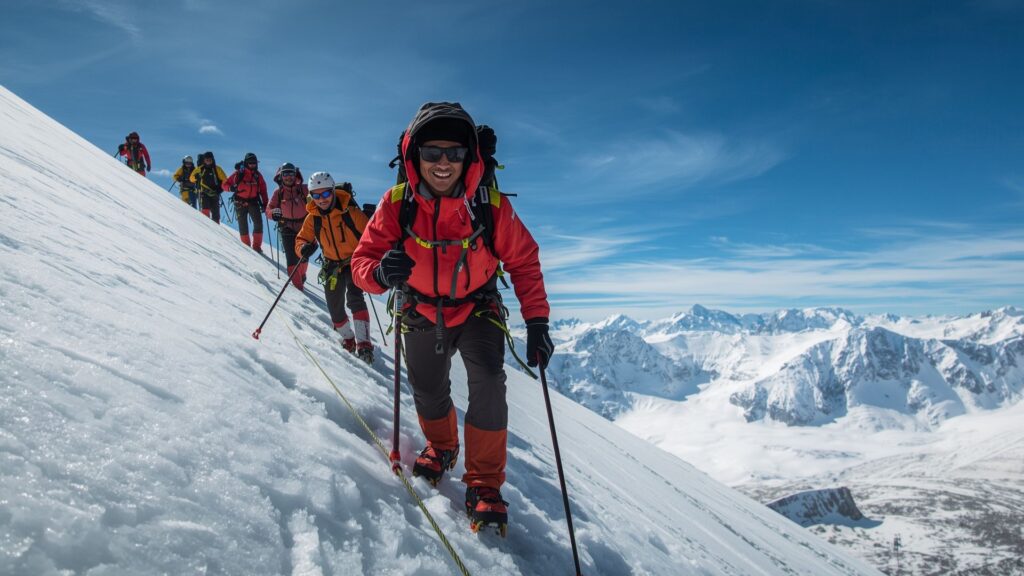
The 2004 expedition’s success resulted from meticulous preparation spanning 18 months before departure. Training requirements for Everest include cardiovascular fitness equivalent to running 10 kilometres with minimal effort, strength for carrying 15-kilogram loads at altitude, and technical skills in crampon use, fixed rope ascension, and glacier travel.
Acclimatisation represents the most critical preparation phase, requiring gradual altitude exposure to stimulate red blood cell production and physiological adaptation. The 2004 team spent seven weeks on Everest, making multiple rotations to progressively higher camps. This approach reduced altitude sickness risks and improved summit success probability.
Modern expeditions led by Pat Falvey Irish & Worldwide Adventures apply these proven protocols across Himalayan adventures and guided Carrauntoohil hikes in Ireland. The training principles developed through Everest expeditions translate to all high-altitude objectives worldwide.
The Cultural Significance of the Highest Puc Fada
Performing the Highest Puc Fada at Everest’s summit connected Irish heritage with global mountaineering achievement. Hurling, Ireland’s ancient field sport dating back over 3,000 years, found expression at 8,849 metres where physical exertion challenges human survival. The act required carrying a hurley and sliotar through camps where every gram matters and exhaustion threatens every climber.
The Highest Puc Fada generated significant media attention in Ireland, raising public awareness of mountaineering achievements and Irish capabilities at extreme altitude. The symbolic gesture demonstrated that Irish identity, traditions, and sporting culture could reach the world’s highest point. Similar cultural expressions at Everest have included musicians playing instruments, artists creating works, and athletes performing sporting feats.
The legacy of the Highest Puc Fada continues through Pat Falvey’s motivational speaking engagements where the story illustrates determination, preparation, and cultural pride. The achievement features in presentations to corporate audiences, schools, and sporting organisations across Ireland. For information about booking Pat Falvey as a motivational speaker, contact the team directly.
Mount Everest: Facts and Statistics
Understanding Everest’s scale requires examining factual data about the mountain’s characteristics and climbing history.
Mount Everest stands at 8,849 metres on the Nepal-Tibet border in the Himalayan range. Edmund Hillary and Tenzing Norgay completed the first summit on 29th May 1953. Approximately 11,000 summits have been recorded by the end of 2023, with over 310 climbers killed on the mountain. The summit success rate stands at approximately 60% of attempts.
The climbing season runs from April to May in spring and September to October in autumn. Temperature at the summit averages minus 36 degrees Celsius with regular wind gusts exceeding 160 kilometres per hour. The mountain’s extreme environment creates a death zone above 8,000 metres where prolonged exposure proves fatal without supplemental oxygen.
The 2004 expedition navigated these challenges through careful planning, experienced Sherpa support, and disciplined adherence to safety protocols established by Pat Falvey’s 30 years of expedition leadership.
After Everest: Continuing the Adventure
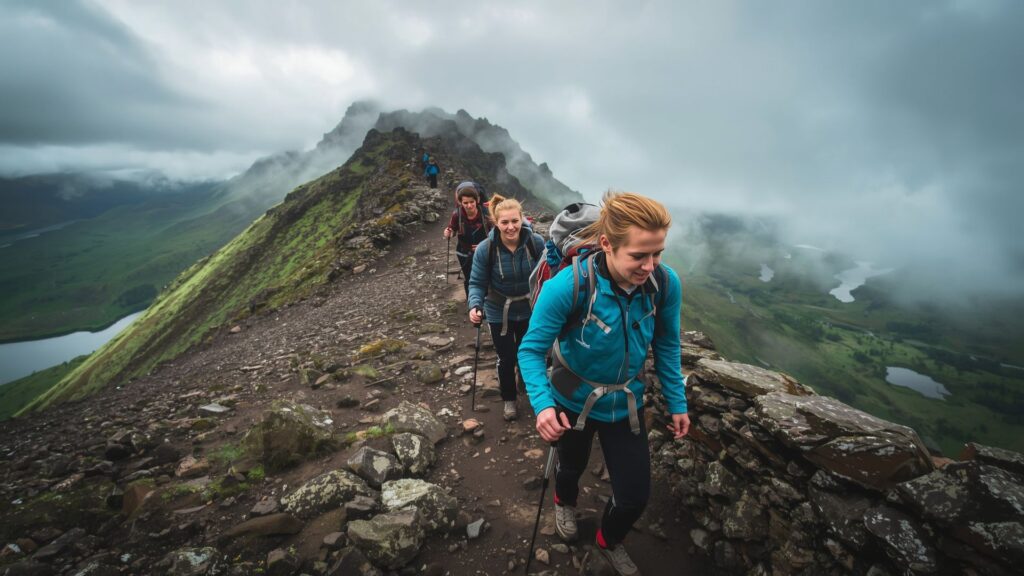
The 2004 Everest success represented one milestone in Pat Falvey’s broader mountaineering career spanning 65+ expeditions worldwide. Falvey completed the Seven Summits challenge twice, reaching the highest peak on each continent through different routes. His expedition company now guides Irish adventurers to destinations including Mount Kilimanjaro, Island Peak and Everest Base Camp, and Aconcagua in Argentina.
Dr Clare O’Leary’s achievement inspired Irish women to pursue high-altitude mountaineering goals previously considered inaccessible. The 2004 expedition demonstrated that Irish climbers could compete at the highest international level with proper preparation, experienced guidance, and determined commitment.
For those seeking adventures closer to home, Pat Falvey Irish & Worldwide Adventures offers accessible programmes including Camino de Santiago walking tours and Kerry-based mountain training. The company operates from The Mountain Lodge in Beaufort, County Kerry, providing accommodation and training facilities for adventure preparation. Adventure gift vouchers offer unique Irish experiences for birthdays, anniversaries, and special occasions.