
Climbing Mount Kilimanjaro represents a once-in-a-lifetime opportunity for adventurers worldwide. At 5,895 metres, Kilimanjaro stands as Africa’s highest peak and attracts climbers seeking to conquer the Roof of Africa. Success on Kilimanjaro depends on thorough preparation, and these tips for Kilimanjaro will help you achieve your summit goal. Pat Falvey Irish & Worldwide Adventures offers guided Kilimanjaro expeditions with professional mountain leaders who understand the challenges of high-altitude trekking. These tips for Kilimanjaro cover the essential preparation areas that determine whether climbers reach Uhuru Peak or turn back before the summit.
Climbing Skills Required for Kilimanjaro
Kilimanjaro does not require technical mountaineering skills or prior climbing experience. The mountain operates as an extended hiking trek rather than a technical climb. Climbers tackle one section called the Barranco Wall, which requires basic scrambling abilities using hands and feet on rock surfaces. Pat Falvey’s training weekends develop these fundamental skills for participants who lack boulder experience. The training sessions at The Mountain Lodge in Kerry provide hands-on practice with the techniques needed for the Barranco Wall section. Tips for Kilimanjaro beginners emphasise that these scrambling skills can be learned quickly with proper instruction.
Most Kilimanjaro routes follow well-established trails that demand endurance rather than technical expertise. The physical challenge comes from sustained daily hiking at increasing altitudes rather than difficult climbing manoeuvres.
Essential Gear for Kilimanjaro
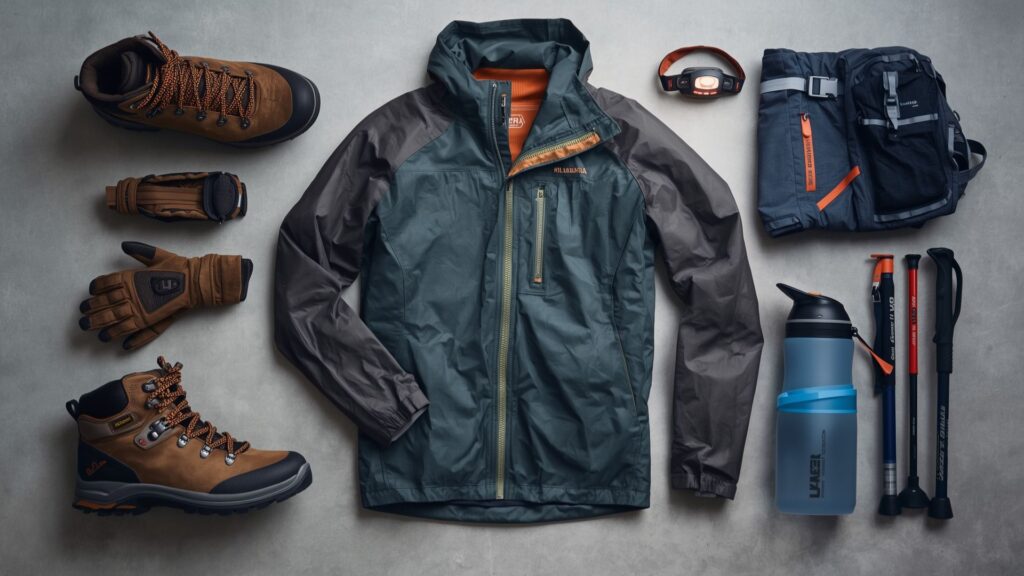
Proper equipment determines comfort and safety across Kilimanjaro’s four distinct climatic zones. The mountain’s environment ranges from tropical rainforest at the base to arctic conditions at the summit. Following tips for Kilimanjaro gear selection ensures you pack everything needed without carrying excessive weight.
Clothing Layering System
A three-layer clothing system provides the versatility needed for Kilimanjaro’s temperature variations. The base layer uses thermal materials that wick moisture away from skin. The middle fleece layer traps warm air and provides insulation. The outer shell jacket protects against wind and precipitation whilst allowing body moisture to escape. This layering approach lets climbers adjust their clothing as temperatures change throughout each trekking day.
Footwear and Accessories
High-quality hiking boots serve as the most critical equipment item for Kilimanjaro. Boots must fit comfortably with thick socks and provide ankle support across rocky terrain. Breaking in boots before the expedition prevents blisters during the trek. Gloves require the same layering consideration as body clothing. Lightweight liner gloves work for lower elevations, whilst insulated mountaineering gloves protect hands during the summit attempt. Trekking poles reduce stress on knees during descents and improve balance on uneven ground.
Pat Falvey’s equipment shop at the lodge in Beaufort stocks all necessary gear for Kilimanjaro treks. The staff provides guidance on selecting appropriate equipment for individual needs.
Fitness Preparation for Kilimanjaro
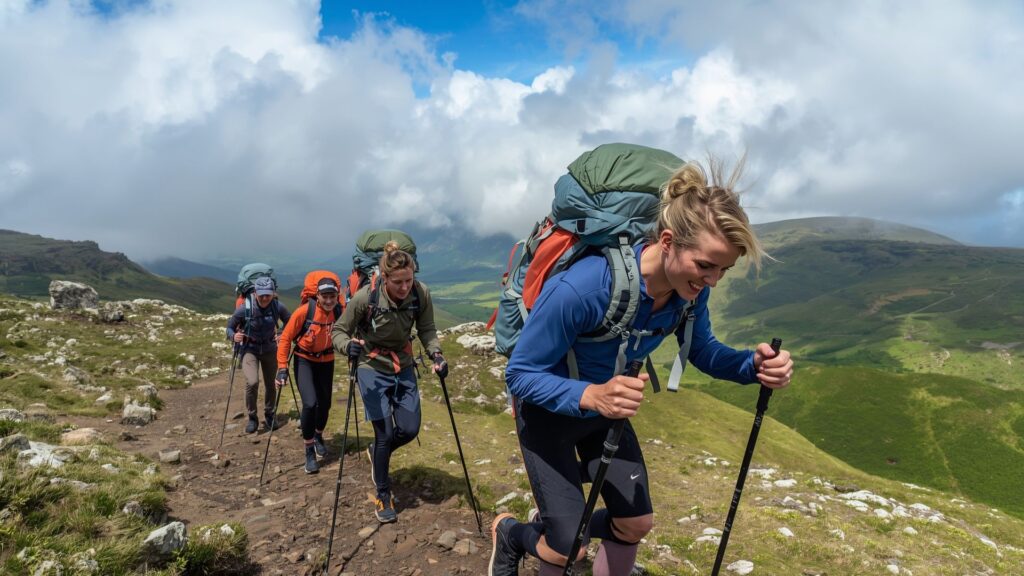
Physical conditioning improves summit success rates and makes the trekking experience more enjoyable. Kilimanjaro does not demand marathon-runner fitness levels, but adequate preparation proves essential. Tips for Kilimanjaro fitness training focus on building endurance rather than developing explosive strength or speed.
Training Requirements
Daily trekking on Kilimanjaro lasts 5-7 hours except summit day, which extends to 12-16 hours. Training builds the endurance needed for sustained hiking with a daypack. Practice hikes in local areas develop leg strength and cardiovascular fitness. Gradually increasing hiking duration and elevation gain over 12-16 weeks prepares the body for Kilimanjaro’s demands. Weekend training sessions with Pat Falvey simulate summit day conditions and help climbers assess their readiness. These training experiences also familiarise participants with the mental challenges of pre-dawn summit attempts.
Acclimatisation Strategies on Kilimanjaro
The body adapts to reduced oxygen levels at altitude when given sufficient time. Altitude affects every climber differently regardless of fitness level. Understanding altitude physiology and following proven acclimatisation practices significantly improves summit success rates.
Pole Pole Philosophy
The Swahili phrase “pole pole” translates to “slowly slowly” and represents the fundamental approach to Kilimanjaro trekking. Guides and porters repeat this mantra throughout the climb. Moving slowly at all elevations, including the lower mountain sections, conserves energy and aids acclimatisation. Rushing or overexertion at any stage compromises the body’s ability to adapt to altitude. The pole pole pace feels unnaturally slow to fit climbers, but this measured approach delivers better summit success rates.
Climb High, Sleep Low
This mountaineering principle involves hiking to higher elevations during the day before descending to sleep at lower camps. The body experiences altitude stress for limited periods before recovering overnight at lower elevations. Pat Falvey’s Kilimanjaro itineraries include dedicated acclimatisation days that maximise this adaptation process. These rest days involve hiking to higher elevations before returning to the same camp for the night.
Hydration for Altitude
Consuming 3 litres of water daily helps prevent altitude sickness symptoms. Dehydration intensifies altitude effects and reduces physical performance. Drinking water even without feeling thirsty maintains proper hydration levels. The body loses more moisture through respiration at altitude, making consistent fluid intake crucial throughout the trek.
Nutrition on Kilimanjaro
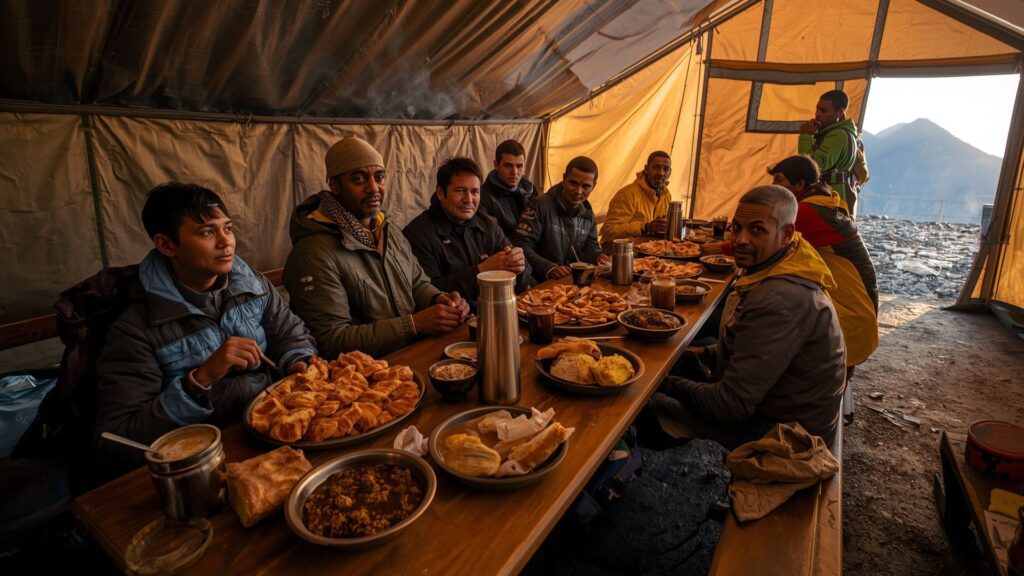
Proper eating maintains energy levels and supports altitude acclimatisation. The camp kitchen staff prepare three meals daily with substantial calories to fuel the physical demands of high-altitude trekking.
Daily Meals
Breakfast includes tea, coffee, bread with spreads, porridge, sausages, and eggs. Lunch consists of soup, bread, and either cooked stew or sandwiches. Dinner mirrors lunch offerings with additional variety. These meals provide carbohydrates and proteins needed for sustained energy output. Supplemental snacks between meals maintain blood sugar levels and combat hunger. Aiming for three snacks daily ensures consistent energy availability.
Eating with Altitude Sickness
Nausea and appetite loss represent common altitude sickness symptoms. Climbers experiencing these symptoms must force themselves to eat despite discomfort. Even small amounts of food provide energy reserves for summit attempts. Biscuits and simple carbohydrates often prove easier to consume when feeling unwell. Maintaining caloric intake becomes especially critical during the summit push when the body demands maximum energy output.
Water Management on Kilimanjaro
Water sources on the mountain require treatment before consumption. Carrying 2-3 litres of water daily keeps climbers properly hydrated across all trekking stages. Water purification tablets treat any water that has not been boiled by the camp staff. Some climbers prefer water filtration systems that remove particles whilst purifying.
The Role of Professional Guides
Experienced guides represent the most valuable resource on Kilimanjaro expeditions. Pat Falvey’s guide team possesses extensive mountain knowledge and strong English communication skills. Many guides also speak basic Irish phrases, creating connection with Irish climbing groups. Watching guides and porters transport gear and supplies up the mountain inspires tremendous respect for their strength and dedication. The guides monitor climber health, make critical decisions about continuing or descending, and provide encouragement during difficult moments. Trusting guide expertise and following their advice significantly improves safety and summit success.
Mental Determination for Summit Success
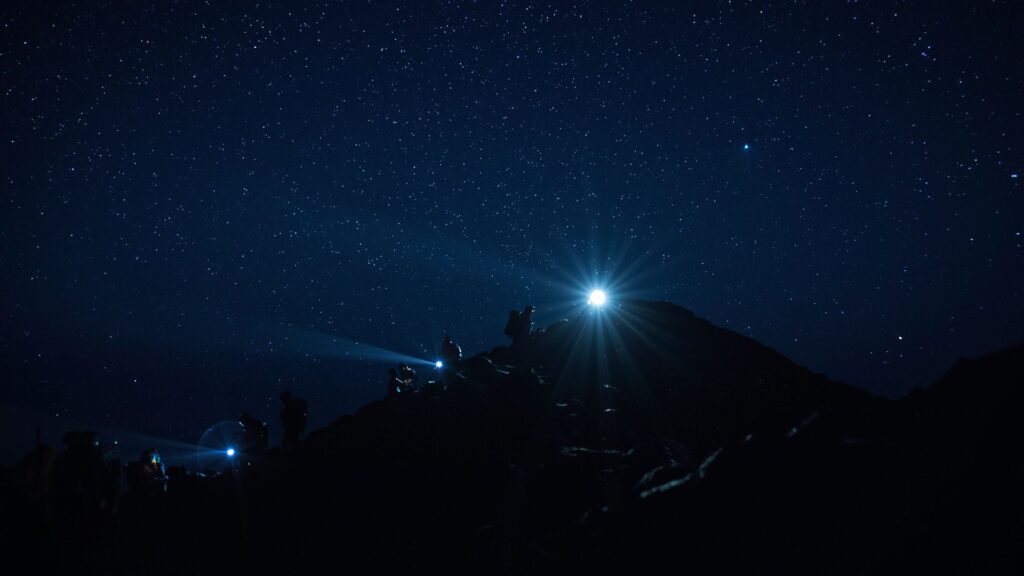
Reaching Uhuru Peak requires mental strength alongside physical preparation. Nearly every climber faces a moment during the summit attempt when continuing feels impossible. Nausea, exhaustion, and altitude effects challenge resolve. These tips for Kilimanjaro emphasise that mental determination often proves more important than physical fitness during the final summit push. Taking the climb one step at a time using the pole pole approach breaks the challenge into manageable increments.
Listening to your body and your group members provides crucial feedback. Guides monitor physical symptoms to ensure that pushing forward does not create dangerous health situations. Turning back represents a responsible decision when health indicators suggest serious altitude problems. However, many climbers who feel terrible at 5,000 metres successfully reach the summit by maintaining determination and following their guide’s advice.
Preparing for Your Kilimanjaro Trek from Ireland
Irish climbers benefit from specific preparation considerations when planning Kilimanjaro expeditions. Pat Falvey Irish & Worldwide Adventures organises all logistics including flights, permits, and equipment transport. The 12-week training programme offered through the Mountain Lodge prepares participants physically and mentally. Training weekends in Kerry’s mountains provide altitude simulation and build group cohesion before the African expedition.
Travel arrangements from Ireland typically involve connecting flights through European or Middle Eastern hubs. Arriving in Tanzania at least two days before the trek begins allows recovery from travel fatigue. Pat Falvey’s team handles all in-country logistics including accommodation, meals, and national park permits. This comprehensive support lets climbers focus entirely on their preparation and the climbing experience itself.
Equipment can be purchased or hired through the Mountain Lodge, ensuring all gear meets Kilimanjaro requirements. The staff’s experience with Irish weather conditions translates well to selecting appropriate equipment for Kilimanjaro’s variable climate.