
Trekking to Everest Base Camp requires thorough physical preparation and the right mindset. Preparation tips for Everest Base Camp trek cover multiple aspects including strength training, cardiovascular fitness, altitude adaptation, and mental resilience. The trek takes 12 days and reaches an elevation of 5,364 metres at Everest Base Camp. With proper preparation tips for Everest Base Camp trek, participants of various ages and fitness levels complete the journey successfully. Pat Falvey has led over 2,000 climbers on Himalayan expeditions since 1995, bringing unparalleled expertise to guided Everest Base Camp treks.
Why Preparation Matters for Everest Base Camp
The Everest Base Camp trek demands more from your body than daily activities. Preparation tips for Everest Base Camp trek focus on building the stamina needed to walk 5 to 7 hours daily across challenging terrain.
Trekkers face significant altitude gains, with some days involving ascents of 600 to 800 metres. The trek begins at Lukla airstrip at 2,860 metres and climbs to 5,364 metres at Everest Base Camp. Lower oxygen levels at altitude place additional stress on the cardiovascular system. Unpredictable weather conditions including cold temperatures, wind, and potential snow require physical resilience. Preparation tips for Everest Base Camp trek address these specific challenges through targeted training programmes.
Pat Falvey Irish & Worldwide Adventures recommends starting preparation 8 to 12 weeks before departure. This timeline allows adequate conditioning whilst avoiding overtraining. Consult with a physician before beginning any training programme, particularly if you have pre-existing health conditions. Proper preparation transforms the trek from a physical ordeal into an enjoyable adventure through the Khumbu region.
Physical Training Programme
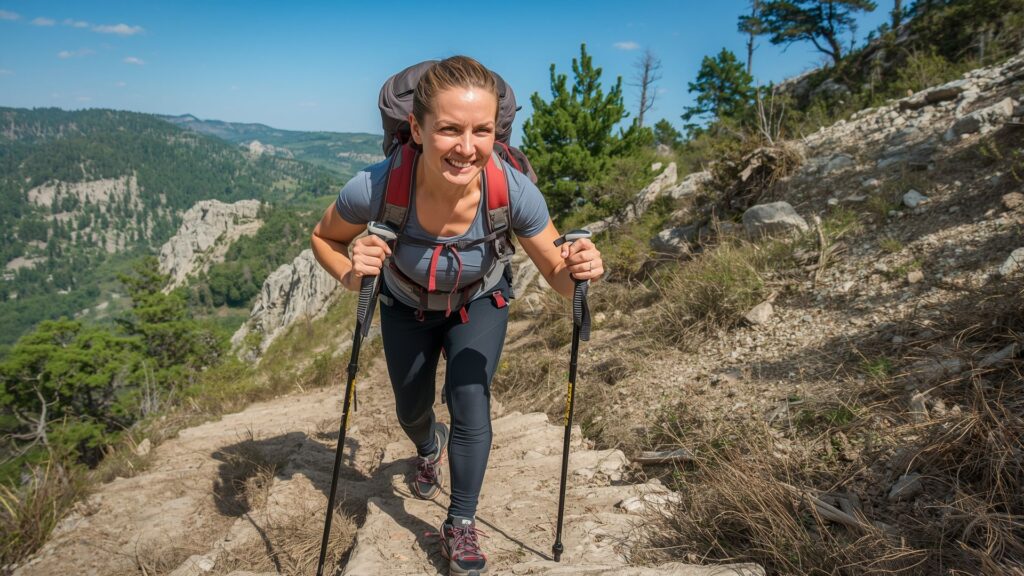
Physical conditioning forms the foundation of preparation tips for Everest Base Camp trek. A structured 8 to 12-week programme builds the endurance and strength needed for high-altitude trekking.
Cardiovascular Training
Cardiovascular fitness determines how efficiently your body delivers oxygen to muscles during extended activity. Training improves heart function, which proves vital at altitude where oxygen availability drops by approximately 50% at Everest Base Camp compared to sea level.
Begin with 30-minute sessions three times weekly, gradually increasing to 60-minute sessions five times weekly. Walking remains the most specific form of training. Progress from flat terrain to hilly routes as fitness improves. Include intervals of faster-paced walking to elevate heart rate. Cycling and swimming provide excellent cross-training alternatives that reduce impact on joints.
Monitor your exertion level during training. You should maintain conversation whilst walking at your training pace. If breathing becomes too laboured for speech, reduce intensity. This conversational pace approximates the sustainable effort required during the Everest Base Camp trek.
Strength Training
Leg, core, and back strength support sustained walking with a loaded pack across uneven terrain. Preparation tips for Everest Base Camp trek emphasise functional strength over maximum lifting capacity.
Squats develop quadriceps, hamstrings, and glutes needed for climbing. Perform 3 sets of 12 to 15 repetitions twice weekly. Lunges improve single-leg stability crucial on rocky trails. Step-ups onto a 30 to 40-centimetre platform mimic the climbing motion. Planks and side planks strengthen the core muscles that stabilise your torso under pack weight. Perform these exercises for 30 to 60 seconds, building to 3 sets.
Back exercises prepare you for carrying a daypack containing water, layers, and essentials. Although porters carry main luggage on the trek, you will carry 5 to 7 kilograms daily. Rows using resistance bands or weights develop the upper back. Deadlifts teach proper lifting mechanics whilst strengthening the posterior chain.
Walking with Weight
Adaptation to pack weight constitutes a critical component of preparation tips for Everest Base Camp trek. Your body needs time to adjust to the biomechanical changes that occur when walking with a loaded pack.
Begin pack training 6 weeks before departure. Start with 3 kilograms and add 1 kilogram weekly until reaching 7 kilograms. Complete at least one long walk weekly with your loaded pack. These walks should last 3 to 5 hours and include hills where possible. The final month should include multiple 4 to 6-hour walks carrying your full pack weight.
Break in your trekking boots during these training walks. New boots require 50 to 80 kilometres of walking before they mould to your feet. Blisters and hot spots that develop during training can be addressed before the trek. Wear the same sock system you plan to use in Nepal. Many trekkers use a thin liner sock beneath a thicker hiking sock to reduce friction.
Altitude Considerations
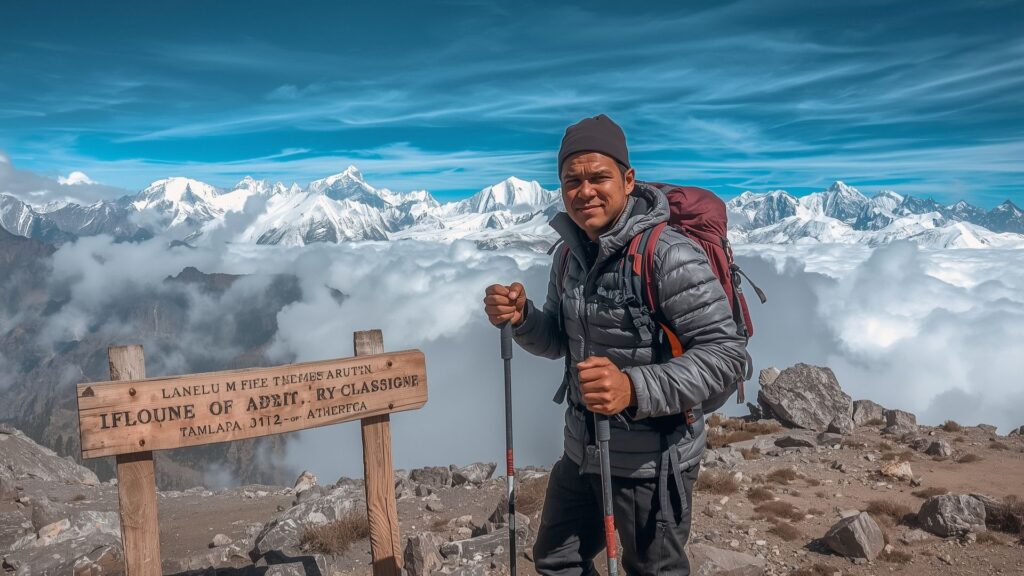
Understanding altitude effects forms an essential part of preparation tips for Everest Base Camp trek. Altitude sickness can affect anyone regardless of fitness level, making proper acclimatisation vital.
Atmospheric pressure decreases with elevation, reducing available oxygen. At 3,500 metres, oxygen availability drops to approximately 65% of sea level. At Everest Base Camp (5,364 metres), it falls to roughly 50%. Your body compensates by breathing faster and producing more red blood cells, but this adaptation requires time.
Acute Mountain Sickness (AMS) symptoms include headache, nausea, dizziness, and difficulty sleeping. These typically appear 6 to 12 hours after reaching a new altitude. The Pat Falvey expedition itinerary includes rest days at strategic points to support acclimatisation. The trek ascends gradually, sleeping at progressively higher camps over 12 days.
Prevention strategies include ascending slowly, staying hydrated, and avoiding alcohol. Walk at a pace that allows normal conversation. The Nepali saying ‘bistari, bistari’ means ‘slowly, slowly’ and serves as excellent advice. Preparation tips for Everest Base Camp trek stress that fitness helps manage the physical demands but does not prevent altitude sickness. Listening to your body and communicating symptoms to your guide remains crucial.
Nutrition and Hydration
Proper fuelling supports both training and the trek itself. Preparation tips for Everest Base Camp trek include nutritional guidance to optimise energy and recovery.
During Training
Increase caloric intake to match higher training volumes. Most people require an additional 300 to 500 calories daily during intensive preparation. Prioritise protein to support muscle recovery and development. Include lean meats, fish, eggs, legumes, or plant-based protein sources at each meal.
Complex carbohydrates provide sustained energy for long training walks. Whole grains, potatoes, and vegetables deliver fuel without causing blood sugar spikes. Healthy fats from nuts, avocados, and olive oil support hormone production and provide concentrated energy.
Hydration affects performance and recovery. Drink water consistently throughout the day rather than consuming large amounts immediately before training. Urine colour provides a simple hydration check: pale yellow indicates adequate hydration whilst dark yellow suggests insufficient fluid intake.
During the Trek
Tea houses along the Everest Base Camp route provide meals, but energy demands remain high. Most trekkers burn 3,000 to 4,000 calories daily. Appetite often decreases at altitude, making it important to eat regularly even when not hungry.
Breakfast typically includes porridge, eggs, or pancakes. Lunch and dinner feature rice, noodles, potatoes, and dal bhat (rice with lentil soup). These provide the carbohydrates needed for sustained energy. Bring supplemental snacks including nuts, energy bars, dried fruit, and chocolate for between meals and during walking.
Drink 3 to 4 litres of water daily at altitude. Carry water purification tablets or a filtration system as tap water requires treatment. Many trekkers add electrolyte powder to maintain mineral balance. Avoid alcohol as it impairs acclimatisation and increases dehydration risk.
Mental Preparation
Mental resilience often determines success as much as physical fitness. Preparation tips for Everest Base Camp trek recognise that psychological readiness helps trekkers navigate challenges and setbacks.
The trek presents multiple mental challenges. Long days of walking test patience and determination. Cold mornings require motivation to leave warm sleeping bags. Altitude-induced sleep disruption causes cumulative fatigue. Weather delays can alter plans. Physical discomfort from blisters, muscle soreness, or altitude symptoms demands perseverance.
Training walks build mental stamina alongside physical fitness. Push through discomfort during training to develop resilience. Break large goals into smaller milestones. Focus on reaching the next tea house rather than dwelling on the full day’s walk. Practise positive self-talk to counter negative thoughts when fatigue sets in.
Visualisation techniques prepare you mentally for the experience. Imagine yourself successfully navigating challenging sections. Picture yourself reaching Everest Base Camp and experiencing the sense of achievement. This mental rehearsal creates familiarity and confidence.
Accept that discomfort forms part of the experience. The trek requires effort and involves physical challenges. Frame these difficulties as part of the adventure rather than obstacles to enjoyment. Many trekkers report that overcoming challenges provided their most meaningful memories.
Essential Gear and Packing
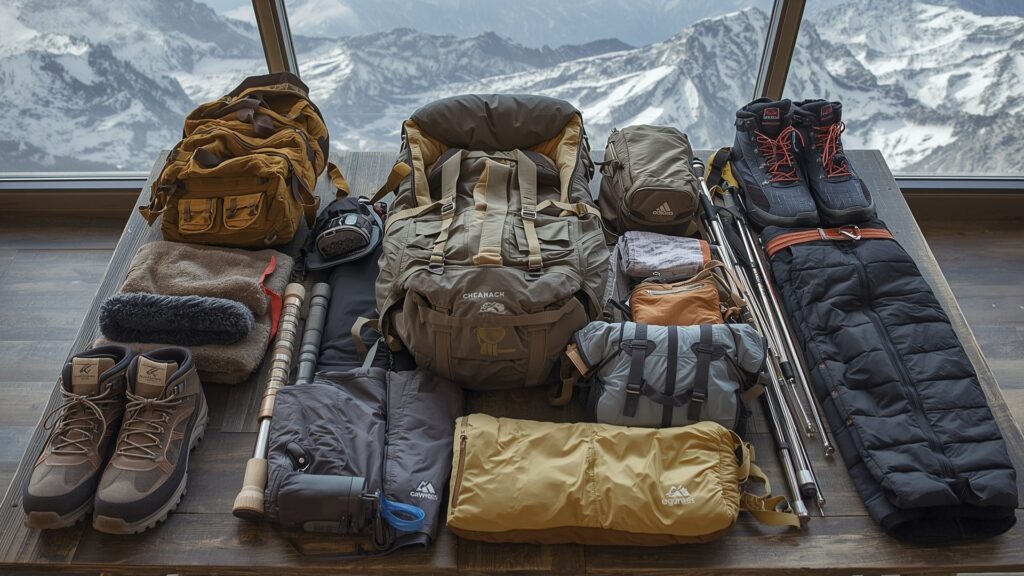
Proper equipment increases comfort and safety throughout the trek. Preparation tips for Everest Base Camp trek include a comprehensive packing list covering clothing, accessories, and personal items.
Clothing Layers
Layering allows adjustment to changing temperatures and activity levels. A three-layer system provides versatility across varying conditions encountered during the trek.
Base layers sit against skin and manage moisture. Merino wool or synthetic materials wick sweat away from the body. Bring 2 to 3 sets to allow for washing and drying. Mid-layers provide insulation. Fleece jackets or insulated synthetic jackets trap warm air. A lightweight down jacket offers excellent warmth for cold mornings and evenings at altitude.
Outer layers protect against wind and precipitation. A waterproof, breathable jacket shields against rain and snow. Waterproof trousers complete wet weather protection. Bring convertible trekking trousers that zip off into shorts for warmer lower elevations.
Accessories include warm hat, sun hat, neck gaiter or buff, and gloves in both lightweight and insulated versions. Quality sunglasses with UV protection prevent snow blindness at high altitude. Bring multiple pairs of hiking socks including both lightweight and thermal options.
Footwear
Boots represent your most important equipment choice. Well-fitted, broken-in boots prevent blisters and provide ankle support on uneven terrain.
Choose boots with good ankle support and stiff soles rated for high-altitude trekking. Waterproof membranes keep feet dry in snow and stream crossings. Ensure adequate room for toes, as feet swell during long days of walking. Break boots in thoroughly during training walks. Bring lightweight camp shoes or sandals for wearing at tea houses in the evening.
Technical Equipment
Additional items support comfort and safety throughout the trek. A sleeping bag rated to negative 10 to negative 15 degrees Celsius handles the coldest nights at high camps.
Trekking poles reduce stress on knees during descents and improve stability on uneven ground. A headtorch with spare batteries proves essential for early morning starts and evening navigation around tea houses. Bring a water bottle or hydration system with insulation to prevent freezing. Sun cream with SPF 50 and lip balm with UV protection prevent sunburn intensified by altitude and reflection off snow.
Personal first aid supplies including blister treatments, pain relief medication, and any prescription medicines you require complete the packing list. Pat Falvey Irish & Worldwide Adventures provides a detailed packing list to all participants during pre-departure briefings.
Training Timeline
A structured timeline helps organise preparation over the 8 to 12 weeks before departure. Preparation tips for Everest Base Camp trek recommend progressive training that builds capacity whilst avoiding overtraining.
Weeks 1 to 4 establish baseline fitness. Walk 30 to 45 minutes three to four times weekly on varied terrain. Include basic strength training twice weekly. Focus on correct form rather than intensity. Begin wearing your trekking boots on shorter walks.
Weeks 5 to 8 increase training volume. Progress to 45 to 60-minute walks four to five times weekly. Add hills and elevation gain to walking routes. Increase strength training to 3 sets of each exercise. Start carrying 3 to 4 kilograms in your pack during weekend walks.
Weeks 9 to 12 peak training intensity. Complete 60 to 90-minute walks five times weekly. Include one long walk of 4 to 6 hours each weekend carrying full pack weight. Maintain strength training frequency but focus on maintaining rather than increasing weight. Week 12 includes a taper: reduce training volume by 30 to 40% during the final week before departure to ensure fresh legs.
Listen to your body throughout training. Persistent pain signals overtraining or injury. Rest days allow muscles to recover and adaptations to occur. Most programmes include at least one complete rest day weekly.
Medical Considerations
Medical preparation ensures you trek safely and address potential health concerns before departure. Preparation tips for Everest Base Camp trek include medical checks and preventative measures.
Schedule a medical check-up 2 to 3 months before departure. Discuss your trekking plans with your doctor, particularly if you have pre-existing conditions including heart problems, lung disease, or high blood pressure. Your doctor can assess whether the trek presents appropriate risk levels.
Ensure vaccinations remain current. Nepal requires no mandatory vaccinations for visitors from most countries, but doctors typically recommend hepatitis A and typhoid. Consider Japanese encephalitis if trekking during monsoon season. Update routine vaccinations including tetanus.
Dental check-ups prevent problems at altitude where treatment options are limited. Address any cavities or unstable fillings. Consider altitude sickness medication including acetazolamide (Diamox). This prescription medication aids acclimatisation by increasing breathing rate. Discuss potential benefits and side effects with your doctor.
Travel insurance covering high-altitude trekking and emergency helicopter evacuation is mandatory. Standard policies exclude activities above 3,000 to 4,000 metres. Purchase specialist travel insurance that specifically covers trekking to 6,000 metres. Verify the policy includes medical evacuation and repatriation costs.
What to Expect on the Trek
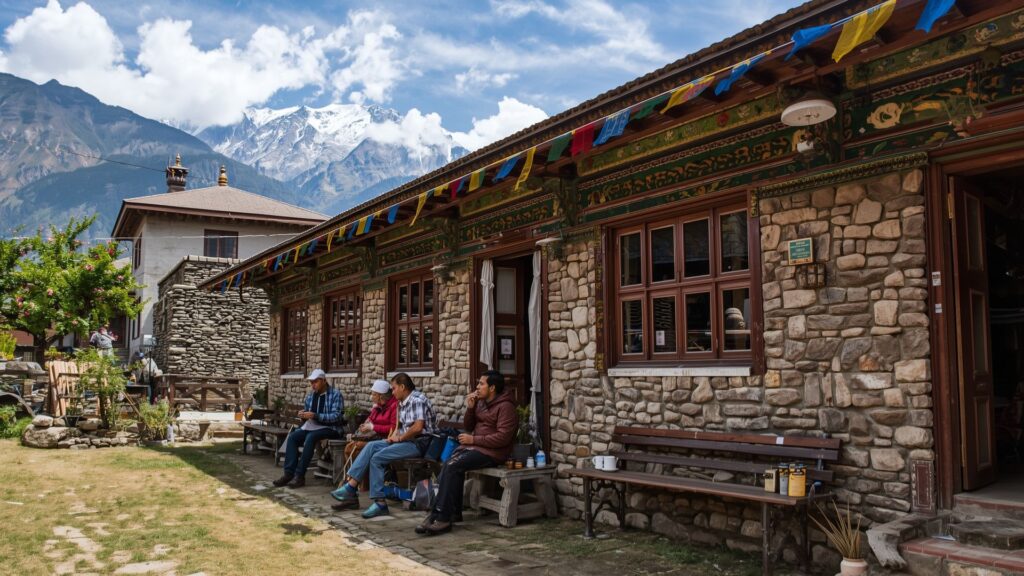
Understanding the daily rhythm of trekking helps set realistic expectations. Preparation tips for Everest Base Camp trek include insights into typical day structure and living conditions.
Days begin early, typically with wake-up calls between 6:00 and 7:00. Breakfast follows at the tea house. Walking starts between 7:30 and 8:30 to maximise daylight hours. The trail involves 5 to 7 hours of walking with breaks for water and snacks. Lunch occurs at a tea house along the route.
Afternoon walking continues until reaching the day’s destination, usually between 14:00 and 16:00. This allows time to rest before dinner. Tea houses provide basic but adequate accommodation. Rooms contain two single beds with mattresses and pillows. Shared bathroom facilities include squat and western-style toilets. Showers are available at lower elevations but become less reliable higher on the trek.
Tea house common rooms serve as dining and social spaces. Wood or yak dung stoves provide heat in the evening. Charging facilities for phones and cameras cost extra at higher elevations where electricity is limited. WiFi is available at many tea houses but connection quality varies with altitude.
The trail passes through Sherpa villages where Buddhist culture remains strong. Monasteries, prayer flags, and mani walls (stone walls carved with prayers) line the route. Respect local customs by walking clockwise around religious sites and asking permission before photographing people.
Benefits of Guided Trekking
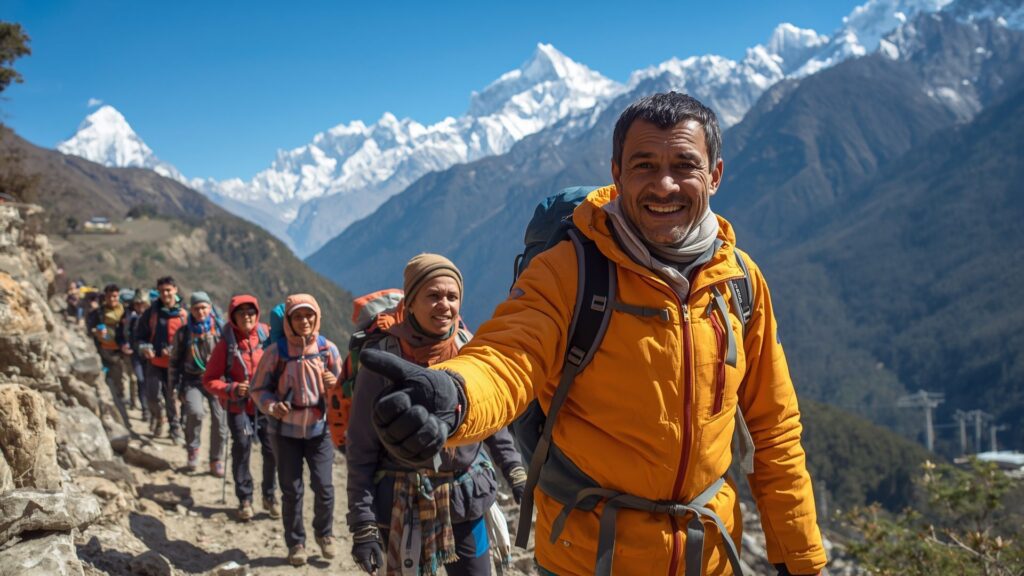
Trekking with experienced guides enhances safety, enjoyment, and success rates. Pat Falvey Irish & Worldwide Adventures provides professional leadership on Everest Base Camp expeditions.
Experienced guides recognise altitude sickness symptoms and make informed decisions about ascent rates and rest days. They know the route intimately including alternative paths during weather events. Local Sherpa guides provide cultural insights and facilitate interactions with communities along the trail.
Logistics including permits, accommodation bookings, and porter arrangements are handled by the expedition team. This allows trekkers to focus on the experience rather than organisational details. Group trekking provides camaraderie and mutual support. Sharing the journey with like-minded adventurers enhances motivation and creates lasting friendships.
Pat Falvey completed the Seven Summits twice, summited Everest from both north and south sides, and has led over 2,000 people on mountain expeditions since 1995. This experience translates to higher success rates and enhanced safety protocols. Based at The Mountain Lodge in Beaufort, County Kerry, the team provides pre-departure briefings covering all aspects of preparation tips for Everest Base Camp trek.