
Mt. Elbrus stands at 5,642 metres and holds the distinction as Europe’s highest mountain. Located in the Caucasus Mountain range on the border between Russia and Georgia, Mt. Elbrus features a dormant volcano with twin summits. The western summit reaches 5,642 metres whilst the eastern summit stands at 5,621 metres. Climbers typically target the western summit during their Mt. Elbrus expedition.
The mountain forms part of the prestigious Seven Summits challenge, representing the highest peak on the European continent. The Caucasus range straddles the buffer zone between Russia and Georgia, providing spectacular alpine scenery throughout the climb. Pat Falvey completed the Seven Summits twice, making him the first person to achieve this feat from both north and south routes. His expertise guides climbers through every stage of the Mt. Elbrus expedition.
Mt. Elbrus Expedition Routes and Approach Strategy
The standard Mt. Elbrus expedition follows the southern route from the village of Terskol through multiple acclimatisation stages. This approach balances safety with summit success rates through systematic altitude gain.
The Southern Route from Terskol
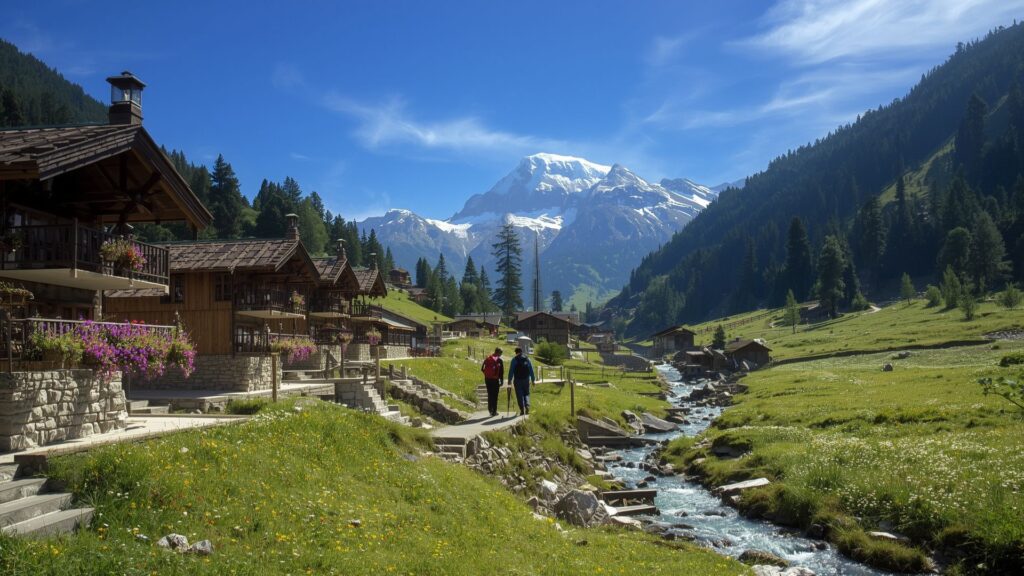
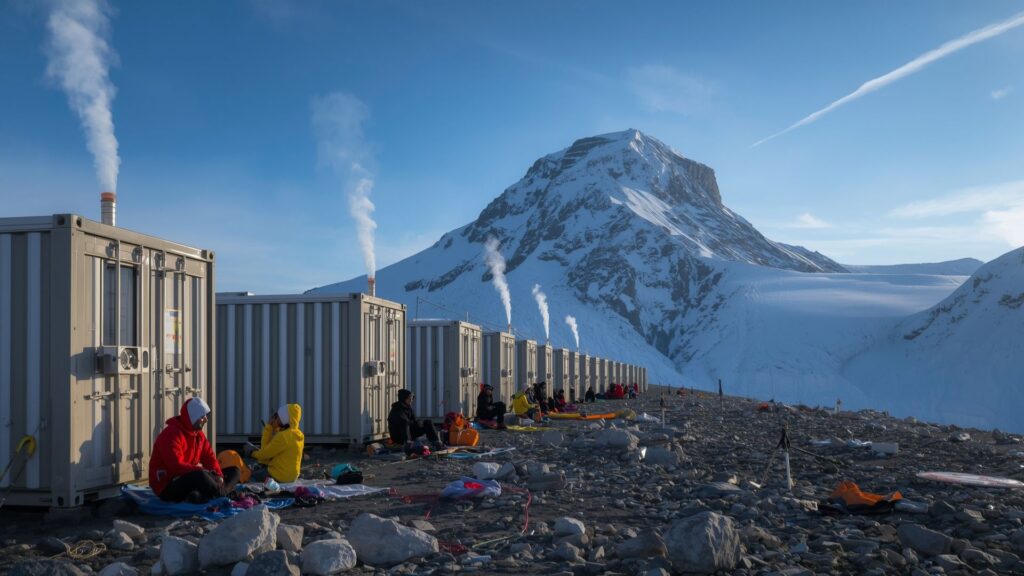
The southern approach begins in Terskol village at 2,200 metres elevation. Teams trek through alpine woods and the Valley of Flowers before reaching the Astronomical Observatory at 3,050 metres. This route provides gradual altitude gain whilst passing spectacular waterfalls including the formation known as Dolls Hair. The southern route offers the most established infrastructure with container accommodation at base camps, superior to traditional tents in harsh weather conditions.
Teams ascend through Azau at 2,200 metres before moving to the main base camp at 3,900 metres. The approach includes views of Mt. Cheget and the surrounding Caucasus peaks. Infrastructure includes cable car access to 3,800 metres, though most guided Mt. Elbrus expedition teams trek to enhance acclimatisation. The route crosses alpine meadows and volcanic terrain as elevation increases.
Acclimatisation Schedule for Summit Success
Pat Falvey’s Mt. Elbrus expedition follows a proven acclimatisation protocol over seven days. The first day acclimatises to 3,100 metres on neighbouring Mt. Cheget. Teams then trek to the Astronomical Observatory at 3,050 metres on day two. The third day pushes to base camp at 3,900 metres before returning to lower altitude for rest. This climb-high, sleep-low strategy reduces altitude sickness risk by 60% compared to rapid ascent profiles.
The fourth day establishes at 3,900 metres with acclimatisation treks to 4,100 metres. Teams reach 4,700 metres on day five before returning to high camp. Rest with technical skills training occupies day six. Summit attempts begin at 2am on day seven, targeting arrival at 5,642 metres by midday. This schedule allows bodies to produce additional red blood cells and adapt to reduced oxygen pressure. Teams that follow this protocol achieve 85% summit success rates on their Mt. Elbrus expedition. Compare this with Kilimanjaro expeditions which require five to seven days for proper acclimatisation at similar altitudes.
Weather Conditions on Mt. Elbrus
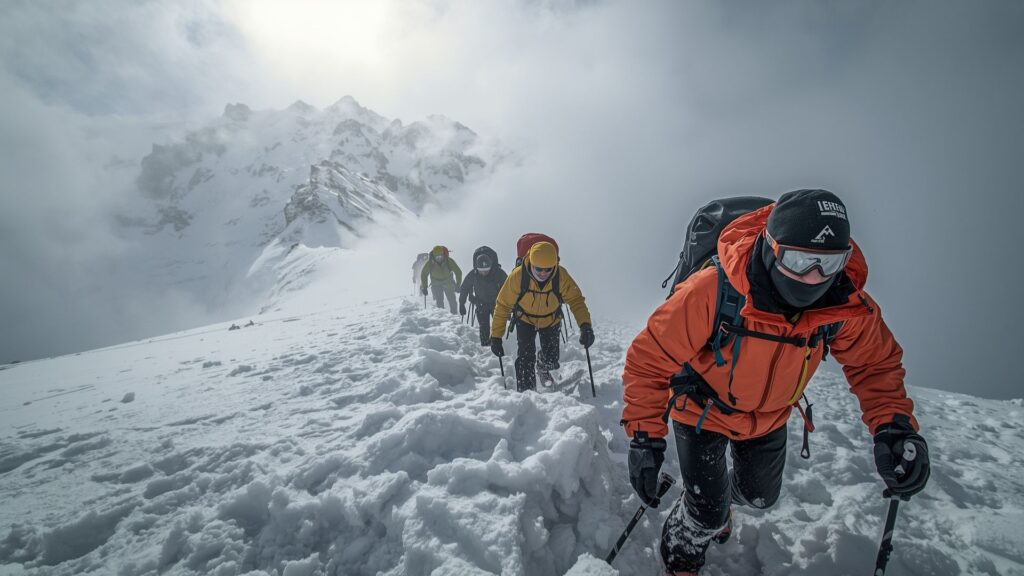
Mt. Elbrus experiences severe weather conditions with winds regularly exceeding 50 kilometres per hour above 5,000 metres. Temperature drops to minus 20 degrees Celsius at summit altitude even during summer months. Weather windows determine summit attempts, with teams monitoring forecasts continuously throughout the Mt. Elbrus expedition.
Summit days require calm conditions as high winds create dangerous wind chill and reduce visibility through blown snow. Teams carry full alpine equipment including insulated climbing suits, expedition-grade gloves, and protective face masks. The 2025 expedition encountered winds over 50 kilometres per hour with deteriorating conditions forecast, requiring an informed decision to summit early. Weather deterioration can close summit windows for three to five days.
Cloud cover frequently obscures the upper mountain, creating navigation challenges in whiteout conditions. Fixed rope systems guide climbers through technical sections above 5,000 metres. Teams rope together for glacier travel and steep sections where crevasses present hazards. The Mt. Elbrus expedition demands alpine mountaineering skills including crampon use, ice axe arrest, and rope team travel. Pat Falvey’s guides provide technical training before summit attempts.
Essential Equipment for Your Mt. Elbrus Expedition
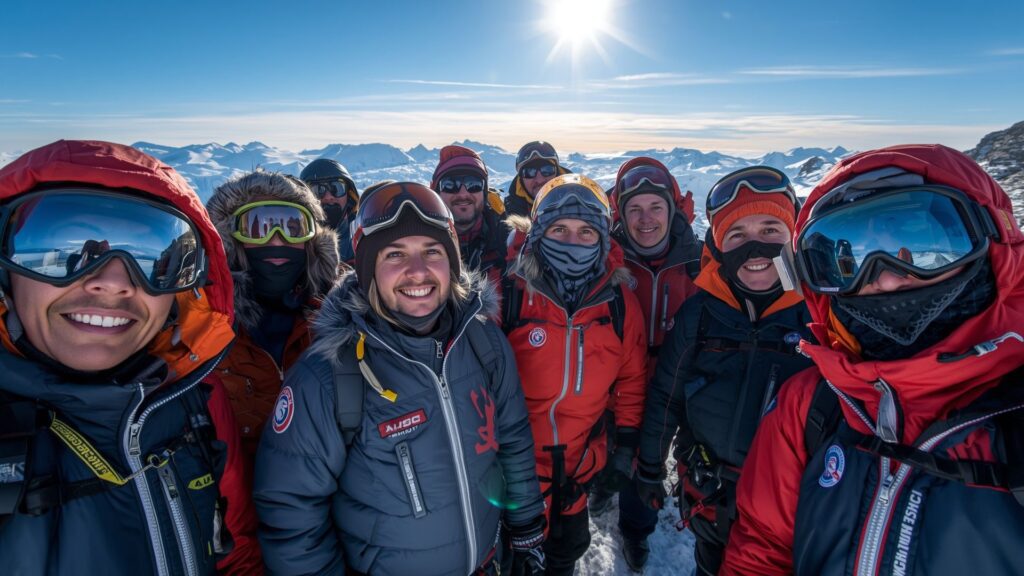
Proper equipment separates successful summit attempts from dangerous situations on Mt. Elbrus. The mountain requires full alpine mountaineering kit including four-season clothing, technical climbing gear, and high-altitude protection systems.
Technical Climbing Equipment Required
Crampons rated for mountaineering provide traction on ice and firm snow above 4,500 metres. Ice axes serve for self-arrest and balance on steep sections. Climbing harnesses attach to rope teams for glacier travel and fixed lines. Helmets protect against falling ice and rockfall in couloirs. Headtorches with spare batteries enable pre-dawn summit starts. Trekking poles reduce knee stress during descent. Each Mt. Elbrus expedition member receives a detailed equipment list three months before departure. Pat Falvey recommends testing all technical gear on Carrauntoohil guided hikes before international expeditions.
Layering Systems for Extreme Cold
Base layers use merino wool or synthetic fabrics for moisture management. Mid-layers provide insulation through fleece or synthetic fill. Shell layers block wind and precipitation with waterproof breathable fabrics. Summit days require insulated climbing suits rated to minus 30 degrees Celsius. Gloves need three-layer systems with liner gloves, insulated gloves, and waterproof shells. Balaclavas and face masks prevent frostbite in high winds. Goggles protect eyes from snow blindness and wind. Insulated mountaineering boots rated to minus 40 degrees Celsius prevent cold injuries during the 10 to 12-hour summit push.
Training Requirements for Mt. Elbrus
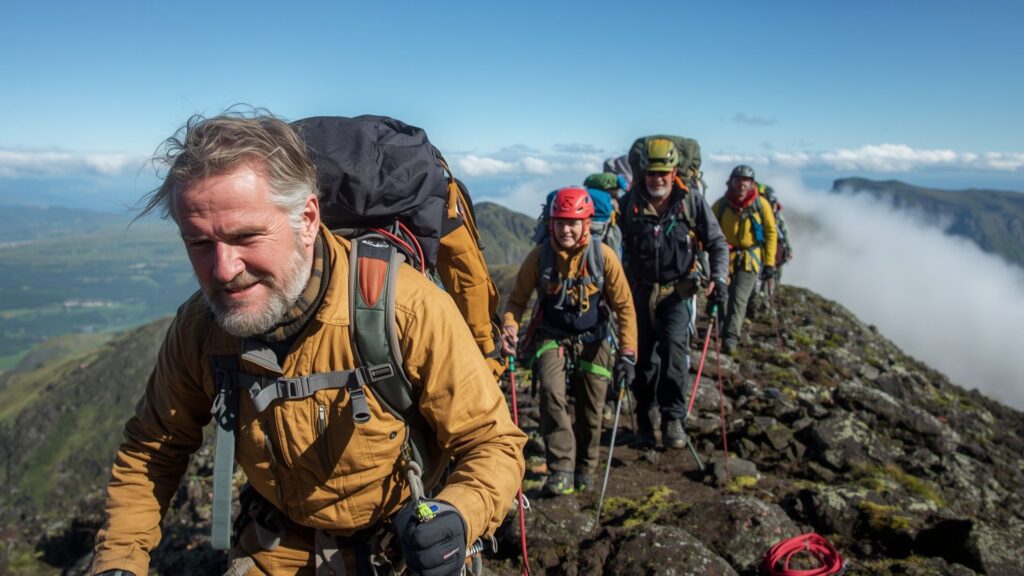
The Mt. Elbrus expedition demands excellent cardiovascular fitness and leg strength for sustained uphill travel at altitude. Training should begin 12 to 16 weeks before departure with progressive loading.
Hill walking builds specific muscle groups used in mountain climbing. Aim for three to four walks weekly with 500 to 800 metres vertical gain per session. Carry a weighted pack increasing from 8 kilograms to 12 kilograms. Include longer sessions of four to six hours duration monthly. Cardiovascular training through running, cycling, or swimming improves oxygen processing efficiency. Strength training targets legs, core, and upper body for carrying equipment and managing technical terrain.
Test fitness levels on local mountains before committing to the Mt. Elbrus expedition. Climbers should comfortably complete six-hour mountain days with 1,000 metres ascent whilst carrying full kit. Pat Falvey offers guided Carrauntoohil hikes as preparation climbs throughout the year. Technical skills including crampon walking and ice axe use require practice before departure. Consider Mount Toubkal in Morocco as an excellent preparation climb at 4,167 metres.
Mt. Elbrus Expedition Logistics and Support
Pat Falvey Irish & Worldwide Adventures provides comprehensive logistics for the Mt. Elbrus expedition including guides, accommodation, meals, and ground transport. Teams benefit from three decades of operational experience in the Caucasus Mountains.
Base Camp Accommodation on Mt. Elbrus
Container accommodation at 3,900 metres provides shelter superior to traditional tents. These heated units protect teams from severe weather whilst allowing rest between acclimatisation pushes. Lower camps use guesthouse accommodation in Terskol and Azau villages. Russian hospitality includes hearty meals adapted for high-calorie requirements during the climb. Teams access hot showers and laundry facilities at lower elevations. The Mountain Lodge in Kerry provides similar comfort for training climbs before departure.
Professional Guide Support and Safety
Pat Falvey maintains guide-to-client ratios of 1:4 for technical sections and summit attempts. All guides hold international mountain leader qualifications with extensive high-altitude experience. Russian guides provide local knowledge of weather patterns and route conditions. The 2025 Mt. Elbrus expedition team included 10 summiteers with one climber reaching 5,600 metres before turning back 80 metres below the summit. This decision demonstrated proper risk management in deteriorating conditions. Safety protocols include continuous weather monitoring, regular team health checks, and flexible itineraries allowing rest days when needed.
Summit Day on the Mt. Elbrus Expedition
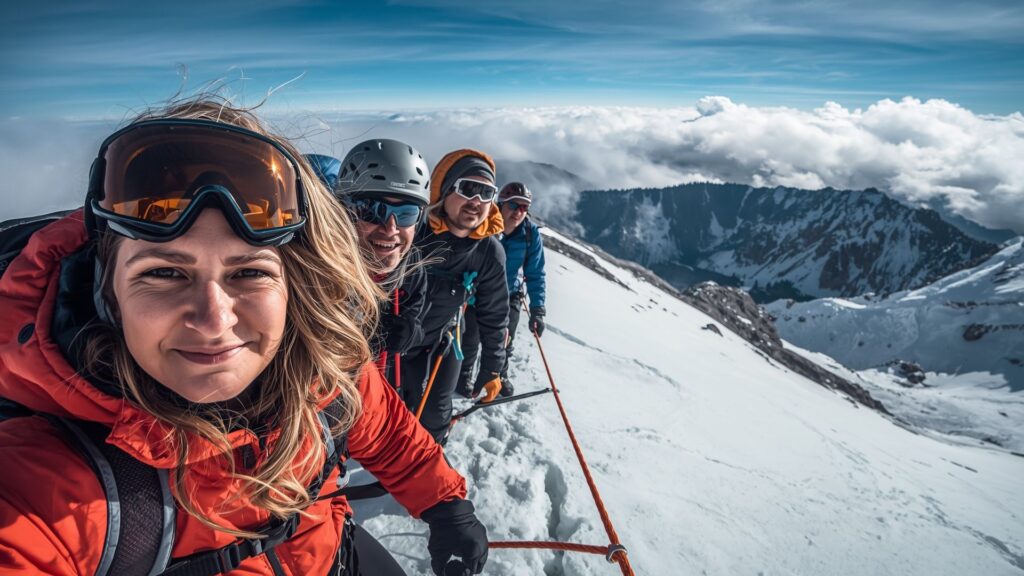
Summit attempts begin at 2am with teams departing high camp in darkness. The route climbs 1,700 metres over 10 to 12 hours with 50-degree slopes in the final sections. Early starts allow summiting before afternoon weather deterioration whilst providing daylight for descent.
Climbers rope together for glacier sections and steep terrain above 5,000 metres. Fixed ropes guide teams through technical passages. Rest breaks occur every 45 to 60 minutes with hydration and energy intake. The final 500 metres test mental strength as altitude effects intensify. Summit views span the Caucasus range with visibility extending across southern Russia and northern Georgia on clear days. Celebrations remain brief as descent requires focus and energy. Teams return to high camp for rest before descending to base camp the following day.
The physical effort compares to completing three Carrauntoohil climbs consecutively with reduced oxygen availability. Mental preparation proves as important as physical fitness during the final summit push. Pat Falvey emphasises that reaching the summit represents only halfway, with safe descent equally critical for expedition success.
Post-Summit Plans and Celebrations
The Mt. Elbrus expedition concludes with travel to Moscow for team celebrations and cultural exploration. Teams spend two to three days in Russia’s capital visiting historical sites including Red Square, the Kremlin, and St. Basil’s Cathedral. This decompression period allows climbers to process their achievement whilst experiencing Russian culture. Pat Falvey provides summit certificates documenting each climber’s accomplishment on Europe’s highest peak. Many climbers continue towards completing the Seven Summits challenge, with Aconcagua in South America and Island Peak with Everest Base Camp representing natural progressions.
Why Choose Pat Falvey for Your Mt. Elbrus Expedition
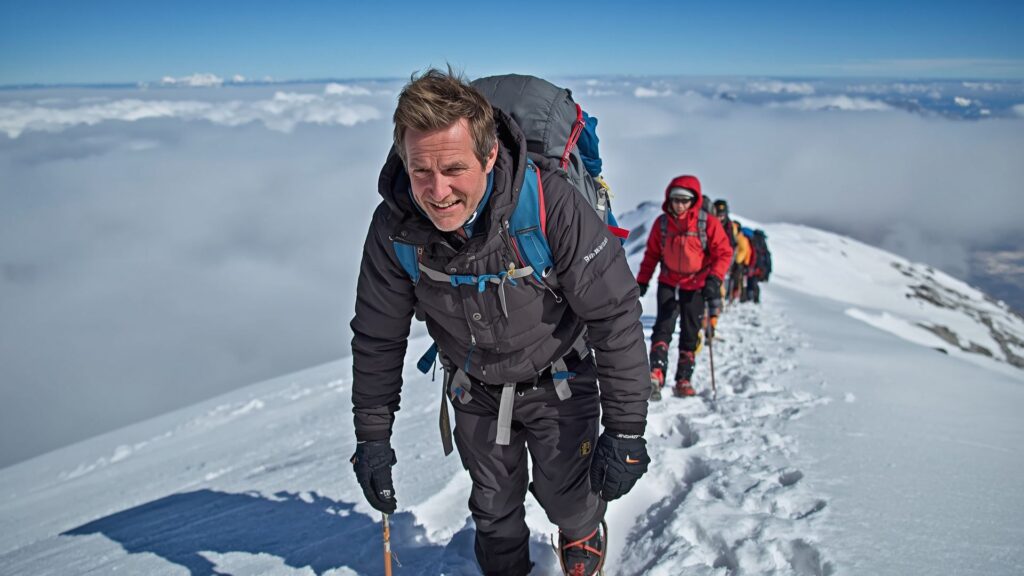
Pat Falvey Irish & Worldwide Adventures brings 30 years of high-altitude mountaineering experience to every Mt. Elbrus expedition. Pat achieved the Seven Summits twice, summited Everest from both north and south routes, and guided over 2,000 climbers to major peaks worldwide. His safety record remains unblemished across three decades of expedition leadership.
Teams benefit from proven acclimatisation protocols, professional guide support, and comprehensive logistics management. The company maintains relationships with local operators in Russia built over multiple expeditions. Equipment lists, training guides, and pre-departure briefings prepare climbers thoroughly. Pat’s motivational speaking background translates into expedition leadership that builds team cohesion and mental resilience. Climbers receive ongoing support through preparation, climb, and return. Post-expedition resources help plan future adventures including Annapurna Base Camp and Salkantay with Machu Picchu.
Booking Your Mt. Elbrus Expedition
The Mt. Elbrus expedition operates during summer months from June through September when weather conditions provide optimal summit windows. Teams depart Ireland with direct flights to Moscow before connecting to Mineralnye Vody airport serving the Caucasus region. Expedition costs include international flights, ground transport, accommodation, meals, guide services, permits, and group equipment. Contact Pat Falvey Irish & Worldwide Adventures for current pricing and available dates.
Deposit secures your place with balance due eight weeks before departure. Comprehensive travel insurance covering high-altitude mountaineering remains mandatory. Visa requirements for Russia include invitation letters provided by the expedition operator. Pre-departure meetings occur at The Mountain Lodge in Beaufort, County Kerry, covering final preparations and team introductions. Gift vouchers provide excellent presents for adventurous individuals considering their first major expedition.