
Mount Kilimanjaro presents specific health challenges that require proper preparation and awareness. Following essential Kilimanjaro health and safety protocols makes the difference between a successful summit and an early descent. The mountain rises from tropical rainforest at 1,800 metres to arctic conditions at the summit, creating extreme environmental changes within a single trek.
Pat Falvey Irish & Worldwide Adventures implements proven Kilimanjaro health and safety measures that have supported over 2,000 climbers in reaching Uhuru Peak safely. The human body requires time to adapt to reduced oxygen levels, which decrease by approximately 50% at the summit compared to sea level. Climbers who ascend too rapidly face serious health risks, while those who follow proper Kilimanjaro health and safety guidelines achieve significantly higher summit success rates.
Research shows that treks lasting seven to eight days produce success rates above 85%, compared to 50% for five-day routes. The mountain’s weather patterns create additional safety considerations, with temperatures ranging from 25°C in the rainforest zone to -20°C at the summit. Pat Falvey’s expeditions prepare climbers for these conditions through detailed gear lists and pre-trek briefings.
Five Essential Kilimanjaro Health and Safety Principles
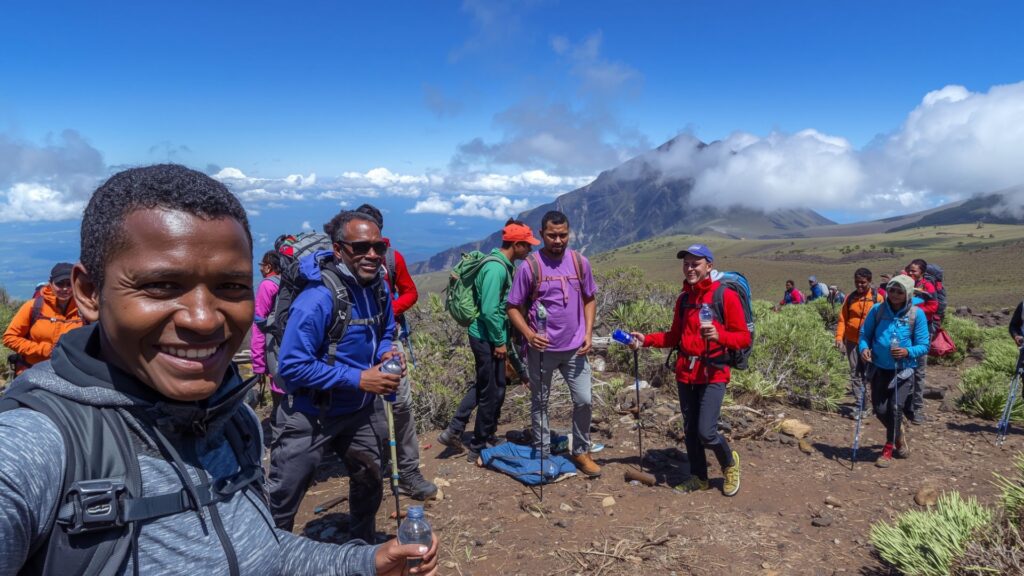
Kilimanjaro expeditions require adherence to fundamental safety principles that protect climbers throughout the ascent. Pat Falvey Irish & Worldwide Adventures bases these Kilimanjaro health and safety protocols on three decades of mountain guiding experience.
Acclimatise Slowly to Altitude Changes
The body adapts to altitude through physiological changes that take time to develop. Climbing at a rate of 300-500 metres per day above 3,000 metres allows red blood cell production to increase and breathing patterns to adjust. Pat Falvey’s itineraries include “climb high, sleep low” days where trekkers ascend to higher elevations during the day before returning to lower camps for the night. This technique accelerates acclimatisation while reducing the risk of altitude sickness by 40% compared to continuous ascent.
Stay Hydrated Throughout the Trek
Dehydration occurs rapidly at altitude due to increased respiration rates and lower humidity levels. Climbers require 4-5 litres of water daily to maintain proper hydration. Pat Falvey’s guides monitor water consumption throughout the day and provide regular reminders to drink. Proper hydration helps prevent altitude sickness, maintains mental clarity, and reduces fatigue.
Take Regular Breaks During Climbing
The “pole pole” (slowly, slowly) approach to Kilimanjaro expeditions ensures sustainable climbing pace. Pat Falvey’s groups take 10-minute breaks every hour to allow heart rates to return to normal levels and breathing to regulate. These rest periods also provide opportunities for guides to assess each climber’s condition and make adjustments to pace or route as needed.
Dress in Appropriate Layers for Extreme Weather
Temperature regulation becomes critical when moving through five distinct climate zones. The layering system includes base layers for moisture management, insulation layers for warmth, and outer shells for wind and rain protection. Pat Falvey’s recommended gear list specifies exact clothing items for each layer, ensuring climbers carry neither too much weight nor insufficient protection.
Follow Your Guide’s Instructions Precisely
Pat Falvey’s mountain guides complete extensive training in high-altitude safety, wilderness first aid, and mountain rescue techniques. These professionals recognise early symptoms of altitude sickness, hypothermia, and other conditions before they become severe. Following guide instructions without delay can prevent minor issues from escalating into emergencies.
Acute Mountain Sickness: Prevention and Recognition
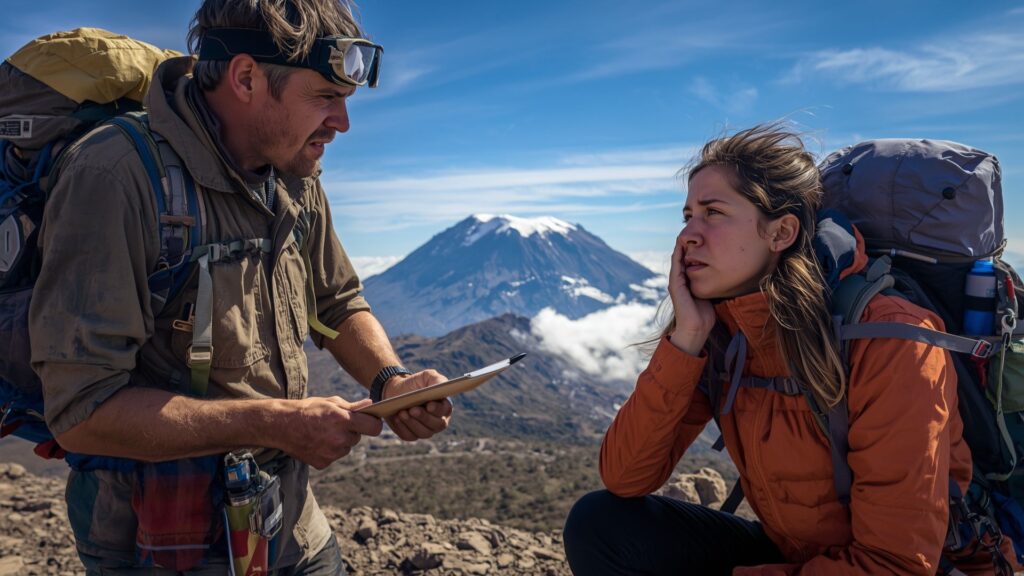
Acute Mountain Sickness (AMS) affects 75% of climbers who ascend above 3,000 metres too quickly. Understanding Kilimanjaro health and safety measures for AMS prevention remains critical for summit success. The condition results from the body’s inability to adapt to reduced oxygen levels at high altitude.
AMS symptoms typically appear 6-12 hours after reaching a new altitude. Early signs include headache, nausea, dizziness, fatigue, and difficulty sleeping. These symptoms indicate that the body requires more time to acclimatise before ascending higher. Climbers who experience AMS symptoms must communicate them to guides immediately.
The golden rule for AMS management states: never ascend with symptoms. If symptoms persist despite rest and hydration, descent becomes necessary. Descending just 300-500 metres often resolves symptoms within hours. Pat Falvey’s expeditions carry supplemental oxygen and altitude sickness medications, though descent remains the most effective treatment.
High Altitude Cerebral Oedema (HACE) and High Altitude Pulmonary Oedema (HAPE) represent life-threatening progressions of AMS. HACE symptoms include severe confusion, loss of coordination, and altered consciousness. HAPE presents with difficulty breathing, chest tightness, and a persistent cough. Both conditions require immediate descent and emergency medical intervention.
Protection Against Weather-Related Health Risks
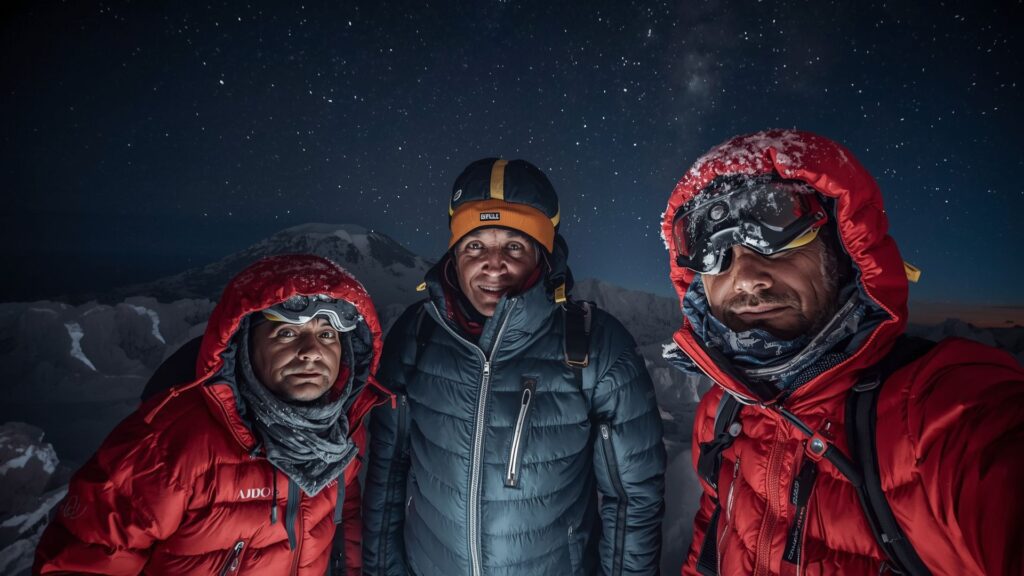
Kilimanjaro’s extreme weather conditions create specific health challenges that require proper equipment and technique. Comprehensive Kilimanjaro health and safety planning addresses these environmental hazards. The mountain’s position near the equator produces intense solar radiation, while high altitude temperatures drop well below freezing.
Hypothermia develops when body core temperature drops below 35°C. Early symptoms include uncontrollable shivering, confusion, and slurred speech. Summit night presents the highest hypothermia risk, with temperatures reaching -20°C and wind speeds exceeding 50 kilometres per hour. Pat Falvey’s Kilimanjaro health and safety protocols prevent hypothermia through proper clothing systems and regular food intake.
Frostbite affects exposed skin and extremities when temperatures drop below freezing. Fingers, toes, nose, and ears face the greatest risk. Pat Falvey’s gear list includes insulated gloves, warm boots rated to -30°C, and face protection. Climbers learn to recognise frostbite warning signs: numbness, white or grey skin, and hard or waxy texture.
Solar radiation increases by 10% for every 1,000 metres of altitude gain. At Kilimanjaro’s summit, UV radiation reaches levels 60% higher than at sea level. Sunburn occurs rapidly without proper protection, even on cloudy days. Essential Kilimanjaro health and safety practices include applying SPF 50+ sunscreen every two hours and wearing UV-protective sunglasses.
Managing Physical Injuries on the Mountain
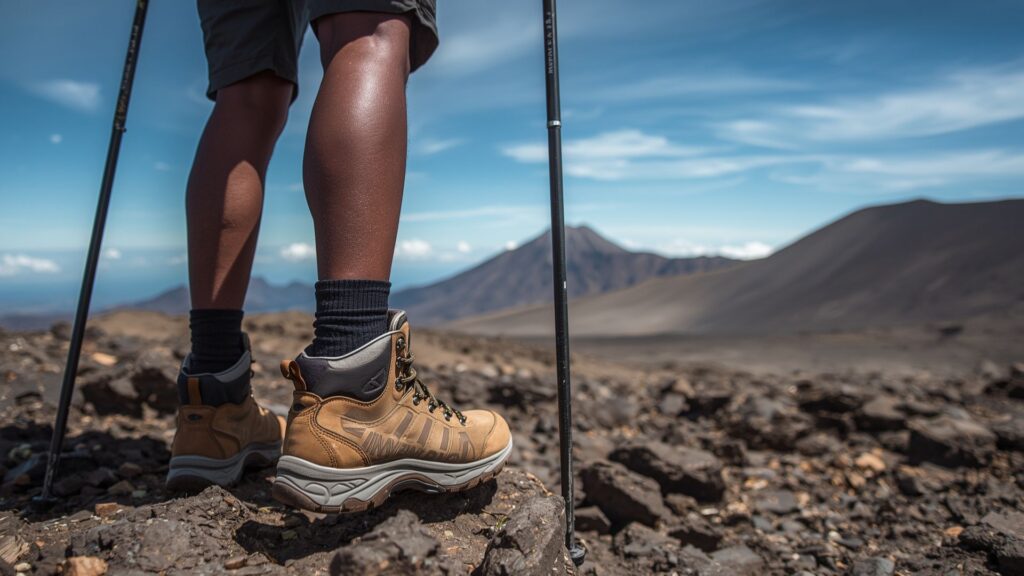
Kilimanjaro’s varied terrain presents multiple injury risks across different route sections. Understanding Kilimanjaro health and safety procedures for injury prevention reduces risk significantly. The Barranco Wall requires scrambling over large boulders, while summit night involves navigating steep volcanic ash in darkness.
Blisters develop from friction between skin and boots during prolonged walking. Pat Falvey’s pre-trek advice emphasises breaking in boots at least one month before departure. Properly fitted boots with adequate toe space prevent most blister issues. Guides carry comprehensive first aid supplies including blister plasters and antiseptic cream for immediate treatment.
Trekking poles reduce impact forces on knees and ankles by up to 25%, particularly during descents. Pat Falvey recommends adjustable poles that accommodate changing terrain. Proper pole technique involves planting the pole ahead of each step and transferring weight through the arms rather than the legs. Training on guided Carrauntoohil hikes in Ireland helps climbers master pole techniques before Kilimanjaro.
Kilimanjaro Health and Safety Emergency Protocols
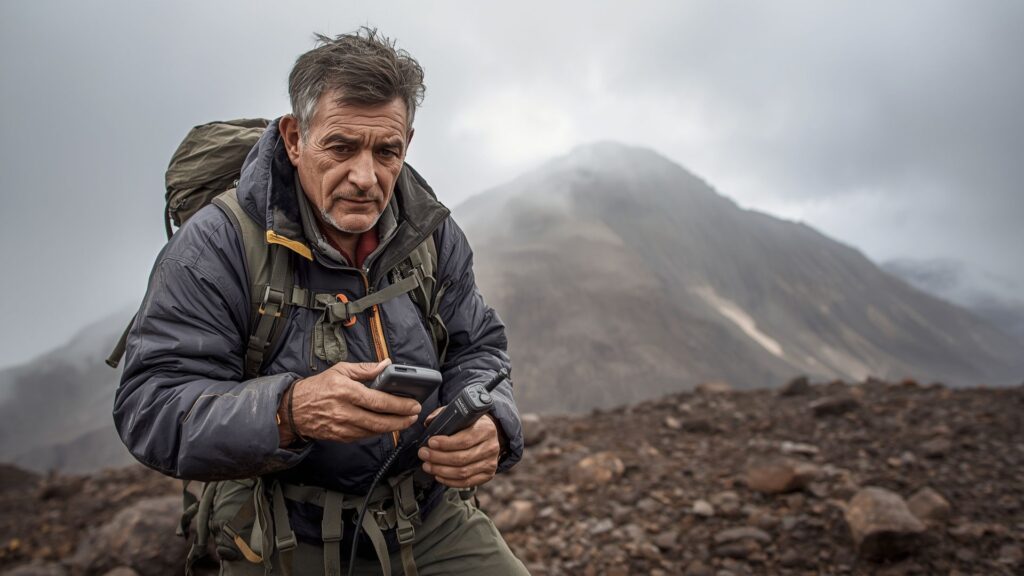
Pat Falvey Irish & Worldwide Adventures maintains comprehensive emergency response systems for all expeditions. Every guide carries satellite communication devices that provide direct contact with emergency services regardless of location on the mountain.
Medical evacuation procedures depend on the severity of the condition and the climber’s location. For moderate altitude sickness or injuries that prevent further ascent, guides arrange safe descent with porter support. Severe cases requiring helicopter evacuation trigger immediate contact with emergency services. Pat Falvey’s expeditions include comprehensive rescue insurance that covers helicopter evacuation costs.
First aid equipment on Pat Falvey expeditions includes oxygen cylinders, pulse oximeters for measuring blood oxygen saturation, altitude sickness medications, and supplies for treating injuries. Lead guides hold Wilderness First Responder certifications that qualify them to provide advanced medical care in remote environments.
Ground support teams monitor each expedition’s progress and maintain readiness to deploy additional resources if needed. Pat Falvey’s operations centre coordinates with Kilimanjaro park authorities, medical facilities in Moshi, and international rescue services.
Pre-Trek Kilimanjaro Health and Safety Preparation
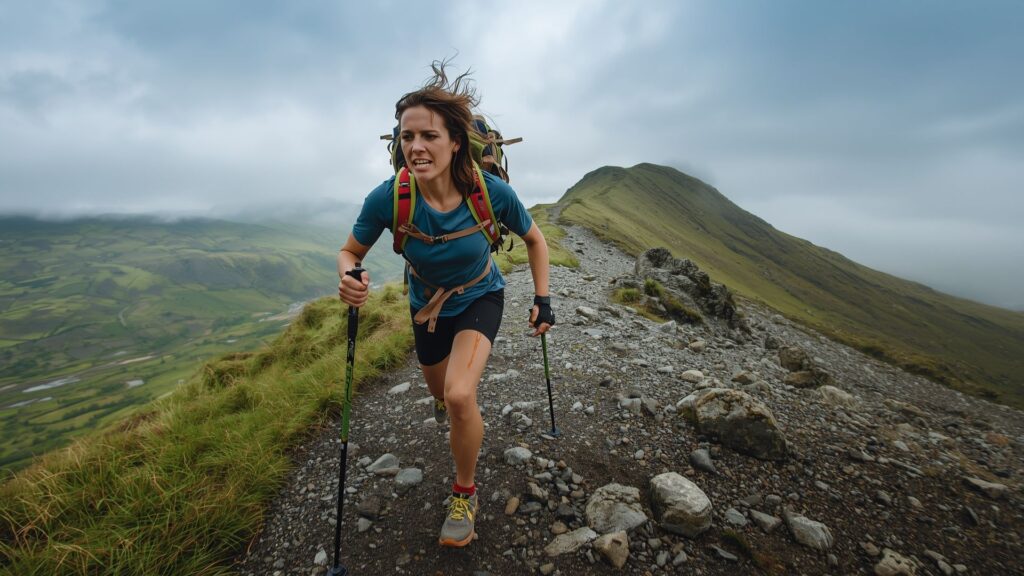
Successful Kilimanjaro climbs begin with proper physical preparation months before departure. Pat Falvey Irish & Worldwide Adventures provides detailed training plans that build the cardiovascular endurance and leg strength required for multi-day high-altitude trekking.
All climbers must obtain medical clearance from their doctor before joining a Kilimanjaro expedition. Pre-existing medical conditions including heart disease, respiratory conditions, and diabetes require careful evaluation. Tanzania requires proof of yellow fever vaccination for entry. Pat Falvey recommends additional vaccinations for hepatitis A, typhoid, and tetanus.
Cardiovascular fitness forms the foundation of successful Kilimanjaro climbing. Pat Falvey’s training programme recommends 12 weeks of progressive aerobic exercise, building to 5-6 hours of hiking per week. Training hikes should include elevation gain comparable to daily Kilimanjaro ascents of 600-1,000 metres. Irish climbers benefit from regular training on Carrauntoohil that provides ideal altitude preparation.
Nutrition and Hydration Strategies
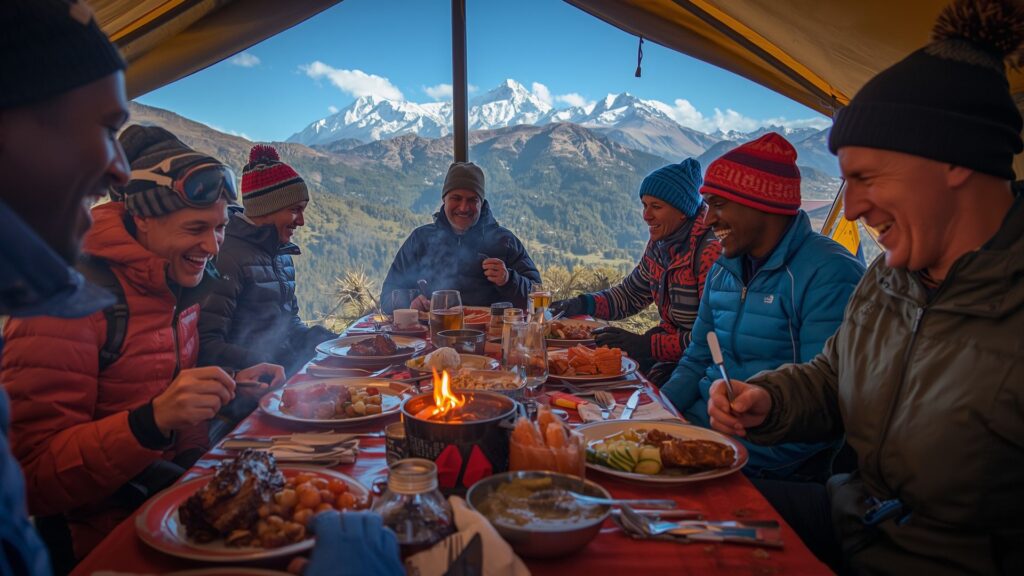
Proper nutrition and hydration directly impact summit success rates and overall expedition safety. Following Kilimanjaro health and safety guidelines for eating and drinking at altitude prevents many common problems. Kilimanjaro’s altitude increases daily caloric requirements to 4,000-5,000 calories.
Pat Falvey’s expeditions provide three hot meals daily plus snacks. Breakfast includes porridge, eggs, and toast for sustained energy. Lunch features soup, sandwiches, and fruit. Dinner offers rice or pasta dishes with vegetables and protein. Expedition cooks prepare meals in hygienic conditions with purified water.
Climbers must supplement provided meals with personal snack foods that provide quick energy during trekking. Trail mix, energy bars, chocolate, and dried fruit offer concentrated calories in portable formats. Eating small amounts every hour maintains energy levels and prevents bonking.
Electrolyte balance becomes critical during high-altitude exertion. Electrolyte replacement drinks help maintain proper sodium, potassium, and magnesium levels. Signs of electrolyte imbalance include muscle cramps, confusion, and irregular heartbeat.
Essential Kilimanjaro Health and Safety Equipment
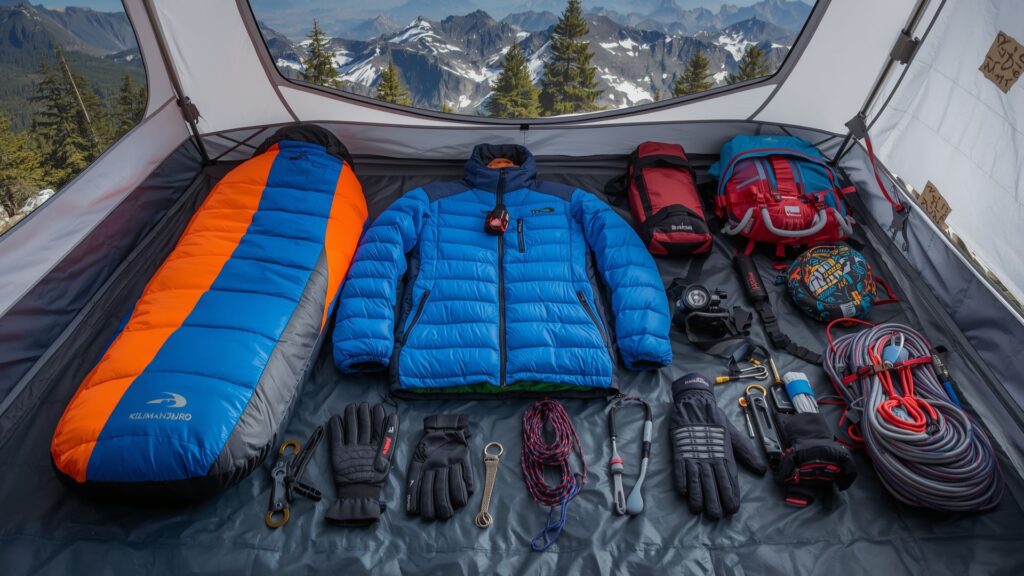
Proper equipment prevents many health and safety issues on Kilimanjaro. Pat Falvey Irish & Worldwide Adventures provides a comprehensive gear list developed through decades of high-altitude expedition experience.
Headlamps with spare batteries enable safe movement during summit night, which begins around midnight in complete darkness. The six to eight hour climb to Uhuru Peak requires reliable lighting to navigate the steep, rocky trail. Pat Falvey requires LED headlamps producing at least 200 lumens.
Four-season sleeping bags rated to -15°C provide necessary warmth at high camps where temperatures drop below freezing. Sleeping bag liners add 5-10 degrees of warmth and protect the main bag. Pat Falvey’s expeditions provide high-quality expedition tents and sleeping mats as part of the package.
The clothing system requires specific garments for each climate zone. Base layers in merino wool or synthetic materials wick moisture away from skin. Mid-layers including fleece jackets and insulated pants provide warmth without bulk. Summit night clothing includes down jackets rated for extreme cold, insulated pants, heavyweight gloves, and balaclavas.
Why Choose Pat Falvey Irish & Worldwide Adventures
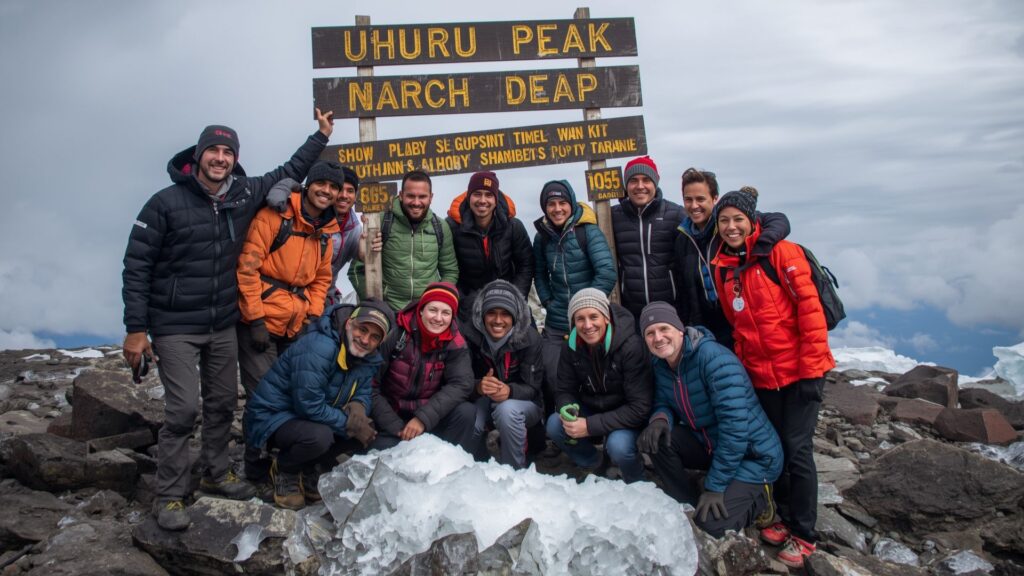
Pat Falvey Irish & Worldwide Adventures brings unmatched safety credentials to Kilimanjaro expeditions. Pat Falvey has summited Kilimanjaro 65+ times over 30 years, guiding 2,000+ climbers safely to the roof of Africa. This experience translates into comprehensive Kilimanjaro health and safety protocols that protect climbers while maximising summit success rates.
All Pat Falvey guides hold internationally recognised qualifications in mountain leadership and wilderness first aid. The company maintains a 100% safety record with zero serious incidents across three decades of operations. Equipment standards exceed industry requirements, with all gear inspected and replaced on strict schedules.
Pat Falvey’s Irish base at The Mountain Lodge in Beaufort, Kerry provides pre-trek briefings and post-expedition debriefs. Irish climbers benefit from direct access to Pat Falvey’s expertise and personalised advice throughout their preparation.