
Greg Butler began hillwalking at age 51 after a challenging first climb of Mangerton in County Kerry. The former finance director spent 42 years in desk jobs before retirement opened doors to Kilimanjaro, Mount Elbrus, and Everest Base Camp. This article explores how Greg Butler developed the mindset, fitness, and skills to achieve remarkable mountain adventures in his sixties and seventies.
From Struggle to Summit: Greg Butler’s First Steps
The first mountain Greg Butler climbed was Mangerton in County Kerry. It was not an auspicious start. His legs and back ached, he was sweating and short of breath, and he couldn’t keep up with the other walkers. This is embarrassing, he thought to himself, I’m too old for this, I don’t belong here.
That was May 1998 and Greg Butler was 51. He could scarcely have imagined that it was the start of a journey that would take him to Kilimanjaro, Mount Everest Base Camp, Mount Elbrus, Sierra Nevada in Spain, the Chamonix/Mont Blanc area, the French Camino, Iceland, and the highest mountains in Britain and Ireland. Persevering with the challenge of hillwalking was life-affirming and introduced Greg Butler to a world of unimagined beauty and adventure.
The Mindset Shift That Changed Everything
What brought about the change in Greg Butler’s mindset, which enabled him to do in his sixties what he struggled to do in his early fifties?
The transformation wasn’t just mental, of course. Different life stages bring separate issues and concerns. Prior to retirement at age 60, family and career were among Greg Butler’s highest values. Retirement allowed him the opportunity to plan and live the dreams he had waited for—dreams of travel and adventure, doing novel things, putting more variety into his life, and continuing his growth and development.
Greg Butler realised that, as well as a change in mindset, there were practical things to attend to if he were to stay ‘forever young’, and live like he was fifty when he was seventy, and beyond. He wasn’t going to be able to do it without the support of family, friends, and mentors.
Building Fitness After Four Decades Behind a Desk
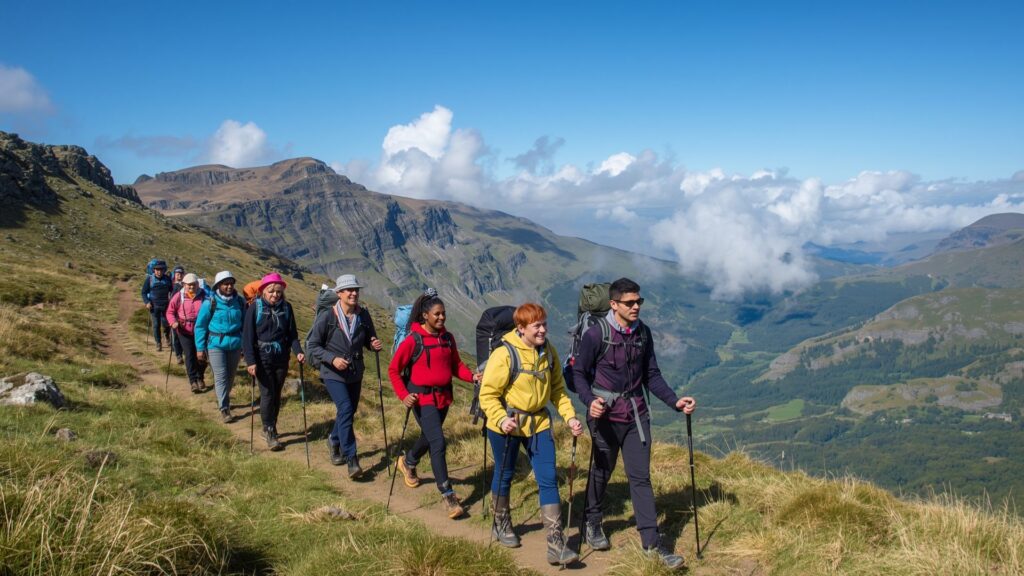
Greg Butler had a busy desk job from age 18 to 60 as a finance director. He needed increased stamina and fitness to become a competent hillwalker, and he needed guidance and training to develop hillwalking skills and experience. Because health and fitness were high values, he was willing to do something about that.
He joined the Lee Valley Walking Group in 2000, age 53, and with the support of Catherine Ketch, built his confidence and honed his skills as a hillwalker. Greg Butler enjoyed great days exploring the wildness and beauty of West Cork and Kerry, including most of the peaks of the MacGillycuddy’s Reeks and the beautiful valleys from the Gap of Dunloe to Glencar.
Conquering Ireland, Britain, and Beyond
Greg Butler climbed the highest mountains in Ireland and Britain, including Ireland’s Carrán Tuathail and Slieve Donard, Scotland’s Ben Nevis, Snowdon in Wales, and Scafell Pike in England. On the Continent, expeditions went to the Mercantour and Ecrin national parks in the Chamonix/Mont Blanc area, where he got the opportunity to paraglide over glaciers. Spain’s Alpujarras and Sierra Nevada ranges followed, including Mulhacén, the highest mountain on the Iberian Peninsula at 3,479 metres.
[NEW] The progression from Irish peaks to European mountains built Greg Butler’s technical skills and altitude tolerance. Each expedition prepared him for bigger challenges. The guided Carrauntoohil hikes provided essential foundation skills that transferred to higher, more technical terrain across Europe.
The Pat Falvey Connection: Three Epic Expeditions
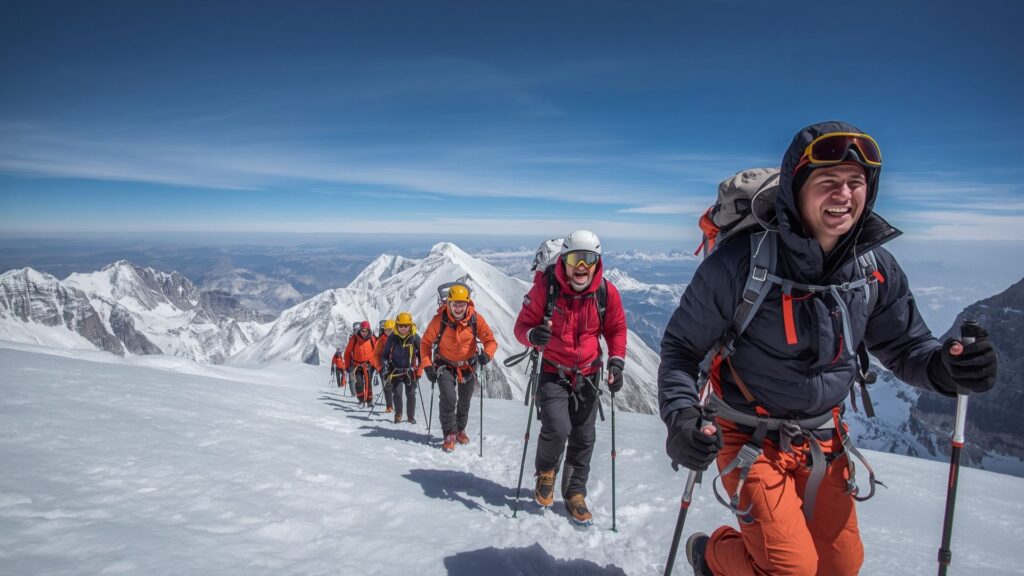
Pat Falvey has been an inspirational mentor and a wonderful supporter and motivator to Greg Butler. He was privileged to join Pat Falvey on three amazing expeditions—Kilimanjaro, Everest Base Camp and Mount Elbrus, beginning with Kilimanjaro in his 65th year. Of these three memorable adventures, Mount Elbrus merits special mention. Someone suggested that Greg Butler ‘Book an adventure beyond your ability, and train hard for it’.
Greg Butler likes a challenge. He has often put himself beyond his comfort zone, pitting himself against people who were younger and more skilful than him. In July 2015, he undertook his biggest mountain adventure when he joined a team, led by Pat Falvey, to Europe’s highest mountain. It was by far the toughest of his three expeditions. Trekking at altitude on snow and ice is challenging and requires training in alpine skills.
The route to the summit was a real high altitude adventure. Greg Butler was thrilled to reach a height of 5,100 metres, 300 metres higher than Mont Blanc. Whilst there was a degree of disappointment in not reaching the summit at 5,642 metres, in a way it only served to highlight what he had already accomplished in going way beyond anything he had previously achieved on the mountains.
Training and Preparation: The Reality of High-Altitude Mountaineering
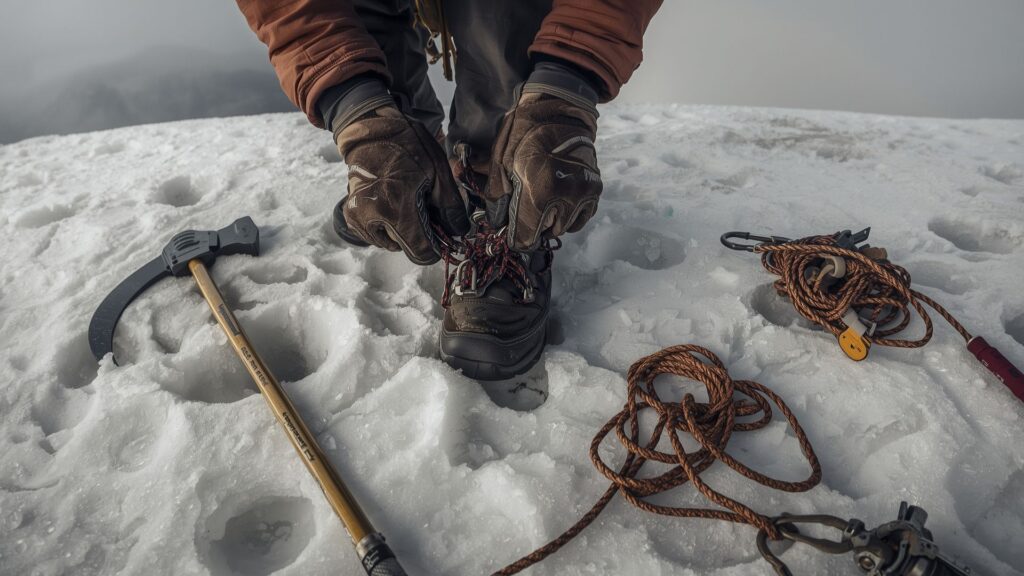
High-altitude expeditions require months of dedicated preparation. Greg Butler trained extensively for Mount Elbrus, building cardiovascular endurance through long hillwalks in Kerry and progressive altitude acclimatisation during the expedition itself.
The training programme included regular weekend hikes covering 15-20 kilometres with elevation gains exceeding 1,000 metres. Strength training focused on legs, core, and back muscles essential for carrying expedition gear at altitude. Pat Falvey’s preparation advice emphasised gradual progression and listening to your body’s signals.
Alpine skills training covered ice axe technique, crampon use, rope work, and glacier travel safety. These technical skills proved essential on Elbrus’s icy upper slopes. The Everest Base Camp expedition provided valuable altitude experience that directly benefited the Elbrus attempt.
A Lifetime of Wanderlust Fulfilled
Travel has been another highlight of Greg Butler’s retirement years to date, and the seeds of that wanderlust were sown at a very early age. He remembers as a little boy hearing his father crooning Bing Crosby’s ‘Faraway Places’ and wondering which faraway places he would get to see in his lifetime. ‘Those faraway places with strange sounding names/Are calling, calling me…’
Reading The Coral Island as a ten-year-old boy, Greg Butler was spellbound by the image of a perfect place, where ‘a sandy beach of dazzling whiteness lined this bright green shore, and upon it fell a gentle ripple of the sea’. He saw such a picture in the Whitsundays of Queensland, which he visited in 2007. Greg was enthralled by the images of the Kenyan landscape in the 1966 film Born Free, with abundant wildlife roaming free in savannah grasslands, with flat-topped acacia thorn trees. He would look down on such a scene from the Roof of Africa in 2012.
Greg Butler’s father had a saying to encourage him to study for his Leaving Certificate: ‘Get your exams, and you can travel the world’—an alluring motivation for a teenager in 1964. A heady dream for a young man coming of age in an Ireland of that era, for whom a trip to Youghal or Crosshaven was a summer highlight.
Greg Butler has been to six of the seven continents, visiting more than 30 countries, and—yes—Antarctica is on the bucket list.
Lessons from the Mountain: What Greg Butler Learned
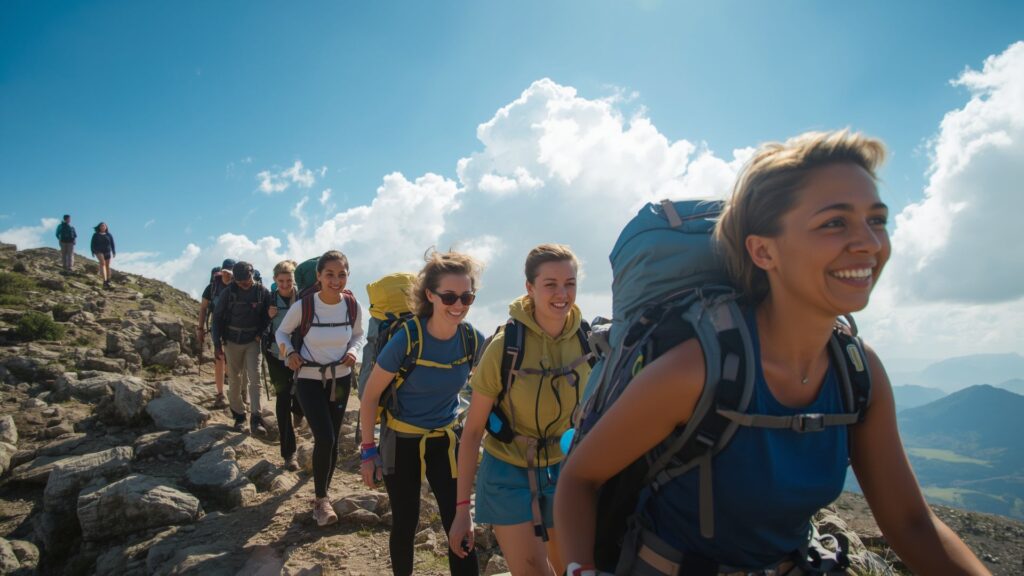
The mountains taught Greg Butler lessons that extend far beyond physical fitness. Mental resilience grows through pushing past perceived limitations. The Mangerton struggle at 51 proved to be a beginning, not an ending.
Patience matters more than speed on the mountains. Greg Butler learned that sustainable pacing prevents exhaustion and altitude sickness. The tortoise approach wins on multi-day expeditions where rushing leads to failure.
Community support makes ambitious goals achievable. The Lee Valley Walking Group, Pat Falvey’s guidance, and fellow expedition members provided encouragement during difficult moments. Solo achievement is a myth in mountaineering.
Age brings advantages that youth lacks. Experience, perspective, and appreciation for the journey matter more than raw physical power. Greg Butler’s desk job background taught project planning skills that transferred perfectly to expedition logistics.
Living Well Beyond the Expected Years
The travel and adventures described in this article occurred mainly after age 60. For Greg Butler, the concept of ‘forever young’ is not about turning back the clock. It’s about holding ‘bent old age’ at bay, until 80 or beyond. As he begins his seventies, there are inevitably occasional concerns about health issues and ‘running out of time’ and he doesn’t have time to procrastinate. His father died at age 58, when Greg Butler was 20. He always wanted to make sure that every year lived beyond his father’s age is well lived, active and meaningful.
Staying Active in Your Seventies: Greg Butler’s Approach
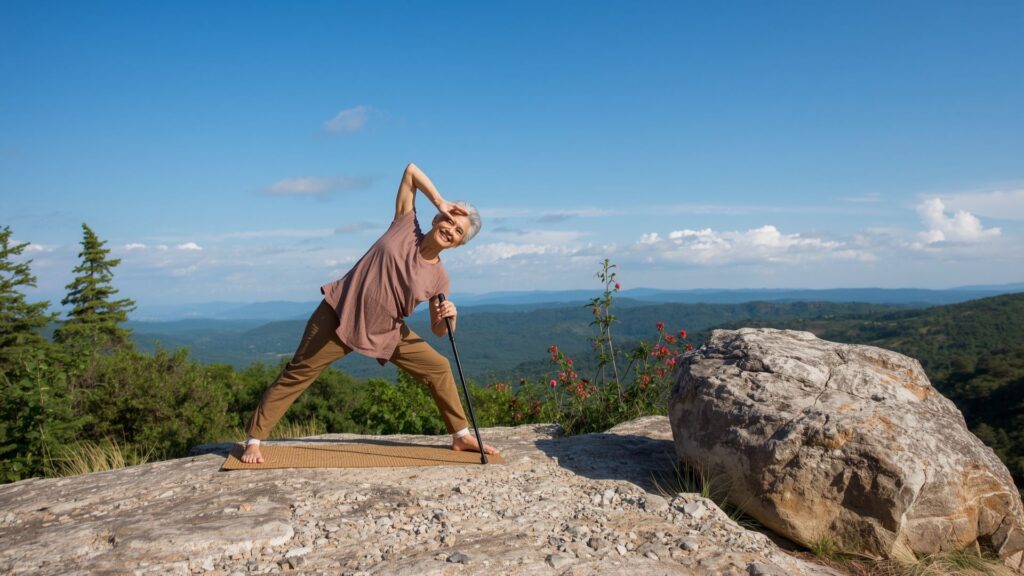
Greg Butler maintains fitness through consistent weekly activity rather than sporadic intense efforts. Regular walks of 10-15 kilometres keep cardiovascular fitness strong. Strength training twice weekly preserves muscle mass and bone density essential for mountain activities.
Flexibility and balance exercises reduce injury risk. Yoga and stretching sessions improve range of motion and joint health. These practices become increasingly important with age for preventing falls and maintaining independence.
Nutrition and hydration support active pursuits. Greg Butler focuses on whole foods, adequate protein for muscle maintenance, and proper hydration during activities. Recovery nutrition after long walks speeds muscle repair and reduces soreness.
Regular health checks monitor key indicators. Blood pressure, cholesterol, and cardiac function tests ensure the body handles physical stress safely. Working with medical professionals who understand active lifestyles provides appropriate guidance.
The Mountain Lodge in Beaufort, County Kerry, offers wellness programmes that combine mountain activities with recovery and nutrition guidance. These holistic approaches support long-term active lifestyles for people of all ages.
Planning Your Own Mountain Journey
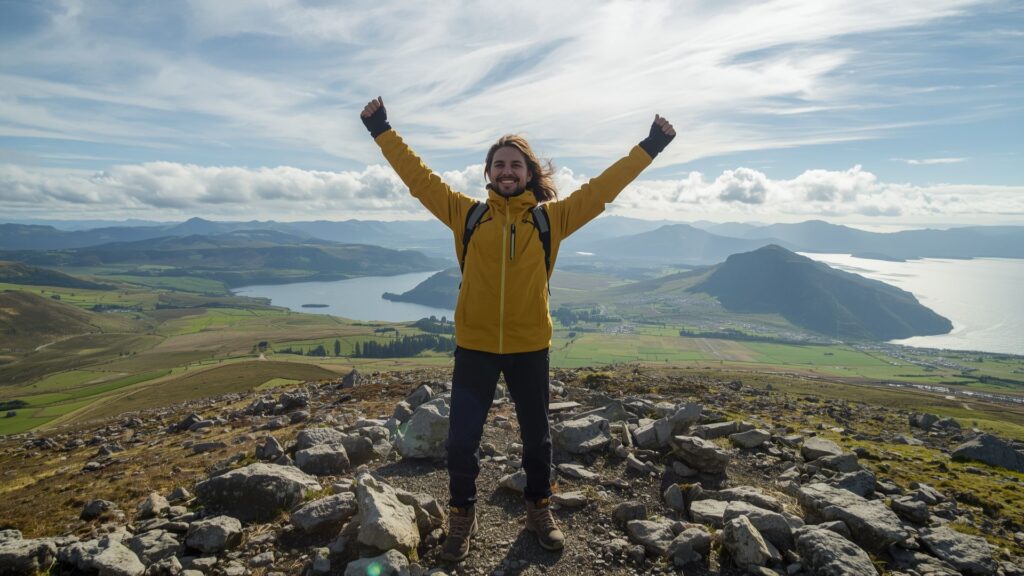
Starting mountain adventures later in life requires honest self-assessment and gradual progression. Greg Butler’s story demonstrates that beginners can achieve remarkable goals through patience and proper preparation.
Begin with local hills before attempting major peaks. Irish mountains like Carrauntoohil provide excellent training grounds. Guided walks with experienced leaders teach navigation, pacing, and safety skills in familiar terrain before venturing to foreign ranges.
Join walking groups to build skills and confidence. The social support and shared knowledge accelerate learning. Experienced members share equipment advice, route recommendations, and practical tips that books cannot provide.
Invest in proper equipment gradually. Quality boots matter more than expensive jackets initially. Build your kit as you progress rather than buying everything at once. Pat Falvey’s team provides equipment lists for Kilimanjaro expeditions that help prioritise purchases.
Consider professional guidance for major expeditions. Pat Falvey’s speaker presentations inspire audiences, whilst his expedition leadership ensures safe, successful mountain experiences. The investment in professional guidance reduces risk and increases summit success rates.