
Fergus O’Gorman is an Irish explorer, research biologist, and Antarctic veteran who first wintered in Antarctica in 1959 at age 21. He has returned to the continent six times, including the Beyond Endurance expedition with Pat Falvey in the footsteps of Ernest Shackleton. This profile covers O’Gorman’s Antarctic expeditions, scientific career, and ongoing adventures across the world’s most remote destinations.
Who Is Fergus O’Gorman?
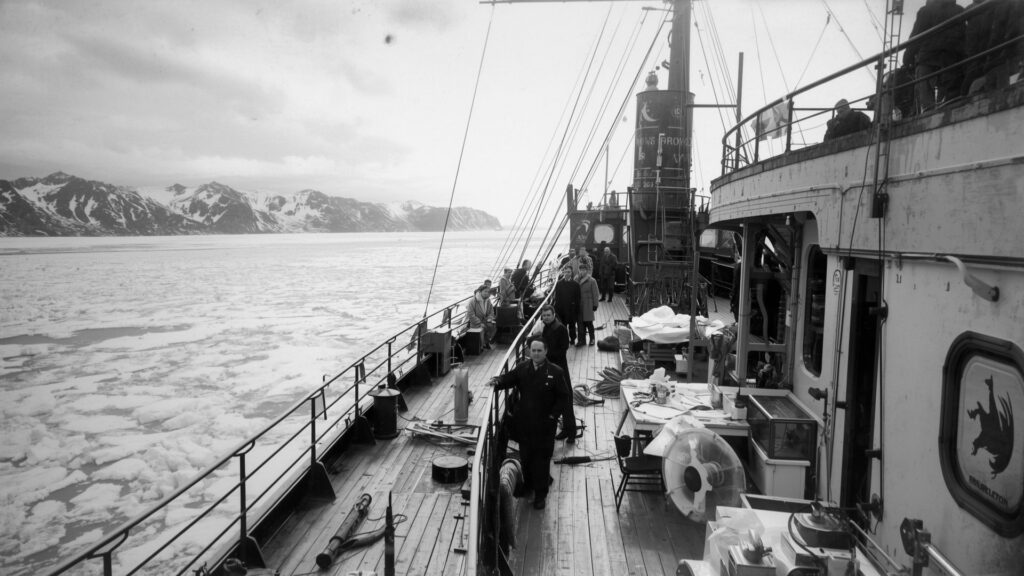
Fergus O’Gorman is an Irish Antarctic explorer and research biologist whose career spans over six decades of scientific research and adventure. O’Gorman first travelled to Antarctica in October 1957 aboard the royal research ship Shackleton, departing from Southampton at just 21 years old. He spent three years studying fur seals and five other seal species, alongside penguins, flying albatross, and petrels in one of Earth’s most extreme environments.
The Dublin-based adventurer has completed six Antarctic expeditions since 2000, maintaining an extraordinary connection with the frozen continent that began in his youth. Fergus O’Gorman’s scientific background combined with his passion for exploration made him the ideal partner for Pat Falvey’s ambitious Antarctic crossing attempt. His extensive knowledge of Antarctic wildlife, geography, and survival conditions proved invaluable to expedition planning and execution.
Beyond Antarctica, Fergus O’Gorman established himself as a UNESCO consultant specialising in World Heritage Site management. He created the first master’s programme in World Heritage Management at University College Dublin, personally visiting 78 World Heritage Sites to supervise student projects. His academic career complements his adventuring spirit, demonstrating how scientific rigour and exploration fuel each other.
The Tom Crean Connection and Beyond Endurance
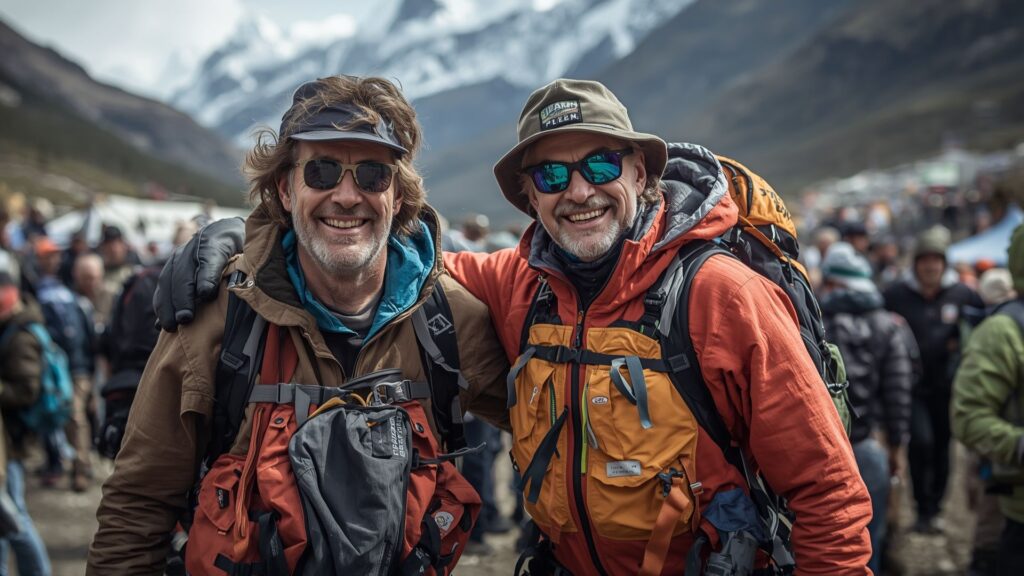
Fergus O’Gorman met Pat Falvey for the first time at the Tom Crean memorial dinner in the Brandon Hotel in Tralee, County Kerry, on December 12th, 2002. O’Gorman arrived without a booking, travelling from Dublin with a free train pass and finding a vacant seat beside Falvey. The two men connected immediately over their shared passion for Antarctic exploration.
Falvey had just returned from Everest, an achievement that impressed O’Gorman, whose own Everest ambitions remained unfulfilled at that time. When O’Gorman asked about Falvey’s next challenge, the answer was crossing Antarctica to complete what Ernest Shackleton had failed to accomplish. Fergus O’Gorman responded enthusiastically, revealing he had just returned from revisiting the continent where he had wintered in 1959.
The partnership formed instantly. By the end of the evening, Fergus O’Gorman and Pat Falvey were planning the Antarctic expedition that would follow in the footsteps of Shackleton, Tom Crean, and Frank Worsley. The following morning, O’Gorman contacted Falvey with the perfect expedition name: “Beyond Endurance.” Falvey’s immediate response confirmed the name captured their ambition perfectly.
The Beyond Endurance expedition aimed to cross South Georgia in the tracks of Shackleton’s legendary 1916 crossing, then continue to Elephant Island where 22 crew members of the Endurance had survived the Antarctic winter before rescue. The expedition required significant organisation and assembling a ship full of experienced adventurers willing to tackle one of exploration’s most challenging journeys.
Antarctic Scientific Career
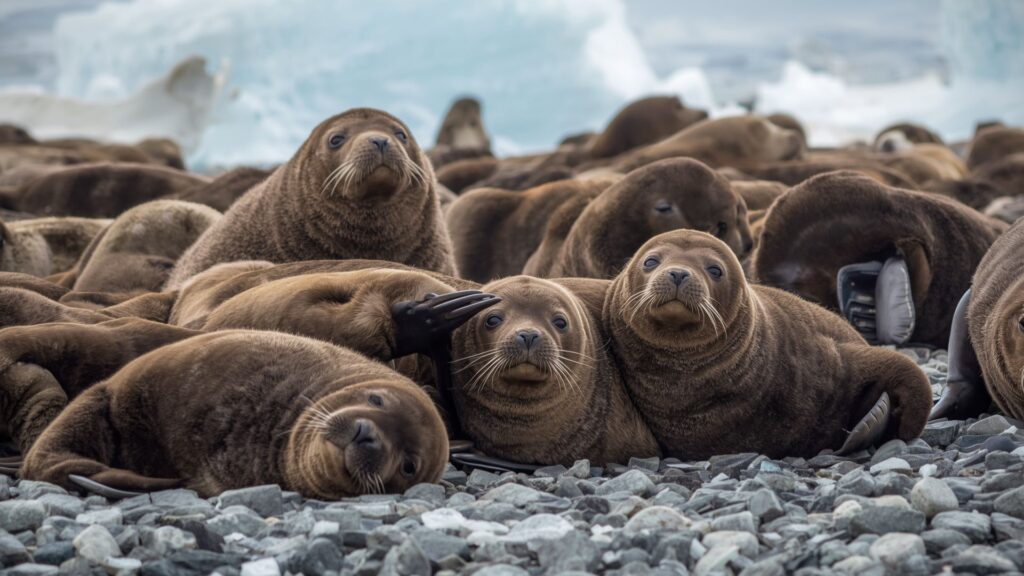
Fergus O’Gorman’s Antarctic career began as a research biologist focusing on seal populations and seabird ecology. He boarded the royal research ship Shackleton at Southampton in October 1957, beginning a three-year posting that would define his scientific and personal trajectory. O’Gorman returned in May 1960 with extensive field data and survival experience that few researchers possessed.
His research concentrated on fur seals, studying their behaviour, population dynamics, and adaptation to Antarctic conditions. O’Gorman also documented five other seal species, contributing valuable baseline data for long-term Antarctic wildlife monitoring. The penguin, albatross, and petrel observations added ornithological dimensions to his marine mammal research, creating comprehensive ecosystem studies.
Working in Antarctica during the late 1950s required extraordinary resilience and self-sufficiency. Fergus O’Gorman learned navigation, cold-weather survival, and field research techniques that served him throughout subsequent expeditions. The scientific discipline from this early career phase informed his approach to later adventures, where preparation and systematic observation proved crucial to success.
Six Antarctic Returns Since 2000
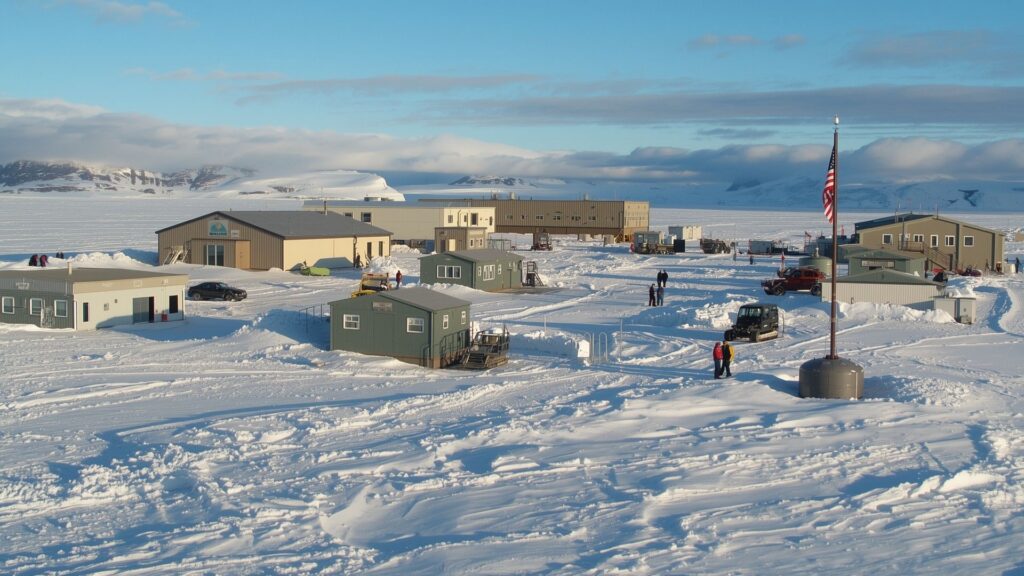
Fergus O’Gorman has completed three Antarctic expeditions this century and returned three additional times since, with his most recent visit occurring in 2015. His 2014 expedition marked his first journey to the opposite side of the Antarctic continent, travelling from New Zealand to McMurdo Sound. The main US Antarctic base houses more than 600 people in a collection of buildings that O’Gorman described as an unattractive sight within such pristine surroundings.
The 2015 expedition held particular significance for Fergus O’Gorman both professionally and personally. He joined the British Antarctic memorial journey to the Falklands and Antarctic Peninsula, visiting sites where 28 British Antarctic Survey members died between 1948 and 2003. O’Gorman knew several of these scientists quite well, having shared a tent on Livingston Island in the South Shetlands for over two months with Alan Sharman just before Sharman died in a crevasse accident.
The memorial expedition successfully visited most locations where these researchers lost their lives pursuing scientific knowledge. For Fergus O’Gorman, the journey combined commemoration with closure, honouring colleagues who dedicated their lives to Antarctic science. The expedition demonstrated his commitment to the Antarctic research community and recognition of the risks inherent in polar exploration.
Antarctica Wedding at 68 Degrees South
Fergus O’Gorman fulfilled a long-held ambition in 2015 when he married partner Denise in Antarctica at their most southerly point possible. The plan faced initial obstacles when O’Gorman attempted to bring Denise to McMurdo Sound in 2014. Her response was direct: “Antarctica is too bloody cold and miserable a place to holiday.” She remained unaware of the engagement ring in O’Gorman’s pocket and his marriage intentions.
The 2015 approach proved more successful. Fergus O’Gorman enlisted Denise’s sister Paula to emphasise the importance of joining the Antarctic memorial journey together. The couple travelled via Rio de Janeiro, O’Gorman’s second favourite city after Rome, before visiting Montevideo, Buenos Aires, and Ushuaia. They boarded the MV Ushuaia under Captain Jorge Aldegheri, with whom O’Gorman had sailed twice previously.
O’Gorman confided his secret plan only to Captain Aldegheri, who promised discretion and guaranteed they would reach the most southerly landing point possible. On Monday, March 9th, they reached Horseshoe Island south of the Antarctic Circle at 68 degrees 11 minutes south. Fergus O’Gorman proposed the previous night, receiving an incredulous “You must be joking!” before Denise realised the champagne celebration confirmed his serious intentions.
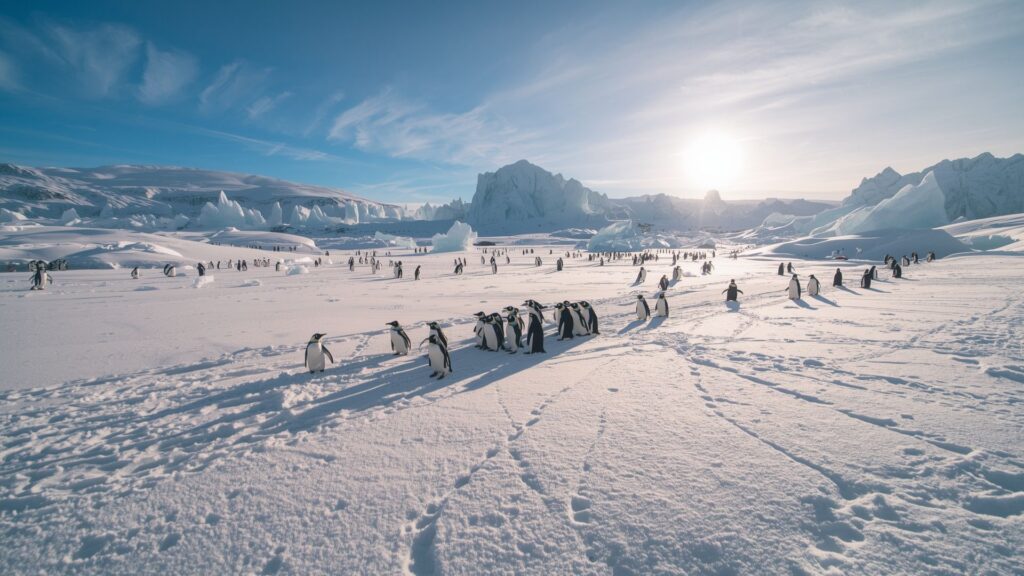
Captain Aldegheri informed O’Gorman that once ashore, all his legal powers as ship’s captain became null and void. The ceremony of commitment took place on the beach with penguins and fur seals as witnesses, captured on camera for a full-length expedition film launched at the Royal Geographical Society headquarters in London. The unconventional wedding location perfectly matched Fergus O’Gorman’s adventurous approach to life.
UNESCO and World Heritage Site Expertise
Fergus O’Gorman’s career extended beyond exploration into cultural heritage preservation and education. As a long-time UNESCO consultant, he established the first master’s programme in World Heritage Management at University College Dublin. The programme required all students to complete projects at actual World Heritage Sites, necessitating O’Gorman’s personal supervision and site visits.
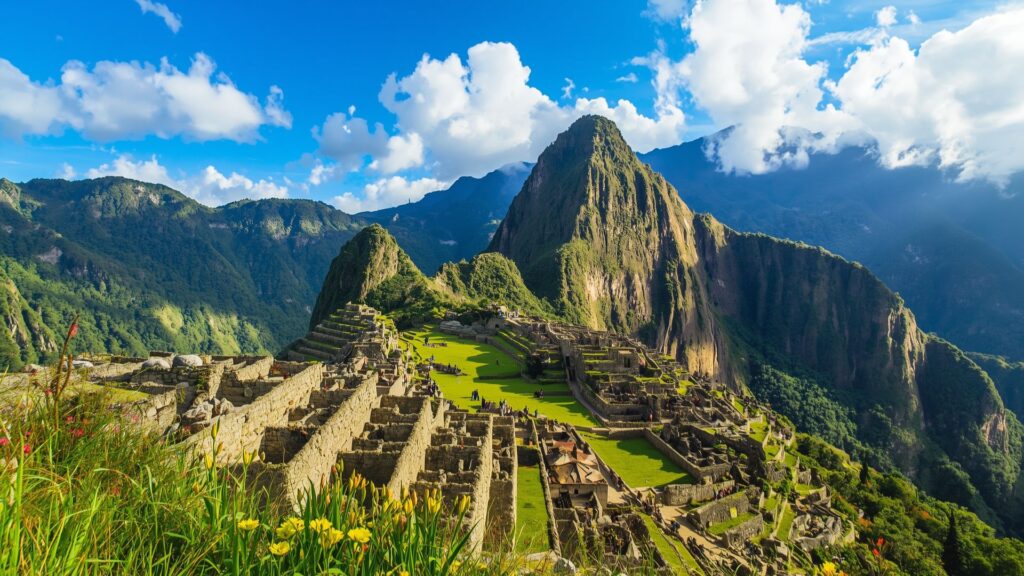
This academic requirement aligned perfectly with O’Gorman’s passion for travel and cultural exploration. He has visited 78 World Heritage Sites across multiple continents, from guided Carrauntoohil hikes in Ireland to remote archaeological sites and natural wonders worldwide. Each site visit combined educational oversight with personal exploration, demonstrating how professional obligations and adventure complement each other.
The World Heritage programme at UCD reflects Fergus O’Gorman’s belief that heritage conservation requires hands-on experience and direct engagement with sites. His students benefited from working with an educator who understood both academic theory and practical field conditions. O’Gorman’s approach to heritage management mirrors his Antarctic research philosophy: systematic study combined with respect for the environment and cultural context.
What Adventures Remain for Fergus O’Gorman?
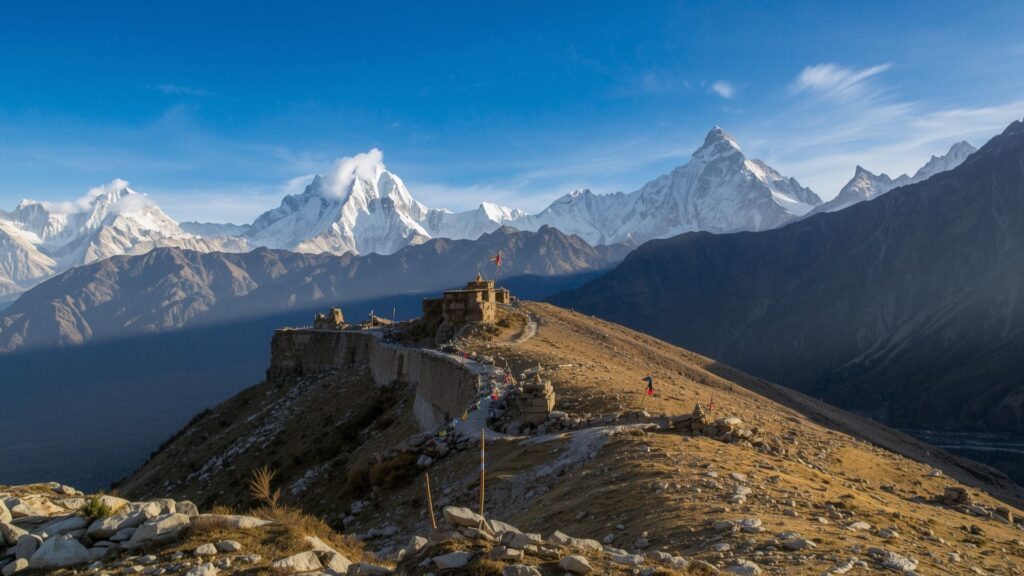
Fergus O’Gorman continues questioning whether retirement from active exploration makes sense while he remains physically capable. His bucket list includes Everest Base Camp, though he acknowledges this goal may prove beyond his current abilities. The Greenland Icecap crossing remains a possibility, representing another polar challenge comparable to his Antarctic experiences.
Several destinations O’Gorman once prioritised have already been achieved. The Galapagos Islands visit included meeting David Attenborough on his 80th birthday, combining wildlife observation with celebrity encounter. Machu Picchu and Amazon Rainforest treks have been completed, alongside numerous other expeditions that many adventurers never accomplish. These achievements reflect decades of consistent travel and exploration.
Fergus O’Gorman has set himself an ambitious target: reaching 100 World Heritage Sites before collecting “the President’s cheque,” his euphemistic reference to retirement or mortality. With 78 sites already visited, the remaining 22 represent achievable goals that combine travel, education, and cultural appreciation. His philosophy remains straightforward: “Every day I can stand up, I’m ahead of the posse.”
The question of hanging up climbing boots holds little appeal for Fergus O’Gorman while health permits continued activity. His approach to ageing embraces ongoing challenges rather than gradual withdrawal from adventure. Whether leading Kilimanjaro expeditions or visiting heritage sites, O’Gorman demonstrates that exploration remains possible across decades with proper preparation and realistic goal-setting.
Lessons from a Lifetime of Exploration
Fergus O’Gorman’s six-decade career offers valuable insights for aspiring explorers and adventurers. His early Antarctic posting at age 21 demonstrates the importance of seizing opportunities when they arise, even when qualifications seem marginal or experience limited. The combination of scientific training and wilderness survival skills proved invaluable throughout subsequent expeditions and professional work.
The Beyond Endurance expedition partnership with Pat Falvey illustrates how chance encounters can lead to significant adventures. O’Gorman’s willingness to engage with strangers at the Tom Crean memorial dinner created opportunities that careful planning alone could never achieve. His immediate offer to join Falvey’s Antarctic crossing showed decisiveness and confidence built through decades of polar experience.
Fergus O’Gorman’s multiple returns to Antarctica reflect sustained passion rather than single achievement. Many explorers complete one significant expedition then retire to recounting past glories. O’Gorman’s six Antarctic visits since 2000 demonstrate ongoing engagement with places and challenges that continue fascinating him. The memorial expedition honouring fallen colleagues showed how exploration connects personal ambition with broader community responsibilities.
The UNESCO work and World Heritage Site programme creation reveal how exploration experience translates into educational and conservation leadership. Fergus O’Gorman applied field knowledge to academic curriculum development, creating learning opportunities for students while advancing heritage preservation. His approach shows that adventure and scholarship reinforce rather than conflict with each other when properly integrated.
Planning Your Own Adventure with Pat Falvey
Fergus O’Gorman’s partnership with Pat Falvey demonstrates the value of combining complementary expertise for ambitious expeditions. Pat Falvey Irish & Worldwide Adventures offers guided expeditions drawing on decades of mountaineering and polar experience. The company provides professional leadership for challenges ranging from Irish mountain hikes to Himalayan peaks and polar crossings.
Aspiring adventurers interested in following paths similar to Fergus O’Gorman’s Antarctic journeys can explore expedition options through Pat Falvey’s programmes. The company offers Annapurna Base Camp treks, Island Peak and Everest Base Camp combinations, and South American adventures including Salkantay and Machu Picchu routes. Each expedition receives professional planning and experienced leadership.
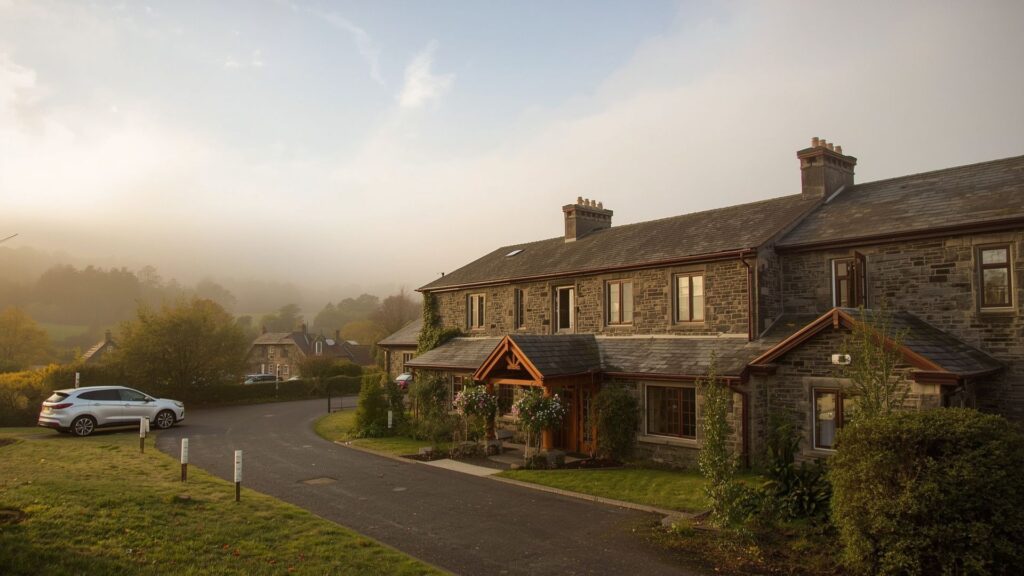
Closer to home, Pat Falvey’s Kerry-based operations include The Mountain Lodge providing accommodation and basecamp facilities for Irish adventures. The lodge serves as a training and preparation centre for international expeditions, offering a supportive environment for building fitness and technical skills. Ireland’s mountains provide excellent conditioning for more challenging overseas objectives.
For those interested in O’Gorman’s approach to cultural exploration, Pat Falvey offers Camino de Santiago pilgrimages and Mount Toubkal expeditions in Morocco. These adventures combine physical challenge with cultural immersion, reflecting the educational philosophy that Fergus O’Gorman applied throughout his UNESCO heritage work. Contact Pat Falvey Irish & Worldwide Adventures at +353 64 6644 181 or info@patfalvey.com to discuss expedition options.