
The culture of the Maasai tribe stands as one of the most recognisable indigenous traditions in East Africa. The Maasai people inhabit the vast plains across Kenya and Tanzania, maintaining customs that date back centuries. Their vibrant red attire, distinctive beadwork, and ceremonial practices make the culture of the Maasai tribe immediately identifiable. The Maasai population numbers approximately 1 million people, divided between the two countries, with most concentrated around the Serengeti, Maasai Mara, and regions surrounding Mount Kilimanjaro.
The Maasai language, Maa, belongs to the Nilotic language family. The culture of the Maasai tribe preserves oral traditions passed through generations, with elders serving as primary knowledge keepers. Maasai society operates through an age-set system where individuals progress through defined life stages, each marked by specific ceremonies and responsibilities.
The Distinctive Maasai Attire and Adornment
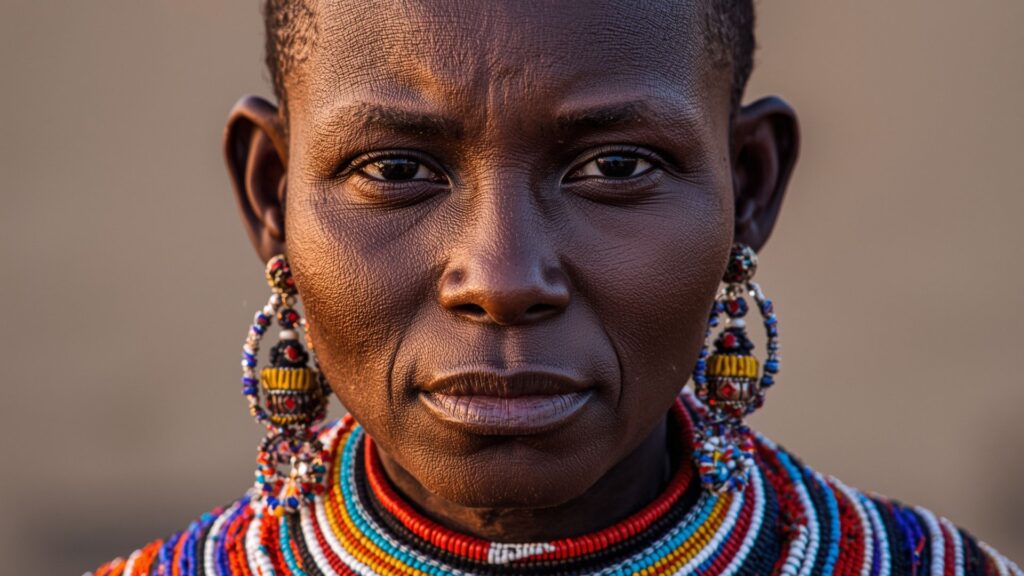
The culture of the Maasai tribe expresses itself most visibly through clothing and jewellery. Each colour, pattern, and ornament carries specific meaning within Maasai society.
The Maasai wear bright red shukas (traditional cloaks) made from cotton cloth. Red symbolises bravery, strength, and unity within the culture of the Maasai tribe. Maasai warriors wear red exclusively, while elders add blue and purple to their attire. Women create intricate beadwork using glass beads in specific colour combinations. White beads represent purity and health. Blue signifies energy and the sky. Green indicates land and production. Orange and yellow denote hospitality and warmth.
The beadwork patterns identify age, marital status, and clan affiliation. Young unmarried women wear elaborate flat beaded collars covering their chests. Married women switch to smaller, more restrained necklaces. Warriors wear beaded headbands and ear decorations that increase in complexity with achievements. The Maasai stretch their earlobes from childhood, creating distinctive elongated lobes adorned with heavy beaded jewellery.
Semi-Nomadic Pastoralism and Cattle Culture
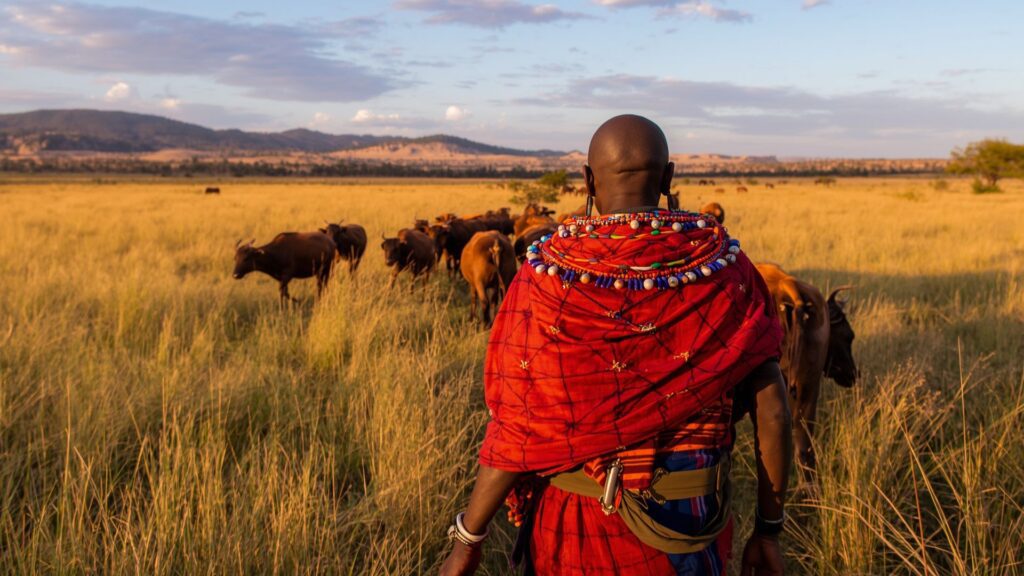
Cattle define wealth, social status, and daily life within the culture of the Maasai tribe. The Maasai relationship with their herds extends beyond economic value into spiritual and social realms.
The Maasai practice transhumance pastoralism, migrating seasonally with cattle herds numbering from 50 to 300 head per family. Cattle provide milk, blood, meat, and hides. The Maasai mix fresh cattle blood with milk to create a protein-rich drink consumed during ceremonies and by warriors. Families measure wealth in cattle rather than currency. A man needs at least 20 cattle to marry. Wedding negotiations involve transferring specific numbers of cattle to the bride’s family.
The culture of the Maasai tribe developed sophisticated grazing management systems. Communities rotate pasture use to prevent overgrazing. During dry seasons, Maasai herders travel up to 100 kilometres seeking fresh grass and water. Young warriors, called morans, spend months in remote grazing camps protecting cattle from predators. The Kilimanjaro expeditions offered by Pat Falvey include visits to Maasai communities where participants observe traditional herding practices.
The Adumu: Maasai Jumping Dance
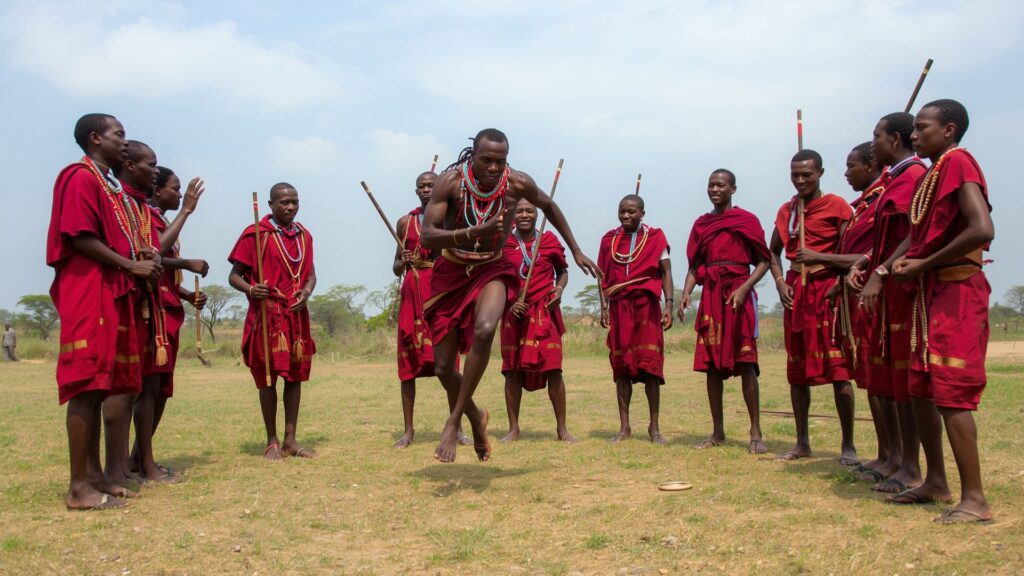
The Adumu dance embodies the physical prowess and competitive spirit central to the culture of the Maasai tribe. This distinctive jumping dance occurs during celebrations and ceremonies.
Maasai warriors perform the Adumu during ceremonies and community celebrations. Warriors form a circle and take turns jumping vertically from a standing position. Jumpers can reach heights of 60 to 90 centimetres. The higher the jump, the more respect the warrior earns. Warriors maintain a narrow stance with feet together, generating power through calf muscles alone. The circle of warriors provides rhythmic chanting that accompanies each jump.
The Adumu serves multiple purposes within the culture of the Maasai tribe. The dance displays physical conditioning and strength to potential marriage partners. Young women observe the jumping competitions to identify capable warriors. The dance also establishes hierarchy among age-mates. Communities recognise exceptional jumpers as potential chiefs or spokesmen. Modern Maasai communities perform the Adumu for visitors during cultural tourism activities. Travellers on Pat Falvey’s Kilimanjaro treks witness authentic Adumu performances in village settings.
Traditional Ceremonies and Life Transitions
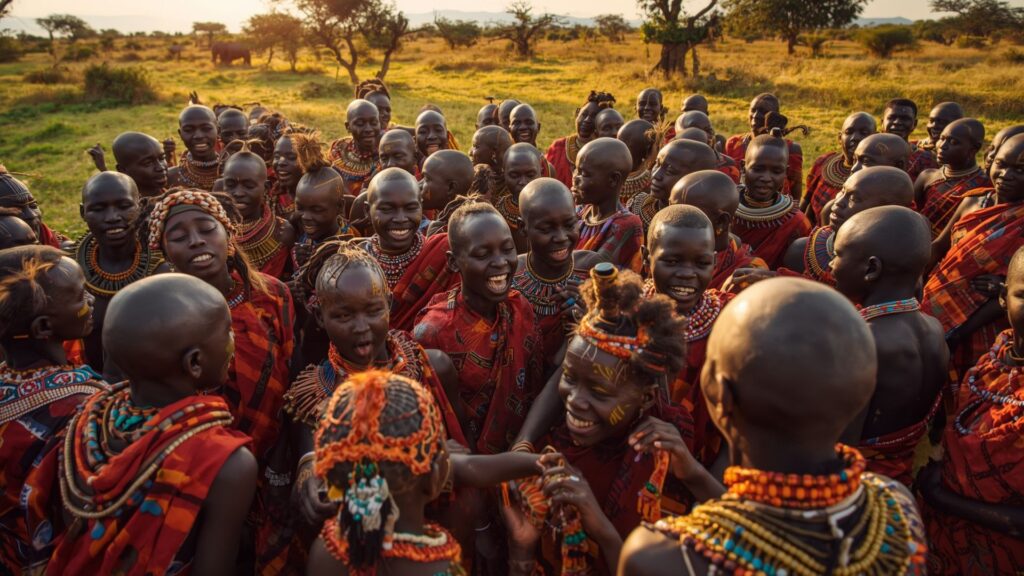
The culture of the Maasai tribe marks life transitions through elaborate ceremonies. These rituals maintain social cohesion and transfer knowledge between generations.
Eunoto represents the most significant ceremony in Maasai warrior culture. This rite of passage transitions young men from warrior status to junior elder status. Eunoto ceremonies occur every 10 to 15 years when an entire age-set reaches maturity together. The ceremony spans eight days and involves hundreds of participants. Warriors shave their long braided hair, symbolising their departure from warrior life. Mothers perform the shaving, marking the end of their sons’ youth.
Enkipaata marks the beginning of warrior initiation. Boys aged 14 to 16 gather at a designated location for this pre-circumcision ceremony. Participants wear black clothes and paint their faces with white chalk. Following Enkipaata, families prepare for circumcision ceremonies where boys demonstrate courage and readiness for warrior status. The culture of the Maasai tribe includes female initiation ceremonies, though these have faced international criticism. Many Maasai communities now pursue alternative coming-of-age ceremonies that maintain cultural significance without harmful practices.
Maasai Environmental Stewardship
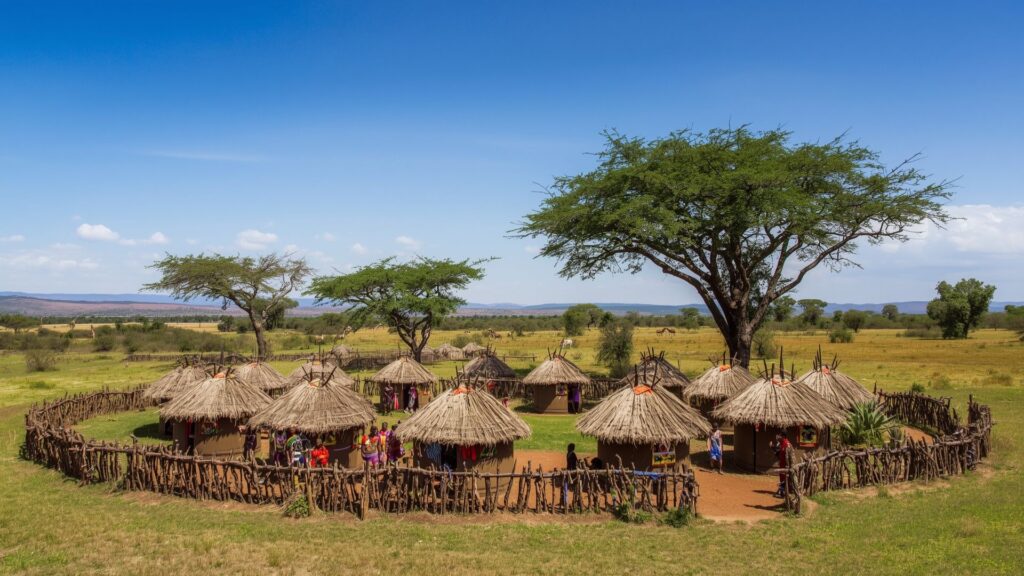
The culture of the Maasai tribe developed in close relationship with East Africa’s wildlife and ecosystems. Maasai traditional practices contribute significantly to modern conservation efforts.
Maasai territories overlap with the Serengeti ecosystem in Tanzania and Maasai Mara National Reserve in Kenya. These regions support the world’s largest wildebeest migration, involving 1.5 million animals annually. Maasai pastoralism created and maintained the open grasslands that support this migration. Traditional grazing patterns prevented bush encroachment and maintained habitat diversity. Maasai communities coexist with lions, elephants, leopards, and other apex predators.
Modern conservation partnerships involve Maasai communities as active participants. Conservancies in Kenya provide Maasai landowners with payments for setting aside land for wildlife. The Maasai Mara Conservancies programme covers over 180,000 hectares and generates income for more than 10,000 Maasai families. The Maasai also participate in anti-poaching efforts. Community rangers drawn from Maasai villages patrol protected areas and report illegal activities. Visitors on East African expeditions observe how the culture of the Maasai tribe integrates traditional practices with modern conservation science.
Contemporary Challenges and Resilience
The culture of the Maasai tribe faces significant pressures from modernisation, land conflicts, and policy changes. These challenges threaten traditional practices while creating new opportunities.
Land tenure represents the primary challenge facing Maasai communities. Governments in Kenya and Tanzania have converted traditional Maasai grazing lands into national parks, conservation areas, and private ranches. Maasai families now own individual plots rather than communal lands, limiting seasonal migration patterns. Education access remains limited in many Maasai areas. Primary school attendance in Maasai regions reaches only 60 to 70 per cent.
Climate change impacts Maasai pastoralism directly. Droughts occur more frequently and last longer than historical patterns. Unpredictable rainfall patterns disrupt traditional migration schedules. Despite these challenges, the culture of the Maasai tribe demonstrates resilience. Maasai organisations advocate for community rights and cultural preservation. Maasai-led tourism initiatives provide alternative income while maintaining cultural practices.
Experiencing Maasai Culture with Pat Falvey
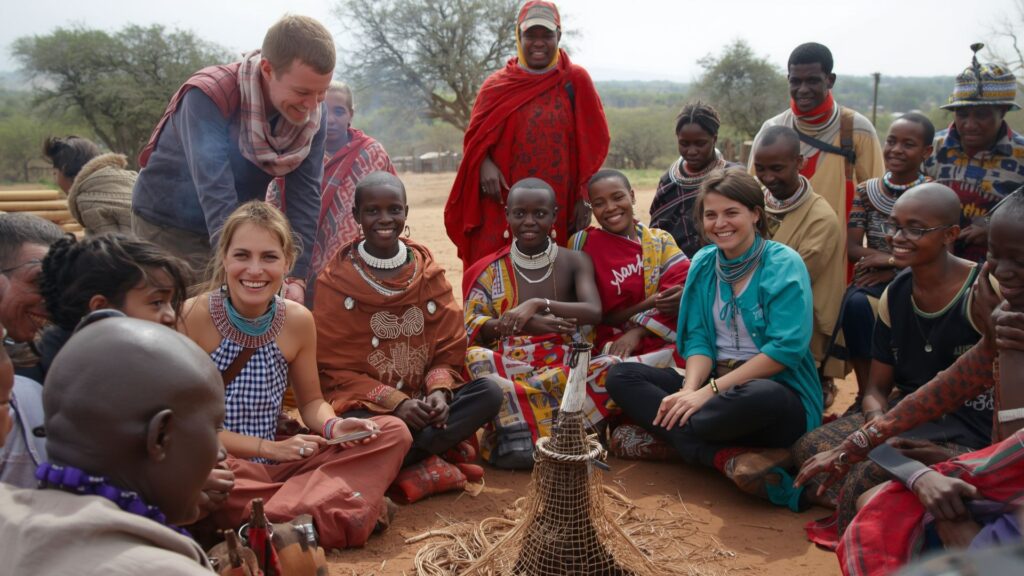
Pat Falvey Irish & Worldwide Adventures includes authentic cultural experiences in Kilimanjaro expeditions. These interactions support Maasai communities economically while providing visitors with genuine insights into the culture of the Maasai tribe.
Kilimanjaro treks pass through Maasai territories in northern Tanzania. Pat Falvey’s expeditions incorporate village visits lasting several hours. Visitors observe daily life, participate in ceremonies when timing allows, and learn directly from Maasai community members. Cultural demonstrations include the Adumu jumping dance, fire-making using traditional methods, and beadwork workshops. Women teach visitors the significance of different bead colours and patterns.
Pat Falvey emphasises respectful engagement that honours Maasai dignity and autonomy. Photography requires permission. Visitors learn appropriate behaviour when entering homes or observing ceremonies. Pat Falvey’s 30 years’ experience leading expeditions to East Africa has built long-term relationships with Maasai communities. The Mountain Lodge in Kerry provides pre-expedition briefings on Maasai culture and appropriate visitor behaviour.
Pat Falvey has guided over 2,000 people to Kilimanjaro’s summit since 1995, maintaining success rates above 90 per cent. Physical preparation begins 3 to 4 months before departure. Carrauntoohil training climbs in Kerry provide excellent preparation for Kilimanjaro’s demands. Travellers can extend their East African adventure with a safari and Zanzibar beach experience.
FAQs
The Maasai speak Maa, a Nilotic language. Most Maasai also speak Swahili and increasing numbers speak English, especially younger generations.
Tourism provides significant income through cultural visits, conservancy payments, and handicraft sales. Pat Falvey’s approach ensures tourism benefits communities directly through fair payments and respectful engagement.
Pat Falvey’s Kilimanjaro expeditions include authentic Maasai village visits. These experiences last several hours and provide direct interaction with community members.
The Maasai maintain age-set initiations, the Adumu jumping dance, traditional dress and beadwork, semi-nomadic pastoralism in some regions, and oral storytelling traditions.
Maasai communities balance traditional practices with modern adaptations. Many families send children to formal schools while maintaining cultural education at home.