
Everest Base Camp sits at 5,364 metres in the Khumbu region of Nepal, offering trekkers a journey to the foot of the world’s highest mountain. Pat Falvey Irish & Worldwide Adventures leads expeditions from Ireland with over 30 years of Himalayan experience and a proven track record of successful treks. This guide covers the routes, preparation requirements, costs, and what to expect on your Everest Base Camp adventure.
What Is the Everest Base Camp Trek?
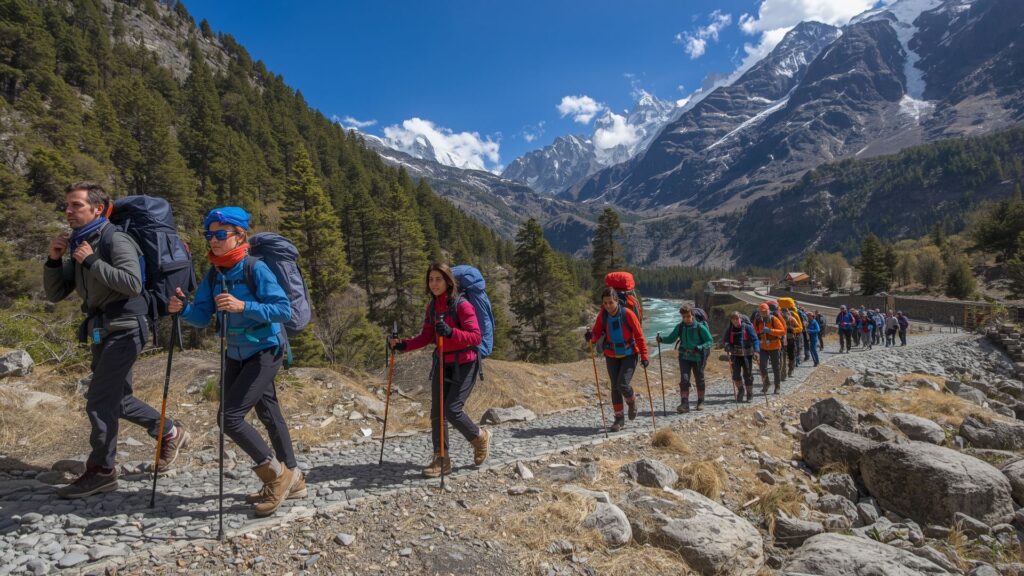
The Everest Base Camp trek takes you through the heart of the Khumbu Valley to the base of Mount Everest at 5,364 metres above sea level. This journey follows the footsteps of legendary mountaineers and passes through Sherpa villages, ancient monasteries, and dramatic mountain landscapes. The trek typically spans 12-14 days and covers approximately 130 kilometres of mountain terrain.
Pat Falvey Irish & Worldwide Adventures organises Everest Base Camp expeditions from Ireland throughout the year, with peak seasons in spring and autumn. The company provides experienced guides, comprehensive logistics, and altitude acclimatisation support for Irish trekkers seeking this bucket-list adventure.
The route begins with a flight from Kathmandu to Lukla at 2,860 metres, then ascends gradually through the Dudh Kosi valley. Trekkers pass through Namche Bazaar, the Sherpa capital at 3,440 metres, before continuing to Tengboche, Dingboche, and Lobuche on the approach to Everest Base Camp. The trek offers views of four of the world’s six highest peaks: Everest, Lhotse, Makalu, and Cho Oyu.
Routes to Everest Base Camp
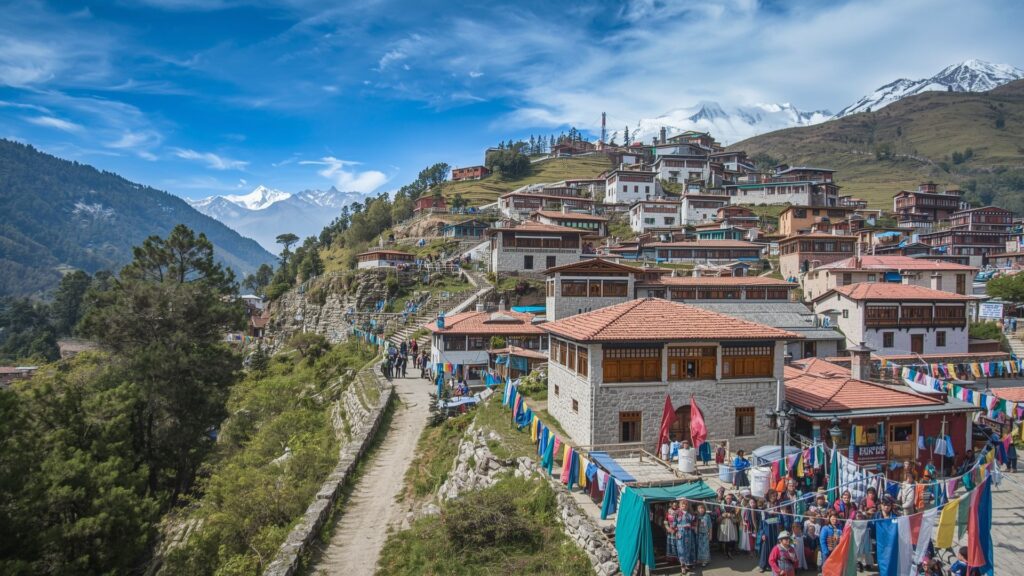
The classic route to Everest Base Camp follows the South Col approach used by Edmund Hillary and Tenzing Norgay in 1953. This trail provides the most direct path whilst allowing proper acclimatisation through its gradual altitude gain.
The standard route from Lukla takes 8-9 days of trekking, with an additional 3-4 days for the return journey. After landing in Lukla, trekkers follow the Dudh Kosi river valley northward, crossing suspension bridges and passing through pine forests. The trail reaches Namche Bazaar after two days, where groups spend an extra day for altitude acclimatisation.
From Namche, the route continues to Tengboche at 3,867 metres, home to the region’s largest monastery. The trail then ascends to Dingboche at 4,410 metres, where another acclimatisation day allows for hikes to higher elevations. The final push takes trekkers through Lobuche at 4,940 metres to Gorak Shep, the last settlement before Everest Base Camp.
Pat Falvey’s expeditions include acclimatisation hikes and rest days at strategic points to reduce altitude sickness risk. The company’s guides monitor trekkers’ health throughout the journey and adjust the pace according to group needs.
Physical Requirements and Training
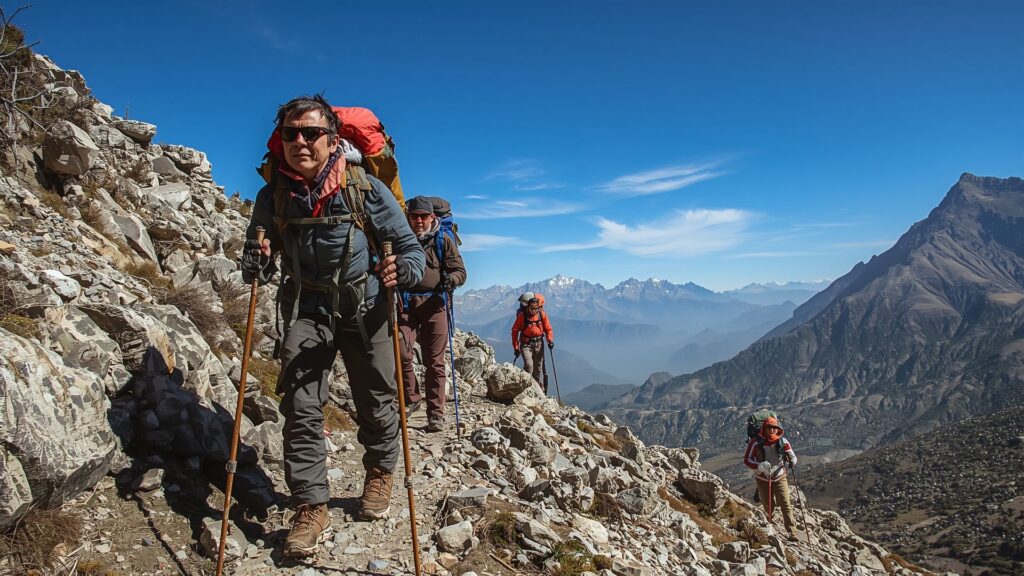
Everest Base Camp requires good cardiovascular fitness and mental determination rather than technical climbing skills. The trek involves 5-7 hours of walking daily at altitudes where oxygen levels drop to 50% of sea level values. Proper preparation increases your chances of reaching base camp and enhances your enjoyment of the experience.
Trekkers should sustain a comfortable walking pace for 6-8 hours whilst carrying a daypack of 5-8 kilograms. The trail includes steep ascents and descents on rocky terrain, with some sections involving steps carved into mountainsides. Previous multi-day hiking experience proves valuable, though first-time trekkers with solid fitness complete the journey successfully.
Pat Falvey recommends starting training 3-4 months before departure. A 12-week training programme should include cardiovascular exercise 4-5 times weekly, with at least two sessions involving sustained effort for 60+ minutes. Hill walking with a weighted pack builds the specific muscle groups and endurance needed for the trek. Include at least one longer session weekly, gradually increasing to 6-8 hours by week 10.
Altitude Acclimatisation Strategy
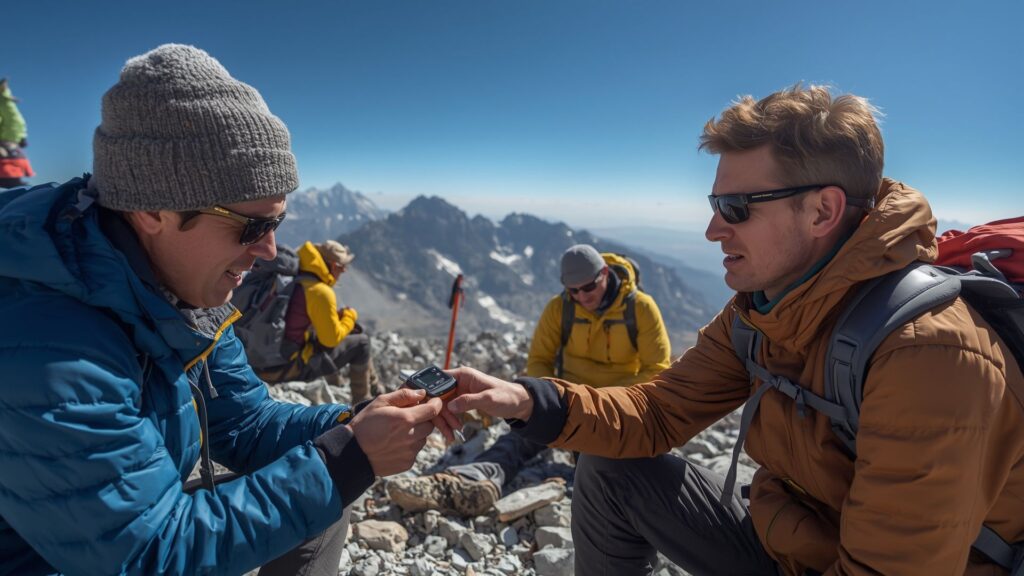
Altitude sickness affects trekkers regardless of fitness level and requires careful acclimatisation to prevent serious complications. The condition occurs when the body cannot adjust quickly enough to reduced oxygen levels at high elevations.
Pat Falvey’s Everest Base Camp itineraries include acclimatisation days at Namche Bazaar (3,440m) and Dingboche (4,410m). These rest days involve short hikes to higher elevations followed by descents to sleep, following the mountaineering principle of “climb high, sleep low.” This strategy allows your body to produce more red blood cells and adjust to lower oxygen levels.
Early symptoms of acute mountain sickness include headaches, nausea, dizziness, and fatigue. Pat Falvey’s guides carry pulse oximeters to monitor blood oxygen levels and check trekkers twice daily for altitude sickness symptoms. The team includes experienced mountain leaders trained in high-altitude medicine who make conservative decisions about continuing upward or descending if symptoms develop.
Best Time to Trek to Everest Base Camp
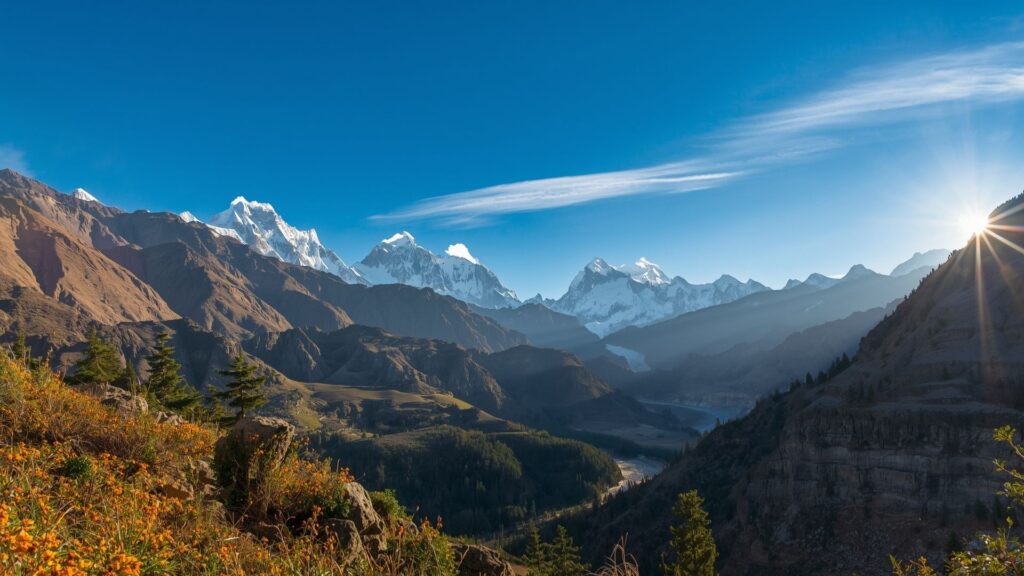
The Everest Base Camp trek operates year-round, though weather conditions vary significantly by season. Spring and autumn offer the most stable weather and clearest mountain views, making them the preferred seasons for most trekkers.
Spring (March to May) provides stable weather patterns and warming temperatures as the season progresses. Daytime temperatures at Everest Base Camp range from -5°C to 5°C, with nights dropping to -15°C. The spring season coincides with Everest climbing expeditions, allowing trekkers to observe mountaineers preparing for summit attempts. Pat Falvey runs multiple spring expeditions to accommodate demand during this optimal season.
Autumn (September to November) offers the clearest mountain views of any season, with post-monsoon air providing exceptional visibility. This season attracts nearly as many trekkers as spring, with lodges fully operational and trails in excellent condition. Temperatures mirror spring conditions, with comfortable daytime trekking weather and cold nights at higher elevations.
What’s Included in Pat Falvey’s Everest Base Camp Trek
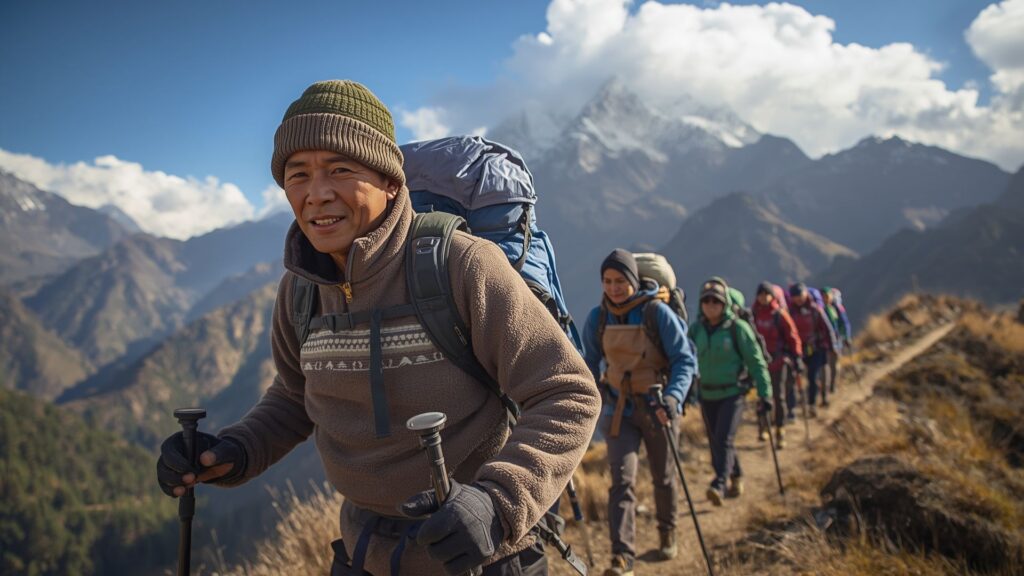
Pat Falvey Irish & Worldwide Adventures provides comprehensive expedition support that covers all aspects of the Everest Base Camp journey from Ireland. The package includes international flights, domestic transport, accommodation, meals on the trek, permits, and experienced guide services.
The expedition package includes return flights from Dublin to Kathmandu, with connections available from other Irish airports. Domestic flights between Kathmandu and Lukla use twin-engine aircraft operated by experienced Himalayan pilots. Accommodation in Kathmandu includes 3-4 star hotels with private rooms, whilst trek lodges provide twin-share rooms with basic facilities.
Each expedition includes experienced Sherpa guides who provide route finding, cultural interpretation, and altitude monitoring. Pat Falvey’s guides hold internationally recognised mountain qualifications and possess intimate knowledge of the Khumbu region. Porters carry main luggage between lodges, allowing trekkers to walk with lightweight daypacks containing only daily essentials.
Cost of Trekking Everest Base Camp from Ireland
Everest Base Camp trek costs from Ireland range from €3,500 to €5,500 depending on group size, season, and included services. Pat Falvey’s expeditions fall within this range and include comprehensive support that represents excellent value compared to independent trekking or budget operators.
Group size significantly impacts per-person costs, with larger groups sharing fixed expenses like guide services and transport. Peak season departures (April and October) command higher prices due to increased demand for flights and accommodation.
Personal equipment hire in Kathmandu costs €150-250 for items like sleeping bags, down jackets, and trekking poles. Tips for guides and porters follow Nepali customs, with groups typically budgeting €150-200 per person for the trek duration. Travel insurance with appropriate coverage costs €80-150 depending on age and policy details. Budget an additional €300-500 for these extras beyond the core expedition cost.
Cultural Experience Along the Trek
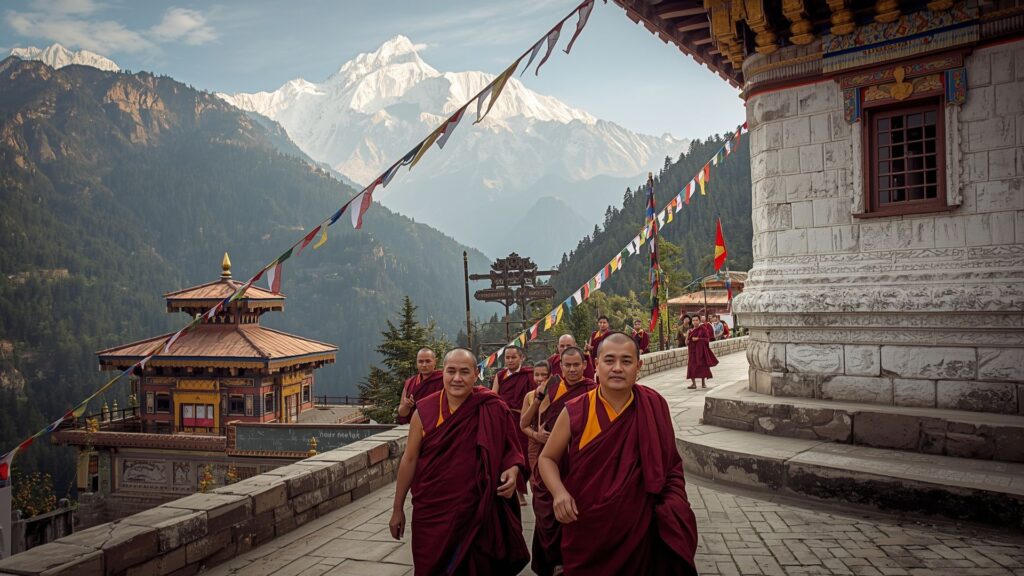
The Everest Base Camp trek provides immersion in Sherpa Buddhist culture through daily interactions with local communities. The route passes through villages that have maintained traditional lifestyles whilst adapting to the tourism economy.
Namche Bazaar serves as the cultural and economic heart of the Khumbu, with shops, bakeries, and the Sherpa Culture Museum providing insight into local history. Tengboche Monastery, founded in 1916, hosts monks who maintain daily prayer rituals and welcome visitors to observe ceremonies.
Buddhist customs influence daily life throughout the Khumbu, with prayer wheels spun clockwise and stupas passed on the left side. Remove shoes before entering monasteries and homes, and ask permission before photographing people or religious sites. Pat Falvey’s guides explain cultural protocols and facilitate meaningful interactions with local people.
Connecting with Other Irish Adventures
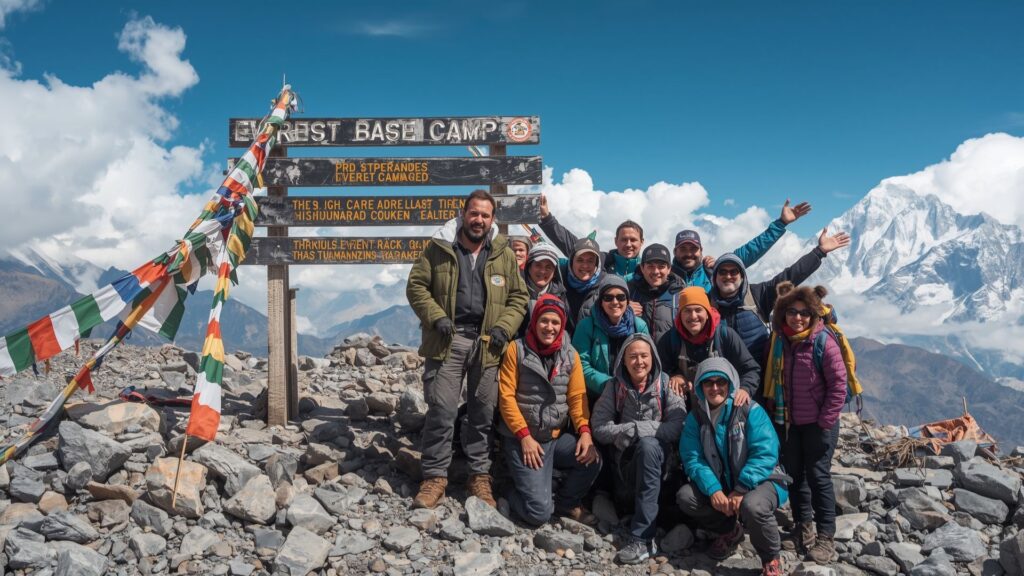
Completing Everest Base Camp often inspires trekkers to pursue other challenging mountain journeys. Pat Falvey offers expeditions that build on the experience gained in the Himalayas.
Island Peak and Everest Base Camp combines the classic trek with a 6,189-metre summit attempt, introducing basic mountaineering skills on a spectacular Himalayan peak. This progression suits trekkers who complete Everest Base Camp and seek a greater challenge requiring crampons, ice axes, and rope work.
Kilimanjaro expeditions offer a different high-altitude challenge on Africa’s highest mountain at 5,895 metres. Pat Falvey has led over 65 Kilimanjaro expeditions and guided more than 2,000 people to Uhuru Peak.
Before committing to Himalayan expeditions, Irish trekkers can build experience through guided Carrauntoohil hikes in Kerry’s MacGillycuddy’s Reeks. The Mountain Lodge in Beaufort, County Kerry, serves as Pat Falvey’s base for Irish operations and provides accommodation for pre-expedition training weekends.
If you would like to learn more, click here to sign up for the Free Everest Base Camp Webinar