
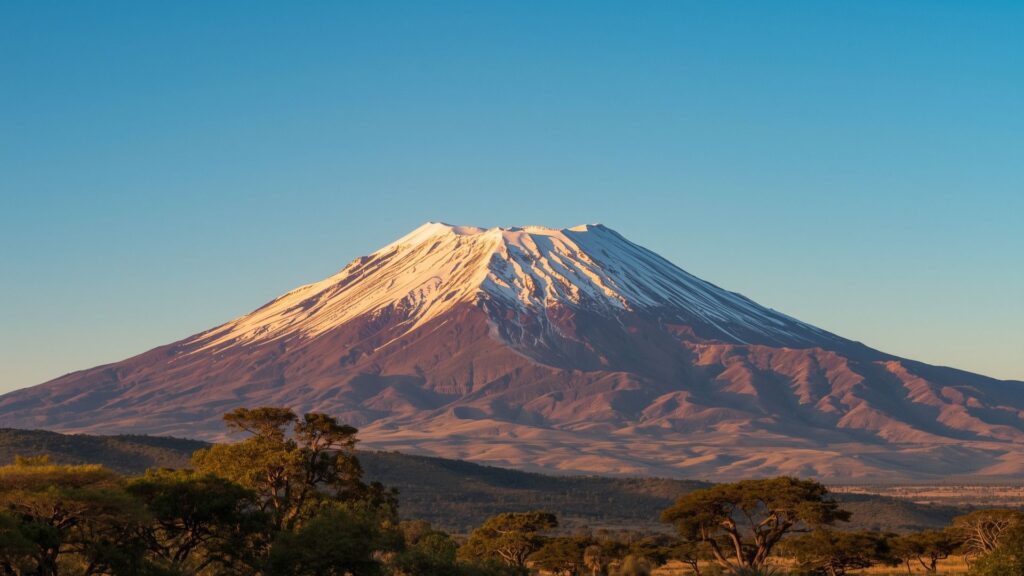
To climb Mount Kilimanjaro, it requires all climbers to use registered guides and porters under Tanzanian National Park regulations introduced in 1991. Pat Falvey Irish & Worldwide Adventures has guided over 2,000 climbers to Kilimanjaro’s summit across 30 years of operation. This guide explains the regulations, what a guided trek includes, and how to prepare for Africa’s highest peak.
Why You Cannot Climb Kilimanjaro by Yourself
Mount Kilimanjaro stands at 5,895 metres, making it Africa’s highest peak and one of the world’s most accessible high-altitude mountains. Many experienced trekkers ask whether they can climb Kilimanjaro independently without guides or organised support. The answer is no under current Tanzanian law.
In 1991, the Tanzanian government and Kilimanjaro National Park Authority changed regulations to require all climbers to trek with registered guides. This policy protects both climbers and the mountain environment whilst supporting local communities through employment. The regulations apply to every route on Kilimanjaro without exception.
Kilimanjaro National Park Regulations
The Tanzanian authorities enforce strict rules that govern every climb Kilimanjaro attempt on the mountain. Understanding these requirements helps climbers plan properly and avoid issues at park gates.
All trekkers must register with the Parks Authority before beginning their ascent and sign in at designated checkpoints along their chosen route. Trekkers need to stay on official trails and cannot use caves or natural shelters for overnight stops. The park prohibits wood fires to protect the fragile alpine ecosystem.
These regulations necessitate proper camping equipment including tents, cooking gear, and adequate food supplies. A standard Kilimanjaro expedition therefore includes a registered guide, porters to carry equipment and supplies, and a cook to prepare meals at altitude. Solo climbers cannot meet these requirements without hiring a full support team.
What a Guided Kilimanjaro Trek Includes
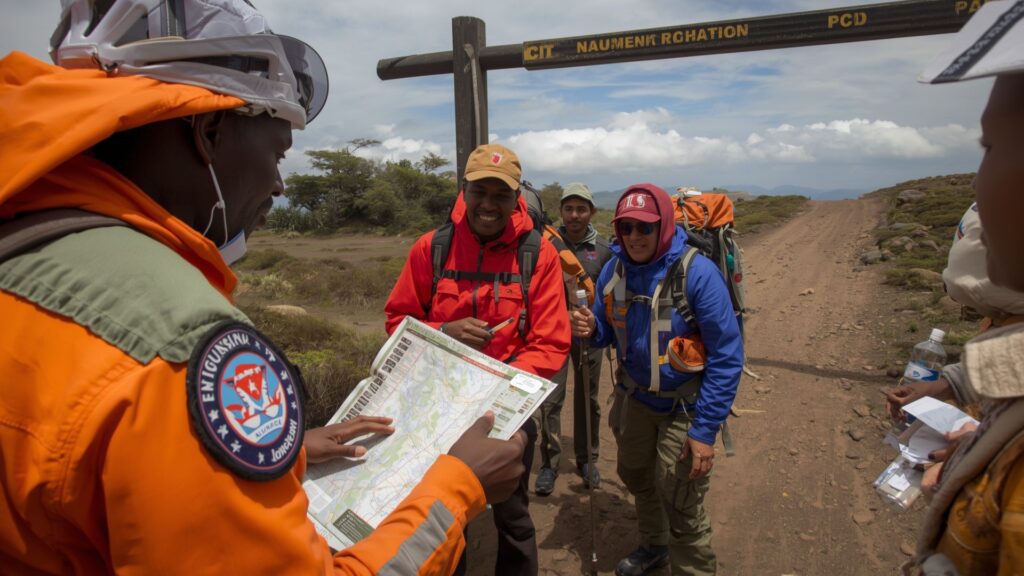
When you climb Kilimanjaro with a registered operator, the package includes comprehensive support throughout your expedition. The team structure ensures safety whilst managing the logistical demands of a multi-day high-altitude trek.
Your expedition includes a certified mountain guide licensed by the Kilimanjaro National Park Authority. Guides hold wilderness first aid qualifications and possess extensive knowledge of altitude sickness symptoms, weather patterns, and route conditions. The guide-to-climber ratio typically ranges from 1:2 to 1:4 depending on group size.
Porters carry camping equipment, food, water, and climbers’ personal gear between camps. Each porter carries a maximum of 20 kilograms as per park regulations. A typical expedition employs 3-4 porters per climber to distribute the load safely. The team also includes a cook who prepares three meals daily using gas stoves at each camp.
All park fees, camping fees, and rescue fees form part of the package cost. These fees contribute directly to mountain conservation and local community development. The Tanzanian government sets these fees annually and they account for approximately 50-60% of total expedition costs.
Kilimanjaro Route Options and Duration
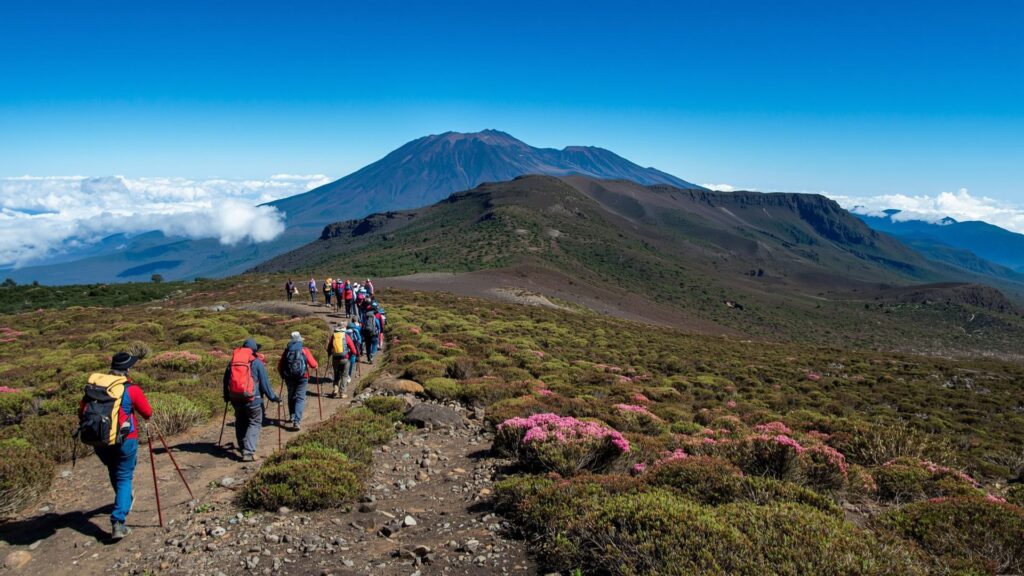
Kilimanjaro offers seven official routes to the summit, each with distinct characteristics, scenery, and success rates. The choice of route affects expedition duration, difficulty, and acclimatisation opportunities.
The Marangu Route, known as the “Coca-Cola Route”, provides hut accommodation instead of camping and takes 5-6 days to complete. This route attracts many first-time climbers but has lower summit success rates due to rapid ascent profiles. Approximately 40-50% of climbers on this route reach Uhuru Peak.
The Machame Route, called the “Whiskey Route”, offers superior acclimatisation through its climb-high-sleep-low profile. This 6-7 day route achieves 65-70% summit success rates. The route crosses diverse climate zones from rainforest through moorland to alpine desert.
The Lemosho Route provides the longest approach and best acclimatisation on the mountain. This 7-8 day trek achieves 85-90% summit success rates when properly paced. Pat Falvey Irish & Worldwide Adventures uses extended Lemosho itineraries to maximise client success and safety.
The Northern Circuit offers the newest and longest route at 9 days, circling the mountain through remote wilderness areas. This route records the highest summit success rates above 90% due to excellent acclimatisation opportunities.
The Rongai Route approaches from the north near the Kenyan border and takes 6-7 days. This drier route receives less traffic than southern approaches. The Umbwe Route provides the most direct and challenging ascent over 6 days with success rates below 50%.
Training and Preparation for Kilimanjaro
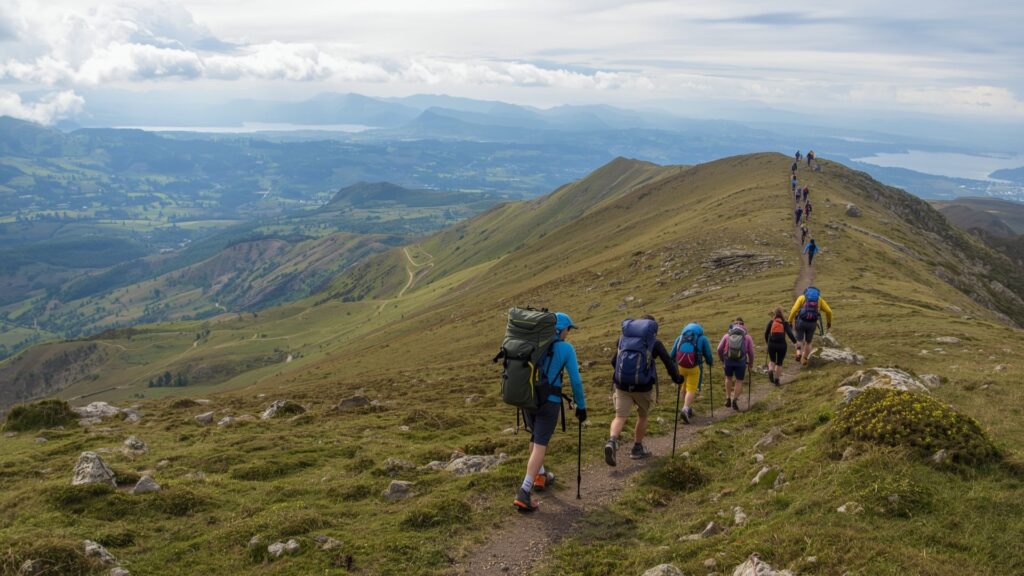
Physical preparation significantly improves summit chances when you climb Kilimanjaro and enhances the overall experience. The trek requires sustained effort at altitude rather than technical climbing skills.
Begin cardiovascular training 12-16 weeks before departure. Build endurance through hiking, running, cycling, or swimming for 45-60 minutes at least four times weekly. Gradually increase intensity and duration throughout your training programme.
Incorporate weighted hiking into your routine 8-10 weeks before departure. Carry a backpack weighing 8-10 kilograms during training hikes to simulate Kilimanjaro conditions. Focus on hills and elevation gain rather than distance alone.
Strength training for legs, core, and upper body supports your trekking endurance. Squats, lunges, step-ups, and planks build relevant muscle groups. Train twice weekly alongside cardiovascular work.
Altitude acclimatisation cannot be replicated at sea level. Climbers from Ireland have no physiological advantage for altitude compared to those preparing at higher elevations. Your body adapts during the trek itself through proper pacing and rest days built into longer routes.
Mental preparation proves equally important for summit success. Kilimanjaro demands persistence through cold, fatigue, and mild altitude symptoms. Visualisation techniques and understanding the challenges ahead build mental resilience.
What to Pack for Your Kilimanjaro Expedition
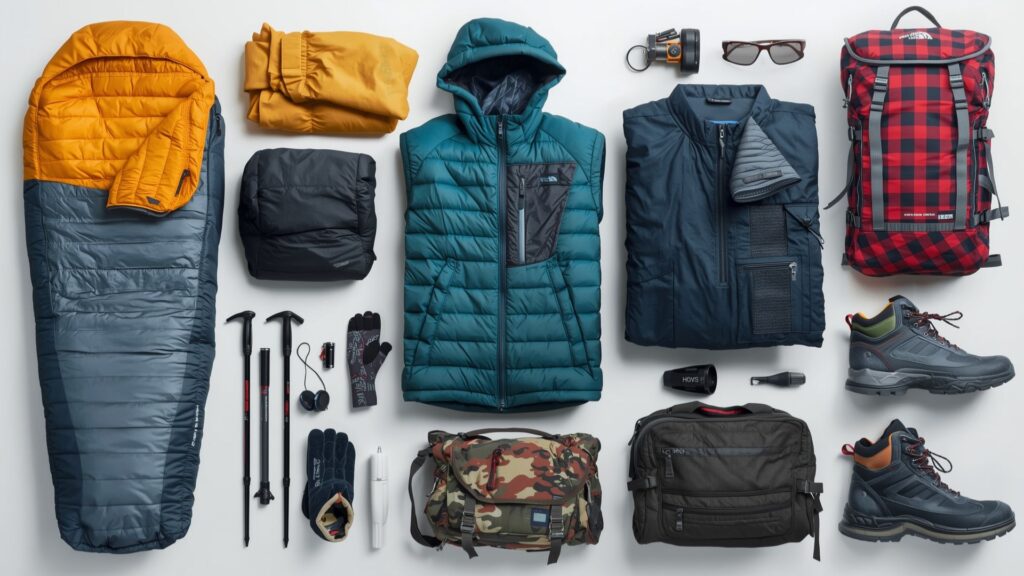
Proper equipment makes the difference between comfort and misery when you climb Kilimanjaro across multiple climate zones. Temperatures range from 25°C in rainforest zones to -20°C at the summit.
Layering systems work best for managing temperature variations throughout each day. Pack a moisture-wicking base layer, insulating mid-layer, and waterproof outer shell. Bring both lightweight and heavyweight insulation options.
A four-season sleeping bag rated to -15°C provides essential warmth at high camps. Rental bags are available in Tanzania but quality varies. Invest in a good sleeping bag or rent from your Irish operator before departure.
Footwear requires careful consideration. Broken-in hiking boots with ankle support prevent injuries on rocky terrain. Pack trainers or light shoes for wearing at camp. Gaiters keep scree and moisture out of boots above 4,000 metres.
Head protection includes a warm hat, sun hat, and neck gaiter or balaclava. You lose significant heat through your head at altitude. Sunglasses with UV protection and glacier glasses prevent snow blindness near the summit.
Trekking poles reduce impact on knees during descents and improve stability on scree slopes. Most climbers find poles invaluable from day one. Your operator can provide rental poles if needed.
Bring a 3-litre water capacity through bottles or hydration bladders. Staying hydrated at altitude prevents headaches and supports acclimatisation. Water sources exist at each camp but require purification.
Understanding Altitude Sickness on Kilimanjaro
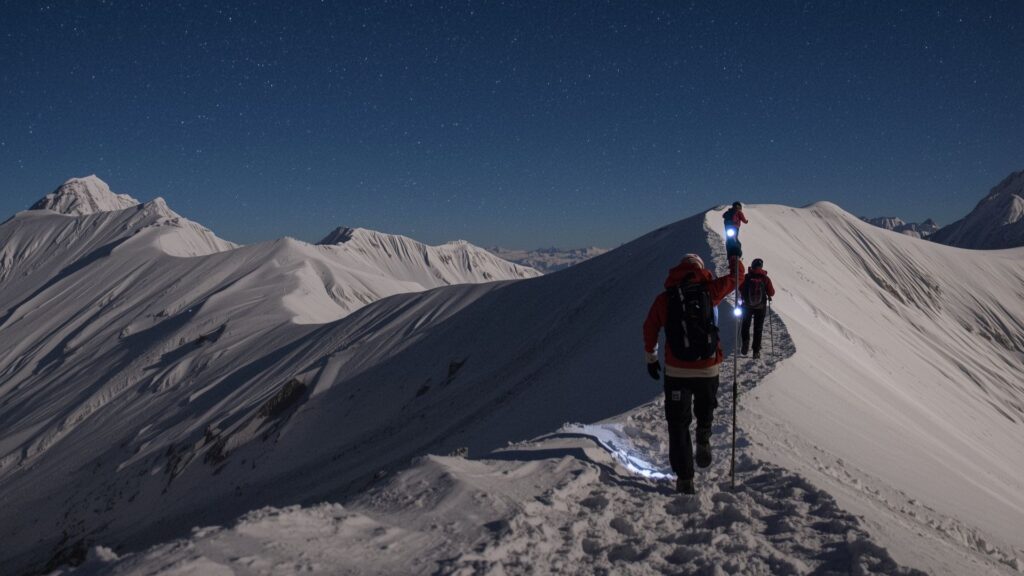
Acute Mountain Sickness (AMS) affects approximately 75% of Kilimanjaro climbers to some degree. Understanding symptoms and prevention strategies improves safety and summit success.
AMS occurs when your body cannot adapt quickly enough to reduced oxygen levels at altitude. Symptoms include headache, nausea, dizziness, fatigue, and sleep disturbance. Mild symptoms are normal above 3,000 metres.
Prevention centres on slow ascent rates and proper hydration. Longer routes provide better acclimatisation through gradual elevation gain. Drink 3-4 litres of water daily and maintain steady pacing.
The phrase “pole pole” (slowly slowly in Swahili) defines successful Kilimanjaro climbing strategy. Guides maintain deliberately slow pacing that feels frustratingly easy during early days. This conservative approach pays dividends during summit night.
Diamox (acetazolamide) helps some climbers acclimatise faster by stimulating breathing at altitude. Consult your doctor about prophylactic use starting 24-48 hours before ascent. The medication does not prevent AMS but may reduce severity.
Descending 300-500 metres reverses AMS symptoms within hours. Your guide monitors symptoms daily and makes decisions based on safety. No summit justifies risking High Altitude Pulmonary Oedema (HAPE) or High Altitude Cerebral Oedema (HACE), which can prove fatal.
Best Time to Climb Kilimanjaro
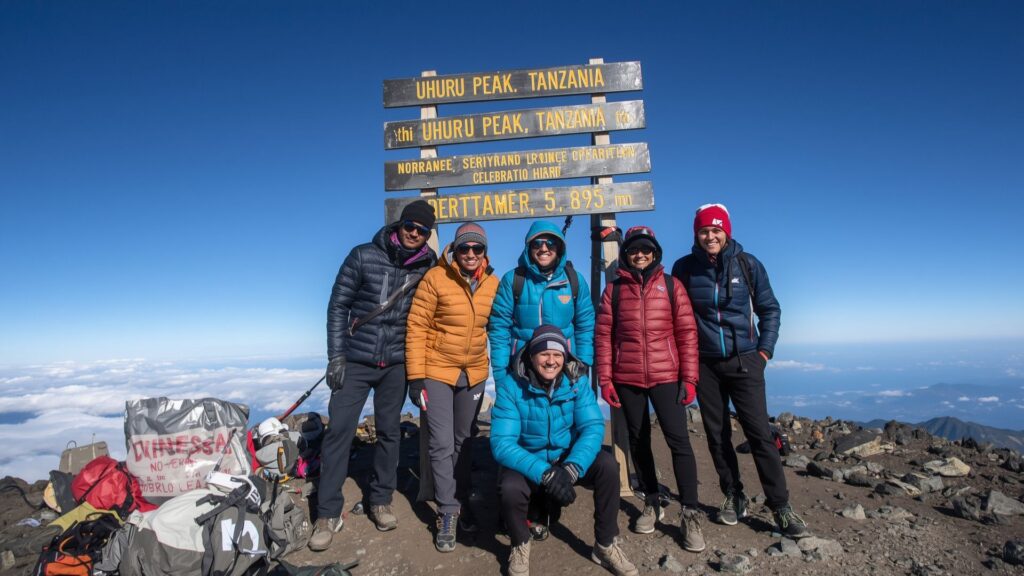
Kilimanjaro can be climbed year-round but certain months offer better conditions. Weather patterns and seasonal considerations affect success rates and trekking experience.
January through March provides warm, dry conditions following the short rains. Clear skies offer excellent visibility and comfortable temperatures. This period sees moderate crowds and good summit weather.
June through October marks the main dry season with the coldest temperatures but most stable weather. July and August bring peak crowds to popular routes. September and October offer a sweet spot with fewer climbers and good conditions.
The long rains from March through May bring heavy precipitation, clouds, and lower summit success rates. Most operators reduce departures during this period. Adventurous climbers find empty trails but challenging conditions.
November and December experience short rains with afternoon showers and morning clarity. These months offer good value and smaller groups. Weather remains less predictable than dry season months.
Pat Falvey Irish & Worldwide Adventures schedules departures throughout the year with focused attention on dry season months. Group expeditions run monthly whilst private treks arrange around client schedules.
Cost Considerations for Kilimanjaro Expeditions
Budget planning helps you climb Kilimanjaro without financial stress. Expedition costs vary based on route choice, duration, group size, and operator standards.
Park fees account for the largest single expense at approximately $1,000-$1,200 per person for a 7-day trek. These mandatory fees support conservation and cannot be reduced. The Tanzanian government sets fees annually with increases common.
Guide and porter wages, food, and camping equipment comprise additional baseline costs. Ethical operators pay fair wages that support local communities. Lower-cost operators often exploit staff through inadequate pay and poor working conditions.
International flights from Dublin to Kilimanjaro International Airport cost €600-€1,200 depending on season and booking timing. Add domestic flights within Tanzania if your operator bases in other regions.
Equipment rental in Tanzania provides an alternative to purchasing specialised gear. Sleeping bags, trekking poles, and cold-weather clothing can be hired locally. Quality varies significantly between suppliers.
Travel insurance with altitude coverage up to 6,000 metres costs approximately €100-€150. Standard policies exclude high-altitude trekking. Verify your policy covers helicopter evacuation from Kilimanjaro.
Tips for your guide, porters, and cook follow established guidelines. Budget €200-€300 per climber for gratuities distributed among the entire team. Tips form a significant portion of crew income.
Why Choose Pat Falvey Irish & Worldwide Adventures
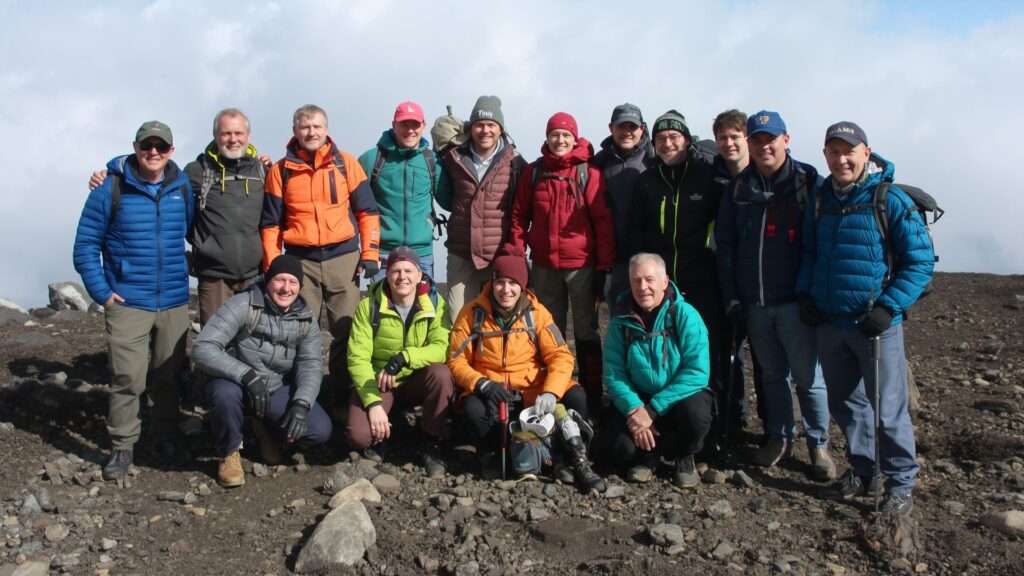
Pat Falvey has led over 65 Kilimanjaro expeditions since 1995, guiding more than 2,000 Irish climbers to the summit. This experience translates to comprehensive pre-departure preparation and expert on-mountain support.
Our expeditions use the Lemosho Route with extended acclimatisation days built into 8-9 day itineraries. This approach achieves 85-90% summit success rates compared to industry averages of 65%. We prioritise safety and enjoyment over speed.
All equipment meets international mountaineering standards. We provide group gear including dining tents, toilet tents, and medical supplies. Pre-departure briefings cover packing lists, training guidance, and what to expect daily.
Our Tanzanian partners employ experienced guides and treat porters according to Kilimanjaro Porters Assistance Project (KPAP) standards. Fair wages, proper equipment, and load limits ensure ethical treatment of mountain staff.
Post-expedition support includes summit certificates, team photos, and connections with other Irish adventurers. Many Kilimanjaro climbers join subsequent expeditions to Everest Base Camp, Island Peak, or other global destinations.
Based at The Mountain Lodge in Beaufort, County Kerry, we understand Irish climbers’ needs and provide relevant preparation advice. Our team remains accessible throughout your training and expedition planning.
Contact us by email at info@patfalvey.com or call +353 64 6644 181 to discuss your Kilimanjaro expedition.
Combining Kilimanjaro with Safari and Zanzibar
Extending your East African adventure beyond Kilimanjaro maximises your travel investment. Tanzania offers world-class wildlife viewing and Indian Ocean beaches.
The Serengeti National Park and Ngorongoro Crater lie within easy reach of Kilimanjaro. A 3-4 day safari showcases the Great Migration, Big Five sightings, and diverse ecosystems. Most climbers add safari before their trek to aid altitude acclimatisation.
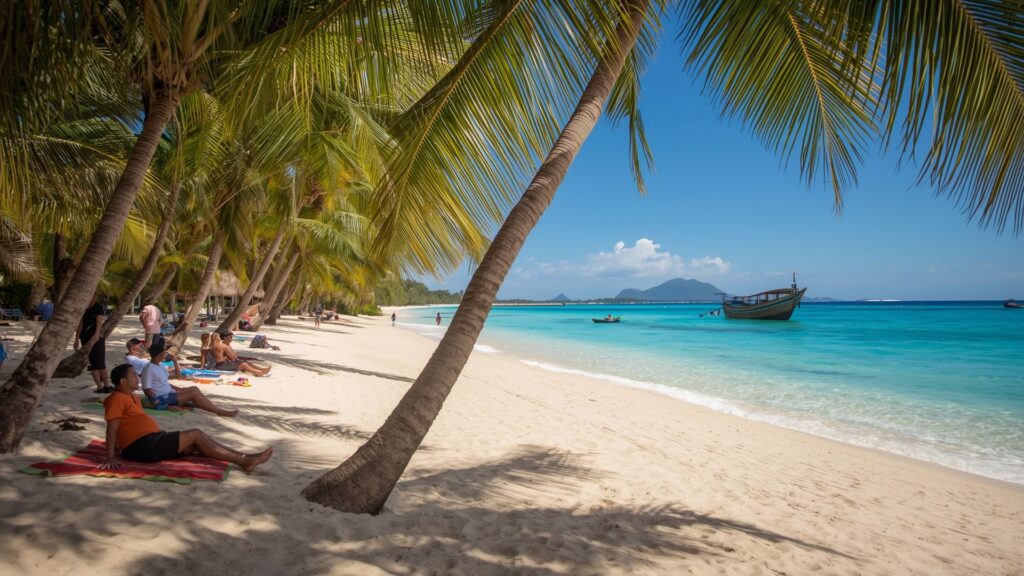
Zanzibar provides post-trek relaxation on white sand beaches with turquoise waters. The spice island offers cultural experiences, historic Stone Town, and excellent diving. A 4-5 day Zanzibar extension allows recovery whilst experiencing Swahili culture.
Combined packages often provide better value than booking elements separately. Group departures include optional safari and beach extensions at preferential rates. Private expeditions build custom itineraries around your interests.
Internal flights connect Kilimanjaro International Airport with safari regions and Zanzibar efficiently. Road transfers offer scenic alternatives with more flexible scheduling.