
Kilimanjaro stands at 5,895 metres as Africa’s highest mountain, featuring glaciers near the equator and five distinct climate zones. Pat Falvey has guided over 2,000 climbers to the summit across 65+ expeditions since 1995. This guide explores the most compelling Kilimanjaro facts, from its volcanic geology to world record achievements, helping you understand why this mountain attracts 50,000 climbers annually.
Mount Kilimanjaro holds secrets that captivate trekkers from across the globe. These Kilimanjaro facts reveal why this 5,895-metre peak remains one of the world’s most accessible yet challenging high-altitude adventures. Standing as the roof of Africa, Kilimanjaro offers experiences found nowhere else on Earth—from Arctic conditions near the equator to wildlife encounters at altitude. Whether you’re planning your first major climb or seeking your next mountain challenge, understanding these Kilimanjaro facts helps you appreciate what makes this dormant volcano extraordinary. The following ten Kilimanjaro facts showcase the natural wonders, human achievements, and practical realities that define Africa’s highest peak.
1. Arctic Glaciers Thrive Near the Equator
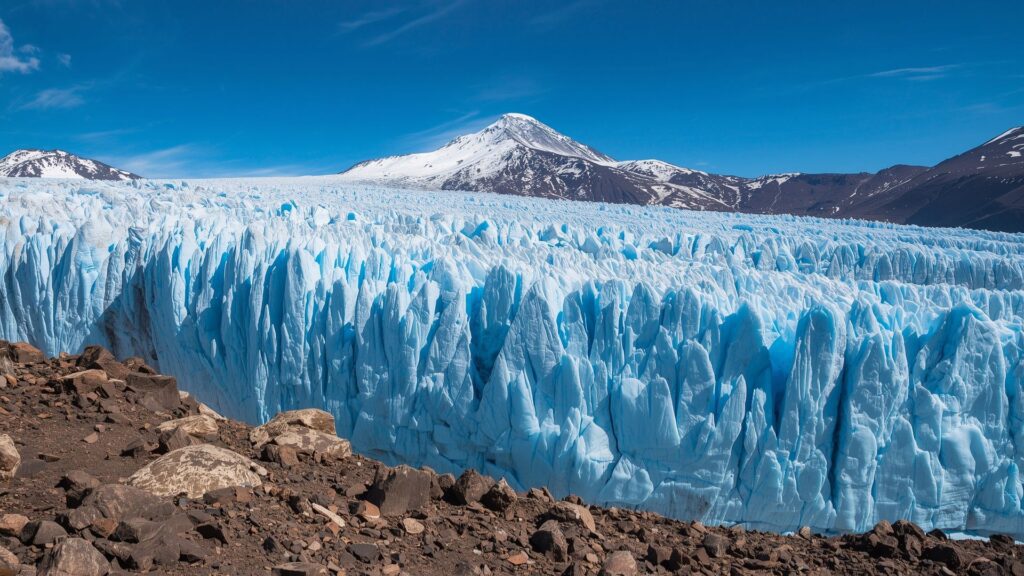
Kilimanjaro defies its equatorial location by supporting glaciers that reach heights of 30 metres. The summit temperatures range from -7°C to -29°C, creating an Arctic environment just 330 kilometres south of the equator. These ice fields form one of the most striking Kilimanjaro facts—you experience a 40°C temperature shift between the base and summit during a single climb.
The glaciers cover approximately 1.85 square kilometres across the summit plateau. Scientists study these ice formations because they provide climate records dating back 11,700 years. The Furtwängler Glacier, positioned near the crater rim, serves as one of the most photographed features on the mountain.
Three major ice fields dominate the summit: the Northern Ice Field, the Southern Ice Field, and the Eastern Ice Fields. Each formation displays distinct characteristics shaped by solar radiation patterns and wind exposure. Climbers ascending via the Kilimanjaro expeditions Machame route witness these glaciers most dramatically during the final summit push.
2. Five Climate Zones in One Mountain
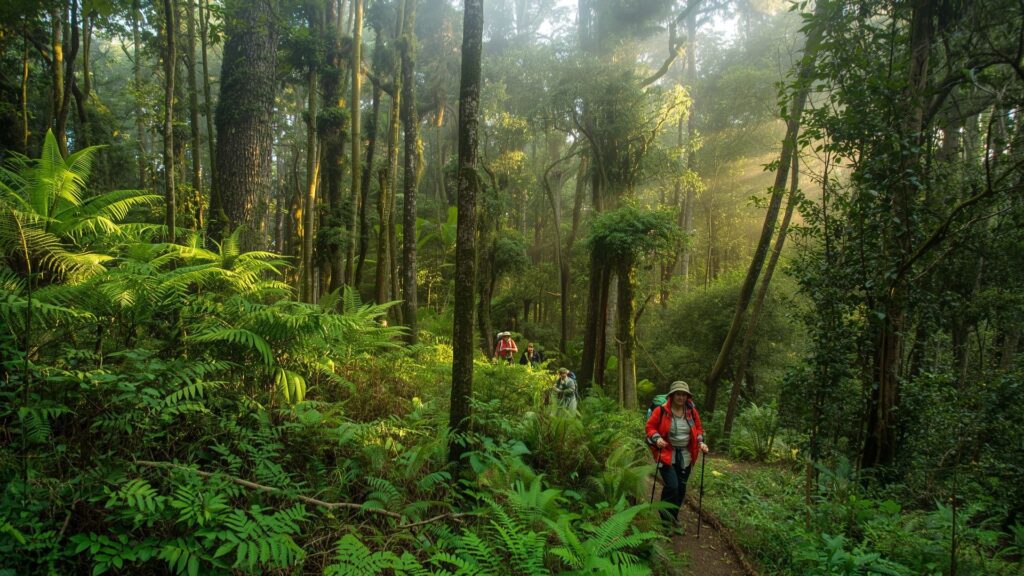
Kilimanjaro contains five distinct ecological zones stacked vertically across its slopes. This biological diversity represents one of the most remarkable Kilimanjaro facts for nature enthusiasts. Climbers traverse cultivated farmland, montane forest, heath and moorland, alpine desert, and Arctic summit zones during their ascent.
The montane forest zone spans 1,800 to 2,800 metres and receives 2,000 millimetres of annual rainfall. This rainforest supports colobus monkeys, blue monkeys, and over 140 bird species. The dense canopy creates a humid microclimate that contrasts sharply with the zones above.
The heath and moorland zone extends from 2,800 to 4,000 metres, where giant heathers and lobelias dominate the landscape. These plants evolved unique adaptations to survive nightly frosts and intense UV radiation. The alpine desert zone above 4,000 metres receives less than 200 millimetres of rainfall annually, supporting only the hardiest lichens and mosses.
Climbers with Pat Falvey Irish & Worldwide Adventures experience this ecological compression over six to seven days. The gradual ascent through these zones provides essential acclimatisation whilst offering constantly changing scenery. This diversity explains why many mountaineers rank guided Carrauntoohil hikes as excellent training for Kilimanjaro’s varied terrain.
3. Seven Routes Offer Different Challenges
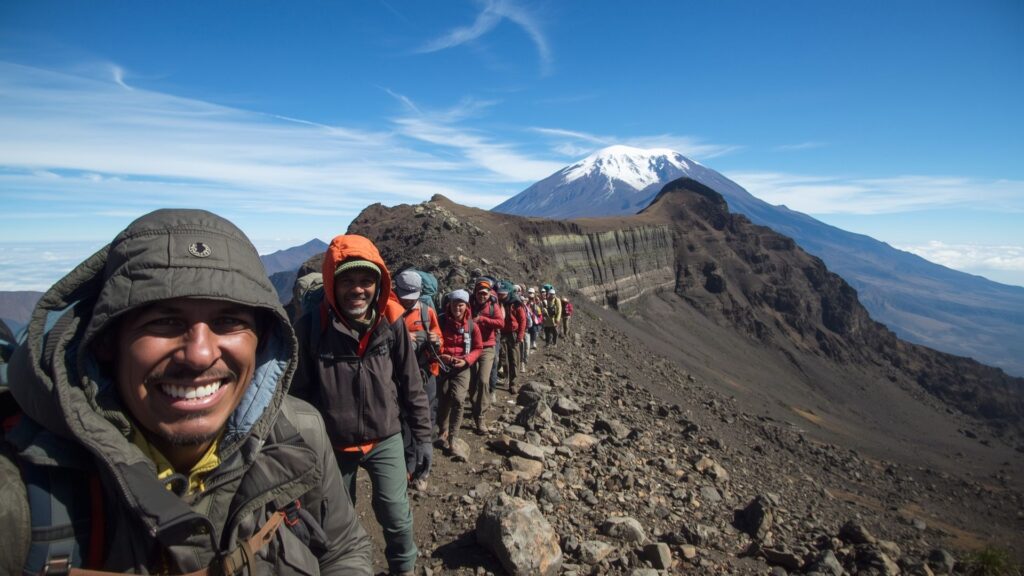
Kilimanjaro provides seven established routes to the summit, each offering distinct experiences and difficulty levels. The Machame route stands out as the most popular choice, balancing challenge with scenery and acclimatisation effectiveness. This route takes six to seven days and maintains a 60-70% summit success rate.
The Lemosho route approaches from the west and provides the best wildlife viewing opportunities. This eight-day trek crosses the Shira Plateau at 3,800 metres before joining the Machame route. The Rongai route ascends from the north near the Kenyan border, offering the driest conditions and gentlest gradients.
Pat Falvey selects routes based on group fitness, experience level, and seasonal weather patterns. The company’s 30 years of Kilimanjaro experience ensures climbers follow the route best suited to their abilities. Many clients prepare by completing other treks like Everest Base Camp before attempting Kilimanjaro.
4. Serious Physical Preparation Required
Climbing Kilimanjaro demands months of dedicated physical and mental preparation. Successful climbers train for three to six months before their expedition, building cardiovascular endurance and leg strength. Training programmes include hiking with a loaded pack weighing 8-12 kilograms for six to eight hours.
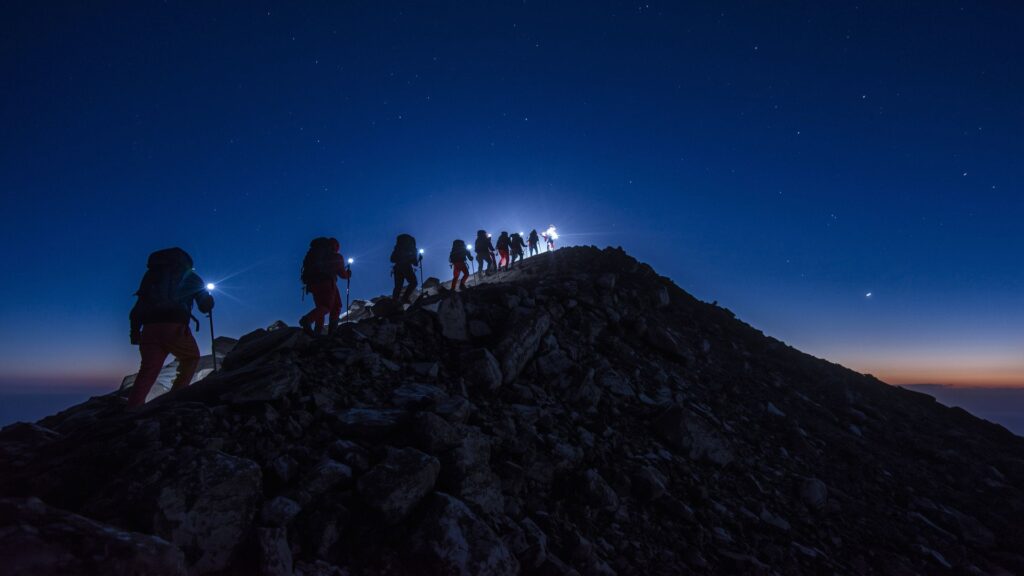
The summit day requires climbing from 4,600 metres to 5,895 metres over 12-14 hours. Climbers ascend approximately 1,200 vertical metres before descending 2,800 metres to camp. This 20-kilometre day tests physical reserves accumulated through months of preparation.
Effective training combines hill walking, stair climbing, and long-distance hiking. Climbers should complete at least one eight-hour hike monthly in the three months before departure. Mental preparation proves equally crucial, as the pre-dawn summit attempt occurs in darkness, sub-zero temperatures, and thin air containing 50% less oxygen than sea level.
5. A Dormant Volcano That Could Reawaken
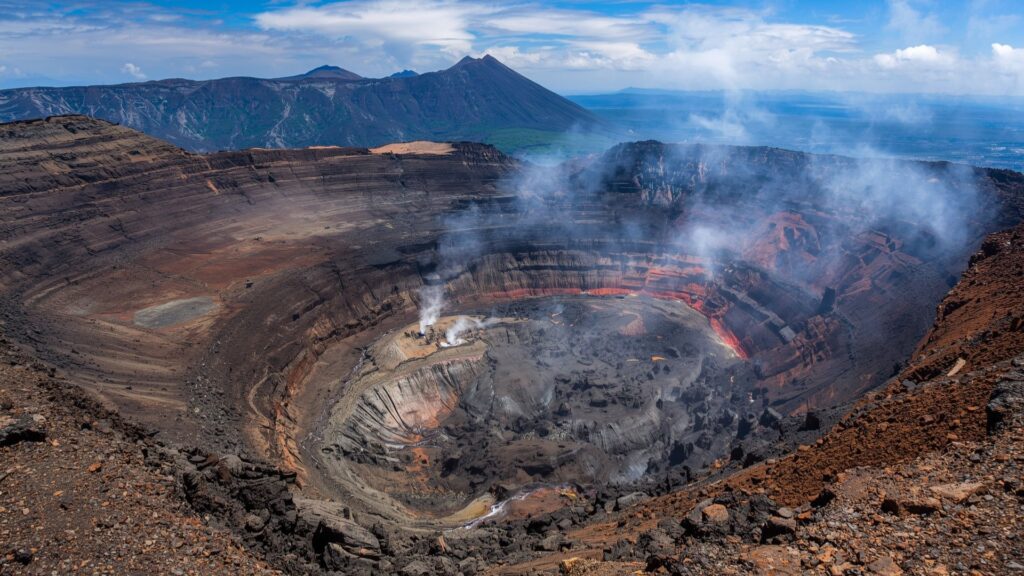
Kilimanjaro consists of three volcanic cones: Kibo, Mawenzi, and Shira. Kibo, the highest cone at 5,895 metres, remains dormant but not extinct. The last major eruption occurred approximately 360,000 years ago, though volcanic gas emissions continue within the crater.
Volcanic activity created Kilimanjaro between 750,000 and 1 million years ago through successive eruptions. Shira collapsed first, creating the Shira Plateau visible from the western approaches. Mawenzi, the jagged eastern peak, represents the exposed core of an ancient volcano that ceased activity 450,000 years ago.
The Reusch Crater, located 1,300 metres below Uhuru Peak, measures 800 metres across. This inner crater contains the ash pit where climbers occasionally smell sulphur emissions. One of the lesser-known Kilimanjaro facts involves fumaroles—volcanic vents emitting steam and gas near the crater floor. These vents maintain temperatures above freezing, creating small ice-free zones in an otherwise frozen environment.
6. Age Boundaries Don’t Apply Here
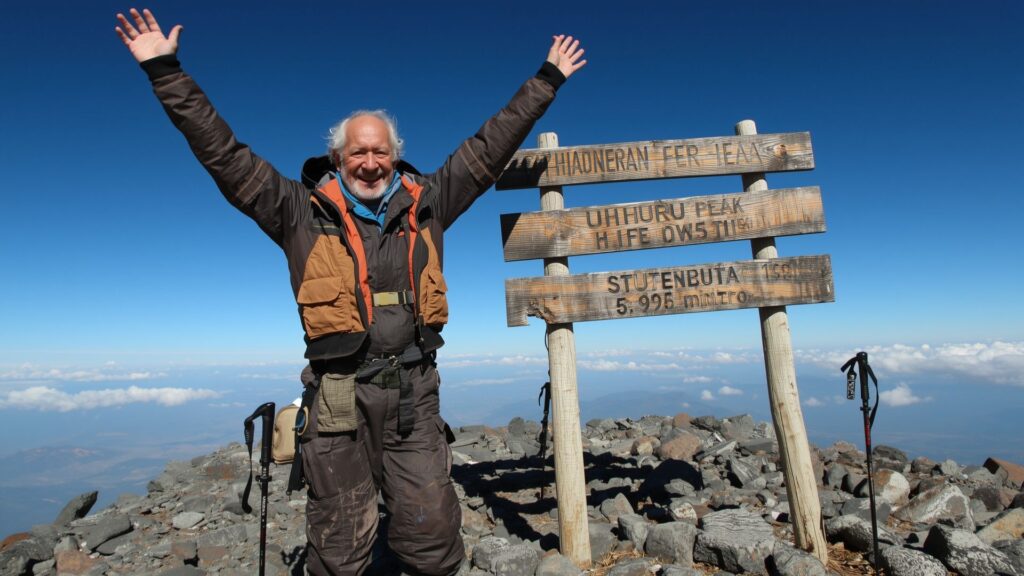
Kilimanjaro attracts climbers across an extraordinary age range, demonstrating that determination transcends numerical age. Anne Lorimor summited at 89 years old in 2019, becoming the oldest woman to reach Uhuru Peak. At the opposite extreme, Ognjen Zivkovic reached the summit at five years old in 2018.
The average Kilimanjaro climber falls between 30 and 50 years old, though successful summiteers range from teenagers to octogenarians. Dr. Fred Distelhorst summited at 88, proving advanced age poses no absolute barrier with proper preparation. Children under ten require exceptional fitness and mental resilience to endure the multi-day trek.
Pat Falvey’s expeditions welcome climbers aged 16 and above, ensuring participants possess the maturity and physical capacity required. The company’s preparation programmes help climbers of all ages build the strength and endurance necessary for summit success.
7. World Records Set at Extreme Altitude
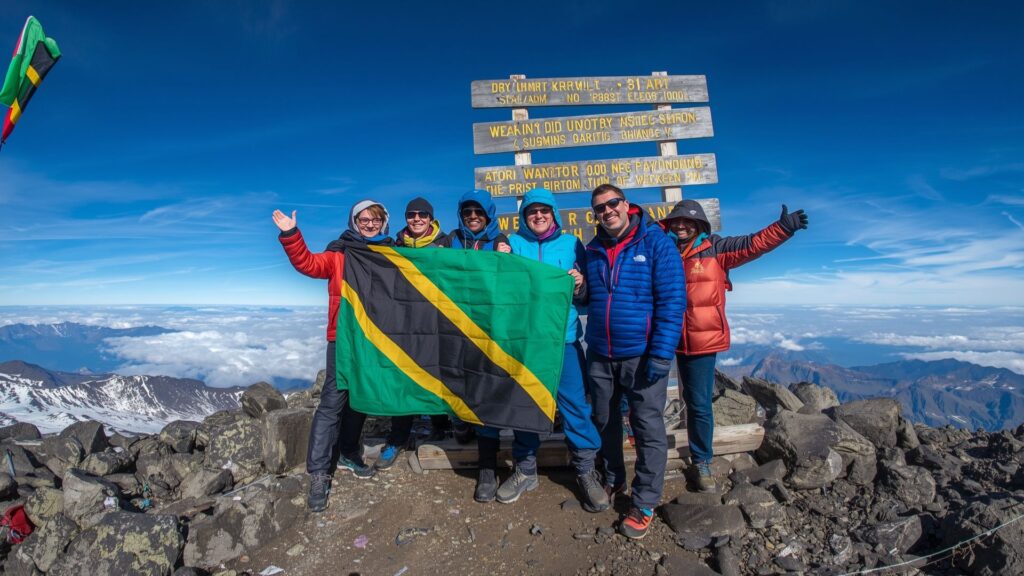
Kilimanjaro’s summit provides a dramatic stage for world record attempts. In 2014, cricket enthusiasts established the highest-altitude cricket match ever played at 5,730 metres at Crater Camp. The match lasted 36 hours in temperatures dropping to -25°C.
In 2018, 24-year-old Siobhan Brady from County Limerick reached the 5,895-metre summit carrying her harp. She set a Guinness World Record for the highest harp concert, performing traditional Irish music at Uhuru Peak. The achievement required two years of planning and training with a team of 19 people guided by Pat Falvey.
Spencer West summited Kilimanjaro in 2012 using only his hands, covering the majority of the climb in his wheelchair. The Canadian motivational speaker, who lost his legs at age five, completed the seven-day ascent to raise funds for clean water initiatives.
Karl Egloff holds the fastest summit record, completing the round trip from gate to summit and back in 6 hours 42 minutes in 2014. Most climbers take five to nine days to complete the same journey. These speed records showcase what elite athletes achieve, though ordinary climbers should never attempt rapid ascents.
8. Remarkable Stories of Human Determination
The mountain witnesses extraordinary demonstrations of human perseverance. Bernard Goosen, a South African with cerebral palsy, summited twice in a wheelchair. His second ascent in 2011 took just six days via the Rongai route, improving on his first attempt by two days.
Kyle Maynard, born without arms or legs, crawled to the summit in 2012 using a custom bear-crawl technique. The 10-day ascent required him to navigate rocky terrain, scree slopes, and ice fields using specially designed padding. His achievement demonstrated that physical limitations need not define personal boundaries.
Pat Falvey himself summited Kilimanjaro 65+ times whilst guiding over 2,000 climbers to the peak. His expeditions include numerous charitable climbs raising funds for Irish and African causes. These stories illustrate that Kilimanjaro welcomes climbers pursuing personal challenges, charitable goals, or life-changing adventures.
9. Digital Connectivity at 3,720 Metres
Kilimanjaro offers WiFi connectivity up to 3,720 metres at several camps along major routes. Climbers can share photos, update social media, and video call family during their expedition. This connectivity transforms the mountain experience from isolated adventure to shared journey.
The Tanzanian telecommunications company Vodacom installed WiFi hotspots at Horombo Huts on the Marangu route and at several Machame route camps. Signal strength varies depending on weather conditions and network traffic. Mobile phone charging stations operate at major camps through solar panels and generators.
Many climbers debate whether digital connectivity enhances or diminishes the mountain experience. Pat Falvey’s guided expeditions encourage climbers to balance staying connected with immersing themselves in the natural environment.
10. Disappearing Glaciers Demand Urgent Action
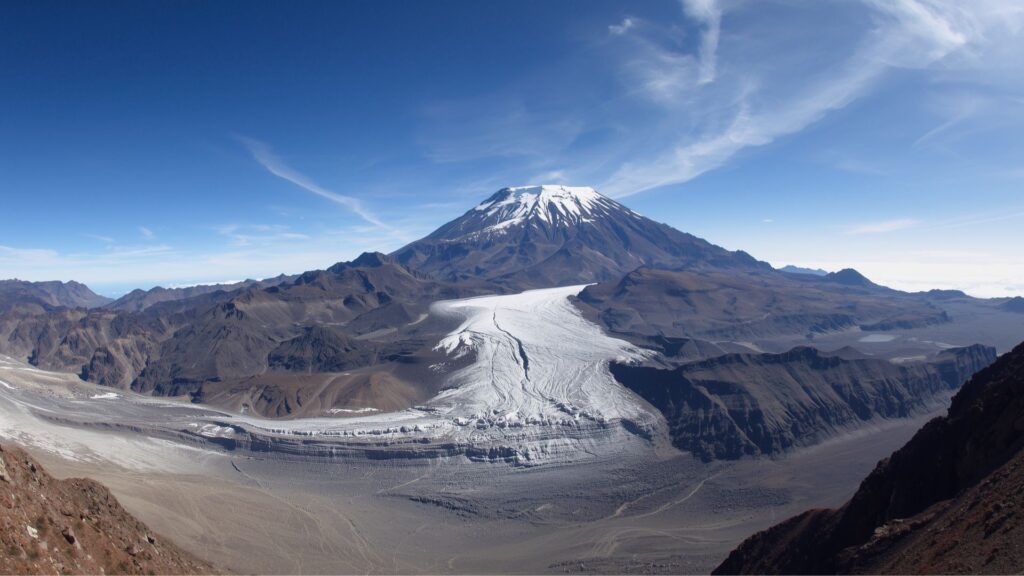
Kilimanjaro’s glaciers recede at an alarming rate due to climate change. Scientists estimate the ice fields could vanish entirely within 20 years based on current melting rates. The glaciers lost 85% of their volume between 1912 and 2020, a decline visible in historical photographs.
Lonnie Thompson, a glaciologist from Ohio State University, has studied Kilimanjaro’s ice cores since 2000. His research shows the glaciers survived a 300-year drought but now face unprecedented warming. The ice retreat accelerated dramatically after 2000, with some years losing over 50 vertical centimetres of ice.
The glaciers’ disappearance affects local water supplies and tourism revenue. This environmental urgency makes climbing Kilimanjaro now more significant than waiting. Future generations may see only bare volcanic rock where glaciers once crowned Africa’s highest peak.
Preparing for Your Kilimanjaro Adventure
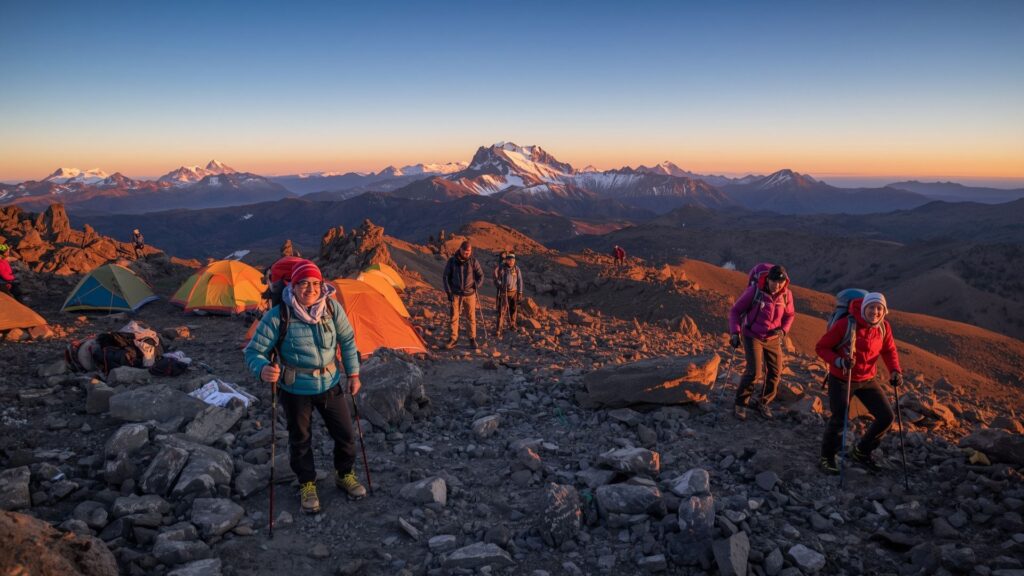
Planning a Kilimanjaro expedition requires understanding multiple factors beyond basic fitness preparation. These practical considerations determine summit success as much as physical readiness.
The ideal climbing season runs from January to March and June to October when weather conditions remain stable. January and February offer the warmest temperatures and clearest skies. June through October provides drier conditions but colder summit temperatures. The rainy seasons from April to May and November to December bring challenging trail conditions and reduced visibility.
Altitude acclimatisation determines summit success more than fitness level. The body requires time to adjust to reduced oxygen levels at high altitude. Pat Falvey’s expeditions follow “climb high, sleep low” principles to enhance acclimatisation. Groups ascend to higher camps during the day before descending slightly to sleep. The company’s six to seven-day itineraries provide optimal acclimatisation time compared to rushed five-day climbs.
Essential gear includes layered clothing systems for temperature ranges from 30°C to -20°C. A four-season sleeping bag rated to -15°C provides necessary warmth for high camps. Quality hiking boots broken in before departure prevent blisters during long trekking days. Trekking poles reduce knee strain on steep descents and improve stability on scree slopes.
The total cost for a guided Kilimanjaro climb from Ireland ranges from €3,500 to €5,500 depending on route choice and group size. This investment includes international flights, park fees, guide services, porters, camping equipment, and most meals. Many climbers combine their Kilimanjaro expedition with a safari and Zanzibar extension, creating a comprehensive East African adventure.