
Beginner hiking tips cover preparation, safety, and essential skills for first-time outdoor adventurers in Ireland and beyond. Pat Falvey Irish & Worldwide Adventures has guided thousands of hikers since 1995, from Kerry’s mountains to international peaks. This guide provides practical beginner hiking tips on route selection, gear, fitness, navigation, and safety protocols for confident trail experiences.
Understanding the Basics of Hiking
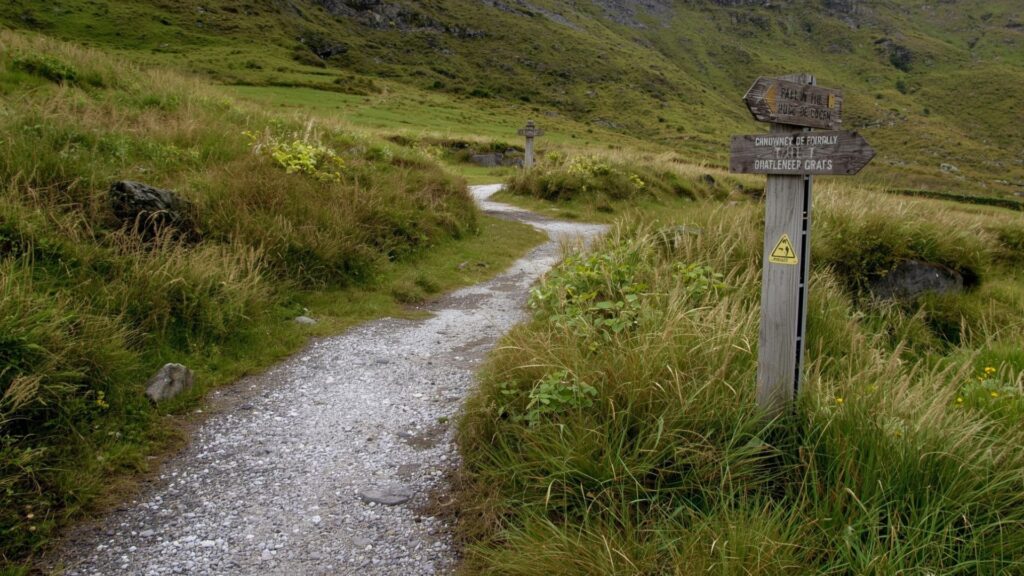
Starting your hiking journey requires proper preparation and realistic expectations about what lies ahead. These beginner hiking tips help first-time walkers avoid common mistakes and build confidence on the trails.
Hiking differs from regular walking through terrain variation, duration, and physical demands. A typical trail includes elevation changes, uneven surfaces, and exposure to changing weather conditions. First-time hikers often underestimate these factors, which leads to discomfort or shortened trips.
Pat Falvey Irish & Worldwide Adventures offers guided Carrauntoohil hikes that introduce beginners to mountain walking in a controlled environment. The company’s mountain leaders provide real-time instruction on technique, pacing, and safety awareness. This hands-on approach builds skills faster than solo attempts.
Physical preparation starts 4-6 weeks before your first major hike. Walk regularly on varied terrain, gradually increasing distance and elevation. Start with 30-minute walks on flat ground, then progress to 60-90 minute sessions on hills or stairs. This conditions your cardiovascular system and strengthens the specific muscles hiking requires.
Selecting Your First Trail
Route selection determines whether your first hiking experience builds enthusiasm or creates frustration. Choose trails marked as easy or beginner-friendly, with clear signage and well-maintained paths.
Distance matters less than elevation gain for beginners. A flat 10-kilometre walk proves easier than a 5-kilometre route with 300 metres of ascent. Check trail descriptions for total elevation gain, not just distance. Aim for routes with less than 200 metres elevation gain initially.
Popular beginner trails in Kerry include the Gap of Dunloe lower path and Torc Waterfall walk. These routes provide stunning scenery without technical difficulty. The Kerry Way sections near Killarney offer longer distances for walkers building endurance.
Access points require consideration. Choose trails with designated car parks and clear starting points. This removes navigation stress before you even begin walking. Note the car park location on your phone or GPS device for your return.
Essential Gear for New Hikers
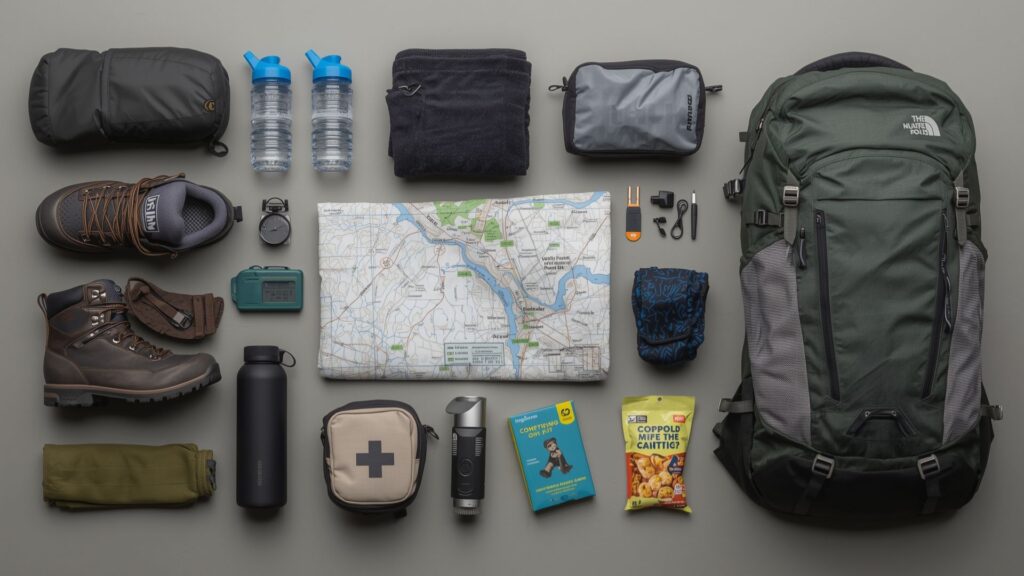
Proper equipment prevents discomfort and keeps you safe on the trail. These beginner hiking tips focus on quality basics before purchasing specialist items.
Footwear ranks as the single most important gear choice. Hiking boots provide ankle support, waterproofing, and grip on uneven terrain. Visit an outdoor shop for professional fitting. Boots should feel snug around the heel without pinching toes. Wear them around the house for 2-3 days before your first trail walk to identify pressure points.
Waterproof jackets protect against Ireland’s unpredictable weather. Choose breathable fabrics that prevent internal condensation during exertion. The jacket should fit over a fleece layer whilst allowing arm movement. Pack this item on every hike regardless of morning weather conditions.
Backpacks for day hikes need 20-30 litre capacity. This size accommodates water, food, extra layers, and emergency items without excessive weight. Adjust shoulder straps and hip belt before loading the pack. Weight should sit on your hips, not shoulders.
Layered clothing adapts to temperature changes during ascent and descent. Start with a moisture-wicking base layer, add an insulating mid-layer like fleece, and finish with your waterproof outer shell. Remove layers before you start sweating to maintain body temperature regulation.
Walking poles reduce impact on knees and ankles during descents. They also improve balance on uneven ground and river crossings. Adjust pole height so your elbow forms a 90-degree angle when holding the grip.
Navigation Skills Every Beginner Needs
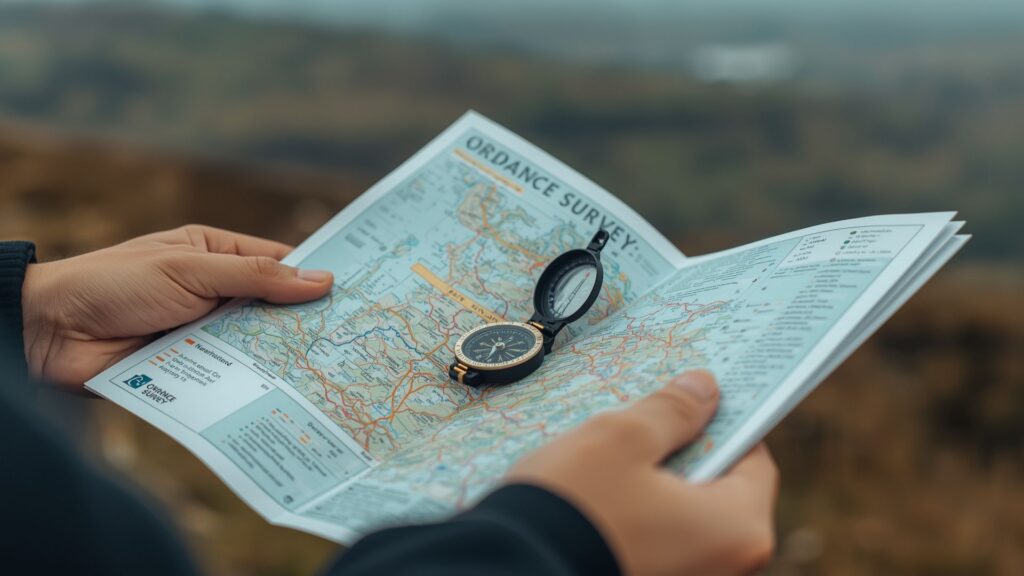
Map reading and compass use represent fundamental hiking skills that modern technology cannot entirely replace. Phone batteries die, GPS signals drop, and weather conditions obscure landmarks.
Ordnance Survey maps provide detailed terrain information for Irish trails. Learn to identify contour lines that indicate elevation changes. Closely spaced lines mean steep ground, whilst widely spaced lines show gentle slopes. The 1:50,000 scale works well for most day hikes.
Orient your map to the landscape before starting. Rotate the map until features match what you see ahead. This simple technique prevents walking in the wrong direction from the outset. Keep the map accessible in a waterproof case or map pocket.
Smartphone apps like ViewRanger or AllTrails offer digital mapping with GPS tracking. Download maps for offline use before leaving mobile coverage. These tools complement paper maps but should never replace them entirely. Carry a portable battery pack to extend phone life.
Landmarks help confirm your position throughout the hike. Note distinctive features like rock formations, stream crossings, or building ruins. Check these against your map every 30-40 minutes to verify progress.
Hydration and Nutrition on the Trail
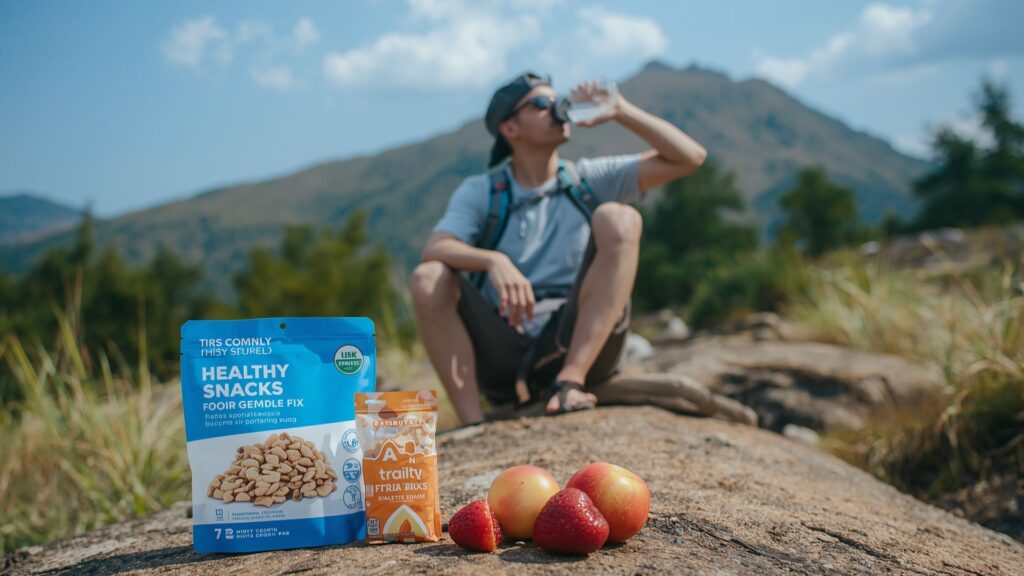
Water intake directly affects hiking performance and safety. Dehydration causes fatigue, headaches, and impaired decision-making within 2-3 hours of inadequate fluid consumption.
Drink 500ml of water 2 hours before starting your hike. This preloads your system without causing urgent toilet needs during the first hour on trail. Carry 1-1.5 litres for every 3 hours of hiking, adjusting for temperature and exertion level.
Sip water regularly rather than gulping large amounts infrequently. Take 3-4 mouthfuls every 20-30 minutes, even when you don’t feel thirsty. Thirst indicates you’re already mildly dehydrated.
Energy levels drop after 90 minutes of continuous exertion without food intake. Pack carbohydrate-rich snacks like trail mix, energy bars, sandwiches, or fruit. Eat small amounts every hour rather than waiting for hunger signals.
Electrolyte balance matters during long hikes or hot weather. Add electrolyte tablets to your water or eat salty snacks alongside plain water. This prevents hyponatremia, a dangerous condition caused by excessive water intake without adequate salt replacement.
Weather Awareness and Safety
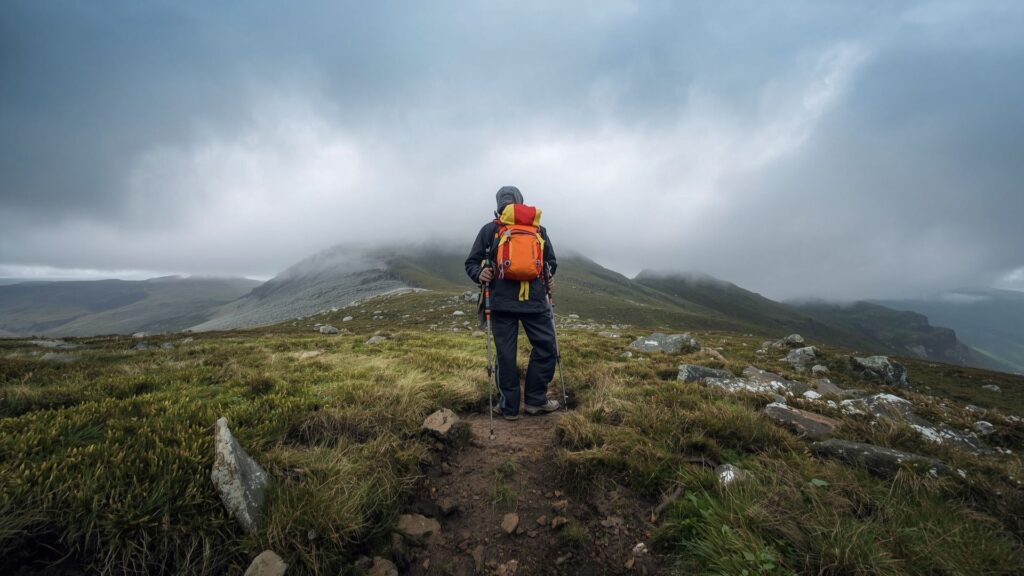
Irish weather changes rapidly, particularly in mountainous areas. Conditions can shift from sunshine to rain, wind, and reduced visibility within 30 minutes.
Check mountain weather forecasts before every hike. Mountain Weather Information Service provides detailed predictions for Irish peaks, including wind speed, precipitation, cloud base height, and temperature. These forecasts prove more accurate than general weather apps for elevated terrain.
Wind chill dramatically lowers effective temperature. A 15°C day with 40kph winds feels closer to 8°C on exposed ridges. Plan clothing layers based on expected wind conditions, not just temperature readings.
Rain gear belongs in your pack year-round. Afternoon showers occur even during otherwise sunny periods. Wet clothing combined with wind creates hypothermia risk, even in summer months.
Lightning poses serious danger on exposed ridges and summits. If you hear thunder, descend immediately to lower ground away from isolated trees, rock outcrops, or metal structures.
Building Hiking Fitness
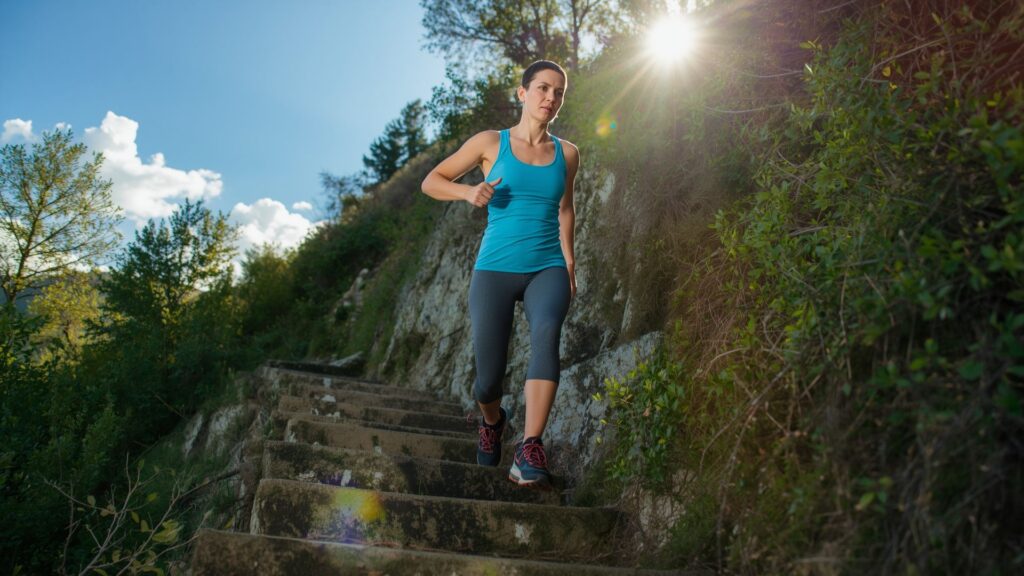
Cardiovascular endurance and leg strength determine hiking comfort and capability. Most beginner hiking tips emphasise that beginners underestimate the physical demands of sustained uphill walking.
Walking represents the best training for walking. Aim for 3-4 sessions weekly, progressively increasing distance and elevation. Start with 3-kilometre flat walks, then add hills or stairs. Build to 8-10 kilometre outings with 200-300 metres elevation gain over 6-8 weeks.
Stair climbing targets the exact muscles hiking requires. Find a building with 10+ floors or use outdoor steps. Climb at a steady pace for 20-30 minutes, focusing on controlled breathing and consistent rhythm.
Squats and lunges strengthen quadriceps, hamstrings, and glutes. Perform bodyweight versions 3 times weekly. Start with 3 sets of 10 repetitions, increasing to 3 sets of 20 as strength improves.
Rest days allow muscle recovery and prevent overuse injuries. Schedule at least one full rest day between hard training sessions. Light activity like swimming or cycling provides active recovery without impact stress.
Pat Falvey Irish & Worldwide Adventures provides training programmes for Kilimanjaro expeditions that build fitness over 12-16 weeks. These structured plans progress systematically from beginner to expedition-ready fitness levels.
Trail Etiquette and Environmental Responsibility
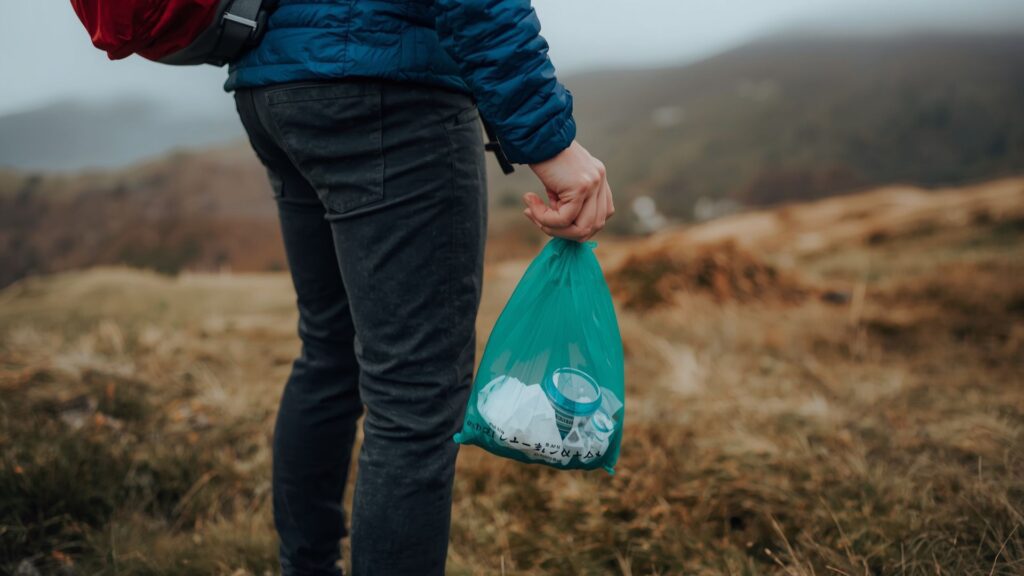
Leave No Trace principles protect Ireland’s natural spaces for future visitors. These beginner hiking tips on trail etiquette ensure you minimise environmental impact.
Pack out everything you pack in, including organic waste like apple cores and banana skins. These items take months to decompose and attract vermin. Carry a small plastic bag tied to your pack exterior for rubbish collection.
Stay on marked trails to prevent erosion and habitat damage. Cutting switchbacks creates new erosion channels that worsen with each rain event. Walking single file on narrow paths concentrates impact in already-disturbed areas.
Yield to uphill hikers when meeting others on narrow trails. Ascending hikers work harder and losing momentum affects their rhythm. Step aside on the downhill side where terrain permits safe passage.
Respect livestock and wildlife by observing from distance. Never feed animals or approach young animals separated from mothers. Close gates behind you to prevent livestock escaping designated grazing areas.
First Aid and Emergency Preparedness
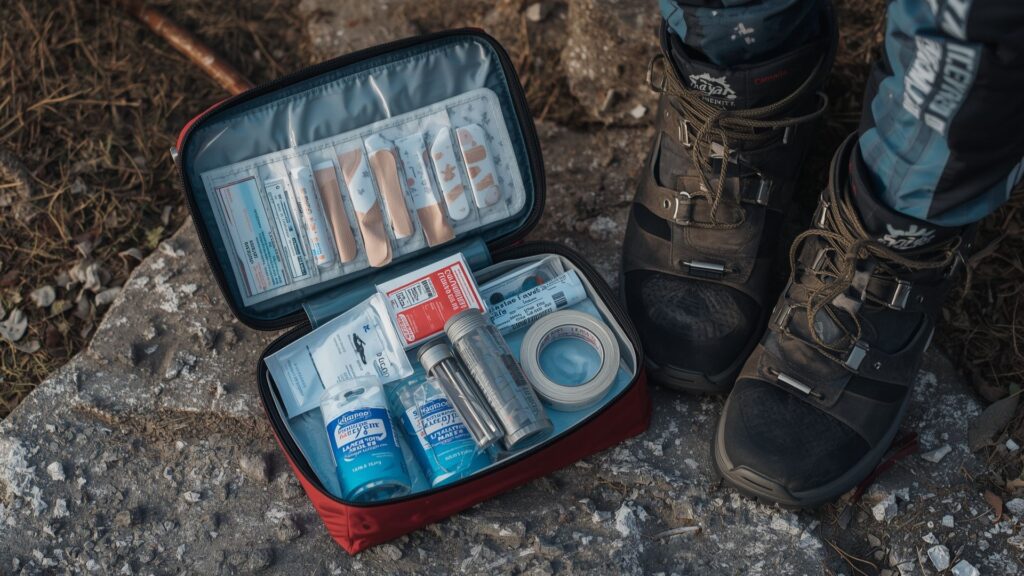
Basic first aid skills enable you to address common trail injuries whilst awaiting professional help in remote locations. These essential beginner hiking tips could prove life-saving.
Blister prevention beats blister treatment. Wear properly fitted boots with moisture-wicking socks. Apply tape or blister plasters to hot spots immediately when you feel friction developing. Stop and address the issue rather than pushing through discomfort.
Ankle sprains occur frequently on uneven terrain. If you twist an ankle, stop immediately and assess severity. Apply the RICE protocol: Rest, Ice (cold water bottle), Compression (bandage), Elevation.
Hypothermia develops when core body temperature drops below 35°C. Early signs include shivering, clumsiness, and confusion. Add dry layers immediately, consume warm sweet drinks, and descend to lower elevation.
Carry a first aid kit containing: bandages, sterile dressings, tape, scissors, pain relievers, antihistamines, blister treatment, antiseptic cream, and any personal medications. Check contents every 6 months and replace expired items.
Share your route plan with someone reliable who isn’t hiking with you. Provide trail name, starting point, expected return time, and emergency contact number. Text this person when you finish safely.