
Altitude sickness occurs when climbers ascend too quickly at high elevation, preventing proper acclimatisation to reduced oxygen levels. Pat Falvey Irish & Worldwide Adventures has guided over 2,000 trekkers on high-altitude expeditions including Kilimanjaro and Everest Base Camp since 1995. This guide explains altitude sickness symptoms, prevention strategies, and treatment protocols for mountain environments.
What Is Altitude Sickness?
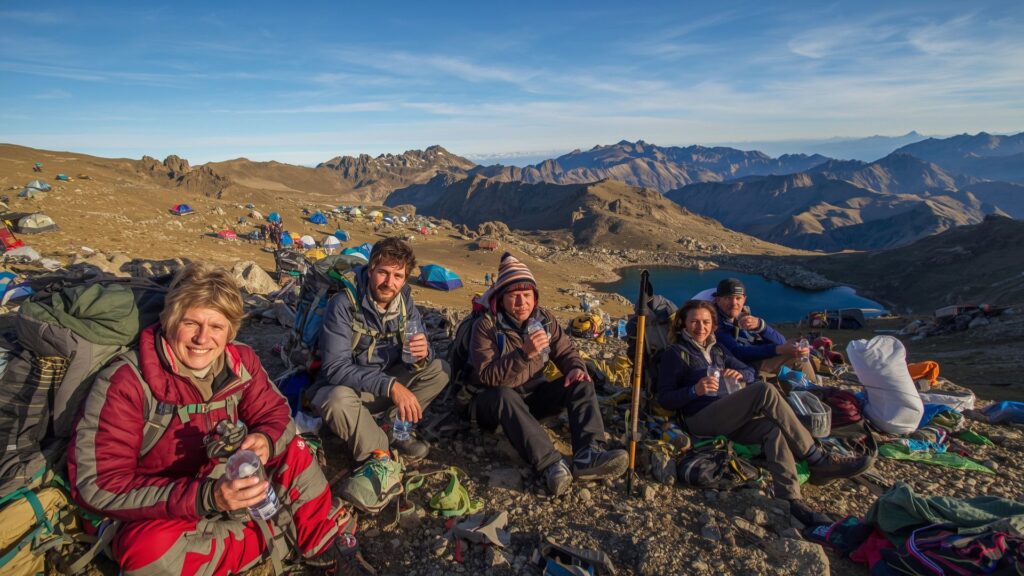
Altitude sickness describes a collection of symptoms that develop when a person ascends too rapidly at elevation. The condition, medically termed acute mountain sickness (AMS), affects climbers on high mountain ranges such as the Himalaya and Andes. Pat Falvey Irish & Worldwide Adventures encounters altitude sickness cases regularly during guided Kilimanjaro expeditions and Everest Base Camp treks, making proper education essential for every trekker.
At higher elevations, atmospheric pressure decreases significantly. This reduction means less oxygen reaches the body’s tissues with each breath. The heart and lungs work harder to compensate for the oxygen deficit. When climbers ascend faster than their bodies can adapt to these atmospheric changes, altitude sickness develops. The condition remains almost entirely preventable when trekkers follow basic precautions before and during their trek.
Early Warning Signs
Initial symptoms of altitude sickness include headache, dizziness, nausea, shortness of breath, difficulty sleeping and extreme lethargy. These symptoms typically appear within 6-12 hours of reaching a new elevation. Many climbers mistake early altitude sickness for simple fatigue or dehydration, which delays proper response.
Severe Symptoms Requiring Immediate Action
Advanced symptoms include rapid pulse, irrational behaviour, loss of balance and coordination, severe headache, vomiting and persistent cough. These indicators signal that altitude sickness has progressed beyond mild discomfort into dangerous territory. Climbers experiencing these symptoms require immediate descent and medical attention.
How Altitude Sickness Develops
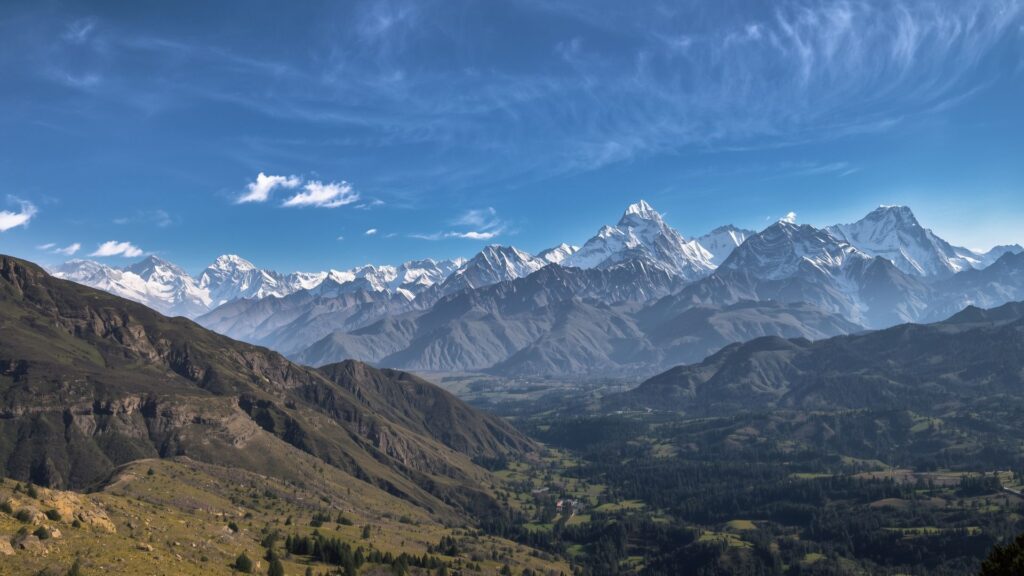
The human body requires time to produce additional red blood cells and adjust breathing patterns for high-altitude environments. Atmospheric pressure drops approximately 50% at 5,500 metres compared to sea level. This dramatic reduction forces physiological changes that cannot happen instantly.
Climbers ascending from sea level to 3,000 metres within 24 hours face the highest altitude sickness risk. The body simply cannot adapt this quickly. Mountain environments above 2,500 metres present increased risk, with severity rising as elevation increases. Carrauntoohil guided hikes at 1,038 metres rarely cause altitude sickness, whilst Kilimanjaro at 5,895 metres presents significant challenges.
Altitude Sickness Prevention Strategies
Prevention centres on gradual acclimatisation. No universal standard exists for altitude tolerance because every person acclimatises at different rates. Genetics, fitness level, age and previous high-altitude experience all influence individual response. Taking necessary precautions and listening to your body provides the best protection against altitude sickness.
Arrival Protocol at High Elevation
Travellers flying directly into high-altitude destinations must take the first 2-3 days slowly. Gradually increase physical activity through gentle walking tours and tourist activities. Heading straight from the airport to strenuous trekking creates dangerous altitude sickness conditions. Pat Falvey Irish & Worldwide Adventures builds acclimatisation days into all high-altitude expedition itineraries specifically to prevent altitude sickness.
Hydration Requirements
Drink at least 3 litres of water daily from arrival at altitude. Increase water intake to 4-5 litres whilst trekking. The air contains less moisture at elevation, and cooler temperatures often mask thirst signals. Many climbers mistake early altitude sickness symptoms for dehydration because the signs overlap significantly.
Urine colour provides a reliable hydration indicator. Clear to pale yellow urine signals adequate hydration. Dark yellow or amber urine indicates insufficient water intake. Alcohol and caffeine accelerate dehydration and should be limited during the first 3-4 days at altitude. Both substances interfere with altitude acclimatisation processes.
Gradual Ascent Planning
Avoid overexertion during initial trekking stages. Pace yourself to become progressively stronger as the trek continues. The tortoise approach beats the hare mentality in high-altitude environments. Experienced guides at The Mountain Lodge emphasise this strategy during pre-trek briefings.
Climb High, Sleep Low Method
The climb high, sleep low strategy involves ascending to higher elevations during the day whilst returning to lower elevations for sleep. This approach allows the body to experience reduced oxygen levels whilst providing recovery time at safer altitudes. Acclimatisation treks specifically incorporate this method. A typical schedule involves climbing 300-500 metres above sleeping elevation during acclimatisation days.
Medication Considerations
Diamox (acetazolamide) serves as a prophylactic medication for mild altitude sickness symptoms. The drug works by acidifying blood, which stimulates breathing and accelerates acclimatisation. Pat Falvey Irish & Worldwide Adventures recommends consulting your doctor about Diamox use before departure. Contact the office at +353 64 6644 181 or email info@patfalvey.com for guidance based on 30 years of high-altitude experience.
Natural prevention methods through proper acclimatisation, hydration and pacing often eliminate the need for medication. Diamox cannot replace sensible climbing practices.
Altitude Sickness Treatment Protocols
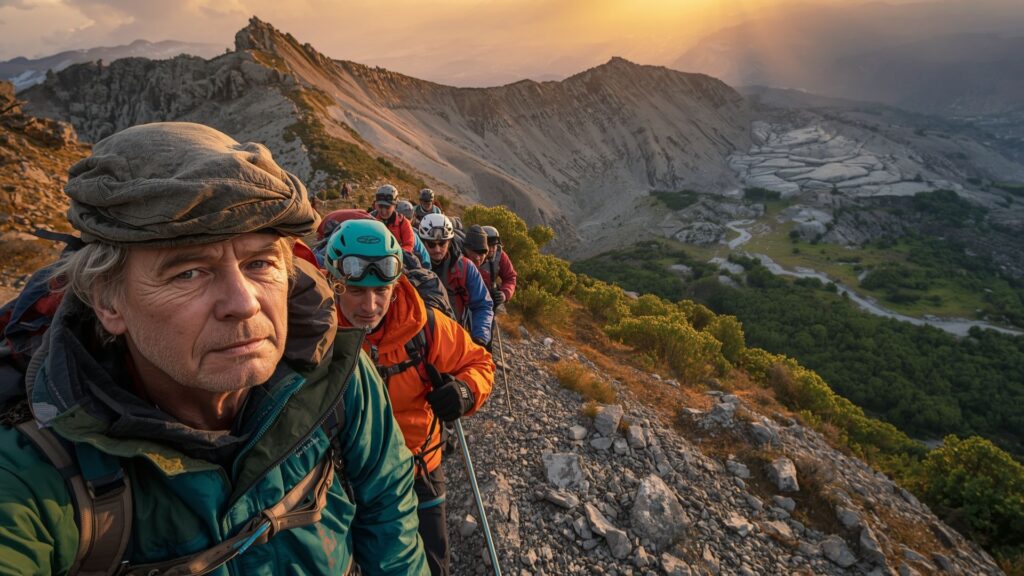
Treatment approaches depend entirely on symptom severity. Proper response to early warning signs prevents progression to dangerous conditions.
Mild Symptom Response
Stop ascending immediately when mild altitude sickness symptoms appear. Maintain current elevation for 24-48 hours until symptoms resolve completely. Drink 3-4 litres of water daily. Take ibuprofen or paracetamol for headache relief if necessary. Rest provides the most effective treatment for mild altitude sickness.
Most climbers recover within 2-3 days at the same elevation. Resume ascending slowly once symptoms disappear completely. Monitor yourself carefully for any symptom return during continued ascent.
Severe Symptom Response
Descend immediately when severe altitude sickness symptoms develop. Drop at least 500-1,000 metres in elevation as quickly as safely possible. Seek medical attention at the nearest facility. Severe altitude sickness progresses beyond the point where Diamox or other medications provide relief. Descent represents the only effective treatment.
Delays in descending with severe symptoms lead to high-altitude pulmonary oedema (HAPE) or high-altitude cerebral oedema (HACE). HAPE occurs when fluid accumulates in the lungs, causing breathing difficulty and bloody cough. HACE develops when fluid accumulates in the brain, causing severe coordination problems and altered consciousness. Both conditions prove fatal without immediate descent and medical intervention.
Training and Preparation for High-Altitude Treks
Physical preparation reduces altitude sickness risk by improving cardiovascular efficiency and lung capacity. Pat Falvey Irish & Worldwide Adventures recommends 12-16 weeks of training before major expeditions. Training should include cardiovascular exercise, strength conditioning and practice hikes with weighted packs.
The heart and lungs require time to expand capacity and adapt to altitude demands. Aerobic fitness allows more efficient oxygen use at reduced atmospheric pressure. Training at lower elevations cannot replicate altitude conditions, but improved fitness provides significant advantages. Island Peak and Everest Base Camp expeditions demand excellent physical conditioning alongside proper acclimatisation.
Additional High-Altitude Adventures
Pat Falvey Irish & Worldwide Adventures offers multiple high-altitude destinations where altitude sickness prevention proves essential. Aconcagua expeditions reach 6,961 metres in Argentina. Annapurna Base Camp treks climb to 4,130 metres in Nepal. Mount Toubkal ascents summit at 4,167 metres in Morocco. Each expedition incorporates acclimatisation protocols developed through decades of mountain guiding experience.
Lower-altitude adventures like Salkantay and Machu Picchu treks still reach elevations where mild altitude sickness can occur. Understanding prevention strategies benefits trekkers at all mountain elevations.
Avoid overexertion during initial trekking stages. Pace yourself to become progressively stronger as the trek continues. The tortoise approach beats the hare mentality in high-altitude environments. Experienced guides at The Mountain Lodge emphasise this strategy during pre-trek briefings.
Climb High, Sleep Low Method
The climb high, sleep low strategy involves ascending to higher elevations during the day whilst returning to lower elevations for sleep. This approach allows the body to experience reduced oxygen levels whilst providing recovery time at safer altitudes. Acclimatisation treks specifically incorporate this method. A typical schedule involves climbing 300-500 metres above sleeping elevation during acclimatisation days.
Medication Considerations
Diamox (acetazolamide) serves as a prophylactic medication for mild altitude sickness symptoms. The drug works by acidifying blood, which stimulates breathing and accelerates acclimatisation. Pat Falvey Irish & Worldwide Adventures recommends consulting your doctor about Diamox use before departure. Contact the office at +353 64 6644 181 or email info@patfalvey.com for guidance based on 30 years of high-altitude experience.
Natural prevention methods through proper acclimatisation, hydration and pacing often eliminate the need for medication. Diamox cannot replace sensible climbing practices.
Altitude Sickness Treatment Protocols
Treatment approaches depend entirely on symptom severity. Proper response to early warning signs prevents progression to dangerous conditions.
Mild Symptom Response
Stop ascending immediately when mild altitude sickness symptoms appear. Maintain current elevation for 24-48 hours until symptoms resolve completely. Drink 3-4 litres of water daily. Take ibuprofen or paracetamol for headache relief if necessary. Rest provides the most effective treatment for mild altitude sickness.
Most climbers recover within 2-3 days at the same elevation. Resume ascending slowly once symptoms disappear completely. Monitor yourself carefully for any symptom return during continued ascent.
Severe Symptom Response
Descend immediately when severe altitude sickness symptoms develop. Drop at least 500-1,000 metres in elevation as quickly as safely possible. Seek medical attention at the nearest facility. Severe altitude sickness progresses beyond the point where Diamox or other medications provide relief. Descent represents the only effective treatment.
Delays in descending with severe symptoms lead to high-altitude pulmonary oedema (HAPE) or high-altitude cerebral oedema (HACE). HAPE occurs when fluid accumulates in the lungs, causing breathing difficulty and bloody cough. HACE develops when fluid accumulates in the brain, causing severe coordination problems and altered consciousness. Both conditions prove fatal without immediate descent and medical intervention.
Training and Preparation for High-Altitude Treks
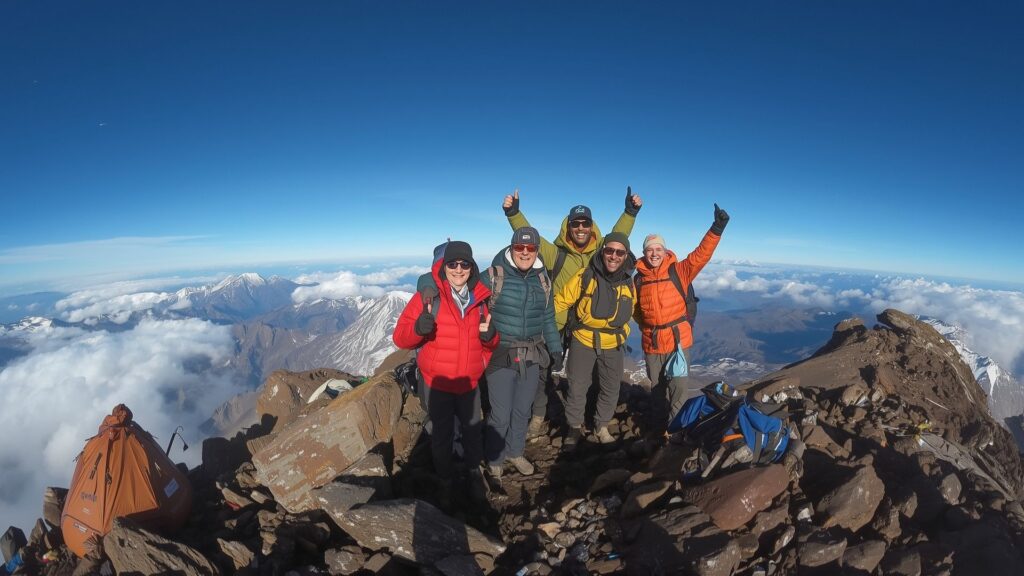
Physical preparation reduces altitude sickness risk by improving cardiovascular efficiency and lung capacity. Pat Falvey Irish & Worldwide Adventures recommends 12-16 weeks of training before major expeditions. Training should include cardiovascular exercise, strength conditioning and practice hikes with weighted packs.
The heart and lungs require time to expand capacity and adapt to altitude demands. Aerobic fitness allows more efficient oxygen use at reduced atmospheric pressure. Training at lower elevations cannot replicate altitude conditions, but improved fitness provides significant advantages. Island Peak and Everest Base Camp expeditions demand excellent physical conditioning alongside proper acclimatisation.
Additional High-Altitude Adventures
Pat Falvey Irish & Worldwide Adventures offers multiple high-altitude destinations where altitude sickness prevention proves essential. Aconcagua expeditions reach 6,961 metres in Argentina. Annapurna Base Camp treks climb to 4,130 metres in Nepal. Mount Toubkal ascents summit at 4,167 metres in Morocco. Each expedition incorporates acclimatisation protocols developed through decades of mountain guiding experience.
Lower-altitude adventures like Salkantay and Machu Picchu treks still reach elevations where mild altitude sickness can occur. Understanding prevention strategies benefits trekkers at all mountain elevations.
Frequently Asked Questions About Altitude Sickness
Sickness symptoms typically appear 6-12 hours after reaching a new elevation. Some climbers experience symptoms within 2-4 hours of rapid ascent. The delayed onset often causes climbers to underestimate the connection between elevation gain and symptoms.
Sickness can occur above 2,500 metres, though most cases develop above 3,000 metres. Individual susceptibility varies significantly. Previous altitude tolerance does not guarantee future immunity.
Physical fitness improves oxygen efficiency but does not prevent sickness. Elite athletes experience altitude sickness at the same rates as average trekkers. Proper pacing and gradual ascent matter more than fitness level.
Acclimatisation requires 1-2 days for every 300-500 metres above 3,000 metres. Complete acclimatisation to 5,000 metres typically takes 7-10 days from sea level. Bodies never fully acclimatise above 5,500 metres.
Age shows no direct correlation with altitude sickness susceptibility. Children, adults and elderly climbers experience similar rates. Young children cannot always communicate symptoms effectively, requiring extra vigilance.