
Mount Kilimanjaro attracts adventurers from around the world and offers a unique trekking experience at 5,895 metres elevation. This trekker’s guide to Kilimanjaro covers the essential preparation, guidance, and mindset required for a successful climb. With proper planning and experienced leadership, the Mount Kilimanjaro climb transforms into a life-changing adventure that creates unforgettable memories. Pat Falvey Irish & Worldwide Adventures delivers expert-led Kilimanjaro expeditions with a proven track record spanning three decades.
The trekker’s guide to Kilimanjaro begins with understanding that this mountain, whilst requiring no technical climbing skills, demands respect and thorough preparation. Standing as Africa’s tallest peak and one of the Seven Summits, Kilimanjaro presents unique challenges through its altitude and varying climate zones. Trekkers pass through five distinct ecological zones during their ascent, from tropical rainforest to arctic summit conditions.
Preparing for the Journey
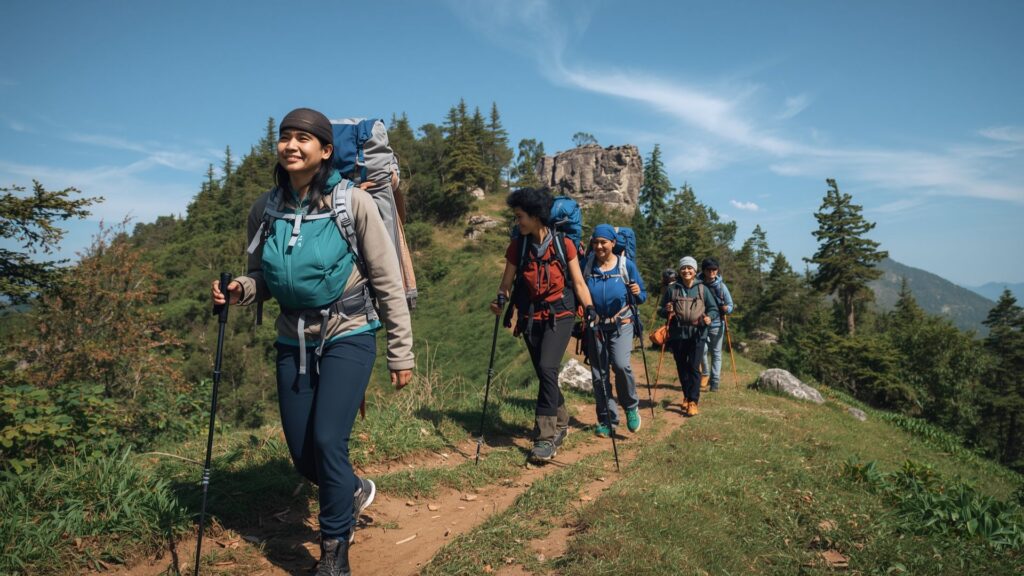
Before starting your Kilimanjaro trek, understanding the demands this mountain places on your body and mind proves crucial for success. Technical climbing skills are not required, but trekkers need to build endurance through months of training.
The climb takes 6-7 days depending on your chosen route. Each day follows a typical pattern: an early morning trek of 4-5 hours reaches a lunch stop, then another 3-4 hours of walking brings the group to the evening campsite. Every hour, the entire group stops for 10 minutes, allowing proper acclimatisation to the thin air at higher altitudes.
Training for Kilimanjaro requires a structured 12-week programme minimum. Trekkers build cardiovascular fitness through hill walking, stair climbing, and long-distance hiking with a weighted backpack. The training programme increases gradually from 2-3 hour walks to full-day excursions carrying 8-10 kilograms. Weekend hikes on mountains like Carrauntoohil in Ireland provide excellent preparation for Kilimanjaro’s demands.
Physical fitness alone does not guarantee summit success. Trekkers must prepare their bodies for altitude through consistent aerobic exercise that strengthens the cardiovascular system. Swimming, cycling, and running complement hill walking by building overall endurance.
Choosing the Right Route
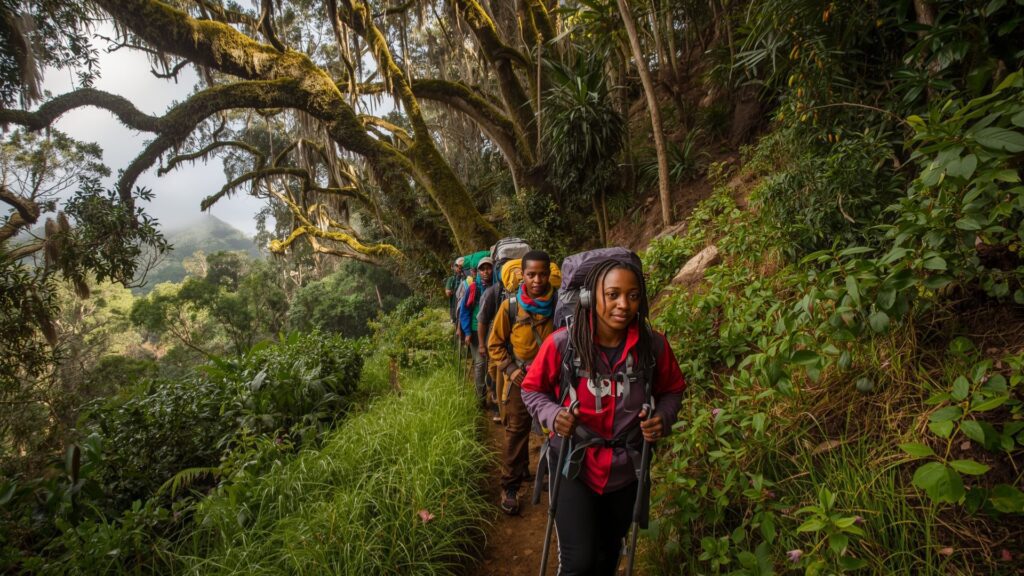
Among the seven established routes to the Kilimanjaro summit, the Machame Route stands out as an ideal choice for first-time climbers. The route offers a well-balanced challenge and provides diverse landscapes with ample time for acclimatisation.
This trekker’s guide to Kilimanjaro highlights the Machame Route as the most popular path for international climbers. The route earns its nickname “Whiskey Route” due to its challenging but achievable nature. Statistics show that 60-70% of trekkers who attempt Machame reach Uhuru Peak successfully, making it one of the highest success rate routes on the mountain.
The Machame Route features well-established campsites that aid acclimatisation significantly. These campsites include Machame Camp at 3,000 metres, Shira Camp at 3,840 metres, Barranco Camp at 3,960 metres, Karanga Camp at 3,995 metres, and Barafu Camp at 4,673 metres. The strategic placement allows climbers to rest and adapt to changing altitude gradually. This gradual ascent minimises altitude sickness risks and ensures a successful hike to the Kilimanjaro summit.
Alternative routes provide different experiences for varied trekker preferences. The Lemosho Route approaches from the west and offers excellent acclimatisation over 7-8 days. The Rongai Route ascends from the north and provides a quieter experience with fewer crowds. The Marangu Route, known as the “Coca-Cola Route”, offers hut accommodation instead of camping but has lower summit success rates due to its faster ascent profile.
Acclimatisation Strategies for Success
Proper acclimatisation separates successful summit attempts from failed ones on Kilimanjaro. The human body requires time to adapt to reduced oxygen levels at altitude, producing more red blood cells and adjusting breathing patterns.
The trekker’s guide to Kilimanjaro emphasises three key acclimatisation tips:
- Climb High, Sleep Low: Trekkers ascend to higher altitudes during the day and descend to slightly lower altitudes for sleeping. This strategy triggers altitude adaptation whilst allowing recovery at lower elevations where oxygen levels are higher.
- Hydrate Consistently: Trekkers drink 3-4 litres of water daily to stay properly hydrated. Dehydration intensifies altitude sickness symptoms and reduces the body’s ability to acclimatise effectively.
- Listen to Your Body: Trekkers remain aware of altitude sickness symptoms including headaches, dizziness, nausea, and unusual fatigue. Informing guides immediately when symptoms occur allows proper assessment and appropriate action.
The “pole pole” philosophy governs all successful Kilimanjaro treks. This Swahili phrase meaning “slowly, slowly” reminds trekkers to maintain a deliberately slow pace throughout the climb. Walking slowly conserves energy, reduces altitude sickness risk, and allows the body to adapt gradually.
The Wisdom of Experienced Guides
The allure of conquering Kilimanjaro independently may tempt some trekkers, but the wisdom and expertise of seasoned guides makes the difference between success and failure. Tanzanian regulations require all Kilimanjaro climbers to trek with registered guides and crews.
Guides ensure safe climbs by monitoring trekker health continuously and managing the group’s pace appropriately. Their expertise provides valuable knowledge about terrain, weather conditions, and local wildlife, enriching the overall adventure significantly. Pat Falvey’s guides bring decades of combined Kilimanjaro experience to every expedition.
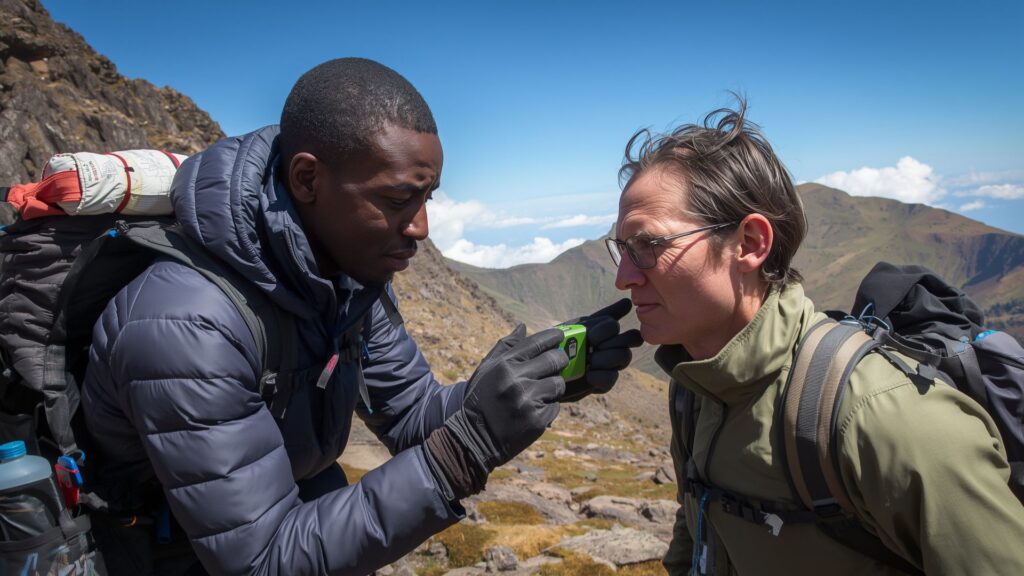
This trekker’s guide to Kilimanjaro explains that guides perform multiple critical roles throughout the expedition. They assess each trekker’s condition twice daily, checking oxygen saturation levels, heart rate, and overall wellbeing. Guides recognise altitude sickness symptoms early, implementing appropriate responses before conditions worsen.
The guide-to-trekker ratio affects expedition quality and safety significantly. Pat Falvey expeditions maintain a ratio of one guide for every three trekkers maximum, ensuring personalised attention throughout the climb. Support crews including porters and cooks accompany each expedition, with porters carrying equipment and supplies whilst cooks prepare nutritious meals at each campsite.
Mental Fortitude: The Key to Success
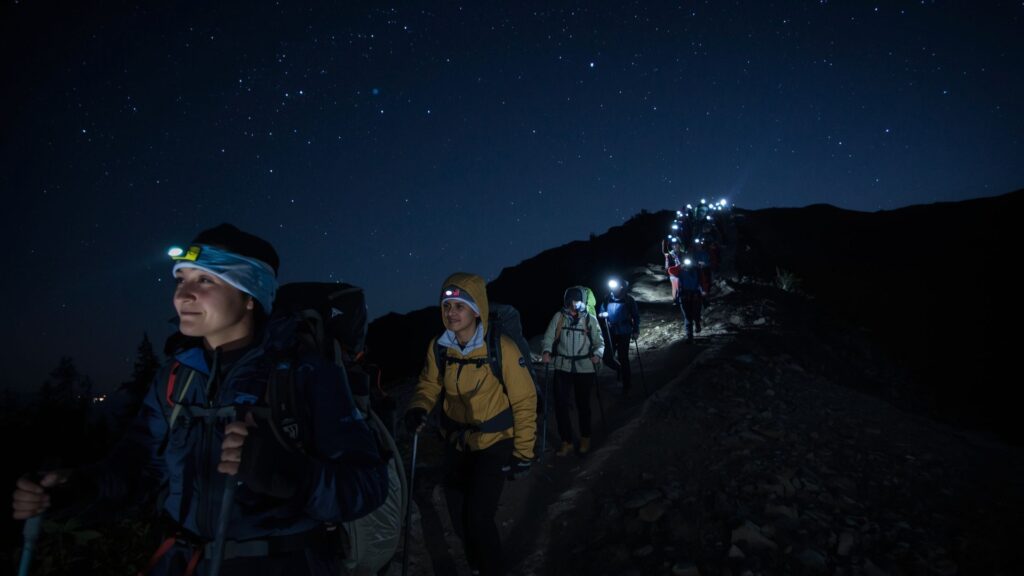
Beyond physical preparation, mental resilience proves equally crucial for successful Mount Kilimanjaro climbs. Experienced guides emphasise the importance of open communication, self-awareness, and honesty about physical and emotional states.
For many trekkers, the climb represents not just a physical challenge but a profound journey of self-discovery. Pushing beyond perceived limits whilst surrounded by the mountain’s awe-inspiring beauty creates deeper connections with nature. Trekkers gain newfound appreciation for the resilience of the human spirit through this experience.
This trekker’s guide to Kilimanjaro addresses the mental challenges that every climber faces. Summit night proves particularly demanding, beginning around midnight with 6-7 hours of steep climbing in darkness and extreme cold. Temperatures drop to minus 20 degrees Celsius, and exhaustion tests every trekker’s determination.
Group dynamics influence individual success on Kilimanjaro significantly. Trekking alongside others creates mutual support and shared motivation. When one team member struggles, others provide encouragement and inspiration. The bonds formed during Kilimanjaro expeditions often last lifelong, built through shared challenges and collective achievement.
The Pat Falvey Advantage
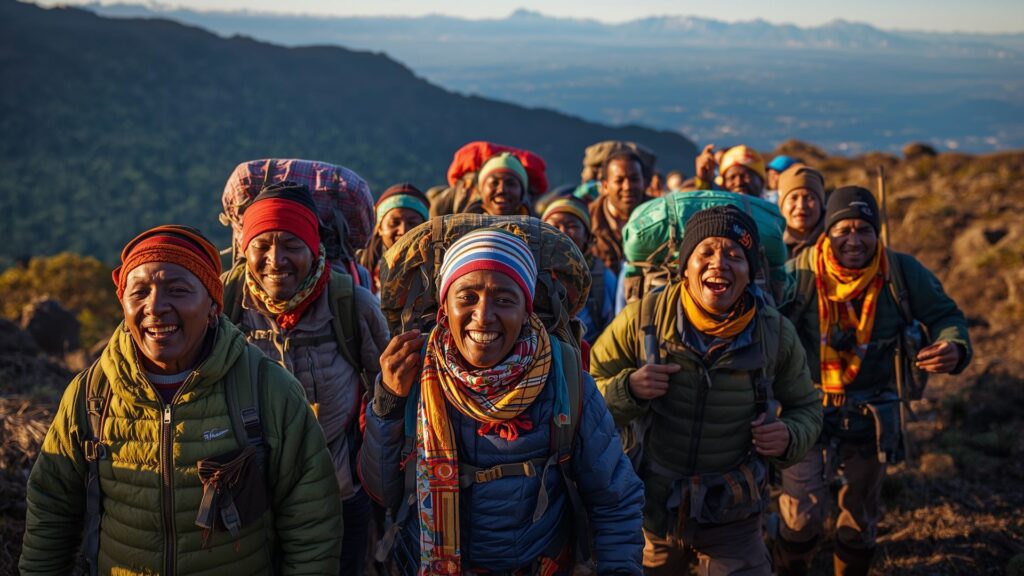
Every Kilimanjaro trek offers unique experiences, and the stories shared by guides who have summited the mountain countless times demonstrate the transformative power of this adventure. Pat Falvey has personally summited Kilimanjaro 65+ times and guided 2,000+ trekkers to Uhuru Peak since 1995.
The team prioritises safety, proper acclimatisation, and comprehensive support for all trekkers. An indispensable bond of teamwork and camaraderie exists among guides, porters, and trekkers. As groups ascend, the air resonates with uplifting Swahili melodies courtesy of the porters, infusing the journey with positivity.
Experienced guides, well-planned routes, and focus on group camaraderie ensure that every trekker has a memorable and fulfilling experience on Kilimanjaro. Pat Falvey Irish & Worldwide Adventures operates from The Mountain Lodge in Beaufort, County Kerry, where trekkers can prepare with pre-expedition training weekends.
The Pat Falvey difference extends beyond the mountain itself. Pre-expedition preparation includes detailed briefings covering equipment requirements, training advice, and what to expect on each day of the trek. Many Kilimanjaro climbers return for additional expeditions to Everest Base Camp, Aconcagua, or other Seven Summits peaks.
Essential Gear and Packing
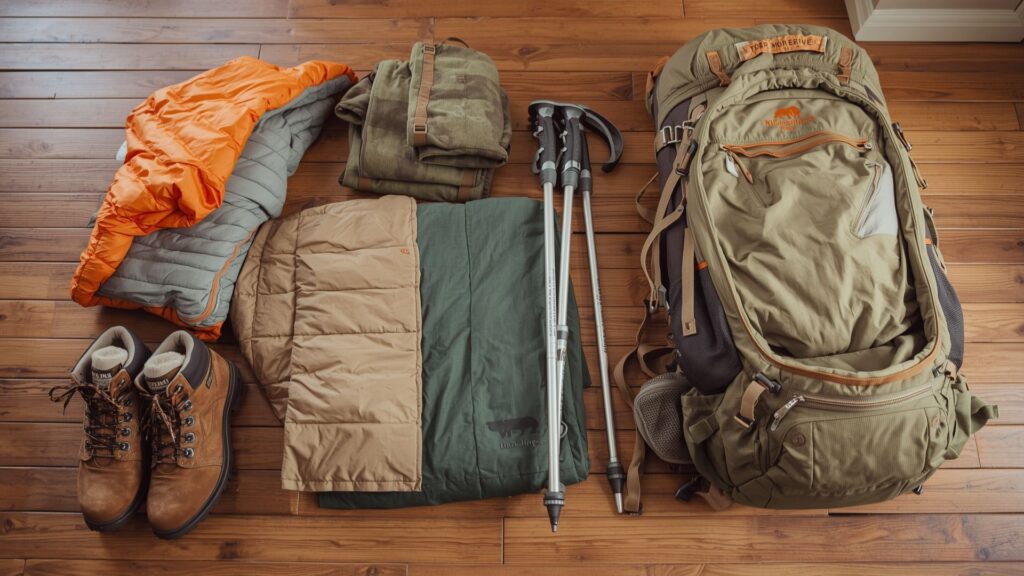
Proper equipment proves critical for Kilimanjaro success and comfort. This trekker’s guide to Kilimanjaro outlines the essential items every climber requires.
Sleeping bags rated to minus 15 degrees Celsius minimum handle summit night temperatures. Four-season sleeping bags provide the necessary warmth when temperatures plummet. Trekkers who scrimp on sleeping bag quality often suffer through cold, sleepless nights that compromise their summit attempt chances.
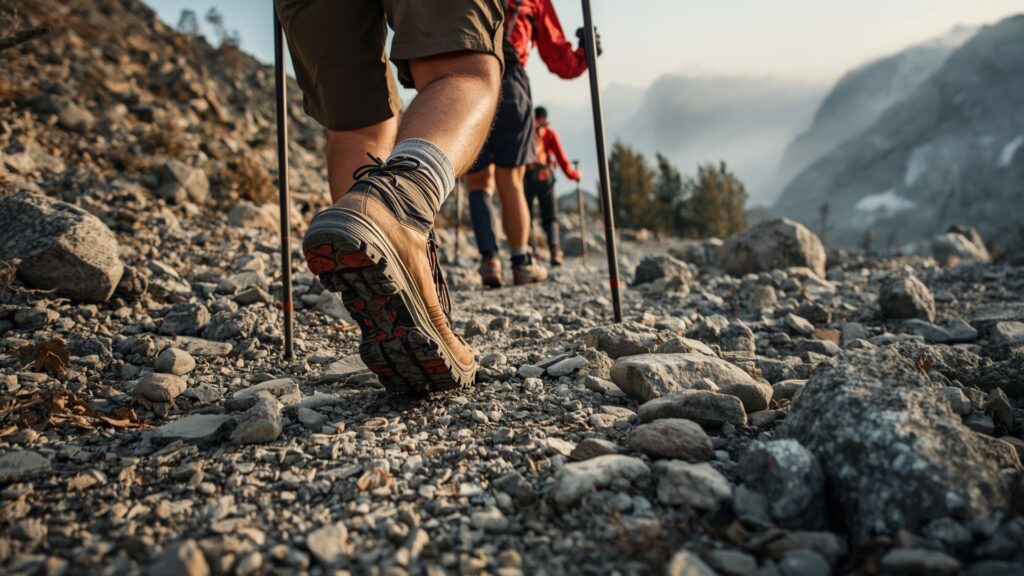
Footwear requires particular attention. Broken-in hiking boots with ankle support prevent blisters and provide stability on rocky terrain. Trekkers bring two pairs of boots when possible, alternating between them to allow drying time. Gaiters keep scree and rain out of boots, maintaining foot comfort throughout the trek.
Trekking poles reduce knee strain significantly during descents and improve stability on steep sections. The layering system works best for Kilimanjaro’s varying temperatures, with base layers, insulation layers, and waterproof outer layers. The equipment list provided by Pat Falvey Irish & Worldwide Adventures covers every essential item.
Best Time to Trek Kilimanjaro
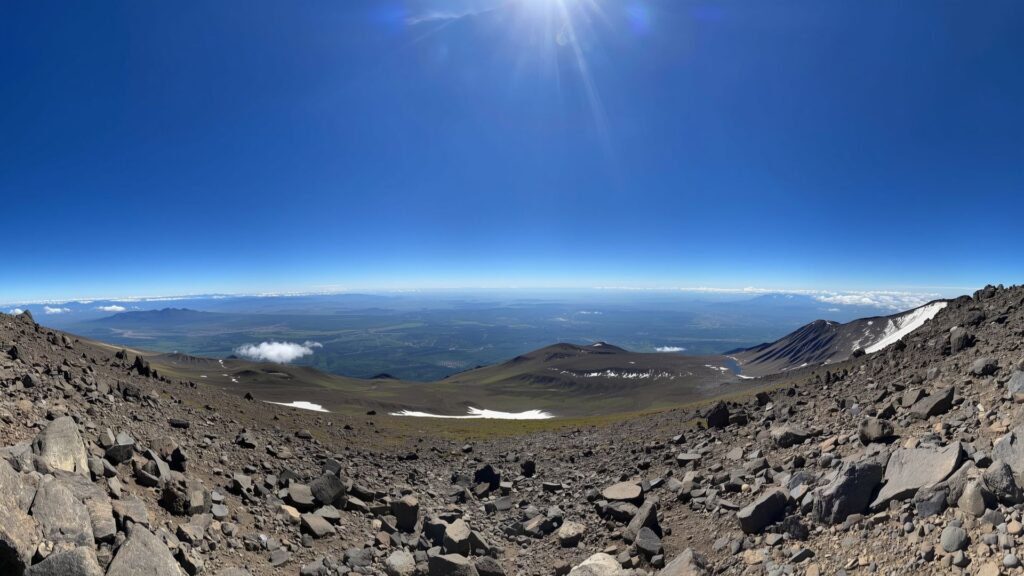
Timing your Kilimanjaro trek significantly impacts your experience and summit success probability. This trekker’s guide to Kilimanjaro outlines optimal trekking windows based on weather patterns.
Two main dry seasons provide the best trekking conditions. January to mid-March offers clear skies, stable weather, and excellent visibility. This period coincides with cooler temperatures and fewer crowds than the busier June-October season. Summit success rates reach 65-70% during these months due to favourable conditions.
Late June to October represents the primary trekking season with the highest numbers of climbers. Weather remains generally dry with cold nights, particularly in September and October. The mountain becomes busier, especially on popular routes like Machame. Booking 6-9 months advance proves necessary during peak season.
Pat Falvey Irish & Worldwide Adventures operates Kilimanjaro expeditions during optimal windows, maximising summit success whilst avoiding overcrowded periods. The team monitors weather patterns closely and adjusts plans when conditions require flexibility.