
The Everest Base Camp Trek is a 130-kilometre journey through Nepal’s Sagarmatha National Park to the base of Mount Everest at 5,364 metres. Pat Falvey Irish & Worldwide Adventures guides this Base Camp Trek with over 30 years of mountain expertise. This guide covers routes, preparation requirements, cultural highlights, and practical planning information for your Himalayan adventure.
Pat Falvey Irish & Worldwide Adventures believes hiking is for everyone. The Everest Base Camp Trek stands as one of the world’s most sought-after mountain adventures, combining physical challenge with cultural immersion and spectacular Himalayan scenery. The Base Camp Trek attracts thousands of trekkers annually who dream of standing at the foot of the world’s highest mountain.
With expert guidance from Pat Falvey’s team, the Base Camp Trek becomes achievable for properly prepared adventurers. Pat Falvey completed the Seven Summits twice and summited Mount Everest twice, bringing unmatched expertise to Base Camp Trek expeditions. This comprehensive guide provides essential information about the Base Camp Trek, from route options to cultural experiences you will encounter in the Khumbu region.
The South Base Camp in Nepal sits at 5,364 metres elevation. This Base Camp Trek route challenges trekkers physically whilst offering incredibly rewarding scenery throughout the journey. Understanding the demands and highlights of the Base Camp Trek helps you prepare properly for this bucket-list adventure.
Everest Base Camp Trek Routes and Options
Trekkers can choose from five distinct routes to reach Everest Base Camp. Each route offers unique scenery, varying difficulty levels, and different cultural experiences along the way.
The Classic Everest Base Camp Trek via Lukla
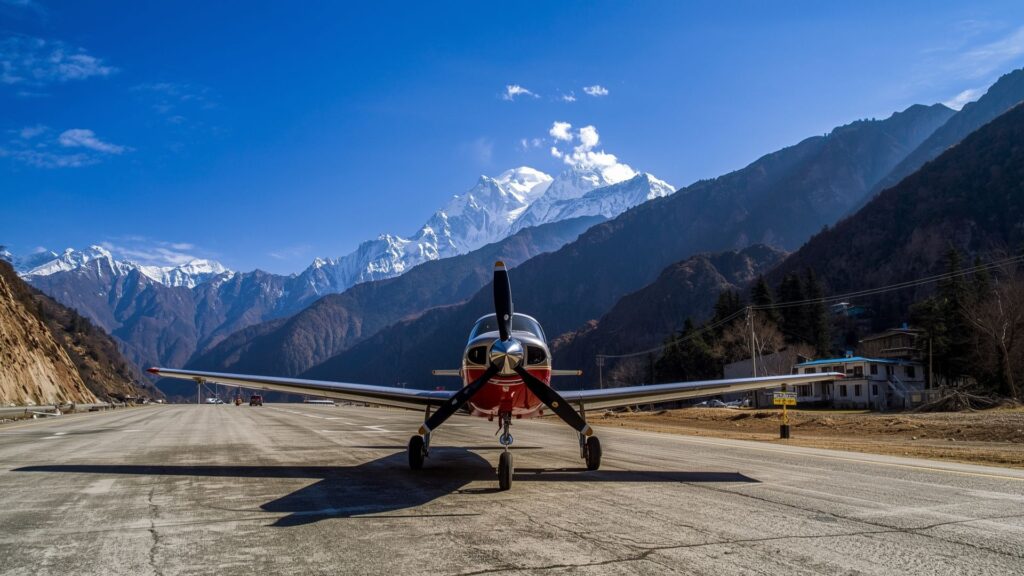
The Classic Everest Base Camp Trek begins with a flight to Lukla, a mountainside town at 2,860 metres. This traditional route spans approximately 65 kilometres from Lukla to Everest Base Camp. Trekkers complete a 130-kilometre round trip by returning along the same path to the starting point.
The Classic route takes adventurers through the Khumbu Valley, immersing them in Sagarmatha National Park. Sagarmatha National Park protects unique Himalayan flora and fauna across 1,148 square kilometres of protected wilderness. The park gained UNESCO World Heritage status in 1979.
The trek typically takes 12 to 14 days to complete. This timeframe includes proper acclimatisation stops at Namche Bazaar (3,440 metres) and Dingboche (4,410 metres). Gradual altitude gain reduces the risk of altitude sickness significantly.
Alternative Base Camp Trek Routes
Pat Falvey Irish & Worldwide Adventures offers four alternative routes to the Base Camp Trek. The Everest Base Camp and Gokyo Lakes Trek adds turquoise alpine lakes to the itinerary and includes crossing Cho La Pass at 5,420 metres. This combined trek typically requires 16 to 18 days to complete.
The Everest Base Camp Trek from Jiri follows the original path taken by early Everest expeditions. This route begins with a bus journey to Jiri from Kathmandu and adds six to eight days of trekking through lower-altitude villages.
The Everest Base Camp and the Three Passes Trek crosses Kongma La (5,535 metres), Cho La (5,420 metres), and Renjo La (5,360 metres). This challenging route demands excellent fitness and requires 18 to 21 days to complete.
The Everest Base Camp Trek with Helicopter Return combines the classic trek with a helicopter flight from Gorak Shep back to Kathmandu. The helicopter return saves three to four trekking days and provides aerial views of the Himalayas.
Spectacular Mountain Views on the Base Camp Trek
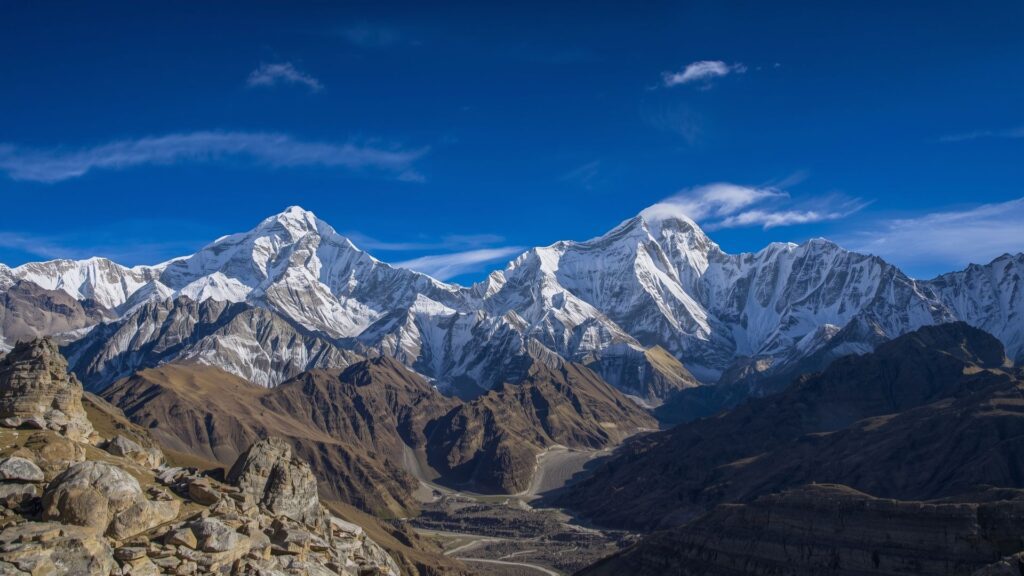
The Base Camp Trek provides views of four of the world’s six highest mountains. Trekkers witness these peaks throughout the journey, with the most spectacular vantage points at Kala Patthar and Base Camp itself.
Mount Everest stands at 8,848 metres, making it Earth’s highest point above sea level. The guided Everest Base Camp trek also reveals Mount Lhotse (8,516 metres), Mount Makalu (8,470 metres), and Cho Oyu (8,201 metres). These giants dominate the skyline throughout the upper Khumbu Valley.
Ama Dablam (6,812 metres) provides a stunning backdrop to villages like Tengboche and Dingboche. Photographers consider Ama Dablam one of the most photogenic peaks in the entire Himalayan range. The landscape diversity extends beyond mountain peaks, with rhododendron and pine forests at lower elevations and alpine terrain characterising the upper sections of the route.
Cultural Experiences on the Everest Base Camp Trek
The Everest Base Camp Trek immerses trekkers in Sherpa Buddhist culture. Villages along the route preserve centuries-old traditions whilst welcoming international visitors.
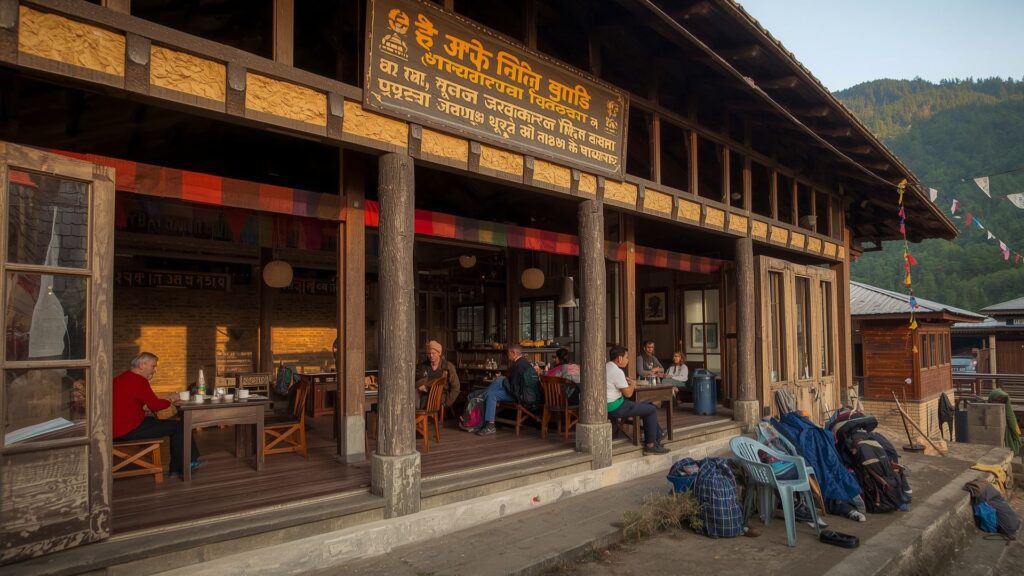
Sherpa communities have inhabited the Khumbu region for over 500 years. These mountain people developed unique cultural practices adapted to high-altitude life. Trekkers stay in traditional tea houses operated by Sherpa families, gaining direct insights into daily mountain life.
Buddhist Monasteries Along the Trek
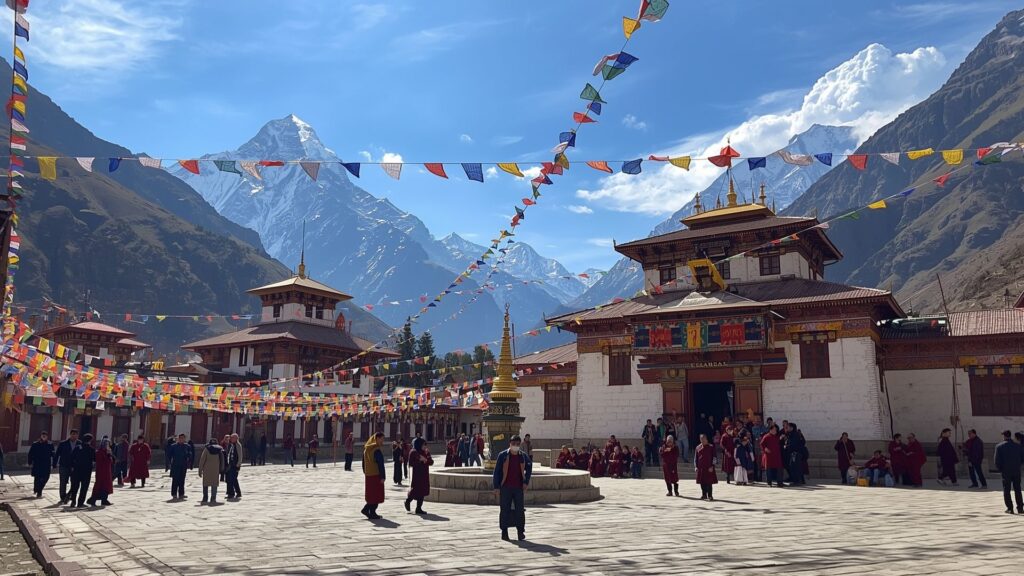
Tengboche Monastery sits at 3,867 metres, serving as the largest Buddhist monastery in the Khumbu region. The monastery houses approximately 60 monks who maintain daily prayer rituals. Tengboche offers panoramic views of Everest, Lhotse, and Ama Dablam from its courtyard.
Pangboche Monastery represents the oldest religious site in the Khumbu Valley, dating back over 300 years. Pangboche sits at 3,985 metres between Dingboche and Base Camp. The monastery preserves ancient Buddhist texts and artefacts significant to Sherpa spiritual heritage.
Namche Bazaar functions as the Sherpa capital and primary acclimatisation stop. This vibrant trading town sits in a natural amphitheatre at 3,440 metres. Namche includes shops, bakeries, restaurants, and the Sherpa Culture Museum.
Trekkers encounter mani walls, prayer wheels, and colourful prayer flags throughout the route. Mani walls feature carved stones inscribed with Buddhist mantras. Prayer wheels contain written prayers that activate with each spin.
Kala Patthar: The Ultimate Viewpoint
Kala Patthar stands at 5,643 metres, representing the highest point most Base Camp Trek participants reach. This black rock outcrop sits above Gorak Shep village and provides unobstructed views of Everest’s south face.
Most trekkers climb Kala Patthar at sunrise. The pre-dawn ascent takes 90 to 120 minutes from Gorak Shep. Sunrise illuminates the Everest summit in gold and pink light, creating the trek’s most iconic photographic moment.
Kala Patthar surpasses Base Camp itself for viewing Mount Everest. Base Camp sits in a valley below the Khumbu Icefall. Kala Patthar’s elevated position reveals the full mountain profile including the summit.
Following in Legendary Footsteps
The Everest Base Camp Trek follows routes pioneered by mountaineering legends. Sir Edmund Hillary and Tenzing Norgay made history in 1953 as the first climbers to summit Mount Everest. Their approach through the Khumbu Valley established the foundation for modern trekking routes.
Pat Falvey summited Mount Everest twice and completed the Seven Summits challenge from both the Bass and Messner lists. This achievement made him the first person to complete both Seven Summits definitions. Pat Falvey led the first Irish expedition to the South Pole and guided the first team to ski across the Greenland Ice Cap.
Pat Falvey Irish & Worldwide Adventures has guided over 2,000 climbers to various summit destinations since 1995. The team brings three decades of high-altitude expedition expertise to every trek. Experienced mountain leaders provide safety oversight, cultural knowledge, and logistical support throughout the journey.
The company operates from The Mountain Lodge in Beaufort, County Kerry. This facility serves as training headquarters for Irish trekkers preparing for Himalayan expeditions. The Mountain Lodge provides accommodation, fitness facilities, and mountain training programmes year-round.
Physical Demands and Fitness Requirements
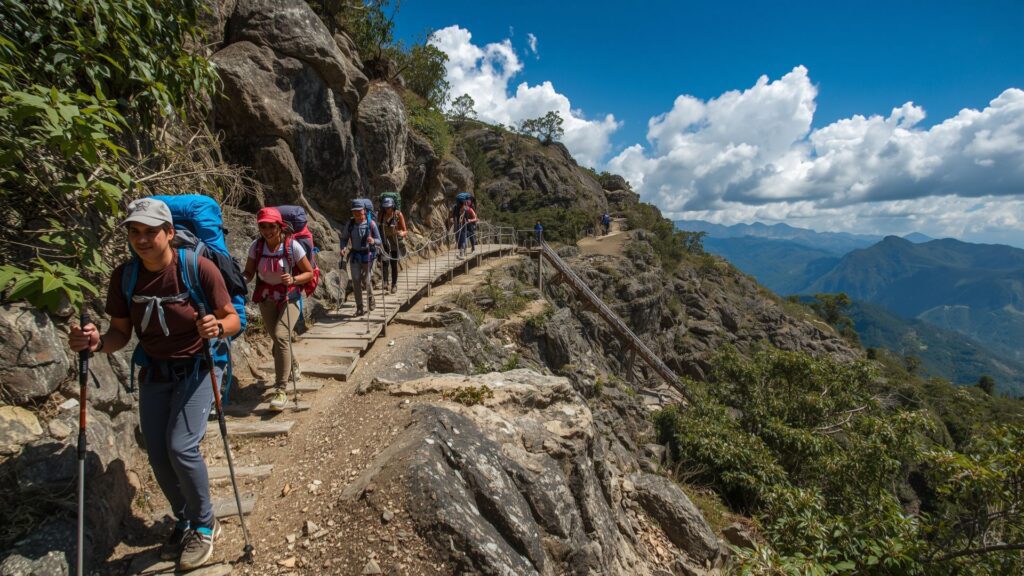
The Everest Base Camp Trek demands good cardiovascular fitness and mental determination. Trekkers walk six to seven hours daily over varied terrain with daily elevation gains ranging from 400 to 700 metres on climbing days.
Training should begin 12 to 16 weeks before departure. Cardiovascular fitness forms the foundation of Base Camp Trek preparation. Walking, running, cycling, or swimming for 45 to 60 minutes four to five times weekly builds necessary endurance.
Hill walking with a loaded rucksack provides the most specific training. Carry 8 to 10 kilograms during training hikes. Weekend hikes should reach four to six hours duration in the final training month.
Altitude Considerations
Altitude affects every trekker differently regardless of fitness level. Proper acclimatisation prevents altitude sickness more effectively than physical conditioning alone. Pat Falvey’s itineraries include rest days at Namche Bazaar and Dingboche specifically for altitude adaptation.
Symptoms of mild altitude sickness include headache, nausea, and fatigue. These symptoms typically resolve with rest and hydration. Severe symptoms require immediate descent to lower elevations. Experienced guides monitor trekker health daily and adjust plans when necessary.
Trekkers should drink three to four litres of water daily at altitude. Diamox (acetazolamide) helps some trekkers acclimatise more easily. Consult a doctor familiar with altitude medicine before departure.
What to Pack for the Everest Base Camp Trek
Packing appropriately ensures comfort and safety throughout the Base Camp Trek. Temperature variations require layered clothing systems. Daytime temperatures range from 15°C at lower elevations to -10°C at Base Camp, with night-time temperatures dropping to -20°C.
Base layers made from merino wool or synthetic materials regulate body temperature effectively. Pack three sets of base layers including tops and bottoms. Mid-layers provide insulation through fleece or down jackets. A waterproof and windproof outer shell protects against Himalayan weather.
Down jackets rated for -20°C temperatures prove essential above 4,000 metres. Sleeping bags rated for -15°C ensure comfortable nights in tea houses. Trekking boots require proper breaking-in before departure.
Quality sunglasses protecting against UV radiation prevent snow blindness. Apply SPF 50+ sunscreen to exposed skin. Head torches with spare batteries enable early morning starts. Trekking poles reduce knee strain on descents and improve stability.
Best Season for the Everest Base Camp Trek
The Base Camp Trek operates during two main trekking seasons. Spring (March to May) and autumn (September to November) provide the most stable weather conditions with clear skies and moderate temperatures.
Spring temperatures gradually warm throughout the season. April and May offer consistently clear morning views before afternoon clouds develop. Rhododendron forests bloom in vibrant reds and pinks during April. Spring attracts fewer trekkers than autumn.
Autumn delivers the most stable weather conditions. Post-monsoon air clarity provides exceptional mountain views. October represents the peak trekking month with maximum visitor numbers. Autumn colours transform lower-elevation forests.
Winter brings extreme cold and snow at higher elevations, with temperatures dropping to -30°C at night near Base Camp. Monsoon season (June to August) brings heavy rainfall and clouds that obscure mountain views.
Cost and Booking Information
Everest Base Camp Trek costs vary based on group size, service level, and inclusions. Pat Falvey Irish & Worldwide Adventures offers comprehensive packages including flights, permits, accommodation, meals, and experienced guides.
Standard 14-day guided treks typically range from €2,500 to €3,500 per person. This pricing includes domestic flights, tea house accommodation, three meals daily, permits, and guide services. Premium packages with upgraded accommodation cost €4,000 to €5,000 per person.
Comprehensive packages include all necessary permits. The Sagarmatha National Park entry permit costs approximately $30. The Khumbu Pasang Lhamu Rural Municipality permit costs an additional $20.
Experienced Sherpa guides lead groups throughout the trek. Porter services transport main luggage between overnight stops. Accommodation in family-run tea houses provides authentic cultural experiences. Meals include breakfast, lunch, and dinner with tea and coffee.
The company also guides expeditions to other Himalayan destinations. The Annapurna Base Camp trek offers an alternative Nepali adventure. For an extended challenge, consider the Island Peak and Everest Base Camp combination which includes a 6,189-metre summit attempt.