
Climbing Kilimanjaro delivers an extraordinary adventure across Africa’s highest peak at 5,895 metres. The best time to climb Kilimanjaro determines your summit success rate, safety conditions, and overall trekking experience. Weather patterns on Kilimanjaro shift dramatically throughout the year, creating distinct climbing seasons that affect visibility, temperature, and trail conditions. Pat Falvey Irish & Worldwide Adventures operates guided Kilimanjaro expeditions during optimal climbing months to maximise safety and summit achievements. Timing your Kilimanjaro trek requires understanding seasonal variations, personal fitness preparation, and route selection. Tanzania’s equatorial location creates year-round climbing opportunities, yet specific months offer superior conditions for reaching Uhuru Peak.
Peak Climbing Seasons for Kilimanjaro
Kilimanjaro experiences two primary dry seasons that create the best time to climb Kilimanjaro. These periods deliver stable weather patterns, reduced rainfall, and clearer summit views.
January to March Climbing Window
The January to March period provides excellent Kilimanjaro climbing conditions following the short rains. February stands out as the best time to climb Kilimanjaro during the first dry season. Temperatures range from 20°C at base camps to minus 10°C at the summit. Clear morning skies deliver exceptional visibility across the Tanzanian plains. Pat Falvey’s February expeditions benefit from well-established trails and optimal weather stability.
March marks the transition towards the long rains, creating variable conditions. Summit success rates remain high through mid-March before weather deterioration affects upper routes. This period attracts fewer climbers than August to September, reducing trail congestion on popular routes like Machame and Marangu.
June to October Extended Season
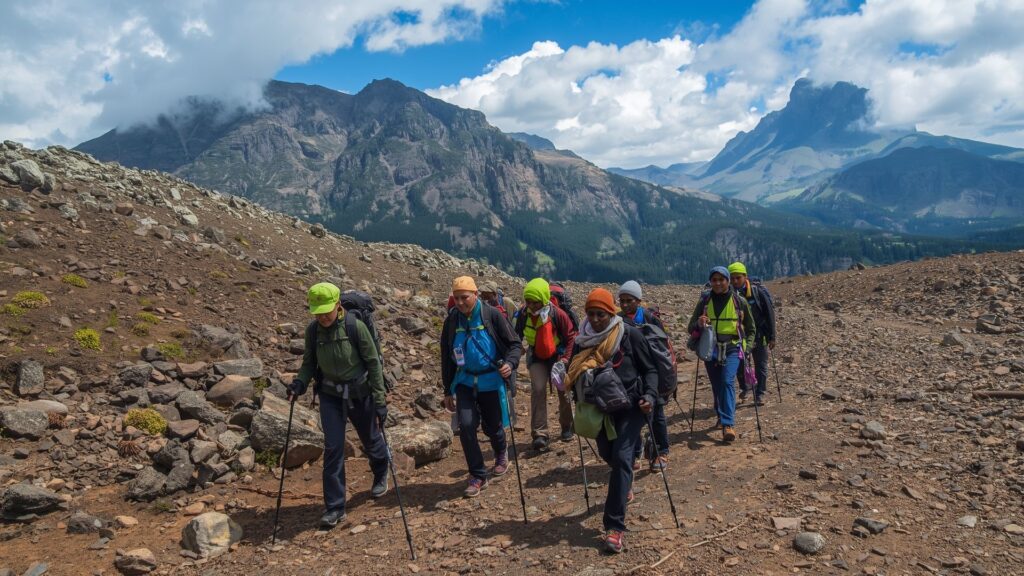
The June to October window represents the longest stable climbing period. August and September provide the best time to climb Kilimanjaro within this extended season. July through September delivers consistently dry conditions with minimal rainfall across all routes. October maintains favourable weather before short rains commence in November.
August attracts maximum climber numbers due to Northern Hemisphere summer holidays. The Machame Route experiences substantial traffic during August, whilst the Lemosho Route offers more solitude. September combines excellent weather with reduced crowds, creating an ideal balance. Pat Falvey schedules multiple September departures to capitalise on these optimal conditions. October provides reliable weather through the first three weeks before November rains arrive.
Understanding Kilimanjaro Weather Patterns Throughout the Year
Kilimanjaro’s weather follows predictable annual patterns influenced by equatorial location and altitude variations. Understanding these patterns helps determine the best time to climb Kilimanjaro for your specific requirements.
Dry Season Characteristics
Dry seasons deliver 70 to 80% summit success rates compared to 40 to 50% during rainy periods. January through March provides stable mornings with afternoon cloud development. June through October maintains clear conditions throughout most days. Temperatures decrease predictably with altitude, dropping 1°C per 200 metres gained. Summit temperatures remain below freezing year-round, requiring proper cold-weather equipment regardless of season.
Wind speeds increase during dry seasons, particularly above 4,500 metres. The Western Breach and Arrow Glacier routes experience stronger winds than southern approaches. Humidity levels decrease as altitude increases, contributing to dehydration risks. Pat Falvey’s guides monitor weather patterns daily and adjust schedules when conditions deteriorate unexpectedly.
Rainy Season Considerations
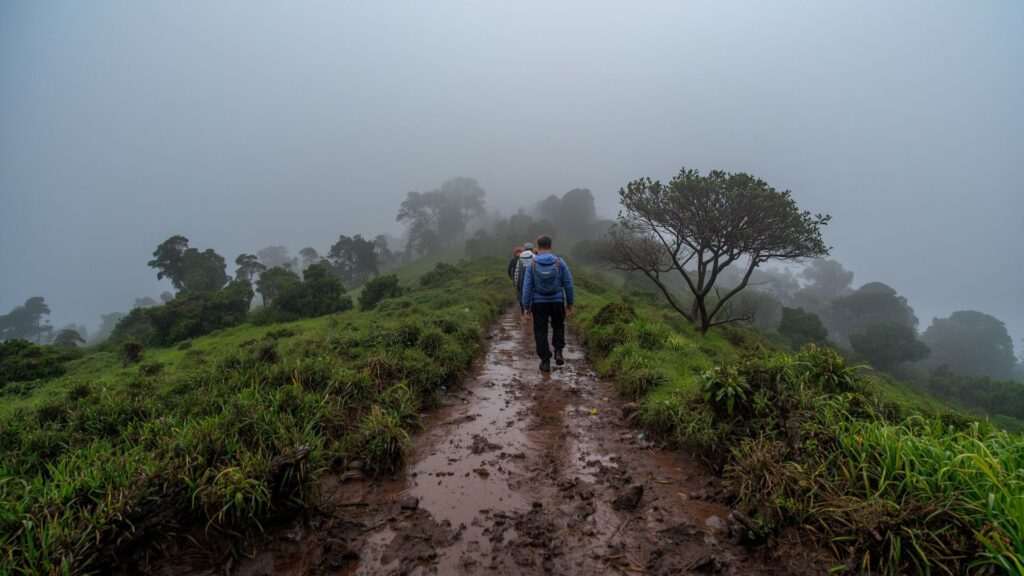
The long rains from April through May create the worst time to climb Kilimanjaro. Rainfall reaches 300 to 400mm monthly at lower elevations. Trails become muddy and treacherous, increasing injury risks. Cloud cover obscures summit views throughout most climbs. November’s short rains deliver lighter precipitation than April to May but still compromise climbing conditions. Pat Falvey deliberately avoids scheduling expeditions during rainy seasons to prioritise climber safety.
Snow accumulation increases during rainy seasons above 5,000 metres. The Barranco Wall becomes particularly hazardous with ice formation. Route finding grows more difficult as landmarks disappear beneath cloud and precipitation. Hypothermia risks multiply when rain-soaked clothing combines with high-altitude cold. Summit attempts face reduced visibility and dangerous footing conditions.
Selecting Your Kilimanjaro Route and Timing
Route selection interacts with seasonal timing to determine success probability. Different routes perform better during specific months, influencing the best time to climb Kilimanjaro for your chosen approach.
Popular Routes by Season
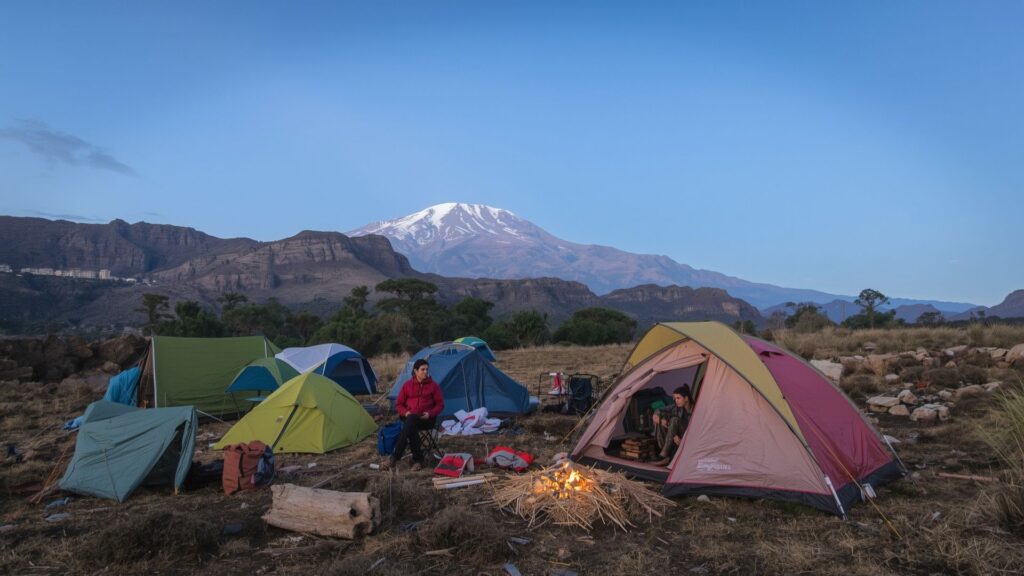
The Machame Route handles increased traffic during August to September peak season. This seven-day trek approaches from the south, crossing varied climate zones. February provides excellent Machame conditions with reduced crowds. The Marangu Route offers hut accommodation, making it preferable during transitional months when camping conditions deteriorate.
The Lemosho Route requires eight days, providing superior acclimatisation profiles. This route performs exceptionally well from January through March. Pat Falvey recommends Lemosho for climbers seeking the best time to climb Kilimanjaro with minimal crowding. The Northern Circuit extends Lemosho around Kilimanjaro’s north side, adding two days for enhanced altitude adaptation. Visit our guided Carrauntoohil hikes for local Irish mountain preparation before attempting Kilimanjaro.
Technical Routes and Seasonal Factors
The Western Breach route involves scrambling across steep volcanic scree. January through March provides the best time to climb Kilimanjaro via Western Breach due to reduced rockfall risks. The Umbwe Route ascends directly up Kilimanjaro’s south face, creating significant altitude gain over short distances. June through October delivers optimal Umbwe conditions when trail stability peaks.
Technical routes demand superior fitness levels and previous high-altitude experience. Consider our Everest Base Camp treks for additional high-altitude experience before attempting technical Kilimanjaro routes.
Physical Preparation and Training Timeline
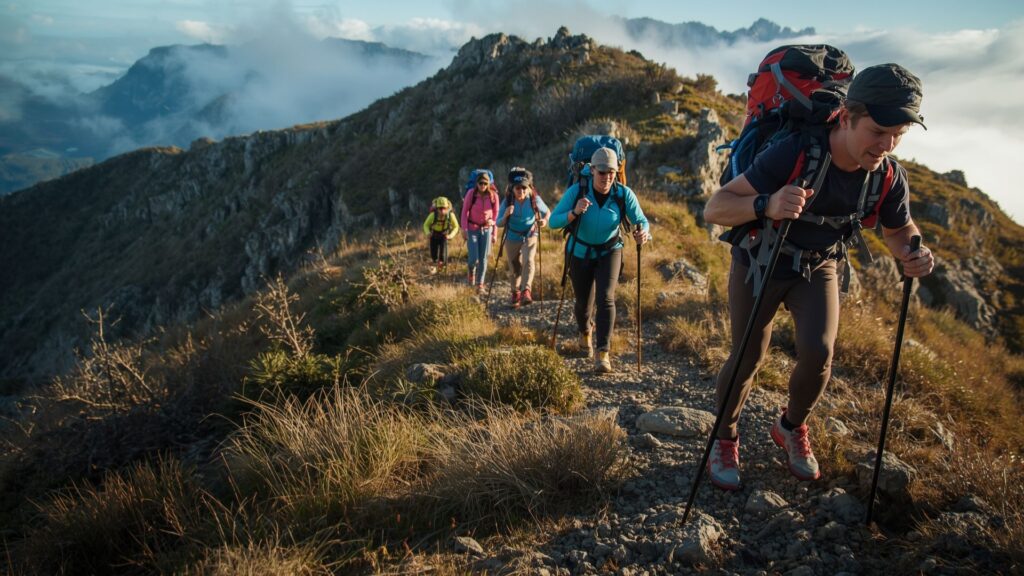
Physical preparation determines summit success as significantly as choosing the best time to climb Kilimanjaro. Training requirements span cardiovascular endurance, strength development, and altitude adaptation strategies.
Pat Falvey recommends minimum 12-week preparation before Kilimanjaro attempts. Weeks 1 to 4 establish cardiovascular base through 3 to 4 weekly hikes lasting 2 to 3 hours with 500-metre elevation gain per session. Weeks 5 to 8 increase hiking duration to 4 to 5 hours with 800-metre elevation gains. Add weighted backpack starting at 8kg, progressing to 12kg.
Weeks 9 to 12 focus on back-to-back hiking days, simulating Kilimanjaro’s consecutive climbing schedule. Complete 6-hour hikes on Saturdays followed by 4-hour sessions on Sundays. Irish climbers benefit from Kerry’s mountains for preparation. Carrauntoohil at 1,038 metres provides technical terrain for gear testing. Pat Falvey conducts preparation weekends at The Mountain Lodge in Kerry, combining technical instruction with fitness evaluation.
Altitude Acclimatisation and Summit Success
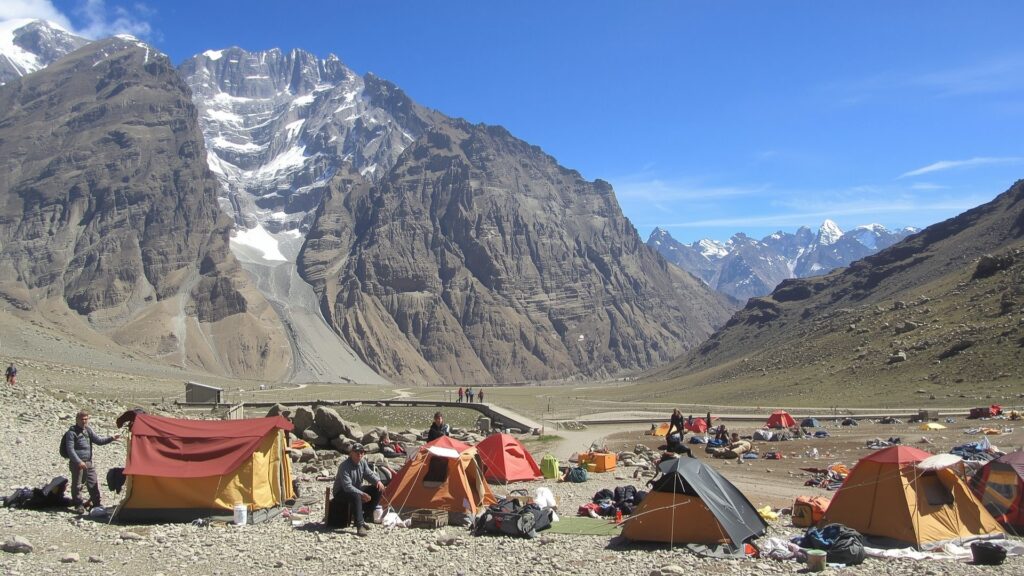
Altitude acclimatisation represents the critical factor determining Kilimanjaro summit achievement. Proper acclimatisation schedules interact with seasonal timing to identify the best time to climb Kilimanjaro for individual physiology.
Human bodies require 24 to 48 hours to produce additional red blood cells after altitude exposure. Routes spanning 6 to 7 days provide minimum adaptation time. Eight-day routes deliver significantly improved acclimatisation outcomes. Pat Falvey’s expeditions utilise eight-day itineraries to maximise summit success rates.
Climb high, sleep low methodology forms the core acclimatisation strategy. Barranco Camp at 3,960 metres provides ideal acclimatisation staging before summit push. Proper hydration accelerates acclimatisation, requiring 4 to 5 litres daily fluid intake.
Acute Mountain Sickness affects 50 to 75% of Kilimanjaro climbers to varying degrees. Pat Falvey’s guides monitor clients twice daily using Lake Louise Score assessments. Oxygen saturation measurements identify concerning trends before symptoms worsen. The best time to climb Kilimanjaro coincides with optimal physical preparation and proper acclimatisation protocols.
Essential Equipment for Different Seasons
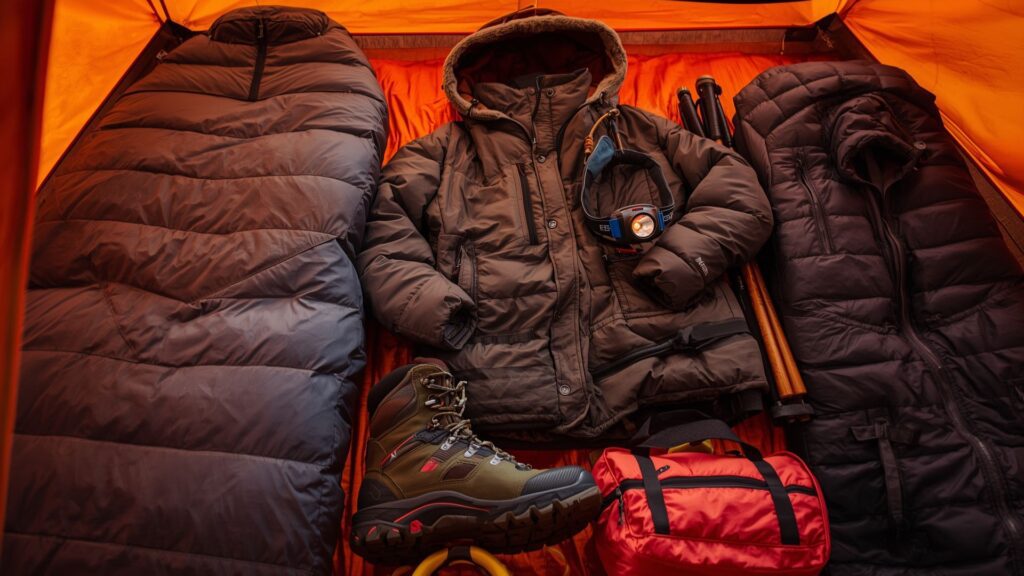
Equipment requirements vary between climbing seasons, affecting preparation costs and pack weight. Understanding seasonal gear needs helps determine the best time to climb Kilimanjaro within personal budget constraints.
Four-season sleeping bag rated to minus 15°C provides adequate warmth during dry months. Three-layer clothing system manages temperature variations across altitude zones. Base layers utilise merino wool or synthetic moisture-wicking fabrics. Outer shell requires waterproof-breathable membrane rated minimum 10,000mm.
Trekking boots require full ankle support and Vibram soles. Break in boots during training to prevent blisters. Trekking poles reduce knee stress on descents. Headlamp requires minimum 200 lumens for pre-dawn summit attempts. Pat Falvey provides comprehensive equipment lists after booking confirmation.
Cost Variations Across Climbing Seasons
Kilimanjaro expedition costs fluctuate with seasonal demand. Understanding pricing variations helps budget-conscious climbers identify the best time to climb Kilimanjaro within financial constraints.
January to March and June to October represent peak season pricing. International flight costs increase during Northern Hemisphere summer and winter holidays. Pat Falvey’s Kilimanjaro expeditions include all mountain fees, accommodation, and meals. Early booking secures preferred departure dates and potential early-bird discounts.
Late March and early November offer reduced pricing with acceptable weather risks. Flight costs decrease significantly outside peak holiday periods. Accommodation rates drop 20 to 30% during shoulder months. Contact Pat Falvey directly to discuss shoulder season departure availability at info@patfalvey.com or +353 64 6644 181.
Matching Experience Level With Optimal Timing
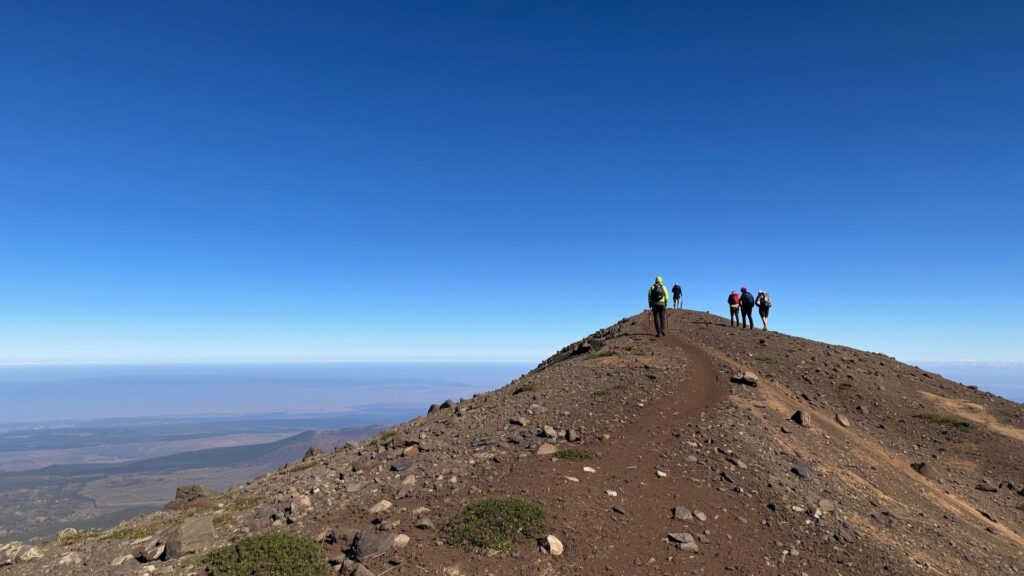
Climber experience levels interact with seasonal conditions to identify personalised best times to climb Kilimanjaro. First-time high-altitude trekkers benefit from different timing than experienced mountaineers.
First-time Kilimanjaro climbers achieve highest success during February and September. These months combine optimal weather with moderate trail traffic. Pat Falvey recommends eight-day routes for inexperienced high-altitude trekkers. First-timers should avoid April to May rainy seasons entirely. Consider completing Toubkal treks in Morocco as altitude preparation before Kilimanjaro.
Experienced climbers tolerate wider seasonal windows. Technical routes become viable for skilled mountaineers. Pat Falvey offers customised itineraries for climbers with previous high-altitude success. Our Island Peak and Everest Base Camp expedition provides excellent pre-Kilimanjaro altitude adaptation.
Group Expeditions Versus Private Climbs
Group versus private expedition choices affect optimal timing decisions. Understanding scheduling flexibility helps determine the best time to climb Kilimanjaro within personal constraints.
Pat Falvey’s scheduled group departures occur during prime climbing months. February, August, and September host multiple group expeditions. Groups of 8 to 12 climbers share costs, reducing per-person expenses. Group dynamics provide mutual support during challenging summit pushes. Review the news blog for recent expedition reports and summit success stories.
Private expeditions offer unlimited scheduling flexibility. Climbers select precise departure dates matching personal calendars. Pat Falvey arranges private expeditions throughout optimal climbing months. Consider gift vouchers for unique presents enabling recipients to schedule private Kilimanjaro expeditions at their convenience.
Safety Protocols and Post-Climb Extensions
Pat Falvey Irish & Worldwide Adventures maintains 100% safety record across 30 years Kilimanjaro operations through deliberate seasonal scheduling. Guide-to-client ratios maintain 1:4 maximum throughout expeditions. Emergency oxygen supplies accompany all summit attempts. Comprehensive travel insurance covering high-altitude rescue becomes mandatory for all expedition participants.
Post-Kilimanjaro extensions maximise Tanzania visits through wildlife safaris and coastal relaxation. February through March delivers exceptional wildlife viewing during calving season. June through October represents peak safari season coinciding with the best time to climb Kilimanjaro. Pat Falvey offers combined safari and Zanzibar packages following Kilimanjaro summits.